





























































































About Kaiser Permanente Folsom Medical Offices
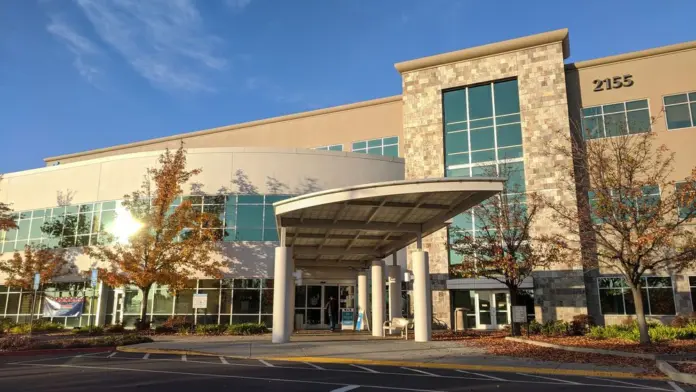
Kaiser Permanente Folsom Medical Offices, located in Folsom, California is a private alcohol and drug rehab that offers treatment for a variety of substance abuse addictions including co-occurring mental health disorders. They offer residential care providing long term support for addiction recovery, as well as flexible outpatient addiction therapy allowing patients to live at home while receiving regular treatment. Additional levels of care offered include 12-step therapy.
Specialty rehab programs at Kaiser Permanente Folsom Medical Offices include tailored care focusing on women’s specific needs and experiences, gender-specific addiction treatment addressing unique challenges faced by men, and inclusive treatment respecting diverse sexual orientations and gender identities.
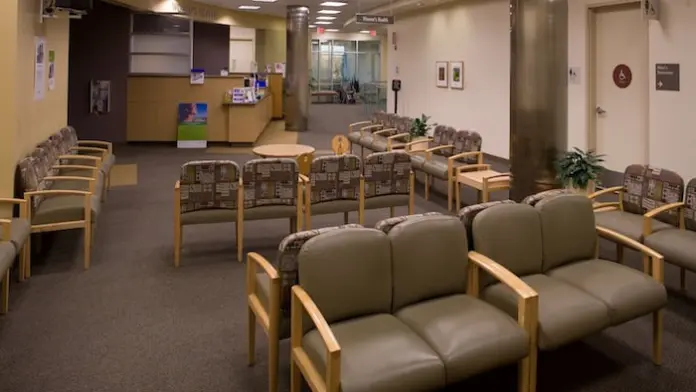
Patients at Kaiser Permanente Folsom Medical Offices will find the residential setting creates an immersive environment promoting full engagement in recovery away from daily triggers and the private rooms that give personal space for reflection and undisturbed rest during treatment. For recreation, patients can express themselves creatively with art activities.
Latest Reviews



Rehab Score
 Our Methodology


Gallery
Accepted Insurance
Other Forms of Payment
Private insurance refers to any kind of healthcare coverage that isn't from the state or federal government. This includes individual and family plans offered by an employer or purchased from the Insurance Marketplace. Every plan will have different requirements and out of pocket costs so be sure to get the full details before you start treatment.
Medicaid is a state based program that helps lower-income individuals and families pay for healthcare. Medicaid covers addiction treatment so those enrolled can use their coverage to pay for rehab. When a program accepts Medicaid the client often pays very little or nothing out of their own pocket.
Medicare is a federal program that provides health insurance for those 65 and older. It also serves people under 65 with chronic and disabling health challenges. To use Medicare for addiction treatment you need to find a program that accepts Medicare and is in network with your plan. Out of pocket costs and preauthorization requirements vary, so always check with your provider.
Addiction Treatments
Levels of Care
Clients receiving treatment at an outpatient rehab typically do not require hospitalization or intensive supervision and support. Outpatient addiction counseling and recovery education are often offered during the morning, evening, night, and weekend, allowing clients to tailor treatment to their own schedule. Partial hospitalization (PHP) and intensive outpatient (IOP) programs are the most time-intensive and are designed for clients who are at an increased relapse risk and/or who need more robust therapeutic support.
Inpatient rehab provides intensive treatment for clients exiting detox, those in early recovery, and those at an elevated risk of relapse. Unlike outpatient drug rehab, clients receiving inpatient care reside at the facility for the duration of the program. The length of stay may range from two weeks to 18 months or more, depending on the client's needs and the program's design. Inpatient treatment typically involves extensive addiction education and recovery-focused life skills training.
Participants engaged in 12 step programs receive intensive peer coaching (sponsorship) and community support. Spiritual development as a means of achieving psychological and emotional healing and growth is the cornerstone of 12 step recovery, but religious affiliations are not required. Meetings are free, anonymous, and open to the public, though specialized formats are available, including groups for seniors, teens, and family members. Evening, night, and day meetings are conducted year-round in most communities.
Treatments
Drug rehab in California teaches participants constructive ways to stay clean and sober. Treatment revolves around helping individuals stop using the substance they are addicted to and learn healthy habits to avoid relapse.
California's mental health and substance abuse rehabs provide dual-diagnosis treatment options for individuals looking to address co-occurring disorders. These programs are usually offered on either an inpatient or outpatient basis. You can usually expect a mental health assessment and personalized treatment plan, evidence-based therapies, like cognitive-behavioral therapy (CBT), experiential therapies like equine therapy, skills groups, and counseling to simultaneously address both mental health and substance abuse and drastically increase your chances of long-term sobriety.
Programs
Adult rehab programs include therapies tailored to each client's specific needs, goals, and recovery progress. They are tailored to the specific challenges adult clients may face, including family and work pressures and commitments. From inpatient and residential treatment to various levels of outpatient services, there are many options available. Some facilities also help adults work through co-occurring conditions, like anxiety, that can accompany addiction.
Young adulthood can be an exciting, yet difficult, time of transition. Individuals in their late teens to mid-20s face unique stressors related to school, jobs, families, and social circles, which can lead to a rise in substance use. Rehab centers with dedicated young adult programs will include activities and amenities that cater to this age group, with an emphasis on specialized counseling, peer socialization, and ongoing aftercare.
Recovery is most successful when clients feel accepted and validated by their peers and treatment providers. Facilities that offer LGBTQ-inclusive programming are committed to creating a safe space where everyone can grow and recover without fear of judgment or discrimination. They will have dedicated policies in place to create a safe and supportive environment that fosters free expression.
Clinical Services
During group therapy, men and women learn to express their emotions openly in a non judgmental setting. This helps you process your feelings and reduces feelings of social isolation that are often associated with addiction.
Individual therapy for drug addiction includes a customized treatment plan that considers your history and life circumstances. During your therapy sessions, the therapist helps you uncover underlying issues and triggers for addictive behavior that support a holistic approach to recovery.
While in rehab treatment, you may work on developing various life skills to help you in long term recovery. These may include resilience, interpersonal skills, and self awareness. The focus will be on developing healthy habits for self care and relationships so you have the skills you need to manage day to day life.
Substances can prevent the absorption of nutrients and cause damage to your body's systems. Nutrition therapy in California addresses the deficiencies in vitamins and minerals that are caused by substance abuse.
The goal of creative arts therapy in California is to encourage growth and transformation. It can be used in individual and group settings with both children and adults. Options include movement, music, and painting.
The goal of nicotine replacement therapy in California is to mitigate the symptoms of nicotine withdrawal. It cuts down on your cravings by supplying a small dose of nicotine without exposing your body to the toxins of cigarette smoke.
Amenities
-
 Residential Setting
 -
 Private Rooms
Staff

Greg A. Adams
Chair and Chief Executive Officer

Andrew B. Bindman, MD
Executive Vice President & Chief Medical Officer

Bechara Choucair, MD
Executive Vice President & Chief Health Officer

Brandon Cuevas
Executive Vice President & National Health Plan

Shelby Decosta
Senior Vice President & Chief Business Development Officer

Sam Glick
Executive Vice President & Enterprise Strategy and Business Development
Rehab.com regularly reviews this listing for accuracy but changes may occur between updates. For the most up-to-date information, please contact Kaiser Permanente Folsom Medical Offices.
Contact Information


2155 Iron Point Rd
Folsom, CA 95630
Sponsored Helpline


