















































































































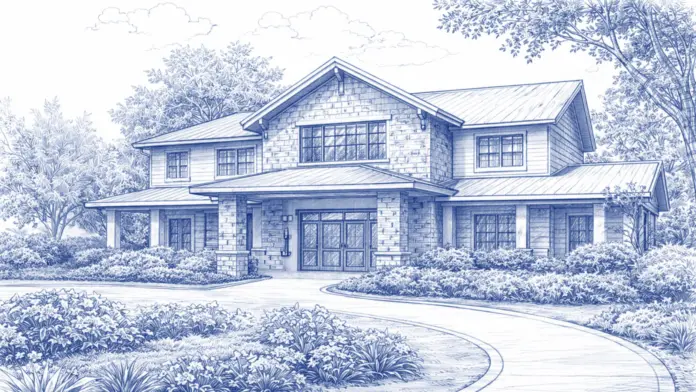
About Lake House Academy – Closed
Lake House Academy started out in 2010 but is now permanently closed. It was a therapeutic boarding school for girls aged 10-15. It offered small class sizes and individualized academic plans for those with mental and behavioral health disorders and substance misuse. It was based in Flat Rock, North Carolina.
Comprehensive Treatment for Girls in Flat Rock
The academy provided a comprehensive treatment program that included weekly individual and group therapy sessions. Family therapy sessions were conducted by video conference. Quarterly family workshops were available.
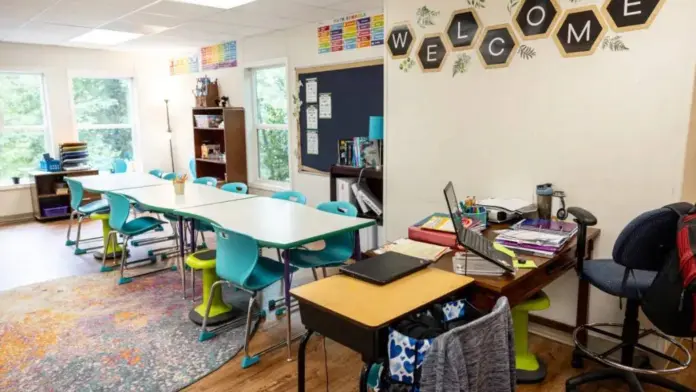
The academy provided academic coursework in accordance with middle and high school standards. Experiential activities and leisure time were incorporated to allow patients to explore hobbies and lakeside recreation.
Holistic Recovery Care
The program utilized an array of therapies, including behavioral therapies and neurofeedback.
Personalized programming catered to students experiencing anxiety and depression, low self-worth and difficulty regulating emotions and maintaining healthy relationships.
Counseling was also in place for those individuals with academic challenges such as learning disabilities, ADD and ADHD and executive functioning deficits.
The academy received mixed reviews. Some parents expressed dissatisfaction with the program’s overall effectiveness and the competence of the staff, whereas staff members shared positive experiences citing the growth opportunities the program provided.
Lake House Academy didn’t accept insurance or offer financial aid.
Scenic Location in the Blue Ridge Mountains
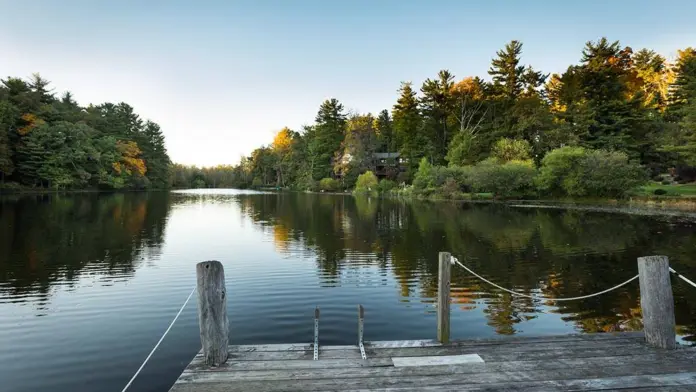
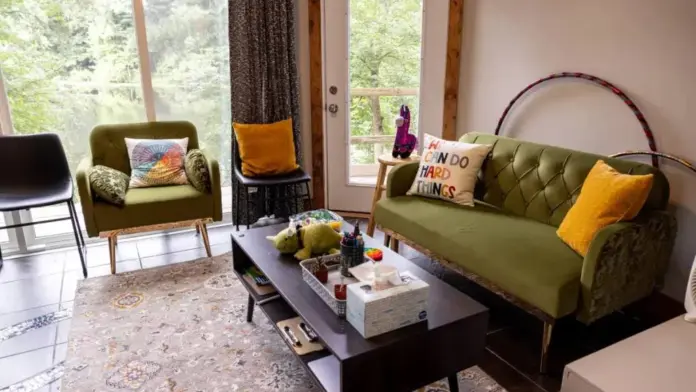
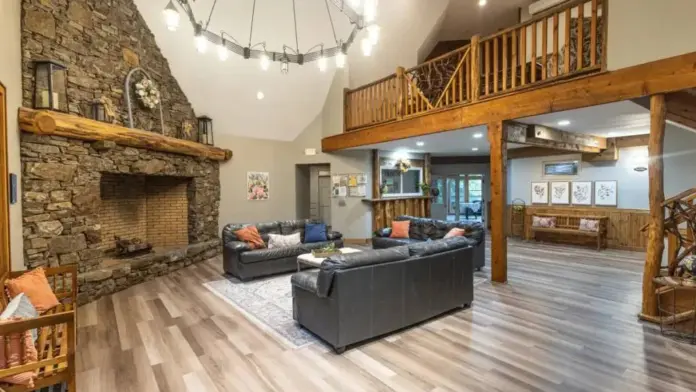
The academy’s beautiful location stood out to me, situated by a lake in the Blue Ridge Mountains. The facility offered access to gardens and trails and provided shared rooms for students.
Flat Rock has scenic beauty and local attractions. Flat Rock Playhouse is a renowned theater while the Carl Sandburg Home National Historic Site features tours. Dupont State Recreational Forest boasts waterfalls and trails for hiking. Nearby Hendersonville offers shops and restaurants.
Latest Reviews

Each of our therapists is dedicated to helping teens with difficult mental health challenges, this means putting your individualized treatment and well-being at the forefront of everything we do. We sincerely apologize that this wasn’t your experience at Lake House. We focus on creating a safe, nurturing environment that provides support from family, friends, and therapists who are there to help you create a life filled with joy. We would like to invite you to reach out to us directly if you would like to address your concerns, as we are always trying to improve our programs and experiences.
Sincerely,
Embark Behavioral Health


Our therapeutic boarding school was created with each young person’s well-being and effective care as our top priority. Our therapists and staff are dedicated to helping young people overcome difficult mental health challenges like anxiety and depression.
We appreciate you for taking the time to voice your struggles and concerns. Lake House Academy is committed to increasing awareness and lowering the stigma surrounding mental health; and is focused on creating access to high-quality, evidence-based care. We have set out on a big goal to reverse our nation’s youth mental health crisis. We’d like to invite you to reach out to our Executive Director, Mary Keyzer, at mary.keyzer@lakehouseacademy.com , so we can discuss the described issues further.

Rehab Score
 Our Methodology


Gallery
Accepted Insurance

Other Forms of Payment
Private insurance refers to any kind of healthcare coverage that isn't from the state or federal government. This includes individual and family plans offered by an employer or purchased from the Insurance Marketplace. Every plan will have different requirements and out of pocket costs so be sure to get the full details before you start treatment.
Self-pay involves paying for treatment out of your own pocket. You can use savings or credit, get a personal loan, or receive help from family and friends to fund your treatment. If you don't have insurance or your insurance plan doesn't cover a specific program, self-pay can help ensure you still get the care you need.
Addiction Treatments
Levels of Care
Residential treatment programs are those that offer housing and meals in addition to substance abuse treatment. Rehab facilities that offer residential treatment allow patients to focus solely on recovery, in an environment totally separate from their lives. Some rehab centers specialize in short-term residential treatment (a few days to a week or two), while others solely provide treatment on a long-term basis (several weeks to months). Some offer both, and tailor treatment to the patient's individual requirements.
A sober living home in North Carolina offers structure and support to help individuals maintain sobriety. The home is free from substances and offers 12-step programs, individual responsibilities, and mutual support with others in recovery. This setting can provide a lifeline as individuals strengthen recovery skills and prepare to reenter mainstream society. Most residents remain in a men's or women's sober living home for six months or more.
Often used as a "step-down" option after you've completed a residential or inpatient program, the partial hospitalization program (PHP) typically involves a minimum of 20 hours of treatment per week for approximately 90 days. Programs offer structured programming that includes relapse prevention, medication management, and behavioral therapy services. Insurance coverage for PHP treatment varies among insurance providers.
Individuals in early recovery often require 24-hour clinical care in North Carolina. This supervised care typically includes medications to treat specific withdrawal symptoms, which vary based on the substance abused. For example, staff may provide sleep aids to treat insomnia in patients who are addicted to marijuana. For those overcoming a cocaine use disorder, anti-depressants may be prescribed to manage mood swings. Other medications may also be provided to treat addiction-related health issues.
A medically assisted detox is the safest way to remove addictive drugs and alcohol from your body. A team of licensed medical professionals will look after you 24/7 to monitor your health, help minimize discomfort, and provide medications if necessary to alleviate any withdrawal symptoms. This process is typically the first step in your recovery and may take around 5-7 days, although length will depend on your individual needs.
Treatments
Mental health rehabs focus on helping individuals recover from mental illnesses like bipolar disorder, clinical depression, anxiety disorders, schizophrenia, and more. Mental health professionals at these facilities are trained to understand and treat mental health issues, both in individual and group settings.
Programs
Young adulthood can be an exciting, yet difficult, time of transition. Individuals in their late teens to mid-20s face unique stressors related to school, jobs, families, and social circles, which can lead to a rise in substance use. Rehab centers with dedicated young adult programs will include activities and amenities that cater to this age group, with an emphasis on specialized counseling, peer socialization, and ongoing aftercare.
Clinical Services
Clients who receive cognitive behavioral therapy in North Carolina typically attend five to 20 sessions. During this time, they work with their therapist to learn healthier patterns of thinking, which can help them change their behavior related to substance use.
Counseling that applies dialectical behavior therapy teaches you coping skills to apply to your daily life. The focus is on intense emotions and developing coping mechanisms to manage them. Therapy sessions are a series of teaching lessons that help you develop these coping skills.
Group therapy is any therapeutic work that happens in a group (not one-on-one). There are a number of different group therapy modalities, including support groups, experiential therapy, psycho-education, and more. Group therapy involves treatment as well as processing interaction between group members.
You usually develop a strong bond with your therapist during individual therapy sessions. This helps you explore the underlying causes of your substance use in a safe and nonjudgmental environment. Therapists help you develop effective coping strategies you can use in the community and improve your self awareness so you understand your addiction triggers.
If you're struggling with insecurity about your ability to make changes in your life, motivational interviewing in North Carolina could be a good solution. This type of therapy offers support and empowerment to help you explore your options and decide how to move forward with positive changes.
During couples therapy in North Carolina, a psychologist helps you and your partner resolve problems that are occurring in your relationship. This licensed therapist uses talk therapy to help you both work through challenges together. The process involves learning new skills to better handle conflict and life issues.
Research clearly demonstrates that recovery is far more successful and sustainable when loved ones like family members participate in rehab and substance abuse treatment. Genetic factors may be at play when it comes to drug and alcohol addiction, as well as mental health issues. Family dynamics often play a critical role in addiction triggers, and if properly educated, family members can be a strong source of support when it comes to rehabilitation.
Amenities
-
 Gym
Gym -
 Yoga Studio
 -
 Residential Setting
 -
 Private Rooms
 -
 Hiking
 -
 Mountain Views
 -
 Gardens
 -
 Walking Trails
Accreditations

State Licenses are permits issued by government agencies that allow rehab organizations to conduct business legally within a certain geographical area. Typically, the kind of program a rehab facility offers, along with its physical location, determines which licenses are required to operate legally.
State License: North Carolina

The Joint Commission, formerly known as JCAHO, is a nonprofit organization that accredits rehab organizations and programs. Founded in 1951, the Joint Commision's mission is to improve the quality of patient care and demonstrating the quality of patient care.
Joint Commission Accreditation: Yes

