





























































































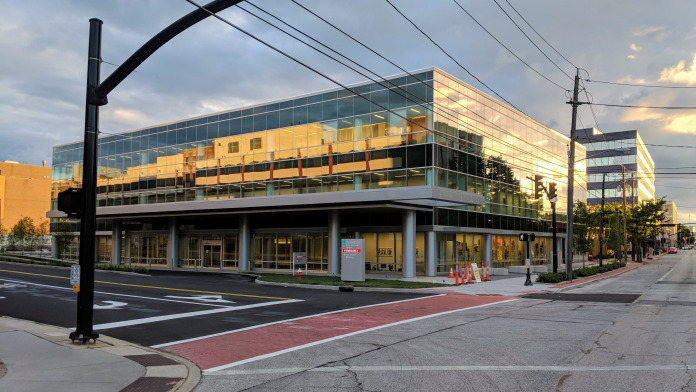
About Cleveland Clinic – Lakewood Family Health Center
Latest Reviews



Rehab Score
 Our Methodology


Gallery
Accepted Insurance
Other Forms of Payment
Private insurance refers to any kind of healthcare coverage that isn't from the state or federal government. This includes individual and family plans offered by an employer or purchased from the Insurance Marketplace. Every plan will have different requirements and out of pocket costs so be sure to get the full details before you start treatment.
Self-pay involves paying for treatment out of your own pocket. You can use savings or credit, get a personal loan, or receive help from family and friends to fund your treatment. If you don't have insurance or your insurance plan doesn't cover a specific program, self-pay can help ensure you still get the care you need.
Financial aid can take many forms. Centers may have grants or scholarships available to clients who meet eligibility requirements. Programs that receive SAMHSA grants may have financial aid available for those who need treatment as well. Grants and scholarships can help you pai for treatment without having to repay.
Medicare is a federal program that provides health insurance for those 65 and older. It also serves people under 65 with chronic and disabling health challenges. To use Medicare for addiction treatment you need to find a program that accepts Medicare and is in network with your plan. Out of pocket costs and preauthorization requirements vary, so always check with your provider.
Medicaid is a state based program that helps lower-income individuals and families pay for healthcare. Medicaid covers addiction treatment so those enrolled can use their coverage to pay for rehab. When a program accepts Medicaid the client often pays very little or nothing out of their own pocket.
Addiction Treatments
Levels of Care
Outpatient rehabs offer robust wraparound care for clients who are stepping down from intensive inpatient care, with many facilities providing multiple levels of care, including partial hospitalization (PHP), intensive outpatient (IOP), sober living/halfway housing, and standard outpatient programming. Clients may also elect to enroll in outpatient care immediately after completing inpatient detox. Those who are at lower risk of withdrawal complications may also choose to receive ambulatory medical detox from an outpatient facility. Outpatient programs typically involve addiction counseling, recovery education, and/or medication assisted treatment (MAT). Holistic therapies, such as art and music therapy, are commonly available.
Residential treatment programs are those that offer housing and meals in addition to substance abuse treatment. Rehab facilities that offer residential treatment allow patients to focus solely on recovery, in an environment totally separate from their lives. Some rehab centers specialize in short-term residential treatment (a few days to a week or two), while others solely provide treatment on a long-term basis (several weeks to months). Some offer both, and tailor treatment to the patient's individual requirements.
Intensive outpatient programs (IOP) are designed for clients who need frequent, high-level care but do not require, or choose to forgo, inpatient treatment. Most intensive outpatient rehabs offer a minimum of nine hours of treatment weekly, though clients may receive up to 20 hours of care as needed. These programs typically combine various treatment modalities, including individual, group, and family counseling, medication assisted treatment (MAT), addiction and recovery education, and evidence-based complementary therapies, such as acupuncture and massage.
A sober living home in Ohio is often recommended for those completing a drug rehab program. When you leave the structured setting of rehab, returning home can trigger relapse due to the abrupt change in environment. Men's and women's sober living homes act as transitional spaces to continue developing tools for recovery before fully re-entering society. It gives you time to adjust to the demands of life, in a setting that is free from substances.
Intervention services help family members prepare for a drug intervention in Ohio. During an intervention, family members typically read letters they have prepared that explain how the individual's substance abuse has affected their lives and relationships. Each family member also explains what they will do if the individual does not agree to get treatment. An intervention specialist offers support to guide this discussion and makes appropriate treatment recommendations.
Designed for individuals with moderate to severe addictions, a partial hospitalization program (PHP) provides a more intensive form of outpatient therapy. PHP treatment can serve as an alternative to inpatient hospitalization or as a step-down option after being discharged from a hospital or residential program. A partial hospitalization program typically requires a minimum of 20 hours weekly for an average of 90 days. Depending on your care plan, PHPs can include relapse prevention, medication management, and behavioral therapy services.
Medical detox involves clearing your body of drugs and/or alcohol under the 24/7 care of licensed medical professionals. If you've become dependent on alcohol or drugs (like benzodiazepines or opioids), quitting abruptly can have uncomfortable and even dangerous side effects. The purpose of medically assisted detox is to keep you as safe and comfortable as possible during this process. Medications like Suboxone or Vivitrol may be provided if necessary to mitigate any withdrawal symptoms.
Treatments
Many of those suffering from addiction also suffer from mental or emotional illnesses like schizophrenia, bipolar disorder, depression, or anxiety disorders. Rehab and other substance abuse facilities treating those with a dual diagnosis or co-occurring disorder administer psychiatric treatment to address the person's mental health issue in addition to drug and alcohol rehabilitation.
Mental health rehabs focus on helping individuals recover from mental illnesses like bipolar disorder, clinical depression, anxiety disorders, schizophrenia, and more. Mental health professionals at these facilities are trained to understand and treat mental health issues, both in individual and group settings.
Programs
Adult rehab programs include therapies tailored to each client's specific needs, goals, and recovery progress. They are tailored to the specific challenges adult clients may face, including family and work pressures and commitments. From inpatient and residential treatment to various levels of outpatient services, there are many options available. Some facilities also help adults work through co-occurring conditions, like anxiety, that can accompany addiction.
Young adulthood can be an exciting, yet difficult, time of transition. Individuals in their late teens to mid-20s face unique stressors related to school, jobs, families, and social circles, which can lead to a rise in substance use. Rehab centers with dedicated young adult programs will include activities and amenities that cater to this age group, with an emphasis on specialized counseling, peer socialization, and ongoing aftercare.
Recovery is most successful when clients feel accepted and validated by their peers and treatment providers. Facilities that offer LGBTQ-inclusive programming are committed to creating a safe space where everyone can grow and recover without fear of judgment or discrimination. They will have dedicated policies in place to create a safe and supportive environment that fosters free expression.
Clinical Services
Group therapy is any therapeutic work that happens in a group (not one-on-one). There are a number of different group therapy modalities, including support groups, experiential therapy, psycho-education, and more. Group therapy involves treatment as well as processing interaction between group members.
In individual therapy, a patient meets one-on-one with a trained psychologist or counselor. Therapy is a pivotal part of effective substance abuse treatment, as it often covers root causes of addiction, including challenges faced by the patient in their social, family, and work/school life.
With trauma therapy, you can reclaim your life after witnessing or experiencing a traumatic event. Therapists help you process the memories, which promotes emotional healing and enables you to build resilience to navigate future challenges and triggers.
Some couples therapy in Ohio is designed as short term treatment to address a specific problem in the relationship, such as anxiety, depression, or addiction. Other couples therapy may focus on general strengthening of the relationship by improving interactions.
Family therapy offers a group time to collectively make an effort to understand and combat the issues and challenges associated with addiction. Therapists work with family members to establish healthy boundaries between each other and their loved one who is addicted, improve emotional support systems, and work together toward a sustained long term recovery.
Nutrition therapy, aka medical nutrition therapy (MNT), is a way of treating physical, emotional, and medical conditions through diet. Specific dietary plans are designed by professional nutritionists or registered dietitians, and patients follow them in order to positively affect their physical and mental health.
Nicotine Replacement Therapy (NRT) is a way of getting nicotine into the bloodstream without smoking. It uses products that supply low doses of nicotine to help people stop smoking. The goal of therapy is to cut down on cravings for nicotine and ease the symptoms of nicotine withdrawal.
Amenities
-
 Residential Setting
 -
 Private Rooms
Staff & Accreditations
Staff
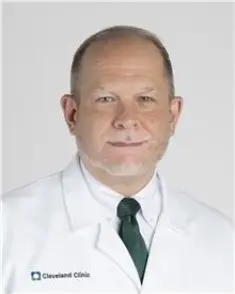
James Hekman, MD, FACP
Medical Director
Accreditations

The Joint Commission, formerly known as JCAHO, is a nonprofit organization that accredits rehab organizations and programs. Founded in 1951, the Joint Commision's mission is to improve the quality of patient care and demonstrating the quality of patient care.
Joint Commission Accreditation: Yes
Rehab.com regularly reviews this listing for accuracy but changes may occur between updates. For the most up-to-date information, please contact Cleveland Clinic – Lakewood Family Health Center.
Contact Information


14601 Detroit Avenue
Lakewood OH, 44107
Sponsored Helpline


