





























































































About Life Challenge Ministries
Life Challenge Ministries provides help for substance addiction for adults 18 and older in Detroit, Michigan. They have gender-specific areas so clients can concentrate on recovery without outside distractions during treatment. This location is a men’s campus.
Social Support for Recovery in Detroit
This treatment center believes in restoration through community so they include social activities in their treatment process.
Men have a clean, safe campus to enjoy a community spirit. You are welcome to live at the campus for a year and the fee covers your room, board, all treatment services, and transportation.
Guests have a loving environment where they are supported and valued. You’ll learn how to re-establish a strong network of family and friends that will benefit your long term recovery. You can focus on recovery away from triggers and distractions.
Christian Values for Recovery
They focus on Christian principles and believe a relationship with Jesus is critical for addiction recovery. Residents attend chapel services, Christian growth classes and church and have mentoring opportunities to learn more about God’s truth for their lives.
LIfe Skills for Sobriety
Along with faith, this treatment center includes work programs that teach positive work ethic, accountability and responsibility. You’ll gain confidence and a sense of purpose and accomplishment while also learning skills you can use in your future career.
Connection is valued here. You’ll have opportunities to interact with others who understand your challenges and issues with addiction. You’ll have support while you navigate the path to freedom from substance abuse.
Your days will also include daily prayer and devotion times to cultivate life practices of gratitude and quiet time. Life Challenge Ministries is devoted to providing a structured program where you have the time needed to overcome addiction and achieve spiritual growth.
Facility Overview
 31 - 60
  $3.29
$3.29 Latest Reviews



Rehab Score
 Our Methodology


Gallery
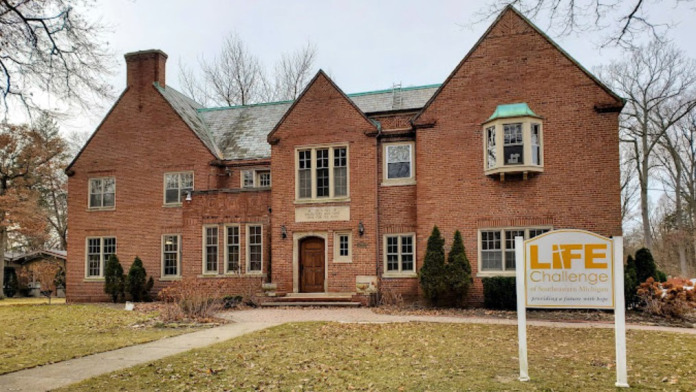
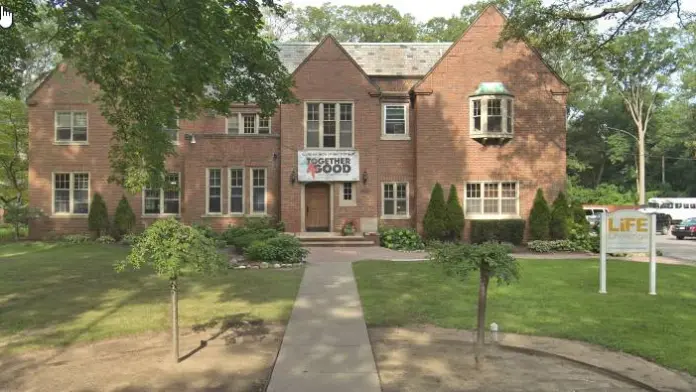
Other Forms of Payment
Private insurance refers to any kind of healthcare coverage that isn't from the state or federal government. This includes individual and family plans offered by an employer or purchased from the Insurance Marketplace. Every plan will have different requirements and out of pocket costs so be sure to get the full details before you start treatment.
Self-pay involves paying for treatment out of your own pocket. You can use savings or credit, get a personal loan, or receive help from family and friends to fund your treatment. If you don't have insurance or your insurance plan doesn't cover a specific program, self-pay can help ensure you still get the care you need.
Addiction Treatments
Levels of Care
Clients receiving care at an outpatient rehab remain in their own homes and attend treatment as often as daily, depending on the level of need. Outpatient care generally consists of psychotherapy, addiction education, life skills training, and community reintegration support. Many outpatient treatment centers provide step-down care, including partial hospitalization (PHP), intensive outpatient (IOP), sober living, and standard outpatient services. Some outpatient rehabs also offer ambulatory medical detox and medication assisted treatment (MAT).
Residential treatment programs are those that offer housing and meals in addition to substance abuse treatment. Rehab facilities that offer residential treatment allow patients to focus solely on recovery, in an environment totally separate from their lives. Some rehab centers specialize in short-term residential treatment (a few days to a week or two), while others solely provide treatment on a long-term basis (several weeks to months). Some offer both, and tailor treatment to the patient's individual requirements.
Clients engaged in a rehab aftercare program have already completed high-level treatment and have begun to develop essential recovery skills. Rehab aftercare services are designed to support clients' sustained sobriety as they reintegrate into their home, workplace, and community. Case managers, care teams, and clients design the customized service portfolio that will best support the client's long-term sobriety. Clients may receive peer coaching, 12 step program induction, vocational training, and relapse prevention services.
During a medically supervised detox, addictive substances are removed from your body while under the 24/7 supervision of medical professionals in an inpatient environment. This is the safest way to wean your body off of addictive substances, since quitting alcohol or certain drugs (like opioids or benzodiazepines) can be dangerous if done on your own. The program typically lasts around 5-7 days, but is highly individualized depending on your needs.
12 step programs are typically community-based and peer-led, though many rehabs base their treatment models on this approach. Participants engage in regular 12 step meetings, which are anonymous, free, and accessible multiple times a day, 365 days a year in most communities. Participants are also mentored by self-selected sponsors who support them as they work through the 12 steps of recovery, which include addressing the causes of the disease, taking personal responsibility, and relinquishing control.
Treatments
The goal of treatment for alcoholism is abstinence. Those with poor social support, poor motivation, or psychiatric disorders tend to relapse within a few years of treatment. For these people, success is measured by longer periods of abstinence, reduced use of alcohol, better health, and improved social functioning. Recovery and Maintenance are usually based on 12 step programs and AA meetings.
Drug rehab in Michigan provides personalized treatment to help individuals break this cycle and regain control of their lives. Treatment methods are used in various levels of care, including inpatient rehab, partial hospitalization programs, intensive outpatient programs, and standard outpatient treatment.
Opioid rehabs specialize in supporting those recovering from opioid addiction. They treat those suffering from addiction to illegal opioids like heroin, as well as prescription drugs like oxycodone. These centers typically combine both physical as well as mental and emotional support to help stop addiction. Physical support often includes medical detox and subsequent medical support (including medication), and mental support includes in-depth therapy to address the underlying causes of addiction.
Substance rehabs focus on helping individuals recover from substance abuse, including alcohol and drug addiction (both illegal and prescription drugs). They often include the opportunity to engage in both individual as well as group therapy.
Programs
Adult rehab programs include therapies tailored to each client's specific needs, goals, and recovery progress. They are tailored to the specific challenges adult clients may face, including family and work pressures and commitments. From inpatient and residential treatment to various levels of outpatient services, there are many options available. Some facilities also help adults work through co-occurring conditions, like anxiety, that can accompany addiction.
Young adulthood can be an exciting, yet difficult, time of transition. Individuals in their late teens to mid-20s face unique stressors related to school, jobs, families, and social circles, which can lead to a rise in substance use. Rehab centers with dedicated young adult programs will include activities and amenities that cater to this age group, with an emphasis on specialized counseling, peer socialization, and ongoing aftercare.
Men face specific challenges and concerns when seeking addiction treatment. Gender-specific recovery programs help them tackle these issues head-on in an environment that's focused, targeted, and distraction-free. It also gives them the opportunity to connect with and learn from other men who have been through a similar journey and can offer support for the next step.
Rehabs for women provide a safe, nurturing space for female clients to heal. These treatment programs consider the specific obstacles that women can face during recovery and place a special emphasis on mental, social, physical, and reproductive health. They explore how each woman's experience has shaped the trajectory of their substance use, addressing issues such as sexual abuse and past trauma.
Life Challenge Ministries is a Christian residential recovery program emphasizing discipleship, biblical counseling, and spiritual development as core elements supporting lasting transformation and freedom from addiction.
Clinical Services
Group therapy is any therapeutic work that happens in a group (not one-on-one). There are a number of different group therapy modalities, including support groups, experiential therapy, psycho-education, and more. Group therapy involves treatment as well as processing interaction between group members.
In individual therapy, a patient meets one-on-one with a trained psychologist or counselor. Therapy is a pivotal part of effective substance abuse treatment, as it often covers root causes of addiction, including challenges faced by the patient in their social, family, and work/school life.
Cognitive behavioral therapy in Michigan helps participants view challenges more clearly so they can respond to them in healthy ways. During a limited number of structured sessions, clients learn about and practice these changes to effectively address substance use and mental health disorders.
Family therapy is often recommended for family units with a member undergoing drug or alcohol rehabilitation. Family therapy helps to foster communication and conflict resolution that creates a supportive environment. This helps the loved one who is struggling with addiction.
Life Challenge Ministries incorporates Christian counseling as a core component of its faith-based recovery program, supporting spiritual and emotional healing.
The program emphasizes spiritual development through chapel services, discipleship training, and biblical counseling integrated throughout the one-year residential experience.
Amenities
-
 Residential Setting
 -
 Private Setting
 -
 Metropolitan Area
Staff & Accreditations
Staff
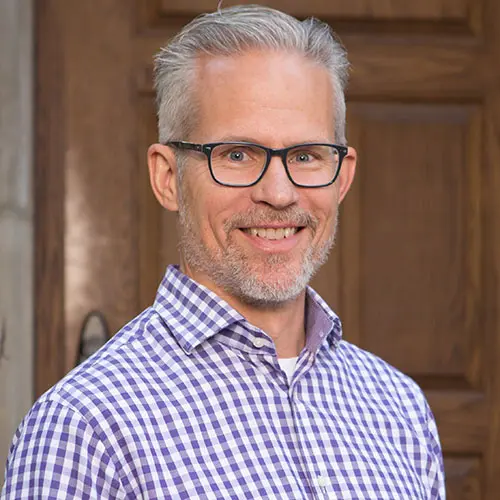
Dr. Jeff Bonzelaar
Executive Director

Chad Cromwell
BOD
LaRue Davis
BOD
Jim Hackney
BOD
Rev. Jamie Kjos
BOD
Rev. Steven Swaggerty
BOD
Accreditations

State Licenses are permits issued by government agencies that allow rehab organizations to conduct business legally within a certain geographical area. Typically, the kind of program a rehab facility offers, along with its physical location, determines which licenses are required to operate legally.
State License: Michigan
Rehab.com regularly reviews this listing for accuracy but changes may occur between updates. For the most up-to-date information, please contact Life Challenge Ministries.
Contact Information


17667 Pierson Street, Detroit, MI 48219
Sponsored Helpline



