
























































































About Livengrin Foundation – Center City Philadelphia
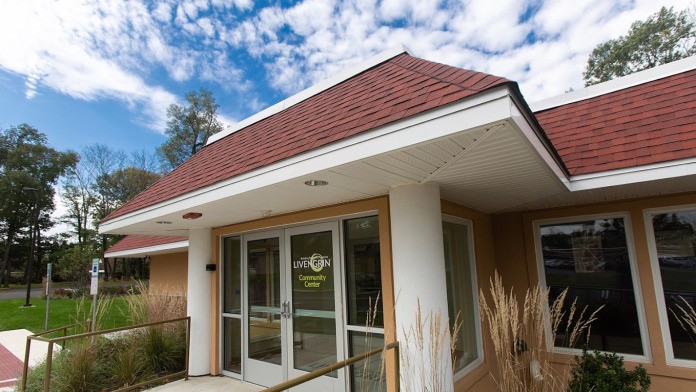
Located in Philadelphia, Pennsylvania, the Livengrin Foundation of Center City has provided outpatient treatment to those with co-occurring mental health and substance use disorders since 1966. In addition to private insurance, they accept self payment and offer a sliding fee scale to those who qualify. The Joint Commission accredited them, and they also make telehealth visits available to those unable to attend sessions in person.
Substance Use and Gambling Disorder Treatment
Evidence based practices are combined with compassion and wisdom in their outpatient, intensive outpatient, and partial hospitalization programs. Treatment focuses on modalities such as cognitive behavioral therapy (CBT), motivational interviewing, and 12 step facilitation. Comprehensive assessments are available to form individualized treatment plans. I think it’s important to note that they also treat gambling disorders at their facility.
Dedicated Programs for a Variety of Patient Groups
Services are designed for adults and young adults with special programs to address the needs of each age group. Active military personnel and veterans also have a dedicated treatment program. I like that they welcome members of the LGBTQ+ community. DUI/DWI offenders are accepted at this facility as well.
Outdoor Recreation in Philadelphia
Philadelphia offers a number of parks and outdoor spaces to supplement your outpatient therapy. The Spruce Street Harbor Park is a haven of relaxation and recreation with its hammocks, arcade, food vendors, lawn games, and a boardwalk on the Delaware River. Fairmount Park is the largest landscaped urban park in the world, providing opportunities for hiking, off road biking and horseback riding. Franklin Square is one of five open square parks in the city and has a family friendly space that features a carousel, mini golf, and a 180 year old fountain. Wissahickon Valley Park is an oasis of green space just five miles from downtown, offering hiking trails, birdwatching, picnicking, and fishing.

Rehab Score
 Our Methodology


Gallery
Other Forms of Payment
Self-pay involves paying for treatment out of your own pocket. You can use savings or credit, get a personal loan, or receive help from family and friends to fund your treatment. If you don't have insurance or your insurance plan doesn't cover a specific program, self-pay can help ensure you still get the care you need.
Private insurance refers to any kind of healthcare coverage that isn't from the state or federal government. This includes individual and family plans offered by an employer or purchased from the Insurance Marketplace. Every plan will have different requirements and out of pocket costs so be sure to get the full details before you start treatment.
Financial aid can take many forms. Centers may have grants or scholarships available to clients who meet eligibility requirements. Programs that receive SAMHSA grants may have financial aid available for those who need treatment as well. Grants and scholarships can help you pai for treatment without having to repay.
Medicaid is a state based program that helps lower-income individuals and families pay for healthcare. Medicaid covers addiction treatment so those enrolled can use their coverage to pay for rehab. When a program accepts Medicaid the client often pays very little or nothing out of their own pocket.
Addiction Treatments
Levels of Care
Intensive Outpatient programs are for those who want or need a very structured treatment program but who also wish to live at home and continue with certain responsibilities (such as work or school). IOP substance abuse treatment programs vary in duration and intensity, and certain outpatient rehab centers will offer individualized treatment programs. Intensive outpatient (IOP), allows the patient to maintain employment and other necessary activities, with therapeutic and educational sessions three times weekly.
Outpatient Services are designed for the patient who does not require a residential rehab program, but still can benefit from a concentrated treatment plan. These programs combine education on mind & body development during recovery, group and individual therapy, and a family education component. A person’s length of stay in Outpatient is based on the individual’s clinical needs. There are day and evening sessions, depending on the location of the Counseling Center.
Intervention services helps family or friends of addicts stage an intervention, which is a meeting in which loved ones share their concerns and attempt to get an addict into treatment. Professional intervention specialists can help loved ones organize, gather, and communicate with an addict. They can guide intervention participants in describing the damage the addict's behavior is causing and that outside help is necessary to address the addiction. The ideal outcome of an intervention is for the addict to go to rehab and get the help they need.
12-step programs are addiction recovery models based on Alcoholics Anonymous (AA). A number of substance abuse programs (including some drug and alcohol rehab centers) use the 12 steps as a basis for treatment. Beginning steps involve admitting powerlessness over the addiction and creating a spiritual basis for recovery. Middle steps including making direct amends to those who've been hurt by the addiction, and the final step is to assist others in addiction recovery in the same way. 12-Step offshoots including Narcotics Anonymous (NA), Cocaine Anonymous (CA), Dual Recovery Anonymous (DRA), Sex and Love Addicts Anonymous (SLAA) and Gamblers Anonymous (GA).
Livengrin seeks to be a source of motivation and affirmation for patients long after they depart. Their alumni can take advantage of an essential link between the individual’s therapeutic process here and the future they create for themselves afterward. Active alumni focus on helping people stay in touch, events and projects, and volunteerism. They’re at the center of several major activities each year, such as Gratitude Day on Thanksgiving morning in November and Back to Livengrin Day and their annual reunion picnic.
Treatments
The goal of treatment for alcoholism is abstinence. Those with poor social support, poor motivation, or psychiatric disorders tend to relapse within a few years of treatment. For these people, success is measured by longer periods of abstinence, reduced use of alcohol, better health, and improved social functioning. Recovery and Maintenance are usually based on 12 step programs and AA meetings.
Drug rehab in Pennsylvania is devoted to the treatment of addiction. Levels of care, treatment methods, and settings differ, but the aim of each program is to end drug dependency and empower participants to achieve long-term recovery.
Their clinical staff is experienced in dealing with the ways in which mental health disorders can be aggravated, or hidden, by substance abuse. Each patient works with a highly-trained counselor to examine the life-circumstances and history of choices that may be mixing with mental health challenges, and to develop the skills to avoid relapse in a world full of pressures.
Opioid rehabs specialize in supporting those recovering from opioid addiction. They treat those suffering from addiction to illegal opioids like heroin, as well as prescription drugs like oxycodone. These centers typically combine both physical as well as mental and emotional support to help stop addiction. Physical support often includes medical detox and subsequent medical support (including medication), and mental support includes in-depth therapy to address the underlying causes of addiction.
Substance rehabs focus on helping individuals recover from substance abuse, including alcohol and drug addiction (both illegal and prescription drugs). They often include the opportunity to engage in both individual as well as group therapy.
Programs
Adult rehab programs include therapies tailored to each client's specific needs, goals, and recovery progress. They are tailored to the specific challenges adult clients may face, including family and work pressures and commitments. From inpatient and residential treatment to various levels of outpatient services, there are many options available. Some facilities also help adults work through co-occurring conditions, like anxiety, that can accompany addiction.
Young adulthood can be an exciting, yet difficult, time of transition. Individuals in their late teens to mid-20s face unique stressors related to school, jobs, families, and social circles, which can lead to a rise in substance use. Rehab centers with dedicated young adult programs will include activities and amenities that cater to this age group, with an emphasis on specialized counseling, peer socialization, and ongoing aftercare.
Clinical Services
Research clearly demonstrates that recovery is far more successful and sustainable when loved ones like family members participate in rehab and substance abuse treatment. Genetic factors may be at play when it comes to drug and alcohol addiction, as well as mental health issues. Family dynamics often play a critical role in addiction triggers, and if properly educated, family members can be a strong source of support when it comes to rehabilitation.
Group therapy is any therapeutic work that happens in a group (not one-on-one). There are a number of different group therapy modalities, including support groups, experiential therapy, psycho-education, and more. Group therapy involves treatment as well as processing interaction between group members.
In individual therapy, a patient meets one-on-one with a trained psychologist or counselor. Therapy is a pivotal part of effective substance abuse treatment, as it often covers root causes of addiction, including challenges faced by the patient in their social, family, and work/school life.
Life skills trainings involve all the skills a person must have in order to function successfully in the world. These include time management, career guidance, money management, and effective communication. Truly successful addiction recovery is based on the ability to not only live substance-free, but to thrive. Life skills teaches the practical necessities of functioning in society, which sets clients up for success in life, and therefore sobriety.
Trauma therapy addresses traumatic incidents from a client's past that are likely affecting their present-day experience. Trauma is often one of the primary triggers and potential causes of addiction, and can stem from child sexual abuse, domestic violence, having a parent with a mental illness, losing one or both parents at a young age, teenage or adult sexual assault, or any number of other factors. The purpose of trauma therapy is to allow a patient to process trauma and move through and past it, with the help of trained and compassionate mental health professionals.
Amenities
-
 Private Setting
Staff & Accreditations
Staff
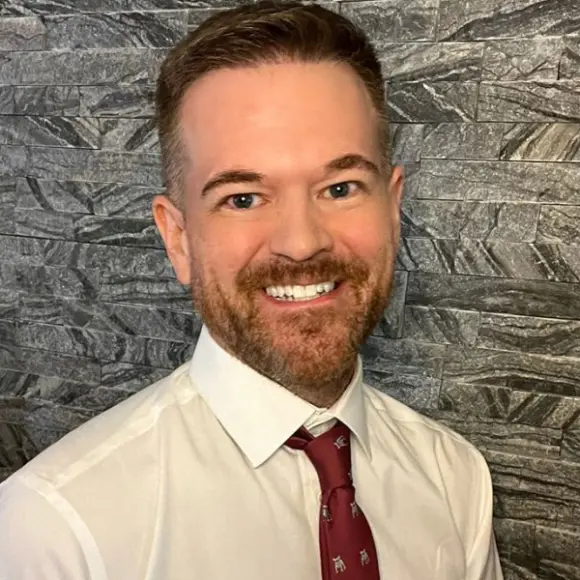
Christopher N. Francis, MA, LPC, NCC, CCS, CCDP
President, CEO, & Chief Clinical Officer
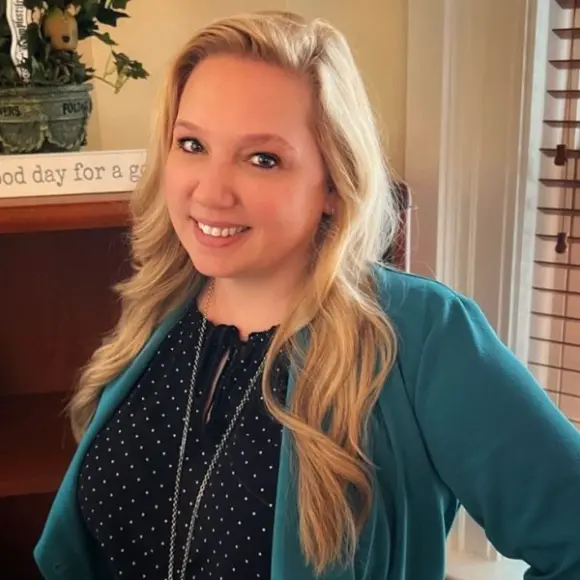
Angela Morley, M.B.A.
COO & Senior VP
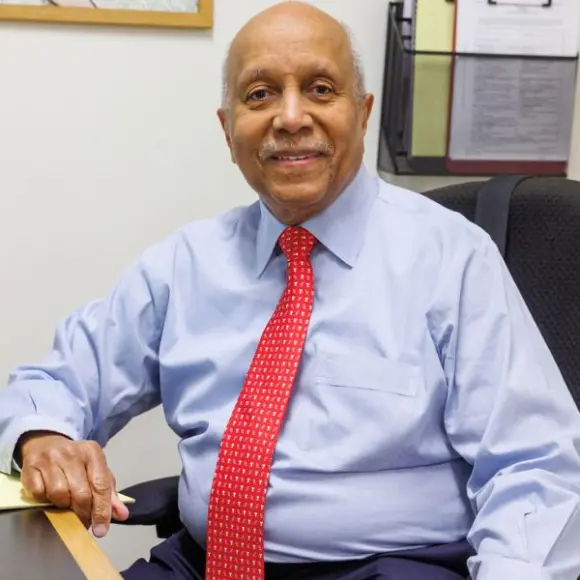
Dr. James W. Cornish, M.D.
Medical Director
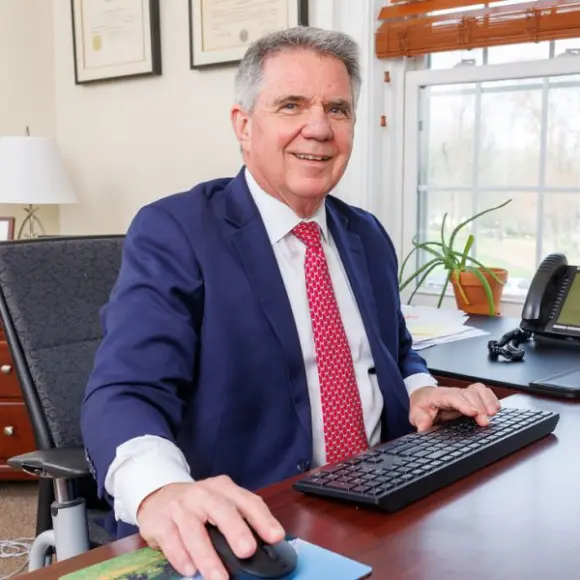
Allen Toadvine, Esq.
General Counsel & CAO

Denise Merritt, MS, CAADC, CCS, LPC
VP of Clinical Programs

Albert Mezzaroba, Esq
Chairperson
Edward J. Haaz
Vice Chairperson
Jeremy Cohen
Treasurer
Accreditations

State Licenses are permits issued by government agencies that allow rehab organizations to conduct business legally within a certain geographical area. Typically, the kind of program a rehab facility offers, along with its physical location, determines which licenses are required to operate legally.
State License: Pennsylvania
License Number: JIQR6601
Contact Information


1500 Walnut Street
#507
Philadelphia, PA 19102
Sponsored Helpline


