





























































































About Long Island Treatment Center
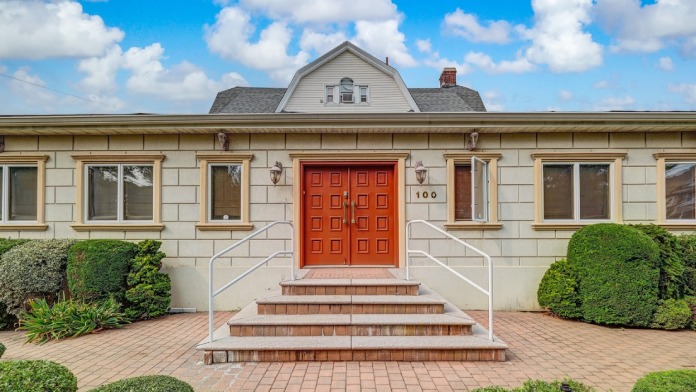
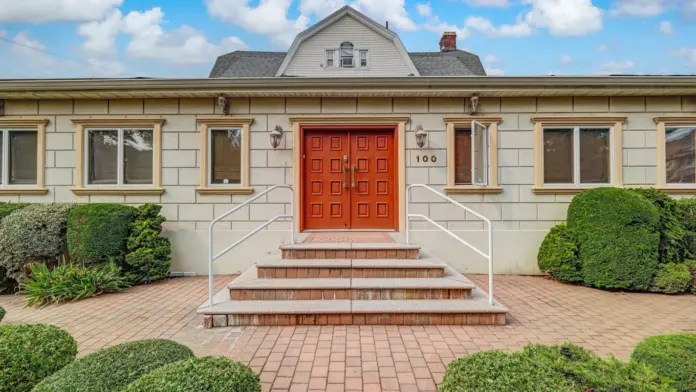
Long Island Treatment Center provides substance abuse and co-occurring mental health care in Hicksville, New York. Their team wants to help you heal and have a healthy future without substance use.
Treating Contributing Factors
Dual diagnosis treatment is part of their program to address the underlying causes of your substance use. Sometimes conditions feed off each other, so targeting both substance use and mental health conditions may be more effective at helping you overcome addiction for good.
Medication-assisted treatment (MAT) is available to help those struggling with alcohol or opioid dependence. They use FDA-approved medicines to make guests more comfortable and reduce drug cravings so they can focus on recovery and avoid potential relapse. They have outpatient withdrawal services for those who may not need inpatient treatment.
Flexibility for Your Schedule
They offer day and evening treatment times here so you can focus on daily responsibilities like working or attending school while also getting addiction treatment. They encourage clients to attend 12-step support meetings like Alcoholics Anonymous (AA) or Narcotics Anonymous (NA) to learn about accountability for recovery and interact with others who share the goal of long-term sobriety.
Ongoing Support for Sobriety on Long Island
One of the features of their program is the relapse prevention plan to help you learn about triggers behaviors that lead to substance use. They’ll help you understand how to combat these actions, like healthy coping skills and learning to recognize and avoid triggers.
They also offer an alumni program to keep you engaged in recovery. You’ll have a network of people who have also graduated from the treatment center to support and guide you through the recovery journey. Their aftercare services may include support groups, counseling, and sober events.
Latest Reviews



Rehab Score
 Our Methodology


Gallery

Other Forms of Payment
Private insurance refers to any kind of healthcare coverage that isn't from the state or federal government. This includes individual and family plans offered by an employer or purchased from the Insurance Marketplace. Every plan will have different requirements and out of pocket costs so be sure to get the full details before you start treatment.
Self-pay involves paying for treatment out of your own pocket. You can use savings or credit, get a personal loan, or receive help from family and friends to fund your treatment. If you don't have insurance or your insurance plan doesn't cover a specific program, self-pay can help ensure you still get the care you need.
Addiction Treatments
Levels of Care
Outpatient Programs (OP) are for those seeking mental rehab or drug rehab, but who also stay at home every night. The main difference between outpatient treatment (OP) and intensive outpatient treatment (IOP) lies in the amount of hours the patient spends at the facility. Most of the time an outpatient program is designed for someone who has completed an inpatient stay and is looking to continue their growth in recovery. Outpatient is not meant to be the starting point, it is commonly referred to as aftercare.
Residential treatment programs are those that offer housing and meals in addition to substance abuse treatment. Rehab facilities that offer residential treatment allow patients to focus solely on recovery, in an environment totally separate from their lives. Some rehab centers specialize in short-term residential treatment (a few days to a week or two), while others solely provide treatment on a long-term basis (several weeks to months). Some offer both, and tailor treatment to the patient's individual requirements. Linden Oaks' Residential Stay Program offers additional support for those who may benefit from a structured living environment. A patient's stay may vary from a few days to 30 days ago. The program includes group, family and individual counseling.
Intensive Outpatient programs are for those who want or need a very structured treatment program but who also wish to live at home and continue with certain responsibilities (such as work or school). IOP substance abuse treatment programs vary in duration and intensity, and certain outpatient rehab centers will offer individualized treatment programs. The Intensive Outpatient Program gives patients the chance to participate in a structured treatment plan part-time while they transition back to home and work or other responsibilities. This program provides half-day treatment (Monday, Wednesday and Friday, 9:15 am to 12:30 pm).
Clients in rehab aftercare programs receive a customized portfolio of services designed to promote their sustained sobriety. These clients have completed high-level treatment, are typically exiting detox and/or intensive inpatient care and are reintegrating into their home, workplace, and community. Rehab aftercare services address addiction disease as a chronic condition requiring continuing care. Clients typically work with case managers and recovery teams to access necessary resources, such as peer coaching and 12 step program induction support.
Participants in 12 step programs maintain access to community-based peer support, which is the programs' primary treatment modality. 12 step recovery combines personal growth with paper coaching. Participants regularly attend group meetings, which are free, anonymous, open to the public, and available multiple times per day in most communities. They are also mentored by self-selected sponsors who guide them through the steps of recovery. Age and gender specific and other specialized formats are common.
The partial hospitalization program (PHP) level of care offers short-term, intensive rehab for individuals with acute symptoms that require focused management but don't require 24/7 care. PHP treatment provides structured programming (i.e. individual and group therapy) and allows you to return home in the evening. PHP treatment typically meets weekly for a minimum of 20 hours with the duration typically averaging 90 days. While PHP treatment cost can vary, it is often covered by most providers.
For many different stages and therapies offered during addiction treatment, it's essential to offer 24-hour clinical care in New York. often involves medication treatment for drug or alcohol detox. The withdrawal symptoms experienced during detox can be dangerous, but having medical experts on-site around the clock means someone is always there to step in and provide emergency medical care when and if it is ever needed.
Programs
Adult rehab programs include therapies tailored to each client's specific needs, goals, and recovery progress. They are tailored to the specific challenges adult clients may face, including family and work pressures and commitments. From inpatient and residential treatment to various levels of outpatient services, there are many options available. Some facilities also help adults work through co-occurring conditions, like anxiety, that can accompany addiction.
Young adulthood can be an exciting, yet difficult, time of transition. Individuals in their late teens to mid-20s face unique stressors related to school, jobs, families, and social circles, which can lead to a rise in substance use. Rehab centers with dedicated young adult programs will include activities and amenities that cater to this age group, with an emphasis on specialized counseling, peer socialization, and ongoing aftercare.
Clinical Services
Cognitive behavioral therapy (CBT) in New York is a short term therapeutic method used to treat substance use and mental health disorders. CBT typically lasts from five to 20 sessions, based on the individual's needs.
During dialectical behavior therapy in New York, you and your therapist will look for triggers and patterns that are guiding your emotions. This involves keeping a diary of your emotions and situations and sharing this each week with the therapist. This information will determine what you work on in each session.
Men and women receive emotional support from their peers during group therapy sessions. These are typically people who face the same struggles that you do. This exposure fosters a sense of camaraderie and community while reducing feelings of isolation and loneliness that often accompany addiction.
Men and women in New York undergoing one on one individual therapy for drug and alcohol addiction treatment will address the unique psychological and emotional aspects that are often associated with addiction triggers. Your therapist helps you build a relapse prevention plan and set achievable goals to improve your mental health and achieve long term sobriety.
Family therapy helps individual members of the family unit navigate the complexities of addiction. Therapists provide you with the tools you need to improve communication skills and conflict resolution. When families work together, they can support their loved one's recovery and help to restore balance and harmony within the household.
Staff & Accreditations
Staff
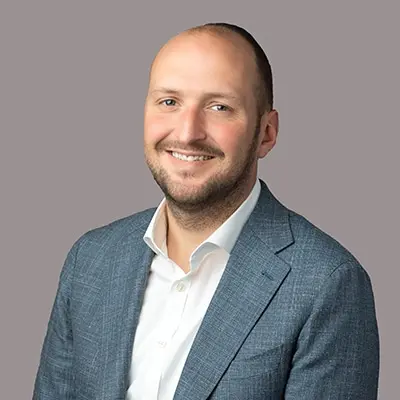
Daniel Schaffer
CEO
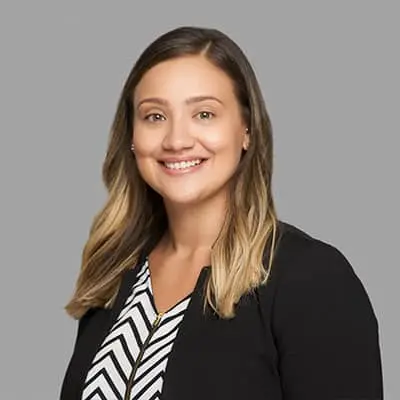
Amanda Timonere, LMHC, NCC, CCMHC, MCAP
Chief Clinical Officer
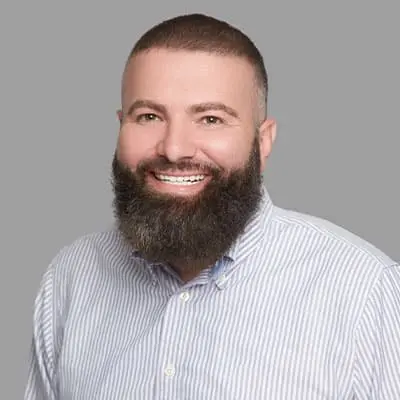
Joel Wishnia
COO
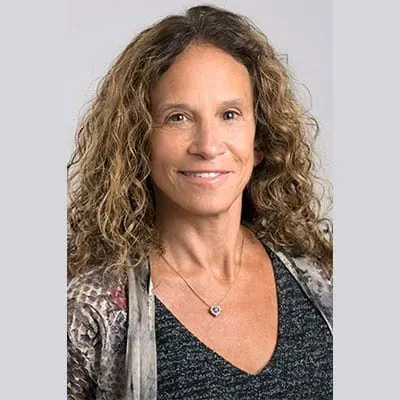
Dr. Tildabeth Doscher, MD, MPH
Medical Director
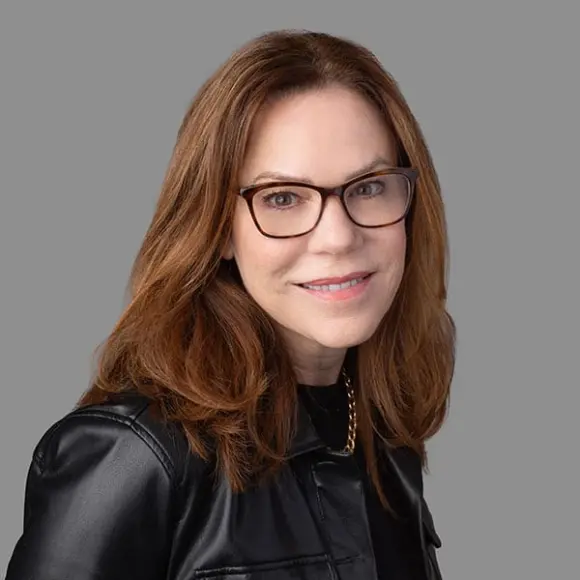
Susan Stallone, LCSW, CASAC
Director of Substance Abuse Counseling
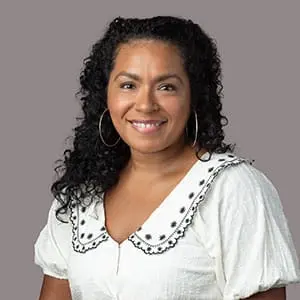
Lorena Donayre, CASAC-T
Director of Operations
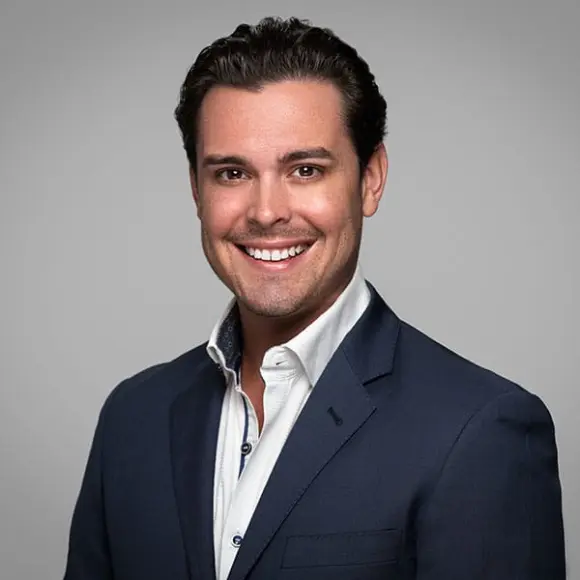
Alex Costa
Chief Marketing Officer
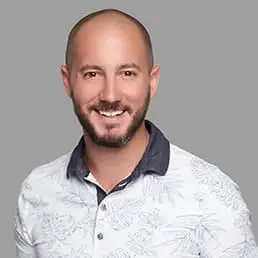
Liam McElwee
Chief Revenue Officer
Accreditations

The Joint Commission, formerly known as JCAHO, is a nonprofit organization that accredits rehab organizations and programs. Founded in 1951, the Joint Commision's mission is to improve the quality of patient care and demonstrating the quality of patient care.
Joint Commission Accreditation: Yes

LegitScript has reviewed Long Island Treatment Center as part of their certification program, and has determined that it meets the LegitScript standards for legality, safety and transparency.
LegitScript verified in
Rehab.com regularly reviews this listing for accuracy but changes may occur between updates. For the most up-to-date information, please contact Long Island Treatment Center.
Contact Information


100 W Nicholai St
Unit 2
Hicksville, NY 11801
Sponsored Helpline


