I took a leap of faith by coming here hoping to beat addiction, and I learned about God and grew stronger in this faith. Family is definitely involved during treatment. Their motto is "Where hope is being restored" and it's so true! Program coordinators are more than willing ...
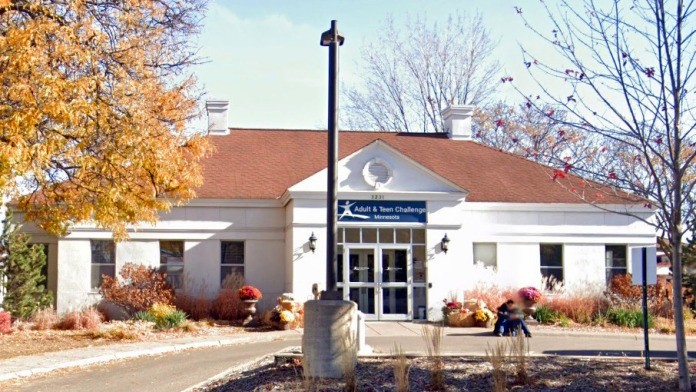
About Minnesota Adult & Teen Challenge – Intake
Their Lakeside Academy program differs from many others in that you can expect your teenage son to address their mental and behavioral issues alongside their addiction problems. The center will ensure your son receives the best care possible from licensed practitioners because it believes that change is possible no matter the addiction or mental health crisis currently faced.
Once you enroll your son, they will undergo individual and group counseling to work on their relapse prevention and recovery skills. They will also receive onsite education, including online, conventional and project based learning in a fun and friendly camp environment.
It’s essential to note that most teens must attend the program for around 12 months, depending on their unique needs. Most parents have found that the longer their teens stay and receive treatment, the better the recovery outcome. You will also have access to your child on weekends and for special occasions, so it is not a no contact situation.
The Department of Health and Human Services has licensed this program. Most insurances are accepted for substance abuse and mental health services.
Facility Overview
Latest Reviews
We are so happy to hear this! Thank you so much for putting your trust in MnTC to help you find freedom from addiction.
Please give us a call at 612-373-3366 and we would be happy to help in any way that we can.
Rehab Score
Gallery
Accepted Insurance
Other Forms of Payment
Private insurance refers to any kind of healthcare coverage that isn't from the state or federal government. This includes individual and family plans offered by an employer or purchased from the Insurance Marketplace. Every plan will have different requirements and out of pocket costs so be sure to get the full details before you start treatment.
Self-pay involves paying for treatment out of your own pocket. You can use savings or credit, get a personal loan, or receive help from family and friends to fund your treatment. If you don't have insurance or your insurance plan doesn't cover a specific program, self-pay can help ensure you still get the care you need.
Financial aid can take many forms. Centers may have grants or scholarships available to clients who meet eligibility requirements. Programs that receive SAMHSA grants may have financial aid available for those who need treatment as well. Grants and scholarships can help you pai for treatment without having to repay.
Medicaid is a state based program that helps lower-income individuals and families pay for healthcare. Medicaid covers addiction treatment so those enrolled can use their coverage to pay for rehab. When a program accepts Medicaid the client often pays very little or nothing out of their own pocket.
Medicare is a federal program that provides health insurance for those 65 and older. It also serves people under 65 with chronic and disabling health challenges. To use Medicare for addiction treatment you need to find a program that accepts Medicare and is in network with your plan. Out of pocket costs and preauthorization requirements vary, so always check with your provider.
Addiction Treatments
Levels of Care
Outpatient rehabs typically provide a full continuum of care both for clients in early recovery and for those who are well advanced in their recovery journey. Their levels of care typically include partial hospitalization (PHP), intensive outpatient (IOP), sober living/halfway housing, and standard outpatient programming. Many outpatient facilities offer evening, night, and weekend services, including addiction counseling and recovery-focused life skills training, to accommodate clients' work and family schedules.
12 step programs support long-term recovery through personal growth. Participants are expected to regularly attend 12 step meetings, which are free, anonymous, and accessible 365 days per year in most communities. They are also mentored by self-selected sponsors who help guide them through the steps of recovery, which are rooted in spiritual principles and designed to foster self-awareness, forgiveness, accountability, and acceptance. Religious affiliation is not required and specialized formats, including age and gender specific meetings, are available.
A drug intervention in Minnesota is a planned effort to persuade an individual to quit using drugs or to enter a treatment program. The intervention may be led by a specialist provided by rehab intervention services. This interventionist should have training in addiction treatment and experience in the mental health profession. Their expertise can prove invaluable in leading the intervention discussion and guiding the family in appropriate next steps.
Clients typically enter inpatient rehab after they complete detox. Inpatient care is also designed for clients who are experiencing a crisis and are at an increased risk of relapse. Clients reside at the treatment center for the duration of their program. Clients engage in intensive addiction counseling, often using CBT, DBT, RBT, motivational interviewing or other proven modalities. Many inpatient rehabs offer recovery-focused life skills training. Evidence-based complementary therapies, such as meditation and yoga, may be included.
Withdrawal from alcohol and drugs can be uncomfortable - even dangerous - without the proper medical supervision. The safest way to remove addictive substances from your body is with a medically supervised detox where a team of on-site medical professionals can monitor your health and progress 24/7, then administer medications (like Suboxone or Vivitrol) if necessary to mitigate symptoms of withdrawal.
Treatments
The goal of treatment for alcoholism is abstinence. Those with poor social support, poor motivation, or psychiatric disorders tend to relapse within a few years of treatment. For these people, success is measured by longer periods of abstinence, reduced use of alcohol, better health, and improved social functioning. Recovery and Maintenance are usually based on 12 step programs and AA meetings.
Drug addiction is defined as an inability to stop using drugs even though it causes negative consequences in your life. Drug rehab in Minnesota provides treatment for drug addiction in a variety of settings including inpatient treatment and outpatient treatment.
Many of those suffering from addiction also suffer from mental or emotional illnesses like schizophrenia, bipolar disorder, depression, or anxiety disorders. Rehab and other substance abuse facilities treating those with a dual diagnosis or co-occurring disorder administer psychiatric treatment to address the person's mental health issue in addition to drug and alcohol rehabilitation.
A combined mental health and substance abuse rehab has the staff and resources available to handle individuals with both mental health and substance abuse issues. It can be challenging to determine where a specific symptom stems from (a mental health issue or an issue related to substance abuse), so mental health and substance abuse professionals are helpful in detangling symptoms and keeping treatment on track.

Opioid rehabs specialize in supporting those recovering from opioid addiction. They treat those suffering from addiction to illegal opioids like heroin, as well as prescription drugs like oxycodone. These centers typically combine both physical as well as mental and emotional support to help stop addiction. Physical support often includes medical detox and subsequent medical support (including medication), and mental support includes in-depth therapy to address the underlying causes of addiction.

Substance abuse treatment programs in Minnesota are designed to support individuals to overcome addiction. These programs employ evidence-based therapies such as cognitive-behavioral therapy (CBT), dialectical behavior therapy (DBT), and eye movement desensitization and reprocessing (EMDR), together with individual and group therapy, and recovery meetings. With a variety of treatment options available, which typically include outpatient, inpatient, dual-diagnosis, and partial hospitalization, you'll be able to find a personalized treatment option that works for your individual needs.
Programs
Adult rehab programs include therapies tailored to each client's specific needs, goals, and recovery progress. They are tailored to the specific challenges adult clients may face, including family and work pressures and commitments. From inpatient and residential treatment to various levels of outpatient services, there are many options available. Some facilities also help adults work through co-occurring conditions, like anxiety, that can accompany addiction.
Teen programs are designed to address the unique pressures teens face, pressures that can drive them to experiment with dangerous, addictive substances. They need programs that meet them exactly where they are and give them tools for long-term recovery. Therapy can help teenagers understand and work through underlying issues so they can reclaim the life ahead of them.
Rehabs for women provide a safe, nurturing space for female clients to heal. These treatment programs consider the specific obstacles that women can face during recovery and place a special emphasis on mental, social, physical, and reproductive health. They explore how each woman's experience has shaped the trajectory of their substance use, addressing issues such as sexual abuse and past trauma.
Clinical Services
Cognitive Behavioral Therapy (CBT) is a therapy modality that focuses on the relationship between one's thoughts, feelings, and behaviors. It is used to establish and allow for healthy responses to thoughts and feelings (instead of unhealthy responses, like using drugs or alcohol). CBT has been proven effective for recovering addicts of all kinds, and is used to strengthen a patient's own self-awareness and ability to self-regulate. CBT allows individuals to monitor their own emotional state, become more adept at communicating with others, and manage stress without needing to engage in substance abuse.
Dialectical behavior therapy focuses on four skills: emotional regulation, mindfulness, acceptance and distress tolerance, and interpersonal effectiveness. Treatment involves individual sessions, as well as group sessions where you can start applying the skills you learn.
When conducting motivational interviewing in Minnesota, the interviewer encourages clients to discuss their reasons for making changes and their need for change in their lives. The interviewer's role is to listen and reflect, to evoke conversation about commitment to change.
Trauma therapy addresses traumatic incidents from a client's past that are likely affecting their present-day experience. Trauma is often one of the primary triggers and potential causes of addiction, and can stem from child sexual abuse, domestic violence, having a parent with a mental illness, losing one or both parents at a young age, teenage or adult sexual assault, or any number of other factors. The purpose of trauma therapy is to allow a patient to process trauma and move through and past it, with the help of trained and compassionate mental health professionals.
Qualified therapists in Minnesota offer individual therapy to men and women so they can receive customized care tailored to their needs. Your therapist works to understand your unique circumstances and provide you with targeted interventions and coping skills essential for long term recovery.
Families in Minnesota use family therapy to understand the roles they play in addiction. Each member plays a role and contributes to a pattern of behavior. Families learn to interact in healthier ways that support each other and contribute to their loved one's journey to recovery.
People benefit from group therapy sessions that offer them the chance to learn and practice conflict resolution skills with their peers. This helps you recognize your strengths and capabilities, which boosts your self confidence as you work toward overcoming addiction and building a healthier lifestyle.
Amenities
-
Residential Setting
-
Private Rooms
-
Day School
Staff & Accreditations
Staff
Christopher Dietzen
Chairman of the Board
Tom Truszinski
CEO
Eagle Vagle
President
Accreditations
The Commission on Accreditation of Rehabilitation Facilities (CARF) is a non-profit organization that specifically accredits rehab organizations. Founded in 1966, CARF's, mission is to help service providers like rehab facilities maintain high standards of care.
CARF Accreditation: Yes
The Joint Commission, formerly known as JCAHO, is a nonprofit organization that accredits rehab organizations and programs. Founded in 1951, the Joint Commision's mission is to improve the quality of patient care and demonstrating the quality of patient care.
Joint Commission Accreditation: Yes
The National Association of Addiction Treatment Providers (NAATP) is a professional association that represents organizations in the field of addiction services. Founded in 1978, NAATP's mission is to advance addiction services and ensure that high-quality addiction treatment is available and accessible.
NAATP Member: Yes
The Substance Abuse and Mental Health Services Administration (SAMHSA) is a branch of the U.S. Department of Health and Human Services. Established in 1992 by congress, SAMHSA's mission is to reduce the impact of substance abuse and mental illness on American's communities.
SAMHSA Listed: Yes
Contact Information
3231 1st Ave S
Minneapolis, MN 55408