






























































































It is a very organized, clean, organized and above all, full of hardworking people who seek the good of others.
About Oxford Treatment Center
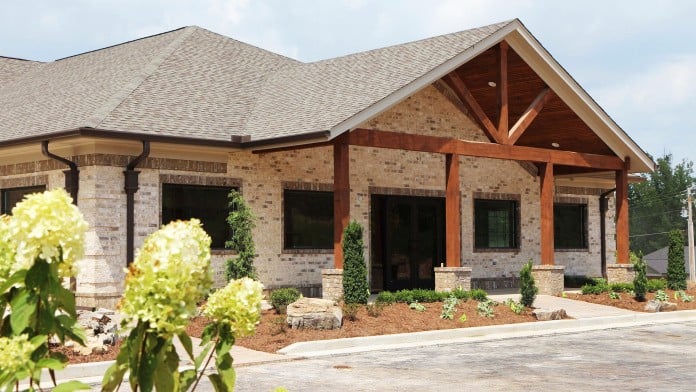
Oxford Treatment Center in Oxford, Mississippi, is a part time drug and alcohol rehab facility for adults. A unique feature is that they have sober living facilities on the same property for those who need extra support. This is an ideal treatment level for those who’ve been through detox, completed a residential program, or aren’t able to be away from home overnight.
You can get addiction medication, trauma informed therapy, solo counseling, as well as group and family therapy. They offer both 12 Step groups and SMART Recovery (which doesn’t include the spiritual aspect).
Part Time Treatment Options in Oxford
I noticed that they offer two levels of treatment. The most intense involves five hours of sessions per day and includes lunch. A step down from that is their intensive outpatient program (IOP) which involves five days of meetings for those in sober living and three for those who travel in for sessions.
Sober Living in the Hills of Northern Mississippi
The Resolutions sober living facility is for those in active treatment at Oxford. You’ll stay in gender-specific apartment style rooms. This is a substance-free safe zone, where you’ll live with others in recovery. There are house managers on the property at all times should you need someone to talk to.
You’ll have access to all you need to do life successfully, including a gym, laundry facilities and free WiFi. You’ll get to relax in the common room in between sessions or play a friendly game of basketball, pickleball, tennis or volleyball.
Latest Reviews
I couldn't have asked for a better Sober Living experience. The sober living homes are beautiful, spacious, clean and comfortable. I am appreciative of the loads of groceries provided for the house, as well as, the freedom given to work a job while there. A house with other women on the path of recovery gave me a sense of community and safety. We were provided transportation to meetings, jobs and Walmart which gave us time to meet others and go shopping. The classes are on the same campus as housing so it was very convenient. We came together as a community and had cookouts, played games and even went bowling. The director, therapist, coordinators and nurses are very understanding and more than willing and committed to helping and guiding us through our recovery progress. This is one of the best Sober Livings around and I would recommend it to anyone interested in changing their lives for the better. Thank you OTC.
Thank you so much for leaving such a great review of Resolutions Oxford Sober Living. We take pride in providing our clients with the high-quality, compassionate care, and appreciate when this is noticed. We truly value your feedback and hope you will stay connected to us through our alumni network for ongoing support.
Best,
Resolutions Oxford Sober Living
Response from the owner3 weeks ago
Hello Blessed,Thank you so much for leaving such a great review of Resolutions Oxford Sober Living. We take pride in providing our clients with the high-quality, compassionate care, and appreciate when this is noticed. We truly value your feedback and hope you will stay connected to us through our alumni network for ongoing support.
Best,
Resolutions Oxford Sober Living
I just completed 83days at resolutions. Life changing experience. Useful classes. Amazing staff. Wonderful therapist. They really care about your recovery. Recommend this place to everyone. If your serious about your recovery.
Thank you for taking the time to leave Resolutions Oxford Sober Living such a positive review. We truly appreciate your feedback and are grateful for your support. Wishing you continued success.
Best,
Resolutions Oxford Sober Living
Response from the owner3 weeks ago
Hello Stephanie ,Thank you for taking the time to leave Resolutions Oxford Sober Living such a positive review. We truly appreciate your feedback and are grateful for your support. Wishing you continued success.
Best,
Resolutions Oxford Sober Living
This place and etta saved my life and got me on back on track. Even after i failed myself once. They took me back in and i got back on track. Now i am in sober living and i am still clean! 5* review. Kiki is an amazing therapist! The staff is great.
Thank you so much for leaving us a review! We are glad to hear about your positive experience with Resolutions Oxford Sober Living.
Best,
Resolutions Oxford Sober Living
Response from the owner3 weeks ago
Hello Adam,Thank you so much for leaving us a review! We are glad to hear about your positive experience with Resolutions Oxford Sober Living.
Best,
Resolutions Oxford Sober Living

Rehab Score
 Our Methodology
Scoring is assigned by a proprietary system which helps surface key metrics that determine quality. The 10-point scale factors in categories such as operations, customer satisfaction, and trust metrics. Read Full Methodology

8 / 10
Gallery
Other Forms of Payment
Private insurance refers to any kind of healthcare coverage that isn't from the state or federal government. This includes individual and family plans offered by an employer or purchased from the Insurance Marketplace. Every plan will have different requirements and out of pocket costs so be sure to get the full details before you start treatment.
Medicare is a federal program that provides health insurance for those 65 and older. It also serves people under 65 with chronic and disabling health challenges. To use Medicare for addiction treatment you need to find a program that accepts Medicare and is in network with your plan. Out of pocket costs and preauthorization requirements vary, so always check with your provider.
Addiction Treatments
Levels of Care
Intensive Outpatient programs are for those who want or need a very structured treatment program but who also wish to live at home and continue with certain responsibilities (such as work or school). IOP substance abuse treatment programs vary in duration and intensity, and certain outpatient rehab centers will offer individualized treatment programs. The IOP group meets three times each week for an average of 10 weeks, with additional individual sessions. The patient will gain a 12-step sponsor and continue in 12-step meetings and aftercare.
Intervention services helps family or friends of addicts stage an intervention, which is a meeting in which loved ones share their concerns and attempt to get an addict into treatment. Professional intervention specialists can help loved ones organize, gather, and communicate with an addict. They can guide intervention participants in describing the damage the addict's behavior is causing and that outside help is necessary to address the addiction. The ideal outcome of an intervention is for the addict to go to rehab and get the help they need.
12-step programs are addiction recovery models based on Alcoholics Anonymous (AA). A number of substance abuse programs (including some drug and alcohol rehab centers) use the 12 steps as a basis for treatment. Beginning steps involve admitting powerlessness over the addiction and creating a spiritual basis for recovery. Middle steps including making direct amends to those who've been hurt by the addiction, and the final step is to assist others in addiction recovery in the same way. 12-Step offshoots including Narcotics Anonymous (NA), Cocaine Anonymous (CA), Dual Recovery Anonymous (DRA), Sex and Love Addicts Anonymous (SLAA) and Gamblers Anonymous (GA).
Completing a drug or alcohol rehab program shouldn't spell the end of substance abuse treatment. Aftercare involves making a sustainable plan for recovery, including ongoing support. This can include sober living arrangements like halfway houses, career counseling, and setting a patient up with community programs like Alcoholics Anonymous (AA) or Narcotics Anonymous (NA).
Treatments
The goal of treatment for alcoholism is abstinence. Those with poor social support, poor motivation, or psychiatric disorders tend to relapse within a few years of treatment. For these people, success is measured by longer periods of abstinence, reduced use of alcohol, better health, and improved social functioning. Recovery and Maintenance are usually based on 12 step programs and AA meetings.
For those seeking help with addiction, a drug rehab in Mississippi offers the necessary care to achieve long-term recovery. Options include inpatient, residential, partial hospitalization, intensive outpatient, and long-term drug rehab in Mississippi.
Many of those suffering from addiction also suffer from mental or emotional illnesses like schizophrenia, bipolar disorder, depression, or anxiety disorders. Rehab and other substance abuse facilities treating those with a dual diagnosis or co-occurring disorder administer psychiatric treatment to address the person's mental health issue in addition to drug and alcohol rehabilitation.
Substance rehabs focus on helping individuals recover from substance abuse, including alcohol and drug addiction (both illegal and prescription drugs). They often include the opportunity to engage in both individual as well as group therapy.
Programs
Adult rehab programs include therapies tailored to each client's specific needs, goals, and recovery progress. They are tailored to the specific challenges adult clients may face, including family and work pressures and commitments. From inpatient and residential treatment to various levels of outpatient services, there are many options available. Some facilities also help adults work through co-occurring conditions, like anxiety, that can accompany addiction.
Young adulthood can be an exciting, yet difficult, time of transition. Individuals in their late teens to mid-20s face unique stressors related to school, jobs, families, and social circles, which can lead to a rise in substance use. Rehab centers with dedicated young adult programs will include activities and amenities that cater to this age group, with an emphasis on specialized counseling, peer socialization, and ongoing aftercare.
Clinical Services
Research clearly demonstrates that recovery is far more successful and sustainable when loved ones like family members participate in rehab and substance abuse treatment. Genetic factors may be at play when it comes to drug and alcohol addiction, as well as mental health issues. Family dynamics often play a critical role in addiction triggers, and if properly educated, family members can be a strong source of support when it comes to rehabilitation.
Group therapy is any therapeutic work that happens in a group (not one-on-one). There are a number of different group therapy modalities, including support groups, experiential therapy, psycho-education, and more. Group therapy involves treatment as well as processing interaction between group members.
In individual therapy, a patient meets one-on-one with a trained psychologist or counselor. Therapy is a pivotal part of effective substance abuse treatment, as it often covers root causes of addiction, including challenges faced by the patient in their social, family, and work/school life.
Amenities
-
 Private Setting
Staff & Accreditations
Staff
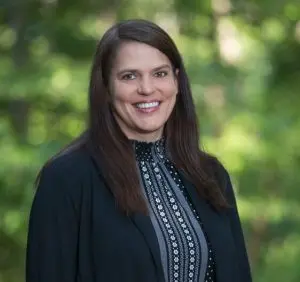
Paige Havens, M.Ed., NCC, LPC
Facility Executive Director

Dr. Lucas Trautman
Medical Director
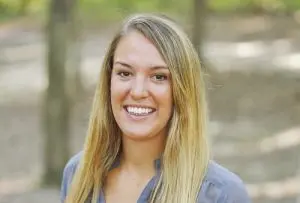
Tori Ossenheimer, MS, CTRS
Assistant Clinical Director

Amy Kannada, MHA, CADC
Director of Admissions

Vernon Robinson
Director of Operations
Accreditations

The Commission on Accreditation of Rehabilitation Facilities (CARF) is a non-profit organization that specifically accredits rehab organizations. Founded in 1966, CARF's, mission is to help service providers like rehab facilities maintain high standards of care.
CARF Accreditation: Yes
Rehab.com regularly reviews this listing for accuracy but changes may occur between updates. For the most up-to-date information, please contact Oxford Treatment Center.
Contact Information

611 Commerce Parkway
Oxford, MS 38655
Get Help Now - 662-305-9094
Sponsored Helpline
Sponsored Helpline


