






























































































I was at Pacific shore recovery in 2024. I intended to do a 90 day program, but after 90 days I still needed help. They worked with me and extended my stay for another two months. I have been clean and sober now for over two years. I couldn’t have done it without the awes ...
About Pacific Shores Sober Living
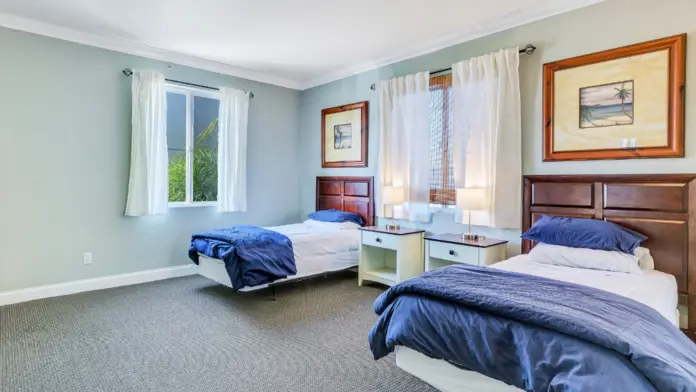
You’ll have access to a mixture of evidence-based therapies and holistic treatment approaches. For many recovering individuals, treatment starts with detox. You’ll be supported by medical detox under the care of trained medical professionals through 24-hour supervision. As you move through detox, you’ll have access to nutrition and exercise therapy to further support your transition into a sober life. Their center is near the beach, shopping centers, and nature trails.
As you exit detox, an individualized treatment plan will be developed for you, connecting you with the right treatment program to meet your needs. Through both outpatient and residential treatment, you’ll have access to individual and group counseling and skills development. The residential treatment program offers luxury amenities that allow you to focus on yourself as you begin building healthy habits for lasting sobriety.
Pacific Shores Sober Living Homes stands out in that you’ll move through your recovery in a supportive environment and are encouraged to build relationships with your care team, peers, and family so that you have a network of support to rely on both during and after your treatment.
Latest Reviews
My experience has been great. I started in the residential program and successfully transitioned into sober living. The environment has positive energy, and the people here have been very supportive. The House Coordinator, Sammy, has been a tremendous help throughout my transition and recovery journey. I am now attending school and working nearby, which has allowed me to stay focused on my recovery and continue moving forward in a positive direction. I’m grateful for the support and opportunities this program has provided me.
Ginger Archer
Reviewed on 04/16/2026
I was at Pacific shore recovery in 2024. I intended to do a 90 day program, but after 90 days I still needed help. They worked with me and extended my stay for another two months. I have been clean and sober now for over two years. I couldn’t have done it without the awesome staff. Everybody was welcoming and friendly, and very knowledgeable and met all my needs.
Even today I can reach out to them if I have a problem and they’re always there to help.
If I was ever to relapse, I know who to call with no judgment.
The staff here are incredible! Shout out to Ms. Keisha who made such an Impact on my life and my recovery! They treat you with respect, compassion, and understanding every step of the way. I was really nervous and anxious when I first arrived but all the staff made sure all my concerns and issues were taken seriously and addressed. This really put my mind at ease and confident in how things are operated here. They hold you accountable while also supporting you when things get tough. You can tell they genuinely care about each individual. I felt seen and heard here, which made all the difference in my recovery. They run a great program that I would highly recommend for anyone seeking inpatient treatment, detox or sober living. Thank you for everything Pacific Shores!

Rehab Score
 Our Methodology
Scoring is assigned by a proprietary system which helps surface key metrics that determine quality. The 10-point scale factors in categories such as operations, customer satisfaction, and trust metrics. Read Full Methodology

8.4 / 10
Gallery

Accepted Insurance
Other Forms of Payment
Self-pay involves paying for treatment out of your own pocket. You can use savings or credit, get a personal loan, or receive help from family and friends to fund your treatment. If you don't have insurance or your insurance plan doesn't cover a specific program, self-pay can help ensure you still get the care you need.
Financial aid can take many forms. Centers may have grants or scholarships available to clients who meet eligibility requirements. Programs that receive SAMHSA grants may have financial aid available for those who need treatment as well. Grants and scholarships can help you pai for treatment without having to repay.
Military members, veterans, and eligible dependents have access to specific insurance programs that help them get the care they need. TRICARE and VA insurance can help you access low cost or no cost addiction and mental health treatment. Programs that accept military insurance often have targeted treatment focused on the unique challenges military members, veterans, and their families face.
Addiction Treatments
Levels of Care
Clients receiving treatment at an outpatient rehab typically do not require hospitalization or intensive supervision and support. Outpatient addiction counseling and recovery education are often offered during the morning, evening, night, and weekend, allowing clients to tailor treatment to their own schedule. Partial hospitalization (PHP) and intensive outpatient (IOP) programs are the most time-intensive and are designed for clients who are at an increased relapse risk and/or who need more robust therapeutic support.
Inpatient rehab provides intensive treatment for clients exiting detox, those in early recovery, and those at an elevated risk of relapse. Unlike outpatient drug rehab, clients receiving inpatient care reside at the facility for the duration of the program. The length of stay may range from two weeks to 18 months or more, depending on the client's needs and the program's design. Inpatient treatment typically involves extensive addiction education and recovery-focused life skills training.
Intensive outpatient programs (IOP) support a client's sustained sobriety as they exit detox or step down from an inpatient program. IOPs are also designed for clients who are at an elevated risk of relapse. Intensive outpatient treatment typically requires clients to engage in a minimum of nine hours of therapy per week, but clients may receive up to 20 therapeutic hours weekly. IOP treatment modalities often combine psychotherapy, recovery-focused life skills training, and medication assisted treatment (MAT).
Rehab aftercare programs offer clients in addiction recovery a robust continuum of care after clients have completed active treatment. These services address recovery as a life-long process and are designed to evolve with clients' changing needs. Clients may partner with their case managers and/or addiction recovery team to identify the rehab aftercare services that are right for them. They may receive career counseling, housing assistance, peer coaching, 12 step program induction, among many other services.
Sober Living Houses (SLHs), aka sober homes or halfway houses, are safe, substance-free, supportive living facilities for those recovering from substance abuse. Ideal for those who've just been through inpatient or outpatient treatment, SLHs are supervised environments with rules that support sobriety, such as curfews, shared chores, and therapeutic meetings. Residents are also often trained on life skills and coping skills to make it easier to transition into society. SLHs also provide a strong sense of community that can lead to the kind of deep and lasting connections with other sober individuals that supports a new, healthy lifestyle.
When an individual is in denial about their substance use disorder, their loved ones may organize a drug intervention in California. This effort involves gently but assertively confronting the individual about their substance use and sharing how it has affected those who care about them. A professional interventionist may also attend this gathering. Their expertise with intervention services can prove helpful in guiding the conversation to a positive result.
Treatments
The goal of treatment for alcoholism is abstinence. Those with poor social support, poor motivation, or psychiatric disorders tend to relapse within a few years of treatment. For these people, success is measured by longer periods of abstinence, reduced use of alcohol, better health, and improved social functioning. Recovery and Maintenance are usually based on 12 step programs and AA meetings.
Drug rehab in California teaches participants constructive ways to stay clean and sober. Treatment revolves around helping individuals stop using the substance they are addicted to and learn healthy habits to avoid relapse.
Opioid rehabs specialize in supporting those recovering from opioid addiction. They treat those suffering from addiction to illegal opioids like heroin, as well as prescription drugs like oxycodone. These centers typically combine both physical as well as mental and emotional support to help stop addiction. Physical support often includes medical detox and subsequent medical support (including medication), and mental support includes in-depth therapy to address the underlying causes of addiction.
Substance rehabs focus on helping individuals recover from substance abuse, including alcohol and drug addiction (both illegal and prescription drugs). They often include the opportunity to engage in both individual as well as group therapy.
Programs
Adult rehab programs include therapies tailored to each client's specific needs, goals, and recovery progress. They are tailored to the specific challenges adult clients may face, including family and work pressures and commitments. From inpatient and residential treatment to various levels of outpatient services, there are many options available. Some facilities also help adults work through co-occurring conditions, like anxiety, that can accompany addiction.
Young adulthood can be an exciting, yet difficult, time of transition. Individuals in their late teens to mid-20s face unique stressors related to school, jobs, families, and social circles, which can lead to a rise in substance use. Rehab centers with dedicated young adult programs will include activities and amenities that cater to this age group, with an emphasis on specialized counseling, peer socialization, and ongoing aftercare.
Clinical Services
Cognitive Behavioral Therapy (CBT) is a therapy modality that focuses on the relationship between one's thoughts, feelings, and behaviors. It is used to establish and allow for healthy responses to thoughts and feelings (instead of unhealthy responses, like using drugs or alcohol). CBT has been proven effective for recovering addicts of all kinds, and is used to strengthen a patient's own self-awareness and ability to self-regulate. CBT allows individuals to monitor their own emotional state, become more adept at communicating with others, and manage stress without needing to engage in substance abuse.
While participating in dialectical behavior therapy in California, you'll focus on four key areas of skill development: mindfulness, interpersonal effectiveness, emotion regulation, and distress tolerance. Treatment includes weekly individual and group sessions.
Group therapy is any therapeutic work that happens in a group (not one-on-one). There are a number of different group therapy modalities, including support groups, experiential therapy, psycho-education, and more. Group therapy involves treatment as well as processing interaction between group members.
In individual therapy, a patient meets one-on-one with a trained psychologist or counselor. Therapy is a pivotal part of effective substance abuse treatment, as it often covers root causes of addiction, including challenges faced by the patient in their social, family, and work/school life.
Trauma therapy is a structured approach used by therapists to help you heal from a past traumatic event. Your therapist works with you to identify the traumatic memory and process the information so you experience emotional healing and a sense of safety and stability.
The goal of couples therapy in California is to strengthen the couple's relationship. The therapist may take one or more approaches to counseling which may include the Gottman method, emotionally focused therapy, behavioral therapy, and psychodynamic couple's therapy.
Research clearly demonstrates that recovery is far more successful and sustainable when loved ones like family members participate in rehab and substance abuse treatment. Genetic factors may be at play when it comes to drug and alcohol addiction, as well as mental health issues. Family dynamics often play a critical role in addiction triggers, and if properly educated, family members can be a strong source of support when it comes to rehabilitation.
Life skills trainings involve all the skills a person must have in order to function successfully in the world. These include time management, career guidance, money management, and effective communication. Truly successful addiction recovery is based on the ability to not only live substance-free, but to thrive. Life skills teaches the practical necessities of functioning in society, which sets clients up for success in life, and therefore sobriety.
Substances can prevent the absorption of nutrients and cause damage to your body's systems. Nutrition therapy in California addresses the deficiencies in vitamins and minerals that are caused by substance abuse.
Recreational therapy is included in alcohol and drug addiction treatment to focus on engaging you in healthy activities that reduce your cravings and improve your overall health and well being. When you participate in group sports, art, or nature walks, you develop new interests and find a meaningful way to spend your time and reduce your cravings.
The goal of creative arts therapy in California is to encourage growth and transformation. It can be used in individual and group settings with both children and adults. Options include movement, music, and painting.
Amenities
-
 Yoga Studio
 -
 Residential Setting
 -
 Private Rooms
 -
 Mountain Views
Staff & Accreditations
Staff
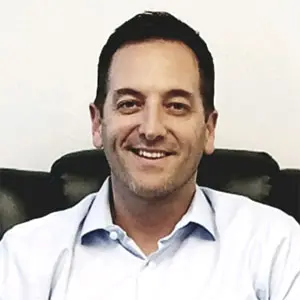
Mike Kelly, DNP, Dr.
Psychiatric Director
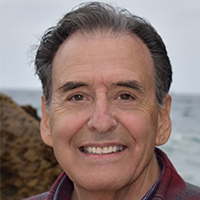
Brad Kingma
Clinical Supervisor
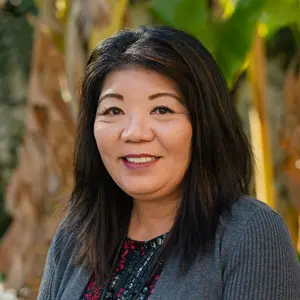
Shelley Dyvig
Admissions Director
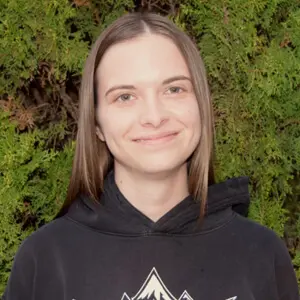
Laura
Marketing Director

Adriana Alvarez
Case Manager
Accreditations

The Joint Commission, formerly known as JCAHO, is a nonprofit organization that accredits rehab organizations and programs. Founded in 1951, the Joint Commision's mission is to improve the quality of patient care and demonstrating the quality of patient care.
Joint Commission Accreditation: Yes
Rehab.com regularly reviews this listing for accuracy but changes may occur between updates. For the most up-to-date information, please contact Pacific Shores Sober Living.
Contact Information

492 Orange Avenue
Newport Beach, CA 92663
Get Help Now - 949-484-8743
Sponsored Helpline
Sponsored Helpline



