





























































































About Compass Health Network
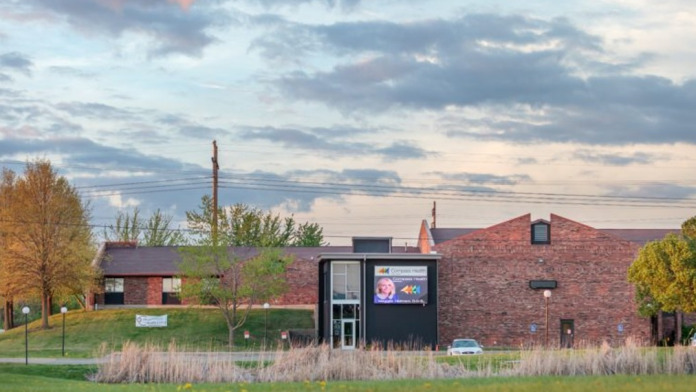
Located in Higginsville, Missouri is the Clinton Compass Health Network Clinic. This clinic provides supportive care to adults and adolescents who are struggling with their mental health or have struggled with substance use.
There are counseling and psychiatric services for children and adults. Their psychological assessments and testing allow you to get a diagnosis so that you can begin receiving the appropriate treatment for your mental health and substance use struggles.
There are adult addiction outpatient treatment programs that blend counseling, therapy, and skills development so that you can lay the groundwork for a healthy and sober life.
Wraparound Medical and Mental Health Support
One of the major benefits of seeking care here is that you’ll also find support for other medical health needs you might have. There is dental care and pediatric and family medicine offered in this clinic as well. Offering these services all under one roof makes it easier for you to revive comprehensive, integrative care for all ailments you’re experiencing.
Along with clinical care, you’ll also be supported through services that will help you improve relationships with friends and loved ones. There are also employment services and education support where you’ll learn the skills to lead a productive life.
Through these programs, you’ll be empowered and will find renewed hope to overcome the challenges you’re facing.
Substance Awareness Traffic Offender Program (SATOP)
There is a Substance Awareness Traffic Offender Program offered here if you’re navigating the legal system because of drug or alcohol related charges. This program allows you to work towards reinstating lost driving privileges while receiving addiction education services.
Latest Reviews



Rehab Score
 Our Methodology


Gallery
Other Forms of Payment
Private insurance refers to any kind of healthcare coverage that isn't from the state or federal government. This includes individual and family plans offered by an employer or purchased from the Insurance Marketplace. Every plan will have different requirements and out of pocket costs so be sure to get the full details before you start treatment.
Self-pay involves paying for treatment out of your own pocket. You can use savings or credit, get a personal loan, or receive help from family and friends to fund your treatment. If you don't have insurance or your insurance plan doesn't cover a specific program, self-pay can help ensure you still get the care you need.
Financial aid can take many forms. Centers may have grants or scholarships available to clients who meet eligibility requirements. Programs that receive SAMHSA grants may have financial aid available for those who need treatment as well. Grants and scholarships can help you pai for treatment without having to repay.
Sliding scale payments are based on a client's income and family size. The goal is to make treatment affordable to everyone. By taking these factors into account, addiction recovery care providers help ensure that your treatment does not become a financial burden to you or your family, eliminating one barrier to care.
Medicare is a federal program that provides health insurance for those 65 and older. It also serves people under 65 with chronic and disabling health challenges. To use Medicare for addiction treatment you need to find a program that accepts Medicare and is in network with your plan. Out of pocket costs and preauthorization requirements vary, so always check with your provider.
Medicaid is a state based program that helps lower-income individuals and families pay for healthcare. Medicaid covers addiction treatment so those enrolled can use their coverage to pay for rehab. When a program accepts Medicaid the client often pays very little or nothing out of their own pocket.
Military members, veterans, and eligible dependents have access to specific insurance programs that help them get the care they need. TRICARE and VA insurance can help you access low cost or no cost addiction and mental health treatment. Programs that accept military insurance often have targeted treatment focused on the unique challenges military members, veterans, and their families face.
Addiction Treatments
Levels of Care
Outpatient rehab enables clients to continue to work, attend school, or reside at home while undergoing treatment, including addiction counseling and recovery-focused life skills training. Evening, night, and weekend sessions are available at many facilities to ensure continuous access to care on the client's schedule. Many centers also offer ancillary services, such as career coaching and peer mentoring, to promote clients' sustained recovery and community integration. Higher-level outpatient treatment, including intensive outpatient (IOP) care, is also widely available.
Inpatient rehabs provide a safe, supportive environment for clients to focus on their recovery secure from outside distractions, stressors, and triggers. Clients receive housing, meals, and intensive clinical supervision. They also engage in extensive addiction counseling, often including group and family therapy. Many programs prioritize recovery-focused life skills training to support clients' reintegration into their home, workplace, school, and community. Evidence-based holistic therapies, such as yoga, acupuncture, meditation, hypnotherapy, or animal therapy, may also be provided.
Rehab aftercare programs offer continuing care for clients in the maintenance phase of recovery and are designed to evolve over time. Outpatient treatment is generally categorized as drug rehab aftercare, but many clients continue to receive services after being discharged from formal care. These services are customized to clients' unique recovery goals, but typically include medical, mental health, and social services. Clients' case manager and recovery team play a key role in developing the client's care plan.
Due to the potential for severe withdrawal symptoms, it is important to detox in a facility with 24-hour clinical care in Missouri. Most people experience some form of withdrawal symptoms, and this setting offers medical professionals who are on site 24/7 to provide any necessary treatment. This supervision makes the detox process safer and less painful and improves the likelihood of a successful recovery.
Treatments
Mental health rehabs focus on helping individuals recover from mental illnesses like bipolar disorder, clinical depression, anxiety disorders, schizophrenia, and more. Mental health professionals at these facilities are trained to understand and treat mental health issues, both in individual and group settings.
Programs
Adult rehab programs include therapies tailored to each client's specific needs, goals, and recovery progress. They are tailored to the specific challenges adult clients may face, including family and work pressures and commitments. From inpatient and residential treatment to various levels of outpatient services, there are many options available. Some facilities also help adults work through co-occurring conditions, like anxiety, that can accompany addiction.
Young adulthood can be an exciting, yet difficult, time of transition. Individuals in their late teens to mid-20s face unique stressors related to school, jobs, families, and social circles, which can lead to a rise in substance use. Rehab centers with dedicated young adult programs will include activities and amenities that cater to this age group, with an emphasis on specialized counseling, peer socialization, and ongoing aftercare.
Serving in the military is both mentally and physically challenging, and can result in trauma that persists even after combat ends. Military programs are tailored to the specific and often complex needs of active duty personnel, veterans, and military families. Clients often access these programs through the U.S. Department of Veterans Affairs (VA).
Clinical Services
Within a trauma therapy environment, you have a structured approach to healing from past traumatic events that you witnessed or experienced. You are guided to understand your response and then develop healthier coping skills and mechanisms that Foster greater empowerment and recovery.
Amenities
-
 Residential Setting
 -
 Private Rooms
Staff & Accreditations
Staff
Tim Swinfard
President & CEO
Gloria Miller
Executive VP, Chief Behavioral Health Officer
Alan Stevens
Executive VP, COO
Peter Lyskowski
Executive VP, Chief Administrative Officer
Jake Krafve
Executive VP, CFO
Dr. Katherine Friedebach
Executive VP, Chief Medical Officer
Diane Coletta
Senior VP of Human Resources
Mayme Sloan
Executive VP, Compliance & Quality & General Counsel
Accreditations

The Commission on Accreditation of Rehabilitation Facilities (CARF) is a non-profit organization that specifically accredits rehab organizations. Founded in 1966, CARF's, mission is to help service providers like rehab facilities maintain high standards of care.
CARF Accreditation: Yes
Rehab.com regularly reviews this listing for accuracy but changes may occur between updates. For the most up-to-date information, please contact Compass Health Network.
Contact Information


1800 Community Dr
Clinton, MO 64735
Sponsored Helpline



