





























































































About Riverside Life Skills Center
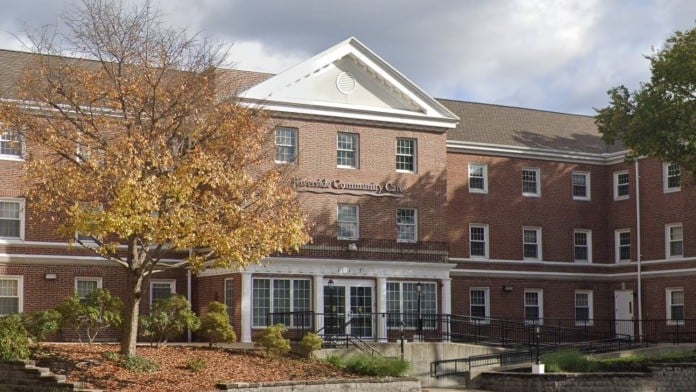
Riverside Life Skills Center is a structured therapeutic day program in Somerville, Massachusetts providing mental health treatment for adolescents ages 12 to 18 facing significant emotional, psychiatric and home, school and community challenges.
The program blends clinical care with family engagement and academic coordination.
As part of Riverside Community Care, a Massachusetts nonprofit, the center delivers evidence based and community focused support designed to help teens build resilience and long term stability.
Adolescent Mental Health Programs
Care follows a group and milieu therapy model, with each adolescent assigned a primary clinician and an individualized action plan.
Youth living within driving distance can access services after completing a Life Skills application and a Massachusetts Department of Mental Health application.
Teens can expect therapies such as dialectical behavioral therapy, cognitive behavioral therapy and anger management, expressive therapies and social skills building.
Somerville also offers the specialized LARRY framework, supporting youth experiencing psychosis or clinical high risk, alongside family meetings and coordination with schools and community partners.
Key Features
- Location: 117 Summer Street in Somerville, Massachusetts for youth within driving distance
- Program type: Structured therapeutic day program for adolescents ages 12 to 18
- Who they treat: Teens with anxiety and depression, mood disorders and PTSD, psychotic disorders and co-occurring conditions
- Approach: DBT, CBT and expressive therapies, family involvement and academic support
- Payment options: Managed Care, Medicaid, Medicare and MassHealth; DMH eligibility required
- Unique feature: The LARRY framework for youth with psychosis or clinical high risk
Latest Reviews



Rehab Score
 Our Methodology


Gallery
Other Forms of Payment
Medicaid is a state based program that helps lower-income individuals and families pay for healthcare. Medicaid covers addiction treatment so those enrolled can use their coverage to pay for rehab. When a program accepts Medicaid the client often pays very little or nothing out of their own pocket.
Medicare is a federal program that provides health insurance for those 65 and older. It also serves people under 65 with chronic and disabling health challenges. To use Medicare for addiction treatment you need to find a program that accepts Medicare and is in network with your plan. Out of pocket costs and preauthorization requirements vary, so always check with your provider.
Private insurance refers to any kind of healthcare coverage that isn't from the state or federal government. This includes individual and family plans offered by an employer or purchased from the Insurance Marketplace. Every plan will have different requirements and out of pocket costs so be sure to get the full details before you start treatment.
Self-pay involves paying for treatment out of your own pocket. You can use savings or credit, get a personal loan, or receive help from family and friends to fund your treatment. If you don't have insurance or your insurance plan doesn't cover a specific program, self-pay can help ensure you still get the care you need.
Addiction Treatments
Levels of Care
Outpatient Programs (OP) are for those seeking mental rehab or drug rehab, but who also stay at home every night. The main difference between outpatient treatment (OP) and intensive outpatient treatment (IOP) lies in the amount of hours the patient spends at the facility. Most of the time an outpatient program is designed for someone who has completed an inpatient stay and is looking to continue their growth in recovery. Outpatient is not meant to be the starting point, it is commonly referred to as aftercare.
Intervention services helps family or friends of addicts stage an intervention, which is a meeting in which loved ones share their concerns and attempt to get an addict into treatment. Professional intervention specialists can help loved ones organize, gather, and communicate with an addict. They can guide intervention participants in describing the damage the addict's behavior is causing and that outside help is necessary to address the addiction. The ideal outcome of an intervention is for the addict to go to rehab and get the help they need
Treatments
Many of those suffering from addiction also suffer from mental or emotional illnesses like schizophrenia, bipolar disorder, depression, or anxiety disorders. Rehab and other substance abuse facilities treating those with a dual diagnosis or co-occurring disorder administer psychiatric treatment to address the person's mental health issue in addition to drug and alcohol rehabilitation.
Mental health rehabs focus on helping individuals recover from mental illnesses like bipolar disorder, clinical depression, anxiety disorders, schizophrenia, and more. Mental health professionals at these facilities are trained to understand and treat mental health issues, both in individual and group settings.
Clinical Services
Cognitive Behavioral Therapy (CBT) is a therapy modality that focuses on the relationship between one's thoughts, feelings, and behaviors. It is used to establish and allow for healthy responses to thoughts and feelings (instead of unhealthy responses, like using drugs or alcohol). CBT has been proven effective for recovering addicts of all kinds, and is used to strengthen a patient's own self-awareness and ability to self-regulate. CBT allows individuals to monitor their own emotional state, become more adept at communicating with others, and manage stress without needing to engage in substance abuse.
Dialectical Behavior Therapy (DBT) is a modified form of Cognitive Behavioral Therapy (CBT), a treatment designed to help people understand and ultimately affect the relationship between their thoughts, feelings, and behaviors. DBT is often used for individuals who struggle with self-harm behaviors, such as self-mutilation (cutting) and suicidal thoughts, urges, or attempts. It has been proven clinically effective for those who struggle with out-of-control emotions and mental health illnesses like Borderline Personality Disorder.
Eating disorders include anorexia, bulimia, binge eating, and dysfunctional eating patterns. Many psychologists and other mental health professionals consider eating disorders to be food addictions, meaning food is being used in an addictive way (similar to drug or alcohol addiction). Certain substance abuse treatment programs will have treatment for eating disorders as one of the services offered. An eating disorder may also present as a co-occuring disorder or dual diagnosis alongside drug and alcohol addiction.
Research clearly demonstrates that recovery is far more successful and sustainable when loved ones like family members participate in rehab and substance abuse treatment. Genetic factors may be at play when it comes to drug and alcohol addiction, as well as mental health issues. Family dynamics often play a critical role in addiction triggers, and if properly educated, family members can be a strong source of support when it comes to rehabilitation.
Group therapy is any therapeutic work that happens in a group (not one-on-one). There are a number of different group therapy modalities, including support groups, experiential therapy, psycho-education, and more. Group therapy involves treatment as well as processing interaction between group members.
In individual therapy, a patient meets one-on-one with a trained psychologist or counselor. Therapy is a pivotal part of effective substance abuse treatment, as it often covers root causes of addiction, including challenges faced by the patient in their social, family, and work/school life.
Life skills trainings involve all the skills a person must have in order to function successfully in the world. These include time management, career guidance, money management, and effective communication. Truly successful addiction recovery is based on the ability to not only live substance-free, but to thrive. Life skills teaches the practical necessities of functioning in society, which sets clients up for success in life, and therefore sobriety.
Trauma therapy addresses traumatic incidents from a client's past that are likely affecting their present-day experience. Trauma is often one of the primary triggers and potential causes of addiction, and can stem from child sexual abuse, domestic violence, having a parent with a mental illness, losing one or both parents at a young age, teenage or adult sexual assault, or any number of other factors. The purpose of trauma therapy is to allow a patient to process trauma and move through and past it, with the help of trained and compassionate mental health professionals.
Staff
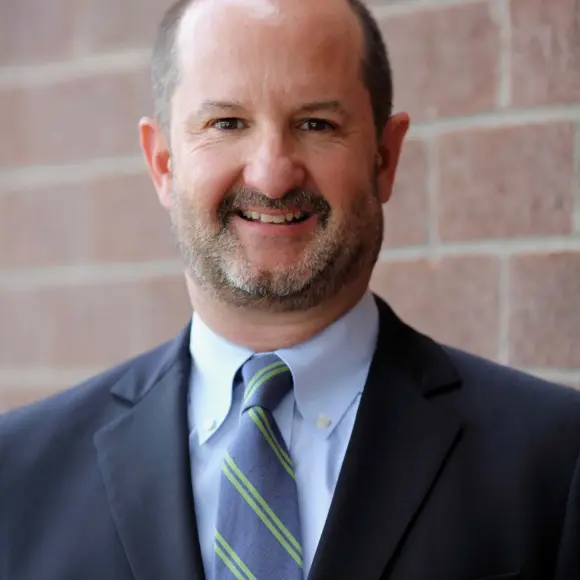
Vicker V. DiGravio III
President & CEO

Patrick Chilcott
Chief Financial Officer
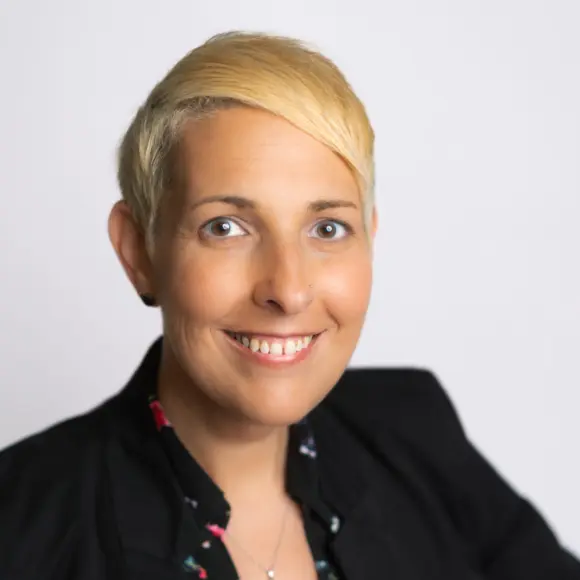
Kim Fisher
Chief Behavioral Health Strategy Officer

Paulo Fulton
Executive Vice President

Joseph Shrand
Chief Medical Officer
Rehab.com regularly reviews this listing for accuracy but changes may occur between updates. For the most up-to-date information, please contact Riverside Life Skills Center.
Contact Information


117 Summer Street
Somerville, MA 02143
Sponsored Helpline


