






























































































Here, you are able to excel and rediscover yourself over and over again! There was definitely some spiritual growth inside their treatment
About Serenity House of Gary Inc
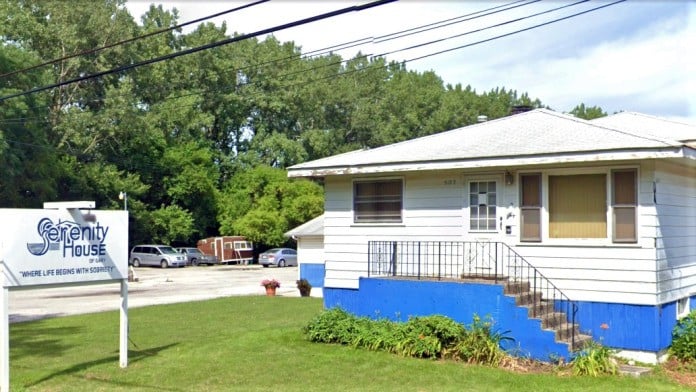
Serenity House of Gary is a non-profit halfway house for adults recovering from addictions in Gary, Indiana. As a community-based organization, they offer help to all, regardless of sexual orientation, HIV status, ethnicity, religion, race or disability.
Men and women are treated in separate facilities. You can expect to stay at the home for a minimum of 90 days. If you don’t feel ready to face regular life commitments after that, you can stay on for as long as 6 months.
Find a Haven in a Recovery Community In Northwest Indiana
One thing I appreciate about this halfway house is that they’ve created a supportive environment. Those who live there become like family as they learn healthy communication skills. They’re taught healthy coping skills and the life skills they need to create a life for themselves and their families.
Online Orientation for Residential Care in Gary
If you’re thinking of joining their residential programs, they have weekly video calls for orientation. Video calls are a great way to get the information you need as you can ask questions and get answers straight away.
Hybrid Veterans Support Group in Lake County
I noticed that they run a Veterans Support Group that is both in person and online. This approach means they can help those who aren’t able to come to the meetings. Veterans need a different recovery approach to help them work through their experiences. Being with peers helps them know they’re not alone, get the support they need, and find freedom from addiction.
Facility Overview
 107
107 Number of Available Beds
Latest Reviews
Miraculous ! SERENITY Help save my life.
Serenity House gave me the tools I needed to be sober today. Great people, great meetings. Anyone who’s suffering from the disease of addiction should call Serenity House! Very inexpensive and they’ll work with you if sobriety is what you want!!!!!
Their doing GOD-S work.

Rehab Score
 Our Methodology
Scoring is assigned by a proprietary system which helps surface key metrics that determine quality. The 10-point scale factors in categories such as operations, customer satisfaction, and trust metrics. Read Full Methodology

6.8 / 10
Gallery
Other Forms of Payment
Self-pay involves paying for treatment out of your own pocket. You can use savings or credit, get a personal loan, or receive help from family and friends to fund your treatment. If you don't have insurance or your insurance plan doesn't cover a specific program, self-pay can help ensure you still get the care you need.
Addiction Treatments
Levels of Care
Inpatient rehab provides intensive, round-the-clock care and is designed primarily for clients who have just completed detox, those in early recovery, and those at an increased risk of relapse. Inpatient treatment typically includes extensive psychotherapy that draws on various modalities like cognitive behavioral therapy (CBT) and motivational interviewing. Clients also learn the recovery-focused life skills needed to promote sustained recovery. Many inpatient drug rehabs also offer evidence-based holistic therapies like meditation, yoga, massage, and experiential therapy.
Clients receiving support in a rehab aftercare program have completed inpatient care and may also be preparing to exit formal outpatient care. Outpatient services are typically categorized as rehab aftercare, but these services often continue beyond the cessation of formal treatment. Rehab aftercare services are designed to promote life-long recovery through comprehensive, wraparound care, which may include medical, mental health, and social services. These programs are usually created in collaboration with the client's case manager and care team.
Sober Living Houses (SLHs), aka sober homes or halfway houses, are safe, substance-free, supportive living facilities for those recovering from substance abuse. Ideal for those who've just been through inpatient or outpatient treatment, SLHs are supervised environments with rules that support sobriety, such as curfews, shared chores, and therapeutic meetings. Residents are also often trained on life skills and coping skills to make it easier to transition into society. SLHs also provide a strong sense of community that can lead to the kind of deep and lasting connections with other sober individuals that supports a new, healthy lifestyle.
Treatments
The goal of treatment for alcoholism is abstinence. Those with poor social support, poor motivation, or psychiatric disorders tend to relapse within a few years of treatment. For these people, success is measured by longer periods of abstinence, reduced use of alcohol, better health, and improved social functioning. Recovery and Maintenance are usually based on 12 step programs and AA meetings.
For long-term recovery from drug addiction, drug rehab in Indiana is often key. This treatment gives individuals who are struggling with a substance use disorder the tools to manage their disorder and achieve long-term sobriety.
Opioid rehabs specialize in supporting those recovering from opioid addiction. They treat those suffering from addiction to illegal opioids like heroin, as well as prescription drugs like oxycodone. These centers typically combine both physical as well as mental and emotional support to help stop addiction. Physical support often includes medical detox and subsequent medical support (including medication), and mental support includes in-depth therapy to address the underlying causes of addiction.
Substance rehabs focus on helping individuals recover from substance abuse, including alcohol and drug addiction (both illegal and prescription drugs). They often include the opportunity to engage in both individual as well as group therapy.
Programs
Adult rehab programs include therapies tailored to each client's specific needs, goals, and recovery progress. They are tailored to the specific challenges adult clients may face, including family and work pressures and commitments. From inpatient and residential treatment to various levels of outpatient services, there are many options available. Some facilities also help adults work through co-occurring conditions, like anxiety, that can accompany addiction.
Young adulthood can be an exciting, yet difficult, time of transition. Individuals in their late teens to mid-20s face unique stressors related to school, jobs, families, and social circles, which can lead to a rise in substance use. Rehab centers with dedicated young adult programs will include activities and amenities that cater to this age group, with an emphasis on specialized counseling, peer socialization, and ongoing aftercare.
Recovery is most successful when clients feel accepted and validated by their peers and treatment providers. Facilities that offer LGBTQ-inclusive programming are committed to creating a safe space where everyone can grow and recover without fear of judgment or discrimination. They will have dedicated policies in place to create a safe and supportive environment that fosters free expression.
Clinical Services
Group therapy is any therapeutic work that happens in a group (not one-on-one). There are a number of different group therapy modalities, including support groups, experiential therapy, psycho-education, and more. Group therapy involves treatment as well as processing interaction between group members.
In individual therapy, a patient meets one-on-one with a trained psychologist or counselor. Therapy is a pivotal part of effective substance abuse treatment, as it often covers root causes of addiction, including challenges faced by the patient in their social, family, and work/school life.
The goal of family therapy in Indiana is to empower family members to effectively support their loved one's recovery. Therapists work with family members to develop the skills needed to manage stress and resolve conflicts successfully. This fosters a positive environment that is conducive to long term sobriety.
Life skills trainings involve all the skills a person must have in order to function successfully in the world. These include time management, career guidance, money management, and effective communication. Truly successful addiction recovery is based on the ability to not only live substance-free, but to thrive. Life skills teaches the practical necessities of functioning in society, which sets clients up for success in life, and therefore sobriety.
Amenities
-
 Residential Setting
 -
 Private Rooms
Staff
Mark Buschbacher
President/CEO
Donna Rennard, LCPC, CAADC, MISA II, QHEIC, EMDR
Clinical Director
Regina Williams
Director of Operations
Kristin Hammer, CADC
Counselor
Rehab.com regularly reviews this listing for accuracy but changes may occur between updates. For the most up-to-date information, please contact Serenity House of Gary Inc.
Contact Information

5157 Harrison St
Gary, IN 46408
Get Help Now - 219-250-4974
Sponsored Helpline
Sponsored Helpline



