






























































































In my opinion they have the wrong treatment's approach, they should be the ones who should adapt to the needs of every patient not the other way around. I felt like they were trying to make me became in something I am not.
About Solutions Retreat
Solutions Retreat provides residential addiction treatment for men in Nashville, Tennessee specializing in alcoholism, drug addiction and co-occurring mental health conditions.
The program offers individualized one-on-one care using modalities like EMDR, CBT, motivational interviewing and psychodrama, with a strong focus on veterans and clients navigating trauma or PTSD.
Solutions Retreat believes meaningful recovery happens through deep personalized work rather than lecture halls or crowded group rooms.
Personalized Men’s Addiction Treatment
Solutions Retreat includes intensive, one-on-one residential treatment for men struggling with substance use and co-occurring disorders.
Both short-term and long-term residential options are available in a private setting near Radnor Lake blending Nashville access with a quieter, more natural environment.
Treatment is built around the center’s proprietary Experience-Recovery model which combines experiential activities with evidence-based therapies like CBT, DBT, EMDR and trauma processing.
Veteran-Focused Trauma and PTSD Care
Solutions Retreat also has a specific niche serving veterans, active duty military and military families dealing with PTSD, trauma, and addiction.
The program offers dedicated trauma processing, anxiety and depression work and chronic pain support, all delivered within a private residential environment designed to foster healing.
Latest Reviews
Solutions Retreat was great for my recovery and positivity in all aspects of my life. The exclusivity and personal attention I received at Solutions Retreat was a major factor in the success I had there, and the success I'm continuing to have in my sobriety today. Not only was their program great for learning and building the tools needed in my life to maintain my sobriety, but they also helped me tremendously with my legal issues. I would be in jail right now if it wasn't for Solutions Retreat. Their expertise and the time they invested helping me with my legal issues far surpassed all my expectations. I highly recommend them.
PS- and the food was great also :)
Hearing how the exclusive, personalized one-on-one attention and our tailored program helped you build the essential tools for long-term recovery means the world to our entire team. We're especially touched by your kind words about the extraordinary support with your legal issues—our commitment goes far beyond standard addiction treatment because we truly care about removing every barrier to your success. Knowing our expertise and dedicated time investment helped keep you out of a much darker place and contributed to where you are today fills us with immense pride.
It's wonderful to hear the great food added a little extra comfort and enjoyment during your stay too— we believe recovery should feel supportive in every way possible! 😊
Your continued success in sobriety is the greatest testament to the work we do together, and we're here for you anytime you need ongoing encouragement or resources. Thank you again for trusting us with your recovery and for taking the time to share your experience—it inspires everyone at Solutions Retreat and helps other men seeking real, life-changing help find their path.
Wishing you strength, joy, and many more positive days ahead!
With sincere appreciation, The Solutions Retreat Team Nashville, TN | solutionsretreat.org Proudly serving men in alcoholism rehab, addiction recovery, PTSD treatment, and holistic sobriety support.
Response from the owner3 weeks ago
Thank you so much for your 5-star review! We're truly honored and deeply grateful that Solutions Retreat played such a meaningful role in your journey to lasting sobriety and renewed positivity across every aspect of your life.Hearing how the exclusive, personalized one-on-one attention and our tailored program helped you build the essential tools for long-term recovery means the world to our entire team. We're especially touched by your kind words about the extraordinary support with your legal issues—our commitment goes far beyond standard addiction treatment because we truly care about removing every barrier to your success. Knowing our expertise and dedicated time investment helped keep you out of a much darker place and contributed to where you are today fills us with immense pride.
It's wonderful to hear the great food added a little extra comfort and enjoyment during your stay too— we believe recovery should feel supportive in every way possible! 😊
Your continued success in sobriety is the greatest testament to the work we do together, and we're here for you anytime you need ongoing encouragement or resources. Thank you again for trusting us with your recovery and for taking the time to share your experience—it inspires everyone at Solutions Retreat and helps other men seeking real, life-changing help find their path.
Wishing you strength, joy, and many more positive days ahead!
With sincere appreciation, The Solutions Retreat Team Nashville, TN | solutionsretreat.org Proudly serving men in alcoholism rehab, addiction recovery, PTSD treatment, and holistic sobriety support.
The best thing I’ve ever done for myself and my family – no question.
Earlier this year, after my third DUI and hitting the lowest point of my life (I almost lost my kids), I spent 28 days at Solutions Retreat. I showed up scared, ashamed, and still kind of drunk. From the very first minute, every staff member treated me like a real person who was worth helping – not just another paycheck or a headache.
Here’s what makes Solutions Retreat different and actually works:
_ Real treatment that’s based on real life experience not theory: No boring lectures. I worked one-on-one with guys who really know addiction (my main counselor had 22 years of experience and actually listened to me).
_ They did trauma therapy called EMDR that finally made the craziness in my head quiet down. Lots of private sessions where you can’t hide, but you never feel judged or attacked.
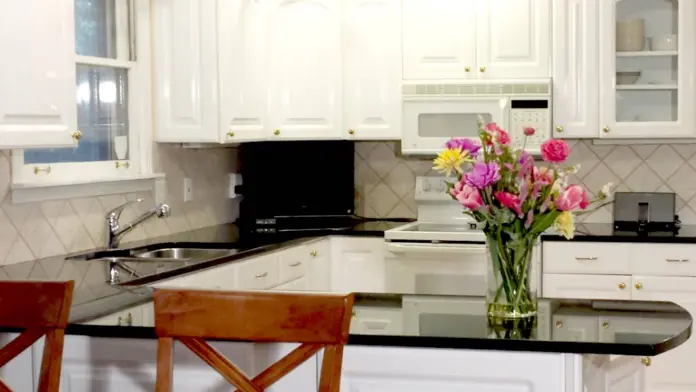
_ The place is right across the street from a big wildlife preserve. Deer and wild turkeys walk right through the front yard. I never once felt locked up or like a prisoner.
_ The food is honestly better than most restaurants (I’m a professional chef and I gained 10 healthy pounds). Everything is fresh and made from scratch every day. They handled my gluten allergy with no fuss at all.
_ The whole property is beautiful and calm. It felt like a peaceful getaway where you heal, not some strict jail-like commercial rehab.
_ They plan your aftercare really well. Before I left, they already hooked me up with a sponsor, and they still call to check on me every month.
If you or someone you love is struggling with alcohol or drugs, stop searching. Solutions Retreat gave me my life back and taught me how to keep it that way.
Thank you, Dan and Jerry.
I 1000% recommend Solutions Retreat to anyone who’s finally ready to get sober for real.
I’m a very grateful dad now, a sober son, and – for the first time in years – a decent husband again.
We truly appreciate your feedback—it helps us keep improving. Overcoming alcoholism is tough, and we’re fully committed to giving each man the personalized, one-on-one care he needs to get sober and stay sober.
If you ever have questions or need anything, please reach out anytime. We’re here for you, today and long after you leave.
Your sobriety matters to us.
Response from the owner3 weeks ago
Thank you for your review and for trusting us with your recovery.We truly appreciate your feedback—it helps us keep improving. Overcoming alcoholism is tough, and we’re fully committed to giving each man the personalized, one-on-one care he needs to get sober and stay sober.
If you ever have questions or need anything, please reach out anytime. We’re here for you, today and long after you leave.
Your sobriety matters to us.
Solutions Retreat is one of the best Recovery tools a person looking to recover can choose. Dan (owner/councilor) gives honest and helpful advice on coping with life sober. This place offers a open refrigerator anytime of the day or night . You can attend outside meetings and also have house meetings. The average is 14 days but Dan will push to get you more time if you desire. This isn't a cookie cutter rehab , it's a unique experience that will stick with you long after you leave.
You described it perfectly—this isn’t a “cookie-cutter” program. Our small, all-male, inpatient alcohol and drug addiction treatment here in Nashville, Tennessee is built around each client’s individual needs. Whether it’s having 24/7 access to the kitchen (because recovery shouldn’t mean being hungry at 3 a.m.!), attending outside AA/NA meetings in the community, daily in-house process groups, or extending past the initial 14 days when someone is ready for more time, everything is tailored to help you build a solid foundation for long-term sobriety.
We’re especially grateful you mentioned how the experience “sticks with you long after you leave.” That’s exactly what we strive for—real, lasting change through experiential therapy and honest conversation instead of lectures and endless worksheets.
Wishing you continued success and serenity on your journey. Please don’t hesitate to reach out anytime—our door (and the refrigerator) is always open to alumni!
Warm regards,
Dan
Owner & Counselor
Solutions Retreat
Nashville, Tennessee
1-615-682-0029
solutionsretreat.org
Response from the owner3 weeks ago
Thank you so much for taking the time to share your experience! We’re truly honored to hear that Solutions Retreat played an important role in your recovery journey and that the honest, real-world approach made a lasting difference.You described it perfectly—this isn’t a “cookie-cutter” program. Our small, all-male, inpatient alcohol and drug addiction treatment here in Nashville, Tennessee is built around each client’s individual needs. Whether it’s having 24/7 access to the kitchen (because recovery shouldn’t mean being hungry at 3 a.m.!), attending outside AA/NA meetings in the community, daily in-house process groups, or extending past the initial 14 days when someone is ready for more time, everything is tailored to help you build a solid foundation for long-term sobriety.
We’re especially grateful you mentioned how the experience “sticks with you long after you leave.” That’s exactly what we strive for—real, lasting change through experiential therapy and honest conversation instead of lectures and endless worksheets.
Wishing you continued success and serenity on your journey. Please don’t hesitate to reach out anytime—our door (and the refrigerator) is always open to alumni!
Warm regards,
Dan
Owner & Counselor
Solutions Retreat
Nashville, Tennessee
1-615-682-0029
solutionsretreat.org

Rehab Score
 Our Methodology
Scoring is assigned by a proprietary system which helps surface key metrics that determine quality. The 10-point scale factors in categories such as operations, customer satisfaction, and trust metrics. Read Full Methodology

6.4 / 10
Gallery
Other Forms of Payment
Private insurance refers to any kind of healthcare coverage that isn't from the state or federal government. This includes individual and family plans offered by an employer or purchased from the Insurance Marketplace. Every plan will have different requirements and out of pocket costs so be sure to get the full details before you start treatment.
Self-pay involves paying for treatment out of your own pocket. You can use savings or credit, get a personal loan, or receive help from family and friends to fund your treatment. If you don't have insurance or your insurance plan doesn't cover a specific program, self-pay can help ensure you still get the care you need.
Sliding scale payments are based on a client's income and family size. The goal is to make treatment affordable to everyone. By taking these factors into account, addiction recovery care providers help ensure that your treatment does not become a financial burden to you or your family, eliminating one barrier to care.
Addiction Treatments
Levels of Care
Residential treatment programs are those that offer housing and meals in addition to substance abuse treatment. Rehab facilities that offer residential treatment allow patients to focus solely on recovery, in an environment totally separate from their lives. Some rehab centers specialize in short-term residential treatment (a few days to a week or two), while others solely provide treatment on a long-term basis (several weeks to months). Some offer both, and tailor treatment to the patient's individual requirements.
Treatments
The goal of treatment for alcoholism is abstinence. Those with poor social support, poor motivation, or psychiatric disorders tend to relapse within a few years of treatment. For these people, success is measured by longer periods of abstinence, reduced use of alcohol, better health, and improved social functioning. Recovery and Maintenance are usually based on 12 step programs and AA meetings.
When your day-to-day life is taken over by drug use, this is known as substance use disorder. If you abruptly stop using your drug of choice, you experience withdrawal symptoms. To overcome this cycle, professional drug rehab in Tennessee is usually needed.
Substance rehabs focus on helping individuals recover from substance abuse, including alcohol and drug addiction (both illegal and prescription drugs). They often include the opportunity to engage in both individual as well as group therapy.
Programs
Adult rehab programs include therapies tailored to each client's specific needs, goals, and recovery progress. They are tailored to the specific challenges adult clients may face, including family and work pressures and commitments. From inpatient and residential treatment to various levels of outpatient services, there are many options available. Some facilities also help adults work through co-occurring conditions, like anxiety, that can accompany addiction.
Young adulthood can be an exciting, yet difficult, time of transition. Individuals in their late teens to mid-20s face unique stressors related to school, jobs, families, and social circles, which can lead to a rise in substance use. Rehab centers with dedicated young adult programs will include activities and amenities that cater to this age group, with an emphasis on specialized counseling, peer socialization, and ongoing aftercare.
Serving in the military is both mentally and physically challenging, and can result in trauma that persists even after combat ends. Military programs are tailored to the specific and often complex needs of active duty personnel, veterans, and military families. Clients often access these programs through the U.S. Department of Veterans Affairs (VA).
Clinical Services
Experiential therapy is a form of therapy in which clients are encouraged to surface and work through subconscious issues by engaging in real-time experiences. Experiential therapy departs from traditional talk therapy by involving the body, and having clients engage in activities, movements, and physical and emotional expression. This can involve role-play or using props (which can include other people). Experiential therapy can help people process trauma, memories, and emotion quickly, deeply, and in a lasting fashion, leading to substantial and impactful healing.
Research clearly demonstrates that recovery is far more successful and sustainable when loved ones like family members participate in rehab and substance abuse treatment. Genetic factors may be at play when it comes to drug and alcohol addiction, as well as mental health issues. Family dynamics often play a critical role in addiction triggers, and if properly educated, family members can be a strong source of support when it comes to rehabilitation.
Group therapy is any therapeutic work that happens in a group (not one-on-one). There are a number of different group therapy modalities, including support groups, experiential therapy, psycho-education, and more. Group therapy involves treatment as well as processing interaction between group members.
In individual therapy, a patient meets one-on-one with a trained psychologist or counselor. Therapy is a pivotal part of effective substance abuse treatment, as it often covers root causes of addiction, including challenges faced by the patient in their social, family, and work/school life.
Trauma therapy addresses traumatic incidents from a client's past that are likely affecting their present-day experience. Trauma is often one of the primary triggers and potential causes of addiction, and can stem from child sexual abuse, domestic violence, having a parent with a mental illness, losing one or both parents at a young age, teenage or adult sexual assault, or any number of other factors. The purpose of trauma therapy is to allow a patient to process trauma and move through and past it, with the help of trained and compassionate mental health professionals.
Amenities
-
 Private Setting
Staff
Daniel J Schweihs
Executive Director
Rehab.com regularly reviews this listing for accuracy but changes may occur between updates. For the most up-to-date information, please contact Solutions Retreat.
Contact Information

5405 Forest Acres Drive
Nashville, TN 37220
Get Help Now - 615-437-0407
Sponsored Helpline
Sponsored Helpline

