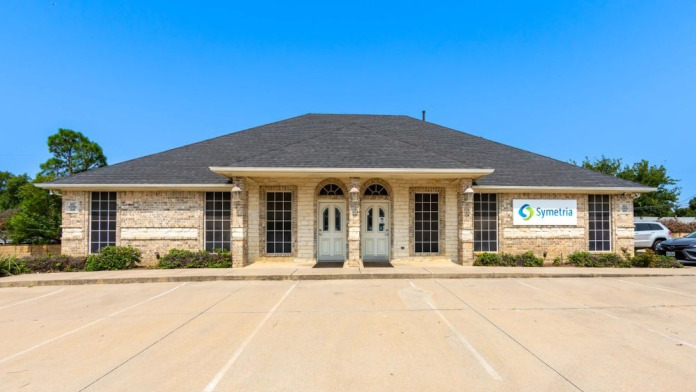
Symetria — Hurst Outpatient Rehab & Suboxone Clinic
1
Top 10 Rehab Centers In Hurst



















































































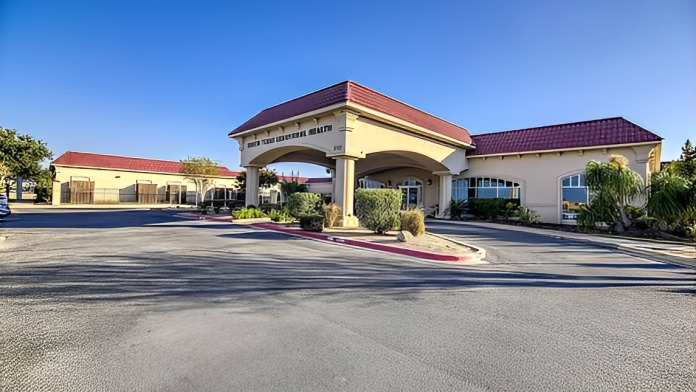
South Texas Health System Behavioral is a hospital-based behavioral health and addiction treatment center in Edinburg, Texas offering a full continuum of care for all ages. With customized treatment planning and a multidisciplinary team the facility focuses on safe stabilization and lasting recovery.
Care often begins with medically supervised detoxification followed by inpatient treatment for mental health and substance use disorders in a structured and supportive environment.
Clients can step down into a partial hospitalization program (PHP) or an intensive outpatient program (IOP) for continued support while returning home. Patients can expect counseling focused on coping skills, relapse prevention, and recovery.
The chemical dependency program also addresses co-occurring disorders treating substance use alongside conditions such as depression and anxiety.

 Our Methodology


Private insurance refers to any kind of healthcare coverage that isn't from the state or federal government. This includes individual and family plans offered by an employer or purchased from the Insurance Marketplace. Every plan will have different requirements and out of pocket costs so be sure to get the full details before you start treatment.
Self-pay involves paying for treatment out of your own pocket. You can use savings or credit, get a personal loan, or receive help from family and friends to fund your treatment. If you don't have insurance or your insurance plan doesn't cover a specific program, self-pay can help ensure you still get the care you need.
Financial aid can take many forms. Centers may have grants or scholarships available to clients who meet eligibility requirements. Programs that receive SAMHSA grants may have financial aid available for those who need treatment as well. Grants and scholarships can help you pai for treatment without having to repay.
Medicare is a federal program that provides health insurance for those 65 and older. It also serves people under 65 with chronic and disabling health challenges. To use Medicare for addiction treatment you need to find a program that accepts Medicare and is in network with your plan. Out of pocket costs and preauthorization requirements vary, so always check with your provider.
Military members, veterans, and eligible dependents have access to specific insurance programs that help them get the care they need. TRICARE and VA insurance can help you access low cost or no cost addiction and mental health treatment. Programs that accept military insurance often have targeted treatment focused on the unique challenges military members, veterans, and their families face.
Medicaid is a state based program that helps lower-income individuals and families pay for healthcare. Medicaid covers addiction treatment so those enrolled can use their coverage to pay for rehab. When a program accepts Medicaid the client often pays very little or nothing out of their own pocket.
Outpatient Programs (OP) are for those seeking mental rehab or drug rehab, but who also stay at home every night. The main difference between outpatient treatment (OP) and intensive outpatient treatment (IOP) lies in the amount of hours the patient spends at the facility. Most of the time an outpatient program is designed for someone who has completed an inpatient stay and is looking to continue their growth in recovery. Outpatient is not meant to be the starting point, it is commonly referred to as aftercare.
Residential treatment programs are those that offer housing and meals in addition to substance abuse treatment. Rehab facilities that offer residential treatment allow patients to focus solely on recovery, in an environment totally separate from their lives. Some rehab centers specialize in short-term residential treatment (a few days to a week or two), while others solely provide treatment on a long-term basis (several weeks to months). Some offer both, and tailor treatment to the patient's individual requirements.
Commonly known as "day treatment," a partial hospitalization program (PHP) offers intensive addiction treatment while allowing you to return home each day. It can serve as an alternative to inpatient hospitalization or as a step-down option. Depending on your needs, PHP treatment typically averages 90 days with a weekly requirement of 6-8 hours a day. PHP treatment offers a variety of therapeutic interventions such as individual counseling, group therapy, and psychoeducation. Oftentimes PHP treatment can be fully covered by insurance.
Many of those suffering from addiction also suffer from mental or emotional illnesses like schizophrenia, bipolar disorder, depression, or anxiety disorders. Rehab and other substance abuse facilities treating those with a dual diagnosis or co-occurring disorder administer psychiatric treatment to address the person's mental health issue in addition to drug and alcohol rehabilitation.
Mental health rehabs focus on helping individuals recover from mental illnesses like bipolar disorder, clinical depression, anxiety disorders, schizophrenia, and more. Mental health professionals at these facilities are trained to understand and treat mental health issues, both in individual and group settings.
Adult rehab programs include therapies tailored to each client's specific needs, goals, and recovery progress. They are tailored to the specific challenges adult clients may face, including family and work pressures and commitments. From inpatient and residential treatment to various levels of outpatient services, there are many options available. Some facilities also help adults work through co-occurring conditions, like anxiety, that can accompany addiction.
Recovery is most successful when clients feel accepted and validated by their peers and treatment providers. Facilities that offer LGBTQ-inclusive programming are committed to creating a safe space where everyone can grow and recover without fear of judgment or discrimination. They will have dedicated policies in place to create a safe and supportive environment that fosters free expression.
Serving in the military is both mentally and physically challenging, and can result in trauma that persists even after combat ends. Military programs are tailored to the specific and often complex needs of active duty personnel, veterans, and military families. Clients often access these programs through the U.S. Department of Veterans Affairs (VA).
Cognitive Behavioral Therapy (CBT) is a therapy modality that focuses on the relationship between one's thoughts, feelings, and behaviors. It is used to establish and allow for healthy responses to thoughts and feelings (instead of unhealthy responses, like using drugs or alcohol). CBT has been proven effective for recovering addicts of all kinds, and is used to strengthen a patient's own self-awareness and ability to self-regulate. CBT allows individuals to monitor their own emotional state, become more adept at communicating with others, and manage stress without needing to engage in substance abuse.
Group therapy is any therapeutic work that happens in a group (not one-on-one). There are a number of different group therapy modalities, including support groups, experiential therapy, psycho-education, and more. Group therapy involves treatment as well as processing interaction between group members.
In individual therapy, a patient meets one-on-one with a trained psychologist or counselor. Therapy is a pivotal part of effective substance abuse treatment, as it often covers root causes of addiction, including challenges faced by the patient in their social, family, and work/school life.
Whether a marriage or other committed relationship, an intimate partnership is one of the most important aspects of a person's life. Drug and alcohol addiction affects both members of a couple in deep and meaningful ways, as does rehab and recovery. Couples therapy and other couples-focused treatment programs are significant parts of exploring triggers of addiction, as well as learning how to build healthy patterns to support ongoing sobriety.
Research clearly demonstrates that recovery is far more successful and sustainable when loved ones like family members participate in rehab and substance abuse treatment. Genetic factors may be at play when it comes to drug and alcohol addiction, as well as mental health issues. Family dynamics often play a critical role in addiction triggers, and if properly educated, family members can be a strong source of support when it comes to rehabilitation.
When used as recommended, nicotine replacement therapy in Texas provides enough nicotine to help you avoid severe cravings and withdrawal symptoms after quitting smoking. This increases comfort so you're less likely to relapse into your smoking habit.
CEO ,STHS Edinburg & STHS Children’s
CEO, STHS Behavioral
Chief of Medical Staff
Vice Chief of Medical Staff
Rehab.com regularly reviews this listing for accuracy but changes may occur between updates. For the most up-to-date information, please contact South Texas Health System Behavioral.

2102 West Trenton Road
Edinburg, TX 78539
Sponsored Helpline

(Update: They over medicated my son for years, I’m talking 5 different types of prescriptions.. Even though he is underweight and having other health issues. He is now an adult who is addicted to prescribed medication. While in there, they are forced to take whatever is prescribed to them no matter if it makes them feel sick… until the doctor approves otherwise. I now beg the hospital staff to transfer my son to DHR instead… where they care for his well being and actually prescribe him vitamins, and only one or two prescription… that target his actual problems. Please be careful with this place. Seriously.) I really thought this place was a safe place for my kid to feel better and get some type of encouragement. After a few times of my son being admitted there.. these ppl opened up a CPS case against me. For being honest with these ppl and actually taking action to help my son with his suicidal ideation we wind up getting in trouble! Now my son has been threatened to be removed from my home if he ever tried to step a foot in this place. So... if he ever self harms or has suicidal thoughts I will have to seek help elsewhere. It’s a very sad thing. Instead of these people helping us they’ve put a huge burden on my family. My son is now fearful of being removed from my care. So on top of struggling to cope with his emotions these people have made him feel even more hopeless. We will continue to seek help from counselors and doctors who do not directly work with the state. The judgement and the lack of understanding is insane. Everyone is different and not every kid has a bad past. These people put you in a box and manipulate the situation. I do not recommend this place anymore. Sad to say at one point I really thought this place was helpful.

I was a patient there plenty of time and they trrest me very well I love this place and the staff are amazing 👏 🤩 and well done with my treatment

Yadel was my nurse my time at the facility and she treated me like what i am a human, not just a patient thank you ma’am!

Dr Joseph is holding my husband hostage and threatens him tpo if he puts in a 4 hour letter!! He’s been there past the 72 hours! He wants out and this man is threatening him!!! Will be filing a complaint with the boards and The Joint commission!
 Back
Back
Sharing your insights and experiences can help others learn more about this rehab center.