






























































































SelfRefind has given me the tools and knowledge to get and stay clean for years. With effort, determination and a yearning for a better life, anyone can change with their help. We are not alone here. The staff helps you clear the mind of doubts and reservations.
About Spero Health – Suboxone and Vivitrol
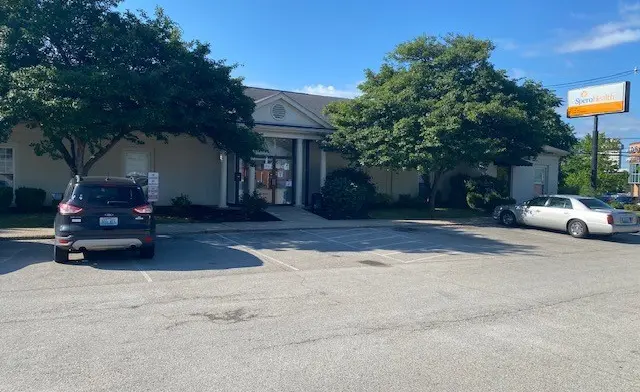
This clinic is located 8 miles east of downtown Louisville. When coming from the downtown area just head east on I-64 E and take exit 10 for Cannons Ln. Turn left onto Cannons Ln and then right onto Dupont Rd. You’ll find the facility on the left. It’s about 15 to 20 minutes of driving.
You can also access the location via Louisville’s Transit Authority of River City’s public bus system. This makes it easy for people from St. Matthews, Jeffersontown and Anchorage to access as well. Keep in mind that bus schedules may vary.
You can visit this local clinic to get screened and assessed if you or your loved one is having opioid use issues. Their experienced addiction medicine provider will create a personalized recovery plan based on your assessed needs. This plan will include the right FDA approved meds to support your recovery. The clinic prescribes Suboxone and Vivitrol for this purpose.
These meds help you manage withdrawal symptoms and alleviate your cravings. Follow up appointments may involve counseling to help you handle the psychological and emotional aspects of your opioid use. They even offer family counseling and educational resources to help loved ones understand addiction, improve communication and support your healing journey.
They may also assist you in finding a job, stable housing and educational opportunities. This is all while helping you develop recovery skills for sustained healing. It’s a 360 degree approach to care that lets you continue working and caring for your families.
This approach is approved by ASAM as the most effective in treating addiction to opioids and other substances. Spero Health accepts Medicaid and commercial insurance.
Latest Reviews
Great staff. Meets needs
I have been blessed with every aspect of my experience at Spero. The staff are amazing. They're compassionate, non-judgmental, and supportive. Courtney, Chelsey, and Valerie are especially great. I don't know what they get paid but they deserve a raise. The doctors and counselors also go above and beyond. Rebekah and Jaimie truly care and the entire staff has given me hope for the first time in a long time. Bless you Spero. Thank you for saving me.
Response from the owner1 week ago
We greatly appreciate your review, John! The Spero Health team in Louisville are delighted to offer addiction treatment services to individuals facing challenges in the region. We welcome new patients daily, all of whom have made the decision to start their recovery journey with us. It brings us joy to learn about your positive experience with our services, and we hope that your story serves as an inspiration to others, encouraging them to take the first step towards their own path to recovery.
Its good for a clinic

Rehab Score
 Our Methodology
Scoring is assigned by a proprietary system which helps surface key metrics that determine quality. The 10-point scale factors in categories such as operations, customer satisfaction, and trust metrics. Read Full Methodology

7.5 / 10
Gallery
Accepted Insurance
Other Forms of Payment
Private insurance refers to any kind of healthcare coverage that isn't from the state or federal government. This includes individual and family plans offered by an employer or purchased from the Insurance Marketplace. Every plan will have different requirements and out of pocket costs so be sure to get the full details before you start treatment.
Self-pay involves paying for treatment out of your own pocket. You can use savings or credit, get a personal loan, or receive help from family and friends to fund your treatment. If you don't have insurance or your insurance plan doesn't cover a specific program, self-pay can help ensure you still get the care you need.
Financial aid can take many forms. Centers may have grants or scholarships available to clients who meet eligibility requirements. Programs that receive SAMHSA grants may have financial aid available for those who need treatment as well. Grants and scholarships can help you pai for treatment without having to repay.
Medicare is a federal program that provides health insurance for those 65 and older. It also serves people under 65 with chronic and disabling health challenges. To use Medicare for addiction treatment you need to find a program that accepts Medicare and is in network with your plan. Out of pocket costs and preauthorization requirements vary, so always check with your provider.
Medicaid is a state based program that helps lower-income individuals and families pay for healthcare. Medicaid covers addiction treatment so those enrolled can use their coverage to pay for rehab. When a program accepts Medicaid the client often pays very little or nothing out of their own pocket.
Military members, veterans, and eligible dependents have access to specific insurance programs that help them get the care they need. TRICARE and VA insurance can help you access low cost or no cost addiction and mental health treatment. Programs that accept military insurance often have targeted treatment focused on the unique challenges military members, veterans, and their families face.
Addiction Treatments
Levels of Care
Outpatient Programs (OP) are for those seeking mental rehab or drug rehab, but who also stay at home every night. The main difference between outpatient treatment (OP) and intensive outpatient treatment (IOP) lies in the amount of hours the patient spends at the facility. Most of the time an outpatient program is designed for someone who has completed an inpatient stay and is looking to continue their growth in recovery. Outpatient is not meant to be the starting point, it is commonly referred to as aftercare.
Rehab aftercare programs ensure clients' access to continuing care after the completion of intensive inpatient treatment. Outpatient care is often considered a component of drug rehab aftercare, but most clients continue to receive support services after being discharged from formal treatment. Service portfolios are customized to clients' unique and evolving needs and are often designed in collaboration with clients' case managers and care teams. Peer coaching, career counseling, relapse prevention, and 12 step program induction are standard.
Intervention services provide an experienced professional to guide families through a drug intervention in Kentucky. The interventionist starts with an introduction, then acts as a mediator as family members share their concerns with the substance user. This addiction expert can then guide the family in appropriate next steps based on the outcome of the intervention. They can offer ongoing support for the intervention process, whether the individual chooses treatment or not.
Drug and alcohol addiction often takes a heavy toll on one's body. Over time, a physical dependence can develop, meaning the body physiologically needs the substance to function. Detox is the process of removing drugs and/or alcohol from the body, a process that can be lethal if mismanaged. Medical detox is done by licensed medical professionals who monitor vital signs and keep you safe, healthy, and as comfortable as possible as you go through detox and withdrawal.
Treatments
The goal of treatment for alcoholism is abstinence. Those with poor social support, poor motivation, or psychiatric disorders tend to relapse within a few years of treatment. For these people, success is measured by longer periods of abstinence, reduced use of alcohol, better health, and improved social functioning. Recovery and Maintenance are usually based on 12 step programs and AA meetings.
Drug rehab in Kentucky often starts with detox, then includes inpatient or outpatient treatment, and continues with aftercare support. Specific methods used during each of these phases varies, but often include individual and group counseling, medication, and recreational therapies.
A combined mental health and substance abuse rehab has the staff and resources available to handle individuals with both mental health and substance abuse issues. It can be challenging to determine where a specific symptom stems from (a mental health issue or an issue related to substance abuse), so mental health and substance abuse professionals are helpful in detangling symptoms and keeping treatment on track.
Opioid rehabs specialize in supporting those recovering from opioid addiction. They treat those suffering from addiction to illegal opioids like heroin, as well as prescription drugs like oxycodone. These centers typically combine both physical as well as mental and emotional support to help stop addiction. Physical support often includes medical detox and subsequent medical support (including medication), and mental support includes in-depth therapy to address the underlying causes of addiction.
Programs
Adult rehab programs include therapies tailored to each client's specific needs, goals, and recovery progress. They are tailored to the specific challenges adult clients may face, including family and work pressures and commitments. From inpatient and residential treatment to various levels of outpatient services, there are many options available. Some facilities also help adults work through co-occurring conditions, like anxiety, that can accompany addiction.
Young adulthood can be an exciting, yet difficult, time of transition. Individuals in their late teens to mid-20s face unique stressors related to school, jobs, families, and social circles, which can lead to a rise in substance use. Rehab centers with dedicated young adult programs will include activities and amenities that cater to this age group, with an emphasis on specialized counseling, peer socialization, and ongoing aftercare.
Recovery is most successful when clients feel accepted and validated by their peers and treatment providers. Facilities that offer LGBTQ-inclusive programming are committed to creating a safe space where everyone can grow and recover without fear of judgment or discrimination. They will have dedicated policies in place to create a safe and supportive environment that fosters free expression.
Serving in the military is both mentally and physically challenging, and can result in trauma that persists even after combat ends. Military programs are tailored to the specific and often complex needs of active duty personnel, veterans, and military families. Clients often access these programs through the U.S. Department of Veterans Affairs (VA).
Clinical Services
Cognitive behavioral therapy in Kentucky involves learning to recognize unhealthy thinking patterns and developing problem solving skills to cope with life's challenges. It will help you have greater confidence in your abilities so you can change your patterns of behavior and break free from substance abuse.
Group therapy is any therapeutic work that happens in a group (not one-on-one). Services are delivered primarily through group therapy but each patient is also assigned an individual therapist for weekly meetings while in treatment. Groups are small and generally do not exceed 10 people in a safe and comfortable environment.
In individual therapy, a patient meets one-on-one with a trained psychologist or counselor. Therapy is a pivotal part of effective substance abuse treatment, as it often covers root causes of addiction, including challenges faced by the patient in their social, family, and work/school life.
Several techniques are key to motivational interviewing in Kentucky. Your therapist will use open ended questions, affirm your strengths, reflect your responses back to you, and summarize your responses. This allows you to identify any discrepancies in your current situation and your future goals, which can motivate you to make changes.
SelfRefind is helping fight the drug epidemic by specializing in an integrated Trauma Informed Recovery-Oriented Systems of Care model with emphasis on medication-assisted treatment for individuals struggling with substance use disorders. All staff complete training on trauma informed care recognizing that people often have many different types of trauma in their lives. SelfRefind realizes the prevalence of trauma and the role it sometimes plays in fueling addictive disorders. They teach their staff to recognize possible symptoms of trauma and have the supports in place to respond to the needs of our patients. People who have been traumatized need support and understanding from those around them. SelfRefind is committed to providing a safe, welcoming and comfortable environment for all people.
Life skills trainings involve all the skills a person must have in order to function successfully in the world. These include time management, career guidance, money management, and effective communication. Truly successful addiction recovery is based on the ability to not only live substance-free, but to thrive. Life skills teaches the practical necessities of functioning in society, which sets clients up for success in life, and therefore sobriety.
Nicotine replacement therapy (NRT) in Kentucky is not intended for long term use, but it can help you get over the challenging initial phase of quitting smoking. Based on your craving levels and other lifestyle needs, you can choose from a variety of NRT methods to reduce withdrawals and break free from nicotine addiction.
Amenities
-
 Private Rooms
Staff & Accreditations
Staff
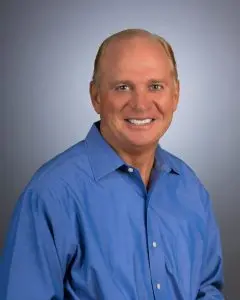
Steve Priest
CEO & President
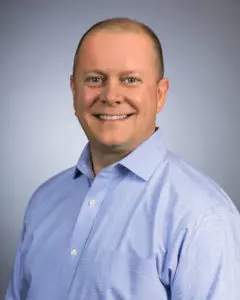
Rick Adams
CFO
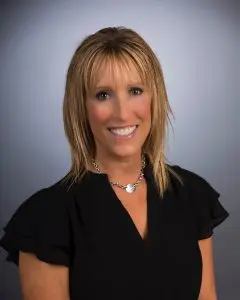
Dena Levine
Chief People Officer
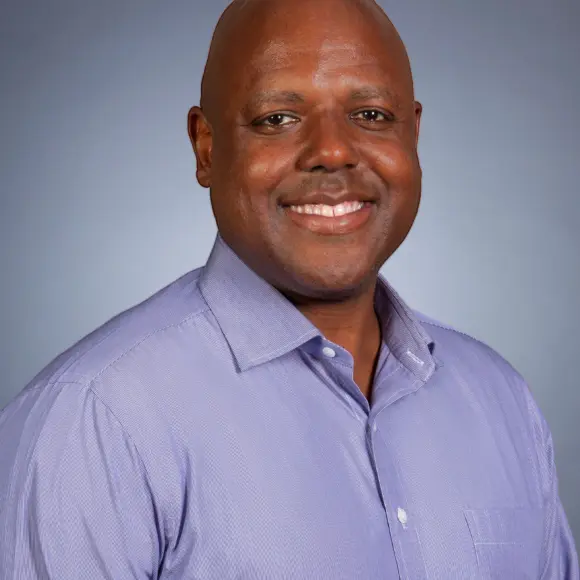
Edward Littlejohn
COO
Accreditations

The Commission on Accreditation of Rehabilitation Facilities (CARF) is a non-profit organization that specifically accredits rehab organizations. Founded in 1966, CARF's, mission is to help service providers like rehab facilities maintain high standards of care.
CARF Accreditation: Yes
Rehab.com regularly reviews this listing for accuracy but changes may occur between updates. For the most up-to-date information, please contact Spero Health – Suboxone and Vivitrol.
Contact Information

1017 Dupont Rd
Louisville, KY 40207
Get Help Now - 502-461-9007
Sponsored Helpline
Sponsored Helpline


