















































































































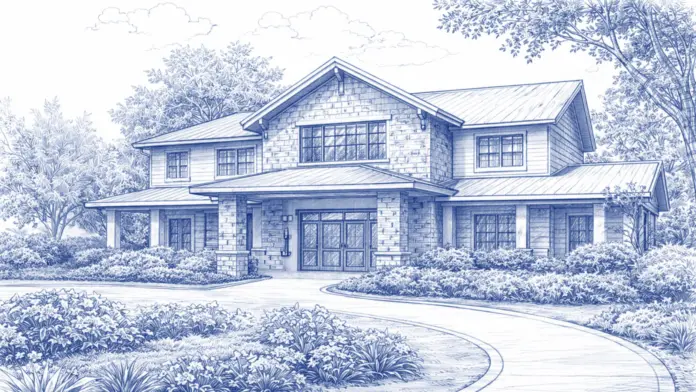




Worst place to go to if you need any kind of real help. The place is a dirty and looks like a dump.
About TLC Transitional Living Communities Thurber House
There are three levels to measure your progress. The first level is the entry level. In the first initial two weeks you’re only able to leave the property to seek employment or to attend 12 Step meetings. A lead peer must accompany you off of the property. The second level is called Level One. You must have a job, sponsor and a 12 Step home group. You are able to leave the property alone but you will have a curfew. On weekdays you must be back by 11pm, and on the weekends your curfew is 12am. The final level is called Level Two. The guidelines from Level One must have been met for at least 30 days. You must also support Thurber House activities and owe no service fees. The weekday curfew is at midnight, and it’s at 3am on the weekends. They believe abiding by a curfew may reduce your risk of relapse.
Fact checked and written by:
Jenise Alvarez
Edited by:
Kerry Nenn, BSW
Facility Overview
 850
850 Number of Available Beds
Latest Reviews
Program was fine management (Neil) on the other hand was power hungry told individuals not to get in no relationships and force people to pay not to do the car wash failure to do their car wash would result in you getting kicked out, Even if you had a job. Programs work only if you want it to work regardless of the manager. Just have to be tired of the same old crap. T.L.C only cares about the money if you don't have to go to place then don't. Fortunately their location is no longer up in operation in Tucson Arizona
I Would never recommend this Place to anyone! I went here and the manager named Neil is a full fledged racist! (I'm Black) Everytime he would see me he would call me Boy make racist Black jokes and whenever he wanted me to do something he would just snap his fingers and say clean that up Boy, wash this car Boy, Clean the Bathroom Boy! Constantly attacking my Humanity! I attempted to let my parole officer know that I can't be there for certain reasons as the stipulations of me Being at TLC were if I get kicked out I go back to Prison! She told me to just bare with it!
Plus even though I had a job and was paying my rent Neil would come grab me and force me to do labor without no form of payment!
All in All if one goes there you will have to do free labor, hear racist remarks, get treated like a dog, and Be threatened to be kicked out if you go against any of this! I do not recommend this to anybody! If you are truly trying to make it sober or if you were sent there do to parole or probation please find a different halfway house! If you look at the most of these reviews you can see for yourself that the majority are Bad reviews they are like that for a reason! Go to a place that values you as a Human Being! As this place does not!
One shouldn't have to fake a smile and suffer through derogatory terms all because he was given the stipulations of either you stay here or you go back to prison! They do not have any functioning programs! You may sit in a circle for group meetings but nothing is spoken on! The staff who are ex prisoners themselves have no respect or morality for the next man!
I was there in the 90s and the staff would encourage you to get loaded and drunk. They would help you find work and then keep your paychecks claiming, its in savings until you leave, when you leave they kept your money. Straight dope phein move.

Rehab Score
 Our Methodology
Scoring is assigned by a proprietary system which helps surface key metrics that determine quality. The 10-point scale factors in categories such as operations, customer satisfaction, and trust metrics. Read Full Methodology

5.7 / 10
Location
Accepted Insurance
Other Forms of Payment
Private insurance refers to any kind of healthcare coverage that isn't from the state or federal government. This includes individual and family plans offered by an employer or purchased from the Insurance Marketplace. Every plan will have different requirements and out of pocket costs so be sure to get the full details before you start treatment.
Self-pay involves paying for treatment out of your own pocket. You can use savings or credit, get a personal loan, or receive help from family and friends to fund your treatment. If you don't have insurance or your insurance plan doesn't cover a specific program, self-pay can help ensure you still get the care you need.
Medicaid is a state based program that helps lower-income individuals and families pay for healthcare. Medicaid covers addiction treatment so those enrolled can use their coverage to pay for rehab. When a program accepts Medicaid the client often pays very little or nothing out of their own pocket.
Military members, veterans, and eligible dependents have access to specific insurance programs that help them get the care they need. TRICARE and VA insurance can help you access low cost or no cost addiction and mental health treatment. Programs that accept military insurance often have targeted treatment focused on the unique challenges military members, veterans, and their families face.
Financing your treatment can make treatment more accessible. You'll work with your care provider to set up payment plans, including interest rates and repayment timelines. Financing options vary widely and not all programs offer them, so be sure to get the full details before enrolling in treatment. If you have insurance or other benefits, financing may help you cover your remaining out of pocket expenses.
Addiction Treatments
Levels of Care
Residential treatment programs are those that offer housing and meals in addition to substance abuse treatment. Rehab facilities that offer residential treatment allow patients to focus solely on recovery, in an environment totally separate from their lives. Some rehab centers specialize in short-term residential treatment (a few days to a week or two), while others solely provide treatment on a long-term basis (several weeks to months). Some offer both, and tailor treatment to the patient's individual requirements.
Many addiction recovery centers base their treatment modalities on the 12 step program model, and those in treatment often transition to community-based programs. These programs can also be effective for clients who choose not to enter rehab. Traditionally, 12 step meetings are designed to provide intensive peer support whenever it is needed. In addition to group meetings and peer sponsorship, participants "work the steps" to achieve recovery through a systematic healing of the mind, body, and spirit.
Sober Living Houses (SLHs), aka sober homes or halfway houses, are safe, substance-free, supportive living facilities for those recovering from substance abuse. Ideal for those who've just been through inpatient or outpatient treatment, SLHs are supervised environments with rules that support sobriety, such as curfews, shared chores, and therapeutic meetings. Residents are also often trained on life skills and coping skills to make it easier to transition into society. SLHs also provide a strong sense of community that can lead to the kind of deep and lasting connections with other sober individuals that supports a new, healthy lifestyle.
If a person denies their substance abuse behavior when confronted one-on-one, a drug intervention in Arizona may be necessary. An intervention may be formally planned with intervention services from a professional who can guide loved ones through this process. The intervention involves confronting someone with how their drinking or drug use has affected themselves and everyone around them and encourages them to get treatment.
Many clients who enroll in an outpatient rehab program are exiting intensive inpatient care and no longer require such high-level clinical supervision. Outpatient programs typically follow a step-down structure, with treatment frequency and intensity decreasing as clients progress in their recovery journey. Partial hospitalization (PHP) and intensive outpatient (IOP) levels of care are the most time-intensive and are designed primarily for clients who have just left inpatient treatment or who are at an elevated risk of relapse.
Treatments
The goal of treatment for alcoholism is abstinence. Those with poor social support, poor motivation, or psychiatric disorders tend to relapse within a few years of treatment. For these people, success is measured by longer periods of abstinence, reduced use of alcohol, better health, and improved social functioning. Recovery and Maintenance are usually based on 12 step programs and AA meetings.
Drug rehab in Arizona is the process of treating individuals who are dependent on a particular addictive drug. Because addiction is complex, this treatment typically includes a variety of interventions that address the many physical and emotional issues involved.
Many of those suffering from addiction also suffer from mental or emotional illnesses like schizophrenia, bipolar disorder, depression, or anxiety disorders. Rehab and other substance abuse facilities treating those with a dual diagnosis or co-occurring disorder administer psychiatric treatment to address the person's mental health issue in addition to drug and alcohol rehabilitation.
Opioid rehabs specialize in supporting those recovering from opioid addiction. They treat those suffering from addiction to illegal opioids like heroin, as well as prescription drugs like oxycodone. These centers typically combine both physical as well as mental and emotional support to help stop addiction. Physical support often includes medical detox and subsequent medical support (including medication), and mental support includes in-depth therapy to address the underlying causes of addiction.
Substance rehabs focus on helping individuals recover from substance abuse, including alcohol and drug addiction (both illegal and prescription drugs). They often include the opportunity to engage in both individual as well as group therapy.
Programs
Adult rehab programs include therapies tailored to each client's specific needs, goals, and recovery progress. They are tailored to the specific challenges adult clients may face, including family and work pressures and commitments. From inpatient and residential treatment to various levels of outpatient services, there are many options available. Some facilities also help adults work through co-occurring conditions, like anxiety, that can accompany addiction.
Young adulthood can be an exciting, yet difficult, time of transition. Individuals in their late teens to mid-20s face unique stressors related to school, jobs, families, and social circles, which can lead to a rise in substance use. Rehab centers with dedicated young adult programs will include activities and amenities that cater to this age group, with an emphasis on specialized counseling, peer socialization, and ongoing aftercare.
Nearly one million adults age 65 and older live with a substance use disorder. Treatment providers who specialize in senior care understand the social, psychological, and physical effects of aging and how they relate to recovery. They can help clients address particular challenges and risks they may face as they get older such as overdosing and medication interactions and dependencies.
Clinical Services
Also known as CBT, cognitive behavioral therapy in Arizona is one of the most common types of psychotherapy. It offers a structured method of counseling that effectively treats substance use disorder and dual diagnosis disorders.
In Arizona, group therapy helps promote accountability and motivation for men and women who want to stay committed to addiction recovery. It fosters a sense of community where you can share your progress and learn new coping strategies from your peers.
Individual therapy for drug and alcohol addiction includes focused attention on the unique challenges that trigger addictive behavior. During individual therapy sessions, you have a safe space in which to discuss stressors and emotional struggles. Therapy fosters trust and open communication that helps develop personalized strategies to overcome addiction.
The goal of motivational interviewing in Arizona is to enhance your confidence in your ability to make changes in your life. It encourages you to commit to change and plan for the process of making those changes that will allow you to reach your goals.
Family therapy involves sessions where members of the family discuss how addiction has affected them individually and collectively. Therapists can guide families in developing coping strategies that help support their loved one's recovery while also focusing on their own emotional health.
 Hypnotherapy
Amenities
-
 Residential Setting
Staff & Accreditations
Staff
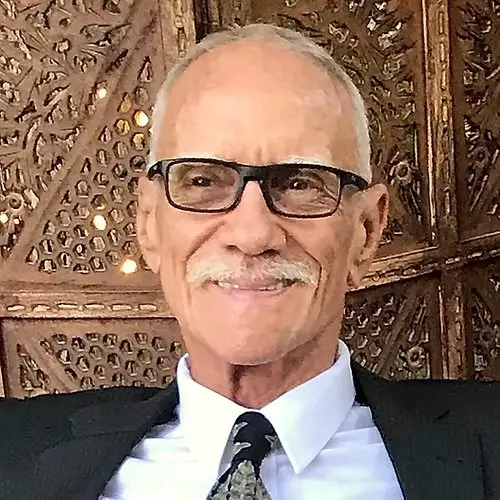
John Schwary
Founder & CEO
Accreditations

State Licenses are permits issued by government agencies that allow rehab organizations to conduct business legally within a certain geographical area. Typically, the kind of program a rehab facility offers, along with its physical location, determines which licenses are required to operate legally.
State License: Arizona

The Joint Commission, formerly known as JCAHO, is a nonprofit organization that accredits rehab organizations and programs. Founded in 1951, the Joint Commision's mission is to improve the quality of patient care and demonstrating the quality of patient care.
Joint Commission Accreditation: Yes
Contact Information

843 West Thurber Road
Tucson, AZ 85705
Get Help Now - 520-428-0475
Sponsored Helpline
Sponsored Helpline

