











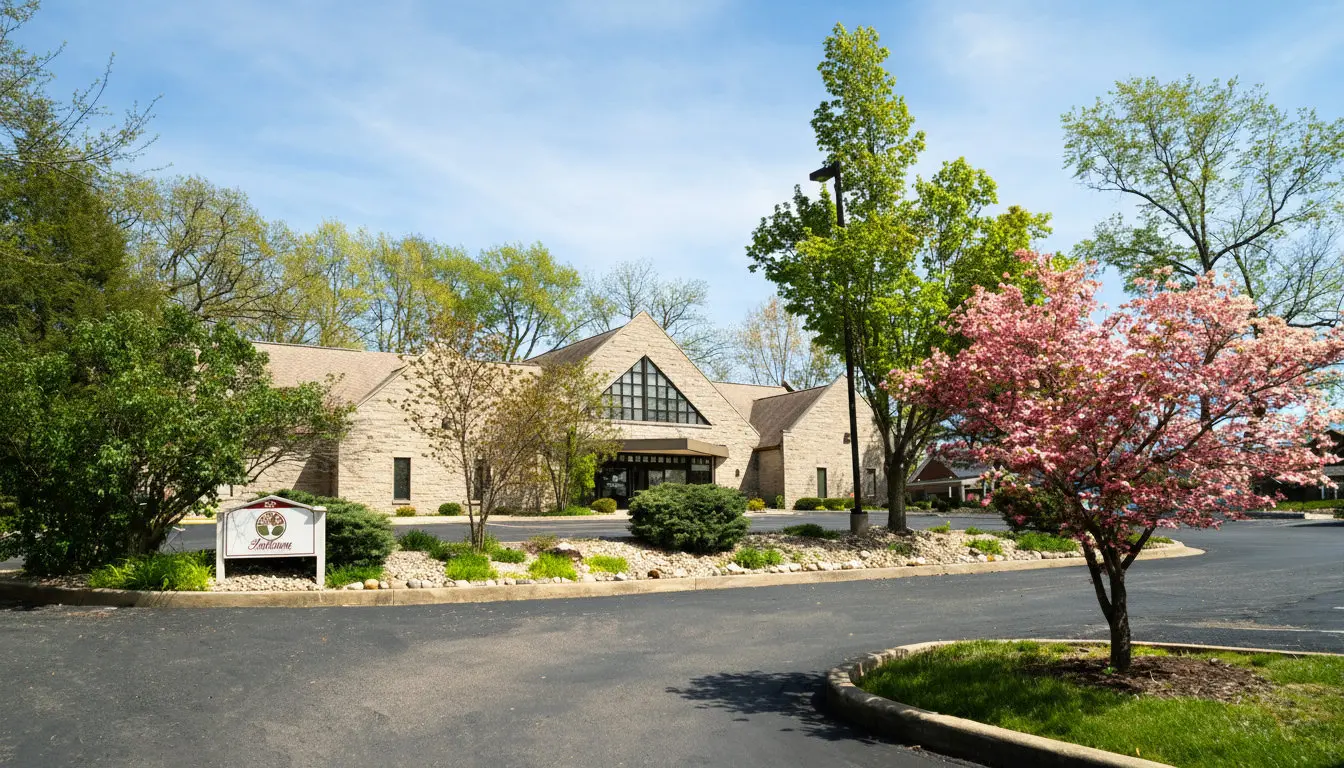
Indiana Center For Recovery – Alcohol & Drug Rehab Center – Bloomington
1
Top 10 Rehab Centers In Bloomington



















































































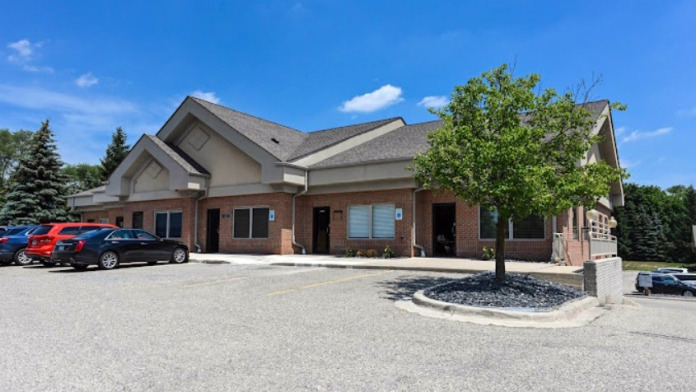
United Psychological Services provide mental health counseling and neurocognitive support in Shelby, Michigan. They’re just a two minute drive from Grant Park and the LegaSea Aquarium & The Reptarium. Their therapists work with people of all ages, including children as young as five and senior adults.
The organization places a lot of importance on finding the right diagnosis to guide your treatment and make it easier for you to find resources that apply to your needs. While they don’t have targeted programs for substance use disorder, they believe that mental health counseling and their neurocognitive program can be a great addition to any addiction recovery journey.
Group therapy can be a powerful healing tool for young people because socialization is such a huge part of growing up. United Psychological Services has five different groups for young people, including specialized ones for individuals on the autism spectrum or with an ADHD diagnosis.
Neuropsychological testing involves looking at things like your memory, problem-solving ability and emotional control to determine how well your brain is meeting your cognitive needs. Once you’ve got a better idea of your current brain health, the team makes a structured plan for you to build strength in any lacking areas.
This can be helpful for managing conditions like anxiety, which can sometimes contribute to substance use disorder. This testing service often feeds directly into their neurocognitive training program, which aims to improve your brain function to maintain or improve your quality of life. One thing you may work on is building flexibility in your thinking patterns.

 Our Methodology


Private insurance refers to any kind of healthcare coverage that isn't from the state or federal government. This includes individual and family plans offered by an employer or purchased from the Insurance Marketplace. Every plan will have different requirements and out of pocket costs so be sure to get the full details before you start treatment.
Self-pay involves paying for treatment out of your own pocket. You can use savings or credit, get a personal loan, or receive help from family and friends to fund your treatment. If you don't have insurance or your insurance plan doesn't cover a specific program, self-pay can help ensure you still get the care you need.
Financial aid can take many forms. Centers may have grants or scholarships available to clients who meet eligibility requirements. Programs that receive SAMHSA grants may have financial aid available for those who need treatment as well. Grants and scholarships can help you pai for treatment without having to repay.
Clients receiving care at an outpatient rehab remain in their own homes and attend treatment as often as daily, depending on the level of need. Outpatient care generally consists of psychotherapy, addiction education, life skills training, and community reintegration support. Many outpatient treatment centers provide step-down care, including partial hospitalization (PHP), intensive outpatient (IOP), sober living, and standard outpatient services. Some outpatient rehabs also offer ambulatory medical detox and medication assisted treatment (MAT).
Residential treatment programs are those that offer housing and meals in addition to substance abuse treatment. Rehab facilities that offer residential treatment allow patients to focus solely on recovery, in an environment totally separate from their lives. Some rehab centers specialize in short-term residential treatment (a few days to a week or two), while others solely provide treatment on a long-term basis (several weeks to months). Some offer both, and tailor treatment to the patient's individual requirements.
Clients engaged in a rehab aftercare program have already completed high-level treatment and have begun to develop essential recovery skills. Rehab aftercare services are designed to support clients' sustained sobriety as they reintegrate into their home, workplace, and community. Case managers, care teams, and clients design the customized service portfolio that will best support the client's long-term sobriety. Clients may receive peer coaching, 12 step program induction, vocational training, and relapse prevention services.
Mental health rehabs focus on helping individuals recover from mental illnesses like bipolar disorder, clinical depression, anxiety disorders, schizophrenia, and more. Mental health professionals at these facilities are trained to understand and treat mental health issues, both in individual and group settings.
Substance rehabs focus on helping individuals recover from substance abuse, including alcohol and drug addiction (both illegal and prescription drugs). They often include the opportunity to engage in both individual as well as group therapy.
Adult rehab programs include therapies tailored to each client's specific needs, goals, and recovery progress. They are tailored to the specific challenges adult clients may face, including family and work pressures and commitments. From inpatient and residential treatment to various levels of outpatient services, there are many options available. Some facilities also help adults work through co-occurring conditions, like anxiety, that can accompany addiction.
Young adulthood can be an exciting, yet difficult, time of transition. Individuals in their late teens to mid-20s face unique stressors related to school, jobs, families, and social circles, which can lead to a rise in substance use. Rehab centers with dedicated young adult programs will include activities and amenities that cater to this age group, with an emphasis on specialized counseling, peer socialization, and ongoing aftercare.
Group therapy sessions in Michigan allow you to share responsibility with your peers in a group setting. This fosters a collective commitment to achieve sobriety and learn coping skills that are essential to improving your relationships and reducing your stress levels.
Personalized therapy sessions for drug addiction emphasize understanding your background and behavioral triggers for substance use. Your therapist will collaborate with you to create an effective coping strategy and address underlying issues that clear the way for lasting change.
During trauma therapy in Michigan, you are guided through traumatic memories within a safe and supportive environment. Your therapist then provides you with tools to process traumatic events and reduce the symptoms that occur when you're exposed to a trigger. This improves your overall mental health and ability to function in the community.
Family therapy is often recommended for family units with a member undergoing drug or alcohol rehabilitation. Family therapy helps to foster communication and conflict resolution that creates a supportive environment. This helps the loved one who is struggling with addiction.
To maintain a healthy and productive life, you need certain life skills. They help you make good decisions and build good relationships. Because they are key to long term recovery, most rehab programs in Michigan include integrated life skills training.
 Private Setting
 Clinic Director
Rehab.com regularly reviews this listing for accuracy but changes may occur between updates. For the most up-to-date information, please contact United Psychological Services.

47818 Van Dyke Ave
Shelby, MI 48317
Sponsored Helpline

i pulled this place up to update them in my phone, and was shocked to see the average of their ratings, so here's a little story time to give the perspective from another long time patient. i have been diagnosed by dr. fischer twice in my life -- once with ADD in the 2nd grade, but my parents did not like "how i acted" on Ritalin, so the meds stopped and i spent the next 20 years compensating on my own, without other treatment/meds. such is the life of a 90s "gifted and talented" kid -- to be honest i do not remember a lot about this process other than "doing some puzzles," but my parents liked dr. fischer, and still speak kindly of her today. fast forward to 2018. i finally got a job with health insurance and my primary care doc advised i get re-diagnosed. he's the same doc as back in 2nd grade, so i get the same referral. this time, we know more about the condition, and it's ADHD, inattentive type, etc etc. yes, the diagnostic testing was expensive, but the billing team was great about working out a payment plan with me. since then, they have always been great -- there was a time i had a 2-3 month copay backup. they did another payment plan and also set me up for autopay going forward (my appts were after hours and i always forgot to call and pay later). this year i had an issue with the transition to COBRA coverage, and honestly as long as i was communicating with them, they made notes on my account and kept checking in. they are very compassionate and i am not sure why so many other people have described such a different experience with them. as for my therapists - i have seen 2 theraplists over the last 8 years, and done the interactive metronome therapy with a 3rd specialist. all have been wonderful to work with. my current therapist, Rachel, has been an immensely positive impact on my life. having ADHD and some other "alphabet soup" going on makes life feel overwhelming sometimes. Rachel helps me put it all in perspective, helps me build tools and systems, and just genuinely listens to me and gives me honest feedback - she says what i need to hear, not what i want to hear. i could keep going but i feel like there is a limit to how long of a review a person will read. don't let the 3 stars scare you -- for what it's worth, i recommend them to everyone i know who is interested in diagnosis or various therapies. 3 of my friends that i know of took my rec and are still active patients. this place has over 30 therapists at this point i believe, and if the rest of them are half as good as Rachel, you are in good hands. maybe ask about costs up front, but definitely give them a shot!!

Don’t ever go here or send your kids here. I’ve been in and out of various therapy facilities for the past 15 years and this is by far the most unprofessional Psychiatric Practice that I have ever seen in my life. Not only do Therapists ignore you but the front desk will also lie to you too. They purposely destroy families. Save your money and go somewhere else.

My experience has been life-changing for the positive. The staff are consistently helpful and positive. My therapist is exceptional, and my cognition has improved since I began to attend.

I’m giving 5 stars for my Dr. Miller. I have been with her for about 5yrs now. She has been so kind to me and helped me grow through a lot of difficult issues in my life. She recently informed me that she will be retiring. I am grateful to have known and learned from her through our years of sessions. Thank you Dr. Miller! 💙 You are such an amazing doctor and you kept me alive during dark times. Thank you for being you! 🥰💙 Ps… she already has a replacement in mind and told me about her. I trust her recommendation and open to my new doctor 🍀
 Back
Back
Sharing your insights and experiences can help others learn more about this rehab center.

 Written By: Hayley Willson
BSc
Written By: Hayley Willson
BSc