






























































































The nursing staff is so rude, I mean they bring personal issues into the work place and discuss the patients’ personal issues upon for mere gossip.
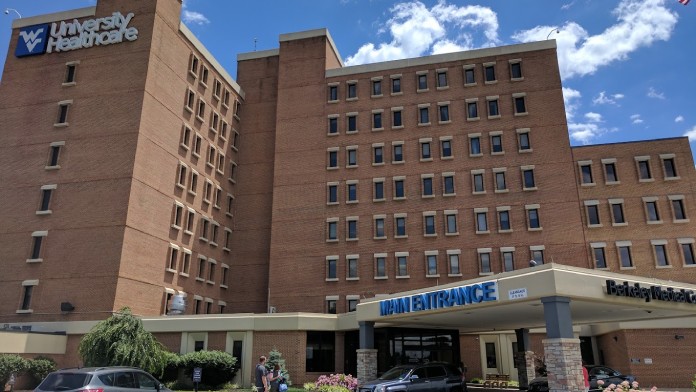
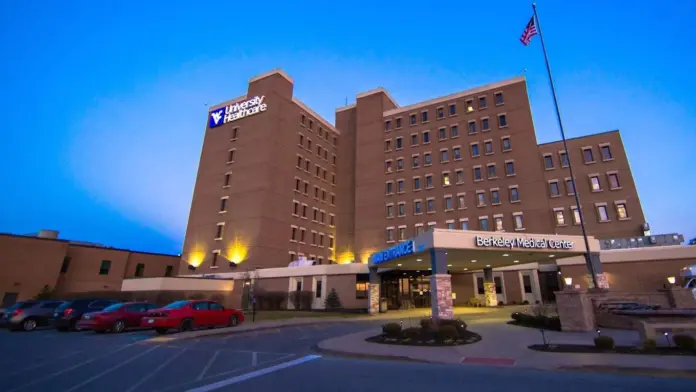
About WVU Medicine Berkeley Medical Center
In addition to medical admissions for supervised detox, their services include Narcan distribution, short term interventions and treatment for withdrawal symptoms as determined by a doctor. In addition, they offer resources for mental health, substance abuse and homelessness as well as referrals to residential outpatient and detox placements.
Their Bridge to Recovery program helps people with opioid use disorder. You will be connected to outpatient addiction treatment, receive medical clearance in the emergency room and begin taking medication for opioid use disorder under this program. They encourage continuity of care by making sure you go home with a prescription that will last until your next visit.
By using a multidisciplinary team approach they carry out comprehensive evaluations of your mental health requirements. In partnership with you and any relevant support networks, they create an integrated treatment plan. While maintaining strict patient confidentiality, the atmosphere is kind, encouraging and courteous.
They also have a 23 bed inpatient treatment unit for patients with more serious mental health issues. Participants must be at least 18 years old. They accept both involuntary and voluntary admissions 24/7 through their emergency psychiatric services.
Latest Reviews
I want to thank the entire staff at Berkeley Medical Center for the excellent care I received after having a Hemorrhagic stroke. I am a teacher and actually suffered the stroke while in front of my students. It was one of the scariest moments of my life. Fortunately, the school nurse and AP drove me to BMC. After a stint in the ER, I was moved to the ICU. My nurse, Joe, gave me hope and stayed nearby for most of the night. He even stayed beyond his 12-hour shift to make sure the transition went smoothly and moved me within the ICU so I was close to the main desk. I was in the right place, at the right time, and will forever be thankful to Joe, Chloe, Tyler and the many others who got me through. Joe - I am looking forward to the day we meet again in Walmart Buddy!
Was there 4 hubby he had large swollen foot..the very nice lady did ultrasound..they found.out skin infection cellutitis ..and prescribbed antibiotic..the doc , and all the people were great..got in quick..and the coffee there was great..while waiting 4 hubbys tests..chocolate peppermint ..so good also and a hollor out at the kind people shuttleling, all the people to places they need..one lady was so kind ..she had a shuttle buddy wooden on her dash had made from chat 3..so neat ..and had a badge also..for the employees etc..gonna be great when all done with a ymca..finally bout time..its a great hospital..at least we think the employees and the hospital are gold tiered..we have nothing but wonderful experiences there..And are so thankful for all they do..
I've been a patient in some the best hospitals in America: John's Hopkins, Sinai, Mercy.
I elected to have serious cervical surgery performed at Berkeley County Medical Center because area renowned neurosurgeon Dr. John Caruso is a neurosurgeon on staff.
I'm totally satisfied with the surgeon, surgery, nurses, staff and everything else. Berkeley County Medical Center provided better care for me than any of the big city hospitals ever did. I bet the new renovations will make the hospital even better. In my opinion WVU health system should be very proud of Berkeley County Medical Center.

Rehab Score
 Our Methodology
Scoring is assigned by a proprietary system which helps surface key metrics that determine quality. The 10-point scale factors in categories such as operations, customer satisfaction, and trust metrics. Read Full Methodology

6.4 / 10
Gallery
Accepted Insurance
Other Forms of Payment
Private insurance refers to any kind of healthcare coverage that isn't from the state or federal government. This includes individual and family plans offered by an employer or purchased from the Insurance Marketplace. Every plan will have different requirements and out of pocket costs so be sure to get the full details before you start treatment.
Self-pay involves paying for treatment out of your own pocket. You can use savings or credit, get a personal loan, or receive help from family and friends to fund your treatment. If you don't have insurance or your insurance plan doesn't cover a specific program, self-pay can help ensure you still get the care you need.
Financial aid can take many forms. Centers may have grants or scholarships available to clients who meet eligibility requirements. Programs that receive SAMHSA grants may have financial aid available for those who need treatment as well. Grants and scholarships can help you pai for treatment without having to repay.
Medicare is a federal program that provides health insurance for those 65 and older. It also serves people under 65 with chronic and disabling health challenges. To use Medicare for addiction treatment you need to find a program that accepts Medicare and is in network with your plan. Out of pocket costs and preauthorization requirements vary, so always check with your provider.
Military members, veterans, and eligible dependents have access to specific insurance programs that help them get the care they need. TRICARE and VA insurance can help you access low cost or no cost addiction and mental health treatment. Programs that accept military insurance often have targeted treatment focused on the unique challenges military members, veterans, and their families face.
Medicaid is a state based program that helps lower-income individuals and families pay for healthcare. Medicaid covers addiction treatment so those enrolled can use their coverage to pay for rehab. When a program accepts Medicaid the client often pays very little or nothing out of their own pocket.
Addiction Treatments
Levels of Care
Outpatient rehabs support clients' long-term recovery through a robust continuum of care aligned with clients' evolving needs. Many programs feature transitional services for clients stepping down from intensive inpatient care. Ambulatory medical detox is also available in some outpatient facilities for clients at low risk for withdrawal complications. Outpatient treatment centers typically encompass multiple levels of care, including partial hospitalization (PHP), intensive outpatient (IOP), supportive housing, and standard outpatient programming.
Clients undergoing treatment at an inpatient rehab receive intensive clinical supervision and robust therapeutic support. Clients remain at the facility for the duration of their program, allowing them to focus on their recovery free of outside distractions, stressors, and triggers. Most inpatient programs offer addiction counseling as their primary treatment modality. This often includes group and family therapy in addition to individual counseling. Many centers also provide complementary therapies and recovery-focused life skills training.
Treatments
Mental health rehabs focus on helping individuals recover from mental illnesses like bipolar disorder, clinical depression, anxiety disorders, schizophrenia, and more. Mental health professionals at these facilities are trained to understand and treat mental health issues, both in individual and group settings.
Programs
Adult rehab programs include therapies tailored to each client's specific needs, goals, and recovery progress. They are tailored to the specific challenges adult clients may face, including family and work pressures and commitments. From inpatient and residential treatment to various levels of outpatient services, there are many options available. Some facilities also help adults work through co-occurring conditions, like anxiety, that can accompany addiction.
Young adulthood can be an exciting, yet difficult, time of transition. Individuals in their late teens to mid-20s face unique stressors related to school, jobs, families, and social circles, which can lead to a rise in substance use. Rehab centers with dedicated young adult programs will include activities and amenities that cater to this age group, with an emphasis on specialized counseling, peer socialization, and ongoing aftercare.
Serving in the military is both mentally and physically challenging, and can result in trauma that persists even after combat ends. Military programs are tailored to the specific and often complex needs of active duty personnel, veterans, and military families. Clients often access these programs through the U.S. Department of Veterans Affairs (VA).
Clinical Services
Cognitive Behavioral Therapy (CBT) is a therapy modality that focuses on the relationship between one's thoughts, feelings, and behaviors. It is used to establish and allow for healthy responses to thoughts and feelings (instead of unhealthy responses, like using drugs or alcohol). CBT has been proven effective for recovering addicts of all kinds, and is used to strengthen a patient's own self-awareness and ability to self-regulate. CBT allows individuals to monitor their own emotional state, become more adept at communicating with others, and manage stress without needing to engage in substance abuse.
Group therapy is any therapeutic work that happens in a group (not one-on-one). There are a number of different group therapy modalities, including support groups, experiential therapy, psycho-education, and more. Group therapy involves treatment as well as processing interaction between group members.
In individual therapy, a patient meets one-on-one with a trained psychologist or counselor. Therapy is a pivotal part of effective substance abuse treatment, as it often covers root causes of addiction, including challenges faced by the patient in their social, family, and work/school life.
Whether a marriage or other committed relationship, an intimate partnership is one of the most important aspects of a person's life. Drug and alcohol addiction affects both members of a couple in deep and meaningful ways, as does rehab and recovery. Couples therapy and other couples-focused treatment programs are significant parts of exploring triggers of addiction, as well as learning how to build healthy patterns to support ongoing sobriety.
Research clearly demonstrates that recovery is far more successful and sustainable when loved ones like family members participate in rehab and substance abuse treatment. Genetic factors may be at play when it comes to drug and alcohol addiction, as well as mental health issues. Family dynamics often play a critical role in addiction triggers, and if properly educated, family members can be a strong source of support when it comes to rehabilitation.
Nutrition therapy, aka medical nutrition therapy (MNT), is a way of treating physical, emotional, and medical conditions through diet. Specific dietary plans are designed by professional nutritionists or registered dietitians, and patients follow them in order to positively affect their physical and mental health.
Experiential therapy is a form of therapy in which clients are encouraged to surface and work through subconscious issues by engaging in real-time experiences. Experiential therapy departs from traditional talk therapy by involving the body, and having clients engage in activities, movements, and physical and emotional expression. This can involve role-play or using props (which can include other people). Experiential therapy can help people process trauma, memories, and emotion quickly, deeply, and in a lasting fashion, leading to substantial and impactful healing.
Nicotine Replacement Therapy (NRT) is a way of getting nicotine into the bloodstream without smoking. It uses products that supply low doses of nicotine to help people stop smoking. The goal of therapy is to cut down on cravings for nicotine and ease the symptoms of nicotine withdrawal.
Amenities
-
 Residential Setting
 -
 Private Rooms
 -
 Mountain Views
 -
 Gardens
Staff
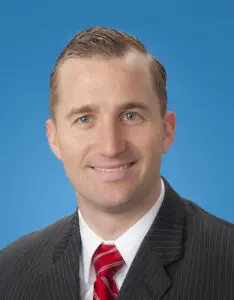
Mark O’Hern
President & CEO
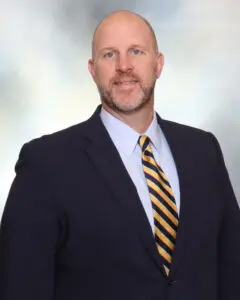
Zach Kerns
VP of Finance
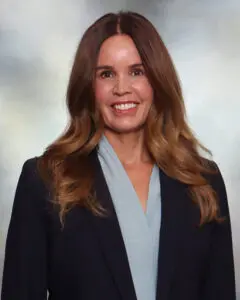
Samantha Richards
Chief Nursing & Operations Officer
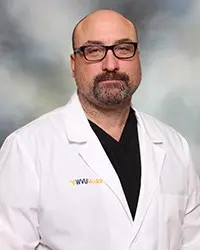
Michael Londer, MD
VP Medical Affairs at Berkeley Medical Center
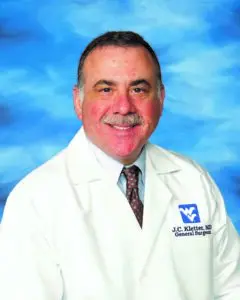
Jan Kletter, MD
VP Medical Affairs at Jefferson Medical Center
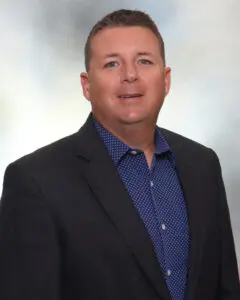
Justin Ruble
VP of Human Resources
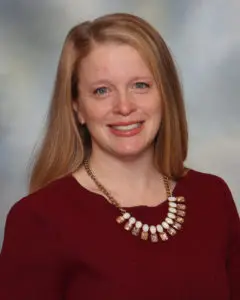
Garland Bonifant Nagy, Esq
VP & General Counsel
Rehab.com regularly reviews this listing for accuracy but changes may occur between updates. For the most up-to-date information, please contact WVU Medicine Berkeley Medical Center.
Contact Information

2500 Hospital Drive
Martinsburg, WV 25401
Get Help Now - 304-578-5627
Sponsored Helpline
Sponsored Helpline



