






























































































Tried to get my loved one admitted during one of his crisis episodes. I was seeking urgent help but all the staff I encountered were completely apathetic to our situation. They didn't show compassion for our ordeal, instead, they put one obstacle after another in front of us ...
About University of Wisconsin Hospital – Psychiatry
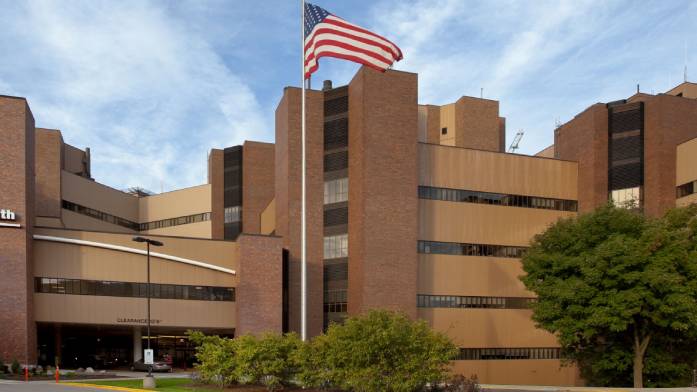
The University of Wisconsin Health University Hospital is only a stone’s throw away from University Bay in Madison, Wisconsin.
What stands out about this hospital is that it includes a high level emergency room equipped to deal with serious traumas, including those related to substance abuse and mental illness.
They offer stabilization services here and can refer you to their dedicated psychiatric and addiction department elsewhere in Madison for continued care. Staff here can help you apply for Medicaid.
The Compass Program
While UW’s dedicated psychiatric care program focuses on outpatient services, the Compass Program is a little different in that it’s focused solely on treating opioid addiction.
Besides specialized care for this particularly fierce form of addiction, it features broad support for related issues. Medication Assisted Treatment, wound care, transportation assistance, disease screenings and case management are offered.
Help for Early Recovery
Something I appreciate about UW’s SUD care is that they make an effort to make the whole process less intimidating for those new to addiction recovery.
Their early recovery groups provide additional support and education in a nonjudgmental space for those still navigating treatment and recovery concepts. The ultimate goal of these groups is to get you comfortable with talking about addiction.
Facility Overview
 614
614 Number of Available Beds
Latest Reviews
Everyone is kind and very professional!
Response from the owner3 days ago
We're really pleased to hear your experience with your care team was a positive one. Thank you for the review and for trusting UW Health for your health care needs. - UW Health Patient and Family Experience team
Absolutely love how fast my care team makes things happen ..1 sends a message to another department and a quick appointment occurs !
Response from the owner3 days ago
Thank you for taking the time to share your feedback. We're glad to hear you had a positive experience with your care team. - UW Health Patient and Family Experience team
The doctors at UW health are the best

Rehab Score
 Our Methodology
Scoring is assigned by a proprietary system which helps surface key metrics that determine quality. The 10-point scale factors in categories such as operations, customer satisfaction, and trust metrics. Read Full Methodology

6.5 / 10
Gallery
Other Forms of Payment
Medicaid is a state based program that helps lower-income individuals and families pay for healthcare. Medicaid covers addiction treatment so those enrolled can use their coverage to pay for rehab. When a program accepts Medicaid the client often pays very little or nothing out of their own pocket.
Private insurance refers to any kind of healthcare coverage that isn't from the state or federal government. This includes individual and family plans offered by an employer or purchased from the Insurance Marketplace. Every plan will have different requirements and out of pocket costs so be sure to get the full details before you start treatment.
Self-pay involves paying for treatment out of your own pocket. You can use savings or credit, get a personal loan, or receive help from family and friends to fund your treatment. If you don't have insurance or your insurance plan doesn't cover a specific program, self-pay can help ensure you still get the care you need.
Medicare is a federal program that provides health insurance for those 65 and older. It also serves people under 65 with chronic and disabling health challenges. To use Medicare for addiction treatment you need to find a program that accepts Medicare and is in network with your plan. Out of pocket costs and preauthorization requirements vary, so always check with your provider.
Military members, veterans, and eligible dependents have access to specific insurance programs that help them get the care they need. TRICARE and VA insurance can help you access low cost or no cost addiction and mental health treatment. Programs that accept military insurance often have targeted treatment focused on the unique challenges military members, veterans, and their families face.
Addiction Treatments
Levels of Care
Residential treatment programs are those that offer housing and meals in addition to substance abuse treatment. Rehab facilities that offer residential treatment allow patients to focus solely on recovery, in an environment totally separate from their lives. Some rehab centers specialize in short-term residential treatment (a few days to a week or two), while others solely provide treatment on a long-term basis (several weeks to months). Some offer both, and tailor treatment to the patient's individual requirements.
Treatments
Mental health rehabs focus on helping individuals recover from mental illnesses like bipolar disorder, clinical depression, anxiety disorders, schizophrenia, and more. Mental health professionals at these facilities are trained to understand and treat mental health issues, both in individual and group settings.
Programs
Adult rehab programs include therapies tailored to each client's specific needs, goals, and recovery progress. They are tailored to the specific challenges adult clients may face, including family and work pressures and commitments. From inpatient and residential treatment to various levels of outpatient services, there are many options available. Some facilities also help adults work through co-occurring conditions, like anxiety, that can accompany addiction.
Young adulthood can be an exciting, yet difficult, time of transition. Individuals in their late teens to mid-20s face unique stressors related to school, jobs, families, and social circles, which can lead to a rise in substance use. Rehab centers with dedicated young adult programs will include activities and amenities that cater to this age group, with an emphasis on specialized counseling, peer socialization, and ongoing aftercare.
Clinical Services
ECT is a form of treatment in which controlled electric currents are passed through the brain, sometimes causing short seizures. Treatments are done under general anesthesia. ECT appears to change brain chemistry for the better, and has been shown to provide fast and sometimes dramatic improvements in severe mental health conditions that can exist alongside addiction, including depression, bipolar disorder, psychosis, and suicidality. ECT is also often used by those who prefer it to taking medication.
Experiential therapy is a form of therapy in which clients are encouraged to surface and work through subconscious issues by engaging in real-time experiences. Experiential therapy departs from traditional talk therapy by involving the body, and having clients engage in activities, movements, and physical and emotional expression. This can involve role-play or using props (which can include other people). Experiential therapy can help people process trauma, memories, and emotion quickly, deeply, and in a lasting fashion, leading to substantial and impactful healing.
Group therapy is any therapeutic work that happens in a group (not one-on-one). There are a number of different group therapy modalities, including support groups, experiential therapy, psycho-education, and more. Group therapy involves treatment as well as processing interaction between group members.
In individual therapy, a patient meets one-on-one with a trained psychologist or counselor. Therapy is a pivotal part of effective substance abuse treatment, as it often covers root causes of addiction, including challenges faced by the patient in their social, family, and work/school life.
Nicotine Replacement Therapy (NRT) is a way of getting nicotine into the bloodstream without smoking. It uses products that supply low doses of nicotine to help people stop smoking. The goal of therapy is to cut down on cravings for nicotine and ease the symptoms of nicotine withdrawal.
Nutrition therapy, aka medical nutrition therapy (MNT), is a way of treating physical, emotional, and medical conditions through diet. Specific dietary plans are designed by professional nutritionists or registered dietitians, and patients follow them in order to positively affect their physical and mental health.
Staff
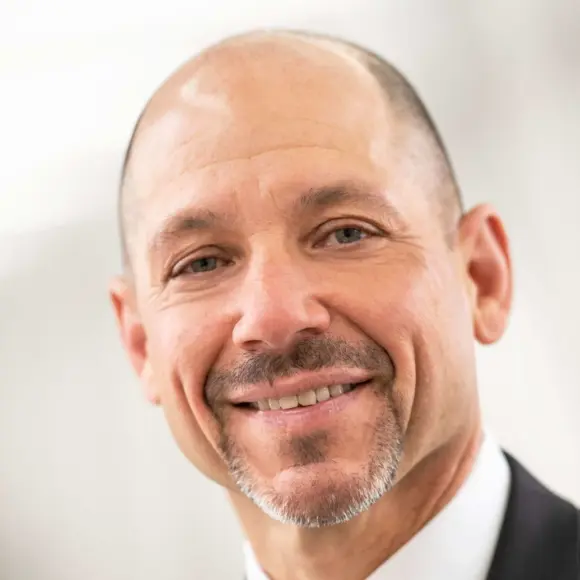
Alan Kaplan, MD
CEO

Robert Flannery, CPA
Senior VP,CFO
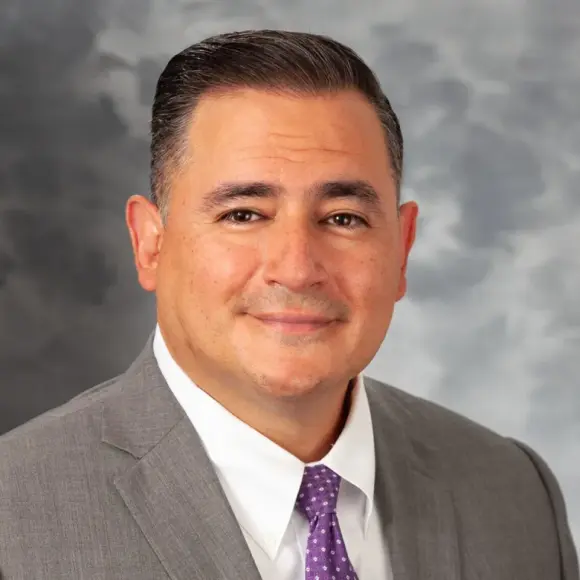
Rudy Jackson, DNP,MHA,RN,CENP
Senior VP,Chief Nurse Executive
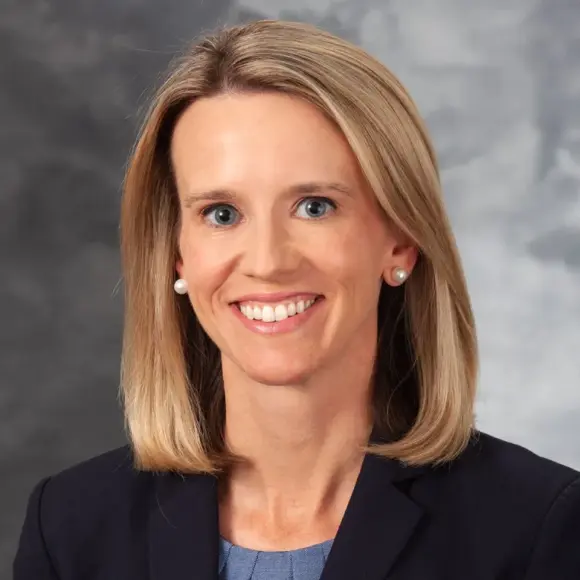
Carey Gehl
Senior VP,Chief Strategy Officer
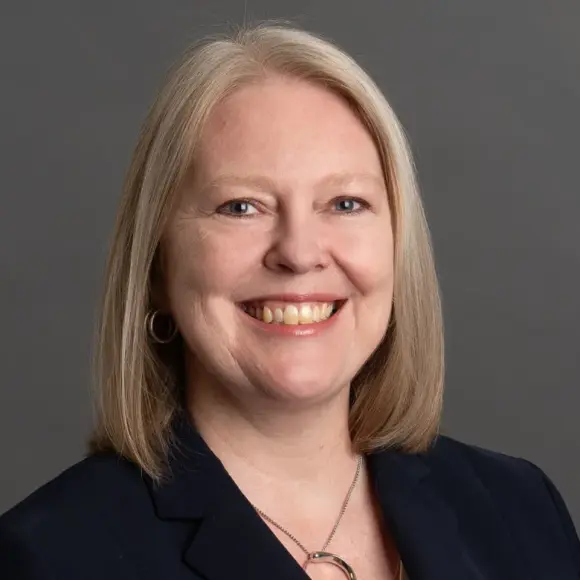
Katrina Lambrecht
Chief Administrative Officer
Rehab.com regularly reviews this listing for accuracy but changes may occur between updates. For the most up-to-date information, please contact University of Wisconsin Hospital – Psychiatry.
Contact Information

600 Highland Avenue
Madison, WI 53792
Get Help Now - 608-856-5059
Sponsored Helpline
Sponsored Helpline

