





























































































About Uta Halee
UTA Halee Girls Academy is a residential program for young women. The program is in Omaha, Nebraska, and serves at risk girls who have delinquent behaviors. The young women are referred to the program by private sources, juvenile courts and child welfare agencies. They treat young women with substance use and co-occurring mental health disorders. The academy accepts some insurance, including Medicaid. The program is operated by Rite of Passage.
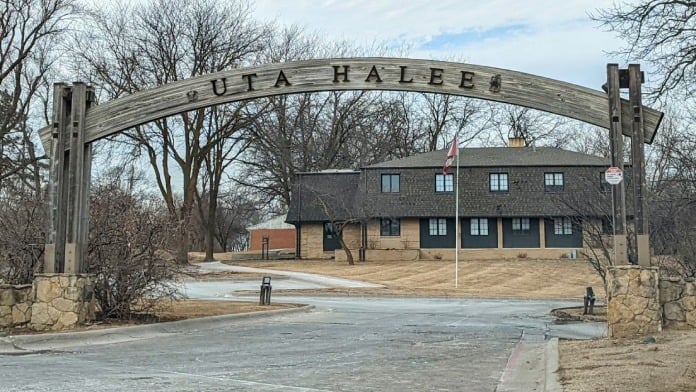
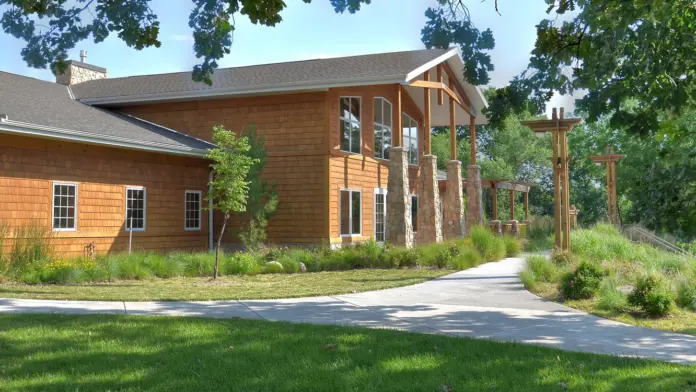
The academy is in a scenic environment along the Missouri River. There are beautiful pastures, wooded forests and rolling hills. The academy partners with local community organizations such as Heartland Equine Therapy to help the students learn the value of relationships and community building.
Treatment for Young Women in Omaha
The academy takes a trauma informed approach to care and develops individualized treatment plans. They use cognitive behavioral therapy in individual, group and family therapy sessions. Students have the opportunity to cultivate supportive and trusting relationships, learn to find their voices and share their experiences.
The treatment practices are targeted toward young women to help them overcome their pasts and empower them to build better futures. The integrated care model includes school, therapy and social development.
Accredited Academic Support
The school offers accredited education and customizes the academics to meet the needs of individual students. The class sizes are small, so the students get individual attention. The qualified teachers create an environment that fosters academic excellence and creative thinking.
Enrichment opportunities are available beyond the classroom. These include extracurricular activities, which are essential to the integrated care program. The students participate in intramurals, campus clubs and sports.
Young women get their physical, emotional and mental health needs met while participating in normal student life. The program promotes growth, learning and positive change for a better future.
Facility Overview
 12
12 Latest Reviews



Rehab Score
 Our Methodology


Gallery
Other Forms of Payment
Self-pay involves paying for treatment out of your own pocket. You can use savings or credit, get a personal loan, or receive help from family and friends to fund your treatment. If you don't have insurance or your insurance plan doesn't cover a specific program, self-pay can help ensure you still get the care you need.
Addiction Treatments
Levels of Care
Outpatient rehabs are often ideally suited for clients exiting intensive inpatient care, those who are medically stable, and those not at an elevated relapse risk. They also offer flexibility for clients who may be unable to leave their work or family to receive inpatient care. Many outpatient treatment centers provide a full suite of services, including recovery education, medication assisted treatment (MAT), and individual, group, and family counseling. Ancillary services, including peer coaching and vocational training, are widely available.
Rehab aftercare programs ensure clients receive a complete continuum of care after completing high-level treatment in a detox center or inpatient rehab. Clients typically partner with their case manager and care team to outline their specific recovery needs and goals. Rehab aftercare services are often highly customized and designed to evolve as clients progress in their recovery. Standard services include outpatient treatment and peer coaching, career counseling, and 12 step program induction following outpatient care.
A sober living home in Nebraska offers an in-between place for recovery as individuals transition from inpatient care to home. Residents must pay rent and contribute to costs of living. Typically, insurance does not cover this housing expense. However, ongoing treatment received while living at a men's or women's sober living home, such as counseling or other outpatient treatment, may be covered.
When loved ones stage a drug intervention in Nebraska, the goal is not to gang up on the individual and make them feel attacked. The aim is to make them feel cared for and to present a solid plan for getting them the treatment they need. This process often includes intervention services. These professionals can provide support for planning and carrying out the intervention and guidance for appropriate treatment for the individual and family members.
Inpatient rehabs primarily serve clients who are transitioning out of detox and those who are at a heightened risk of relapse, including those with a history of recurrence. Clients in inpatient treatment receive multiple counseling sessions per week using a variety of psychotherapeutic approaches, including CBT, DBT, RBT, and motivational interviewing. Relapse prevention is also prioritized and many programs feature recovery-focused life skills training. Some facilities also offer holistic therapies, such as meditation and yoga.
Treatments
The goal of treatment for alcoholism is abstinence. Those with poor social support, poor motivation, or psychiatric disorders tend to relapse within a few years of treatment. For these people, success is measured by longer periods of abstinence, reduced use of alcohol, better health, and improved social functioning. Recovery and Maintenance are usually based on 12 step programs and AA meetings.
During drug rehab in Nebraska, you'll participate in therapies that address the many issues that contribute to addiction. Treatment includes physical, mental, emotional, and relational aspects. These methods provide the tools you need to achieve long-term recovery.
A combined mental health and substance abuse rehab has the staff and resources available to handle individuals with both mental health and substance abuse issues. It can be challenging to determine where a specific symptom stems from (a mental health issue or an issue related to substance abuse), so mental health and substance abuse professionals are helpful in detangling symptoms and keeping treatment on track.
Opioid rehabs specialize in supporting those recovering from opioid addiction. They treat those suffering from addiction to illegal opioids like heroin, as well as prescription drugs like oxycodone. These centers typically combine both physical as well as mental and emotional support to help stop addiction. Physical support often includes medical detox and subsequent medical support (including medication), and mental support includes in-depth therapy to address the underlying causes of addiction.
In Nebraska, substance abuse treatment programs are available to individuals struggling with addiction, and those with co-occurring mental health disorders. These programs utilize evidence-based therapies such as cognitive-behavioral therapy (CBT), dialectical behavior therapy (DBT), and mindfulness-based interventions. With various treatment options, including outpatient, inpatient, and residential programs, you'll receive expert and personalized care that can help you overcome addiction and meet your unique needs.
It's common to see people struggling with mental health disorders like depression, anxiety, or post-traumatic stress disorder, and treating each of these is just as important as treating the addiction. But even for those who do not have a dual diagnosis, mental health plays an essential role in the long-term success of recovery because it can affect people's emotional, psychological, and social makeup, influencing their experiences, stress level, and life choices.
Programs
Adult rehab programs include therapies tailored to each client's specific needs, goals, and recovery progress. They are tailored to the specific challenges adult clients may face, including family and work pressures and commitments. From inpatient and residential treatment to various levels of outpatient services, there are many options available. Some facilities also help adults work through co-occurring conditions, like anxiety, that can accompany addiction.
Young adulthood can be an exciting, yet difficult, time of transition. Individuals in their late teens to mid-20s face unique stressors related to school, jobs, families, and social circles, which can lead to a rise in substance use. Rehab centers with dedicated young adult programs will include activities and amenities that cater to this age group, with an emphasis on specialized counseling, peer socialization, and ongoing aftercare.
Rehabs for women provide a safe, nurturing space for female clients to heal. These treatment programs consider the specific obstacles that women can face during recovery and place a special emphasis on mental, social, physical, and reproductive health. They explore how each woman's experience has shaped the trajectory of their substance use, addressing issues such as sexual abuse and past trauma.
Clinical Services
Cognitive behavioral therapy in Nebraska is often the preferred method of treatment for substance use. In just a few sessions, clients can learn how to identify challenges and start to develop healthy coping methods to manage them.
The premise of dialectical behavior therapy is that many problems are due to a lack of skills to properly handle them. This therapy aims to give you the skills to manage your emotions and challenging situations so you can live a healthier, productive life.
Group therapies are a safe place for people to express their feelings and openly discuss their problems and issues as they relate to addiction, relationships, work, and other challenges associated with drug and alcohol addiction. Within a group therapy environment, you can share each other's responsibility for recovery, creating a network of mutual support.
In individual therapy, a patient meets one-on-one with a trained psychologist or counselor. Therapy is a pivotal part of effective substance abuse treatment, as it often covers root causes of addiction, including challenges faced by the patient in their social, family, and work/school life.
Often used to address addiction in Nebraska, motivational interviewing helps you become motivated to change. Research shows this method is effective for clients who are unprepared for change or feel unmotivated to change.
Couples therapy in Nebraska often focuses on one specific matter of concern. It is usually short term, with the goal of addressing the main issue and learning how to manage it. The focus might be addiction, finances, children, or any other challenge that is putting stress on the relationship.
Therapists in Nebraska offer family therapy to help facilitate discussions about how addiction is a disease and can affect the entire family. This approach fosters empathy between family members and helps to reduce blame. This collective effort supports recovery and reduces negative behaviors within the family unit.
Life skills training helps you make good decisions, communicate effectively, and lead a balanced lifestyle. They range from self management to interpersonal skills. Because these are crucial for recovery, life skills training is an integral part of rehab programs in Nebraska.
Amenities
-
 Yoga Studio
 -
 Residential Setting
 -
 Private Rooms
 -
 Walking Trails
 -
 Gardens
 -
 Day School
Accreditations

The Joint Commission, formerly known as JCAHO, is a nonprofit organization that accredits rehab organizations and programs. Founded in 1951, the Joint Commision's mission is to improve the quality of patient care and demonstrating the quality of patient care.
Joint Commission Accreditation: Yes
Rehab.com regularly reviews this listing for accuracy but changes may occur between updates. For the most up-to-date information, please contact Uta Halee.
Contact Information


10625 Calhoun Rd
Omaha, NE 68112
Sponsored Helpline



