










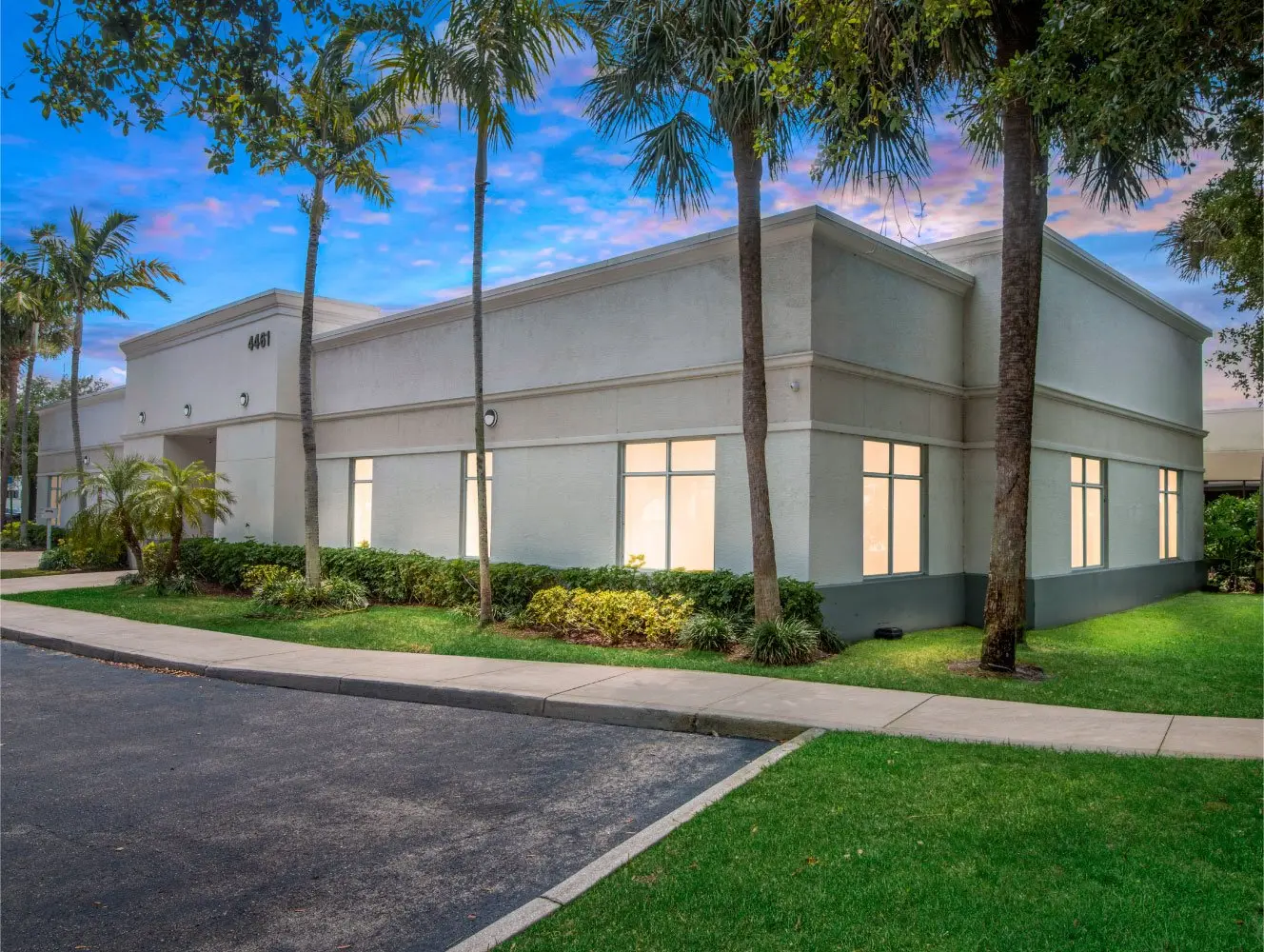
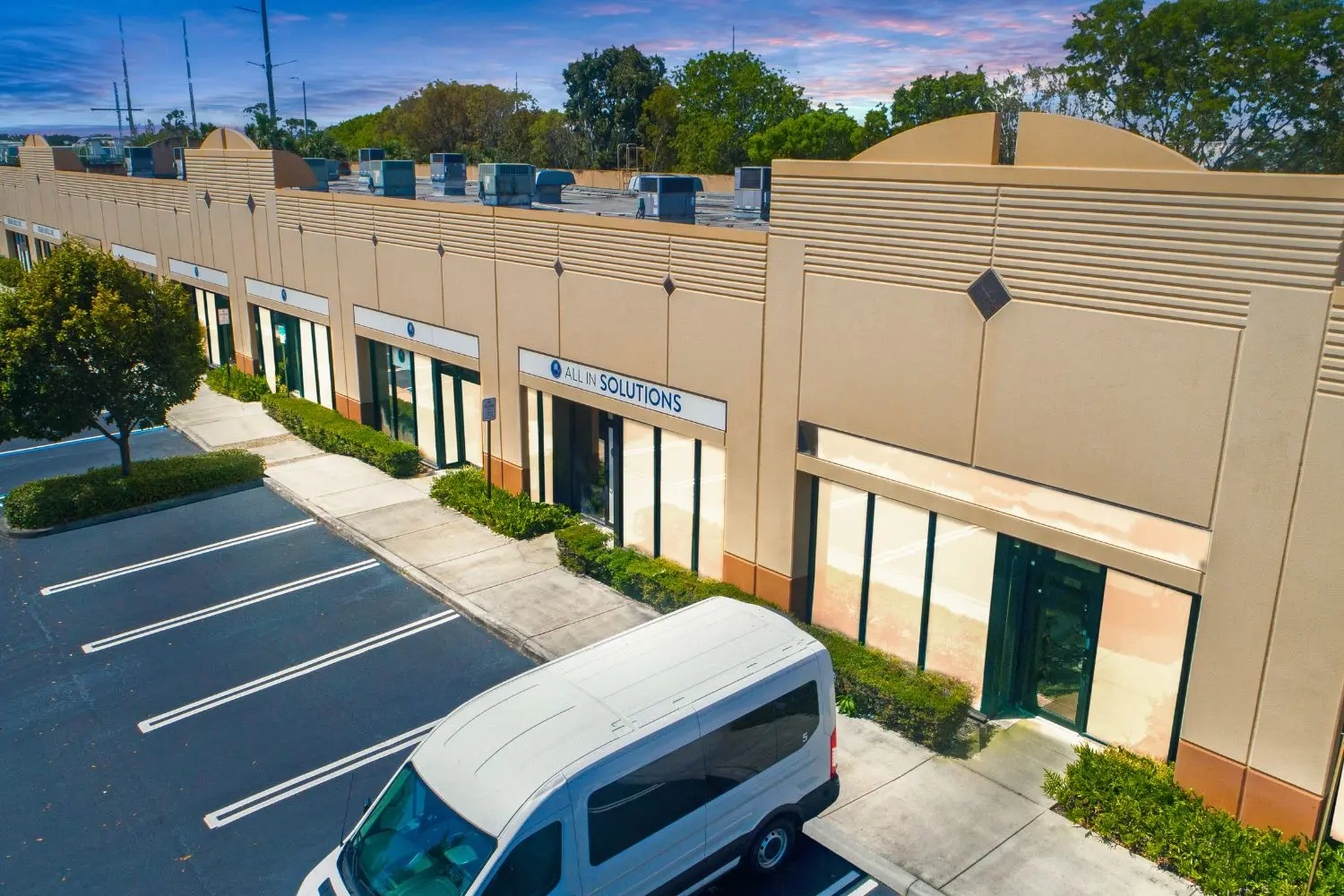
All In Solutions Wellness Center
1
Top 10 Rehab Centers In West Palm Beach



















































































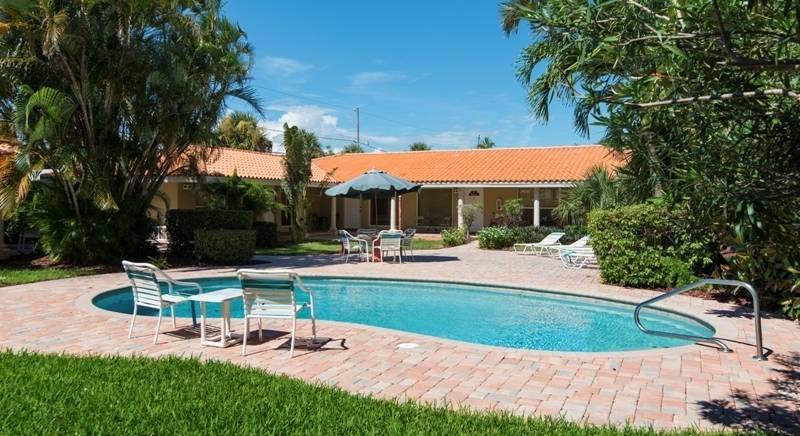
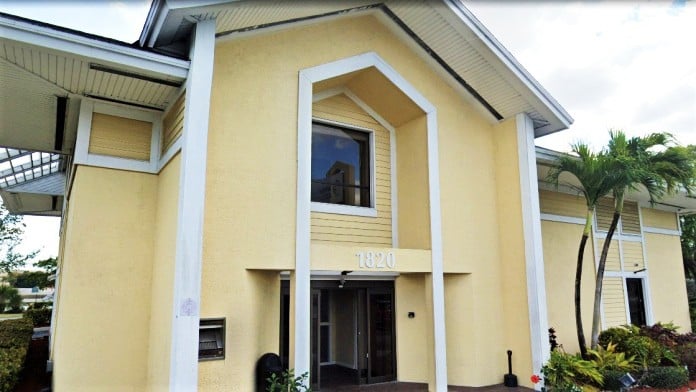
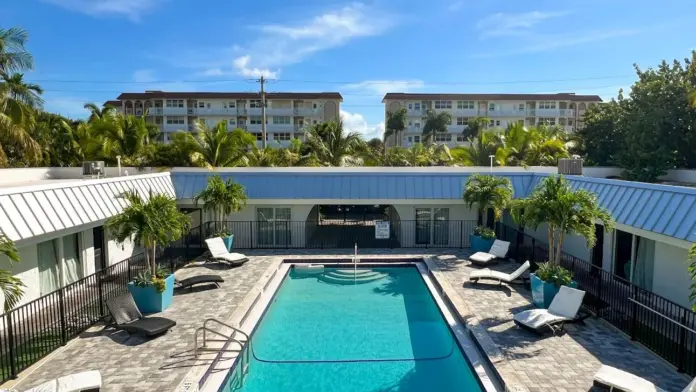
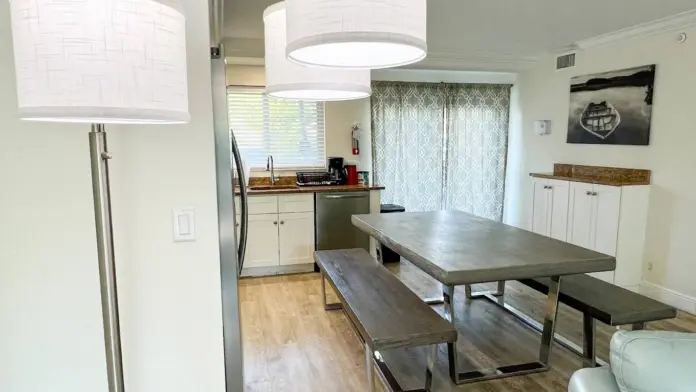
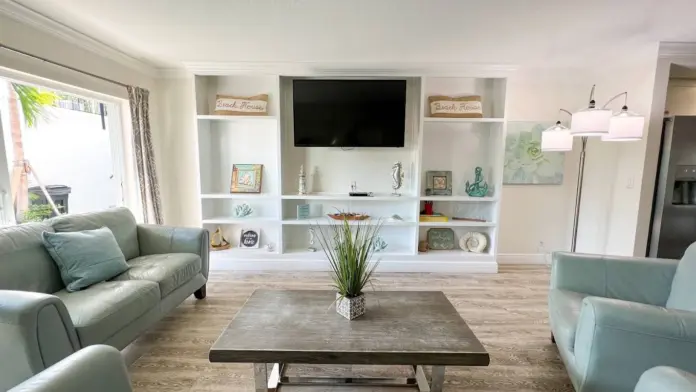
You’ll have a serene setting that encourages healing. They include amenities like a swimming pool, beach proximity, and apartment-styled residences.
They offer individual and group therapy sessions to examine any underlying mental or behavioral health disorder. Individual sessions are available in a confidential setting, and group meetings include time with others in recovery who can understand the challenges of sobriety. Your peers can form a network that’ll stay with you throughout your recovery.
During the first phase, you’ll attend therapy sessions to help with coping skills, recognizing their substance use triggers, and working on relapse prevention methods. Most guests remain in this phase for 28 to 120 days, depending on the severity of symptoms. They go grocery shopping, attend 12 Step meetings, and visit an off-site gym for exercise. The goal is to help them learn how to manage life’s challenges without them interfering with a healthy lifestyle.
The next phase is when guests reintegrate into their communities. They attend therapy sessions and continue living in the center’s housing. Case management is available to help with outside resources for ongoing recovery. Case managers may help with employment, healthcare, and transportation. The typical length of stay in this phase is 30 to 60 days.
Another unique feature of their program is nutrition therapy. The team understands that addiction and mental health issues can interfere with a healthy lifestyle. The Wellness Center focuses on the importance of health and nutrition with recovery.
They work with many health insurance plans, including Cigna, Aetna, and Carelon.
 30
30 
 Our Methodology



Private insurance refers to any kind of healthcare coverage that isn't from the state or federal government. This includes individual and family plans offered by an employer or purchased from the Insurance Marketplace. Every plan will have different requirements and out of pocket costs so be sure to get the full details before you start treatment.
Self-pay involves paying for treatment out of your own pocket. You can use savings or credit, get a personal loan, or receive help from family and friends to fund your treatment. If you don't have insurance or your insurance plan doesn't cover a specific program, self-pay can help ensure you still get the care you need.
Private insurance refers to any kind of healthcare coverage that isn't from the state or federal government. This includes individual and family plans offered by an employer or purchased from the Insurance Marketplace. Every plan will have different requirements and out of pocket costs so be sure to get the full details before you start treatment.
Residential treatment programs are those that offer housing and meals in addition to substance abuse treatment. Rehab facilities that offer residential treatment allow patients to focus solely on recovery, in an environment totally separate from their lives. Some rehab centers specialize in short-term residential treatment (a few days to a week or two), while others solely provide treatment on a long-term basis (several weeks to months). Some offer both, and tailor treatment to the patient's individual requirements.
12-step programs are addiction recovery models based on Alcoholics Anonymous (AA). A number of substance abuse programs (including some drug and alcohol rehab centers) use the 12 steps as a basis for treatment. Beginning steps involve admitting powerlessness over the addiction and creating a spiritual basis for recovery. Middle steps including making direct amends to those who've been hurt by the addiction, and the final step is to assist others in addiction recovery in the same way. 12-Step offshoots including Narcotics Anonymous (NA), Cocaine Anonymous (CA), Dual Recovery Anonymous (DRA), Sex and Love Addicts Anonymous (SLAA) and Gamblers Anonymous (GA).
A partial hospitalization program (PHP) is a short-term form of intensive rehab, usually for those with acute symptoms that are hard to manage but don't require 24-hour care. The phase I consists of partial hospitalization program with community housing component. During the PHP individuals attend 12-step meetings, they do their own grocery shopping and visit an offsite gym.
Outpatient rehabs encompass multiple levels of care to facilitate clients' progress through their recovery journey. Clients who are stepping down from inpatient treatment may require intensive outpatient (IOP) treatment, which involves more frequent and substantive therapeutic interventions than does standard outpatient care. Outpatient centers typically provide extensive addiction counseling, including individual, group, and family therapy. Medication assisted treatment programs (MAT) and recovery-focused life skills training are also common in outpatient care.
Intensive outpatient programs (IOP) involve frequent and robust therapeutic sessions for clients requiring high-level care. Clients may engage in a combination of medication assisted treatment (MAT), addiction counseling, recovery skills training, and holistic therapies for a minimum of nine and a maximum of 20 hours per week. Intensive outpatient rehab is designed primarily for persons in early recovery, those exiting detox or inpatient care, and those at an elevated relapse risk.
The first step of the recovery process involves the removal of all drugs and alcohol from your system while under 24/7 medical supervision. Known as a medically assisted detox, you are closely monitored by medical staff who can provide medications, if necessary, to help alleviate any potential withdrawal symptoms. Medical detox is usually followed by a period of inpatient addiction treatment.
Many of those suffering from addiction also suffer from mental or emotional illnesses like schizophrenia, bipolar disorder, depression, or anxiety disorders. Rehab and other substance abuse facilities treating those with a dual diagnosis or co-occurring disorder administer psychiatric treatment to address the person's mental health issue in addition to drug and alcohol rehabilitation. At Wellness Resource Center, their treatment is personalized for those individuals who are dealing with dual diagnosis issues.
Substance rehabs focus on helping individuals recover from substance abuse, including alcohol and drug addiction (both illegal and prescription drugs). They often include the opportunity to engage in both individual as well as group therapy.
Adult rehab programs include therapies tailored to each client's specific needs, goals, and recovery progress. They are tailored to the specific challenges adult clients may face, including family and work pressures and commitments. From inpatient and residential treatment to various levels of outpatient services, there are many options available. Some facilities also help adults work through co-occurring conditions, like anxiety, that can accompany addiction.
Recovery is most successful when clients feel accepted and validated by their peers and treatment providers. Facilities that offer LGBTQ-inclusive programming are committed to creating a safe space where everyone can grow and recover without fear of judgment or discrimination. They will have dedicated policies in place to create a safe and supportive environment that fosters free expression.
Young adulthood can be an exciting, yet difficult, time of transition. Individuals in their late teens to mid-20s face unique stressors related to school, jobs, families, and social circles, which can lead to a rise in substance use. Rehab centers with dedicated young adult programs will include activities and amenities that cater to this age group, with an emphasis on specialized counseling, peer socialization, and ongoing aftercare.
Serving in the military is both mentally and physically challenging, and can result in trauma that persists even after combat ends. Military programs are tailored to the specific and often complex needs of active duty personnel, veterans, and military families. Clients often access these programs through the U.S. Department of Veterans Affairs (VA).
Cognitive Behavioral Therapy (CBT) is a therapy modality that focuses on the relationship between one's thoughts, feelings, and behaviors. It is used to establish and allow for healthy responses to thoughts and feelings (instead of unhealthy responses, like using drugs or alcohol). CBT has been proven effective for recovering addicts of all kinds, and is used to strengthen a patient's own self-awareness and ability to self-regulate. CBT allows individuals to monitor their own emotional state, become more adept at communicating with others, and manage stress without needing to engage in substance abuse.
Creativity is inherently healing, and can help those in recovery express thoughts or feelings they might not otherwise be able to. Creative arts therapy can include music, poetry/writing, painting, sculpting, dance, theater, sandplay, and more. Unlike traditional art, the final product matters far less than the experience of creation and expression itself.
Dialectical Behavior Therapy (DBT) is a modified form of Cognitive Behavioral Therapy (CBT), a treatment designed to help people understand and ultimately affect the relationship between their thoughts, feelings, and behaviors. DBT is often used for individuals who struggle with self-harm behaviors, such as self-mutilation (cutting) and suicidal thoughts, urges, or attempts. It has been proven clinically effective for those who struggle with out-of-control emotions and mental health illnesses like Borderline Personality Disorder.
Eating disorders include anorexia, bulimia, binge eating, and dysfunctional eating patterns. Many psychologists and other mental health professionals consider eating disorders to be food addictions, meaning food is being used in an addictive way (similar to drug or alcohol addiction). Certain substance abuse treatment programs will have treatment for eating disorders as one of the services offered. An eating disorder may also present as a co-occuring disorder or dual diagnosis alongside drug and alcohol addiction.
Equine therapy, aka equine-assisted therapy (EAT), is a form of experiential therapy that involves interactions and activities with horses. It does not necessarily involve riding horses, but all activities related to horses, such as feeding, grooming, haltering and leading them. A mental health professional frequently oversees the activities (often in conjunction with a horse professional), and helps patients process their thoughts, feelings, and behavior patterns during and/or after the interaction.
Experiential therapy is a form of therapy in which clients are encouraged to surface and work through subconscious issues by engaging in real-time experiences. Experiential therapy departs from traditional talk therapy by involving the body, and having clients engage in activities, movements, and physical and emotional expression. This can involve role-play or using props (which can include other people). Experiential therapy can help people process trauma, memories, and emotion quickly, deeply, and in a lasting fashion, leading to substantial and impactful healing.
At Wellness Resource Center, they recognize the importance of family involvement when it comes to assisting individuals in successfully overcoming addictions and learning to manage symptoms of mental illness. For this reason, they are immensely proud to offer their Family Program. Their center’s standard family programming components include a bimonthly Family Program held at the facility, located in Boca Raton, FL, as well as regular phone / email updates from your loved one’s Primary Therapist. All families and friends are advised to attend Al-Anon meetings for additional support.
Group therapy is any therapeutic work that happens in a group (not one-on-one). There are a number of different group therapy modalities, including support groups, experiential therapy, psycho-education, and more. Group therapy involves treatment as well as processing interaction between group members.
In individual therapy, a patient meets one-on-one with a trained psychologist or counselor. Therapy is a pivotal part of effective substance abuse treatment, as it often covers root causes of addiction, including challenges faced by the patient in their social, family, and work/school life.
Life skills trainings involve all the skills a person must have in order to function successfully in the world. These include time management, career guidance, money management, and effective communication. Truly successful addiction recovery is based on the ability to not only live substance-free, but to thrive. Life skills teaches the practical necessities of functioning in society, which sets clients up for success in life, and therefore sobriety.
Trauma therapy addresses traumatic incidents from a client's past that are likely affecting their present-day experience. Trauma is often one of the primary triggers and potential causes of addiction, and can stem from child sexual abuse, domestic violence, having a parent with a mental illness, losing one or both parents at a young age, teenage or adult sexual assault, or any number of other factors. The purpose of trauma therapy is to allow a patient to process trauma and move through and past it, with the help of trained and compassionate mental health professionals.
As a short term therapeutic method, motivational interviewing in Florida requires only a couple of sessions. During these sessions, you'll have the opportunity to talk about your circumstances and any discrepancies between your current situation and future goals. You'll then decide for yourself what changes you want to make.
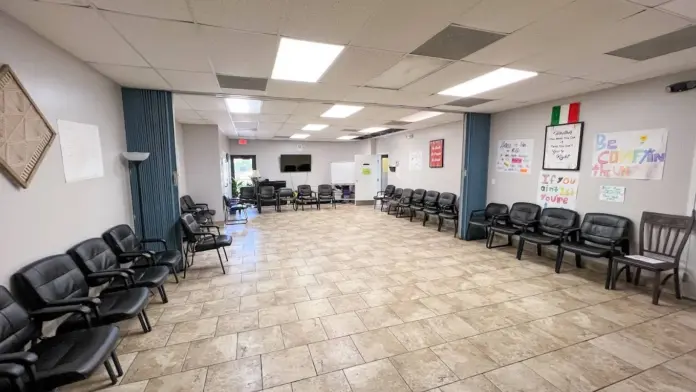
 Private Setting
  Private Rooms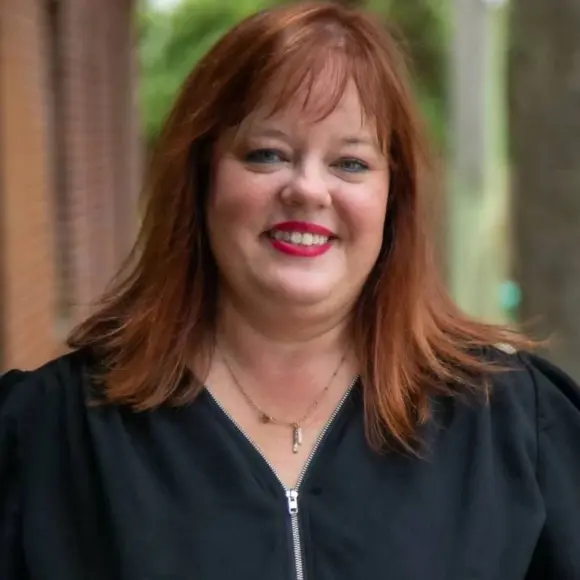
CEO
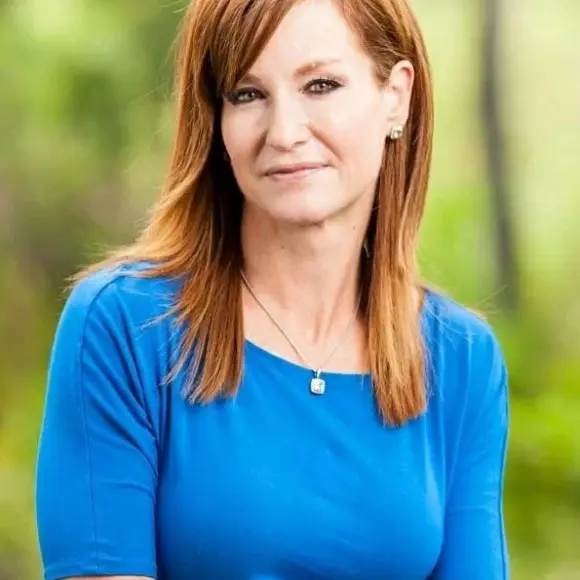
CFO
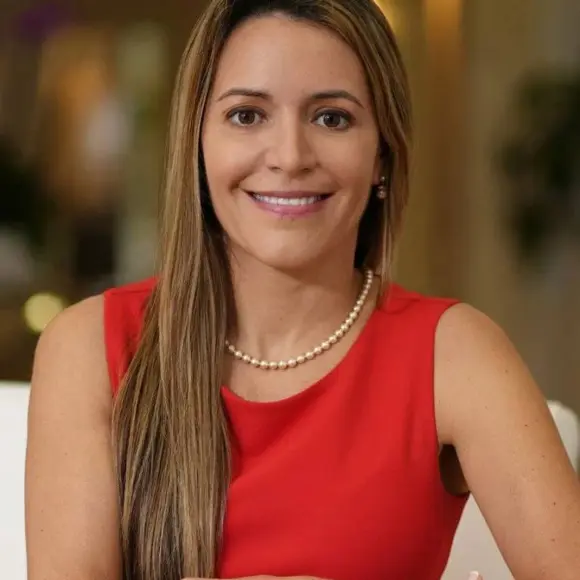
Medical Director

The Commission on Accreditation of Rehabilitation Facilities (CARF) is a non-profit organization that specifically accredits rehab organizations. Founded in 1966, CARF's, mission is to help service providers like rehab facilities maintain high standards of care.
CARF Accreditation: Yes
Accreditation Number: 211236

The National Association of Addiction Treatment Providers (NAATP) is a professional association that represents organizations in the field of addiction services. Founded in 1978, NAATP's mission is to advance addiction services and ensure that high-quality addiction treatment is available and accessible.
NAATP Member: Yes
Member ID: 1442

State Licenses are permits issued by government agencies that allow rehab organizations to conduct business legally within a certain geographical area. Typically, the kind of program a rehab facility offers, along with its physical location, determines which licenses are required to operate legally.
State License: Florida
Rehab.com regularly reviews this listing for accuracy but changes may occur between updates. For the most up-to-date information, please contact Wellness Resource Center.

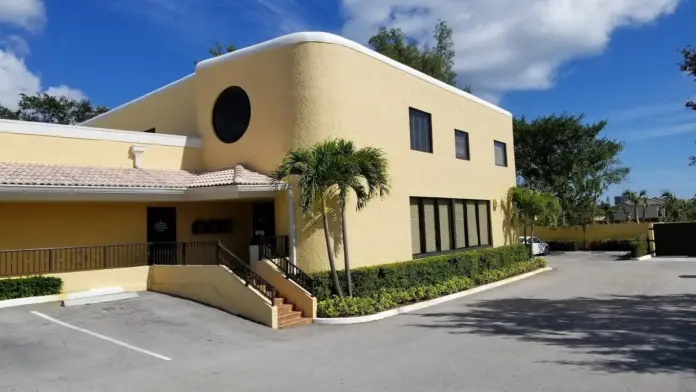
7940 North Federal Highway
Boca Raton FL, 33487
Sponsored Helpline

Very caring staff from top to bottom. You really get what you put into it and the support is definitely available at your fingertips.

the therapists are great especially sandra. miss jen the case manger was great helped me get food stamps the day i got there. vannesse the bht is the sweetest most welcoming person in world and she is very accommodating to your needs. sam and shapiro and travis are also very great techs and very nice and easy to talk i highly recommend wellness resource center


This review is over due but this place has literally saved my life. I went to Wellness for Mental Health in Jan/feb of 2025 and left may2025. I was scared & shut down when I arrived. Came from a different treatment facility before wellness and it was a horrible experience, but they were very warm, kind and compassionate to me. I was given the tools and knowledge to heal and build stronger mindset. I could literally feel my self esteem & confidence growing. The therapy I received was 1 on 1 & group. Shevon is a great therapist! I wish I still had him as my therapist tbh. His dedication to his work and his empathetic nature was crucial in my recovery. Sorina and Jessica are like yin and yang. Their teaching styles are different but necessary. They are amazing at their jobs! Then you have Kim…. The CEO, never in my entire life have I ever seen a CEO so involved and actually genuinely interested in the ppl coming in/out the doors. I owe so much to Kim. When I couldn’t find a place to stay once my recovery was over she never let me feel alone or worry that I’d be homeless. She did whatever she could to help me until I was able to leave her facility standing tall with my head held high. I’m so thankful for Kim! She could’ve just seen me as a number, she could’ve just shown face and kept it moving but she showed up not just to the Rehab Center but also to the housing complex as well. She’d stay and talk to each person who needed a word with her. She’s a busy woman but to come to the housing and sit and talk to us and listen to our concerns and or wishes…. I’ve never seen a CEO do that. The out come of these ppl combined has helped my Mental Health Recovery in ways I’ll never be able to express to them. I hope one day I can let them know the tremendous impact on my life they’ve made. I can confidently say I would NOT be here today if it wasn’t for each and every one of them. Others played a role too but those were the biggest players in the roster. Then you have the Tech Vanessa, I’m not sure if she’s still there but if she is then I hope she knows the lives she’s helping too. Her role is so vital and intense. She’s like the heartbeat of the operation on a day to day basis. She’s everything all wrapped into one. She’s so good at her job and she really cares for the people who are there to recover. I was amazed at how she had so much on her plate workload wise and yet still smiled still laughed still talked to you with respect. Housing at wellness can be chaos sometimes depending on the group of ppl staying there but she handles all the moments with class. Her ability to defuse any situation is remarkable. I know she was a worker and I was a patient but I considered her a friend during my stay there. I didn’t know a single person who didn’t like Vanessa. Omg I can’t forget Donna! That spicy woman is the most interesting and amazing person at housing. While Vanessa handles alot Donna is right behind her. I miss Donna so much.. She was all about following the rules & demanded respect back. Now I’ll speak on the facilities…. From the Center to the housing it was always clean and accessible. The apts are very nice and welcoming. Updated too.. Listen, if you take this place seriously and give yourself a chance to absorb everything they teach then you’ll get better too! You gotta want it tho…. It’s more addiction based but there’s enough mental health stuff to atleast help build you back up enough to continue your recovery once you leave. They’ve gotten rid of bad employees, the medical staff aren’t up to par, the psychiatrist is still my DR tho. You go on trips a lot, every time I had an issue w/ another client they’d defuse the situation quickly. If you get into other ppls business then you aren’t focused on YOUR recovery, don’t worry about ppl relapsing just pray they keep trying to get better. That’s what counts. Dont judge. This place is what it is because the ppl are great and have compassion and empathy. Not many ppl out there these days that are like that. I 1000 % recommend this place.
 Back
Back
Sharing your insights and experiences can help others learn more about this rehab center.
 Written By: Patti Croft
MBA
Written By: Patti Croft
MBA
