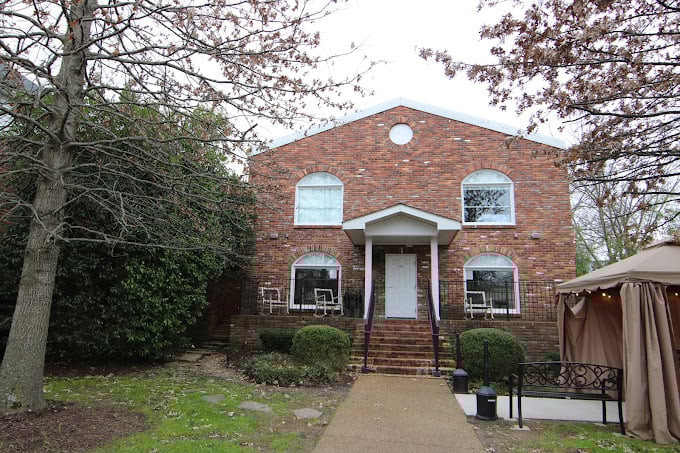
About Western Arkansas Counseling and Guidance Center, Inc (The Guidance Center)
Their staff are highly skilled and experienced in mental health and addiction therapy. I like that they prioritize individualized care because this tailors treatment to your unique needs. I also appreciate that they offer very affordable services with flexible funding options. This includes Medicaid, Medicare and various private insurance plans.
You can consider their outpatient services if you need flexible treatment for a mild to moderate substance use disorder. You’ll receive 72 hours of residential treatment in their crisis stabilization unit if you are experiencing serious mental health and substance use disorders.
Their outpatient program starts with substance use treatment and continues with individual and group therapy. Group therapy creates a supportive network that promotes learning with individuals who have experiences similar to yours. You’ll learn how to communicate effectively, manage your mood and build healthy relationships. This strengthens your coping and relapse prevention skills and allows you to better control negative behavioral patterns that fuel substance abuse.
They may offer medication assisted treatment (MAT) if relevant to your recovery. This technique uses FDA approved medicines and counseling to support recovery from opioid or alcohol addiction.
Their program integrates medication management to help those with dual diagnosis conditions. They also provide a court ordered education program for DUI and DWI offenders. Another cool thing about this facility is that their services include telehealth support. This means you can potentially receive therapeutic support from the comfort of your home. They also offer family counseling and case management services.
Once you complete treatment you may receive aftercare. This provides ongoing support for long term success. These services may include continued counseling, support groups and referrals to community resources.
It’s a wonderful place. Everyone is very polite. And the people here are amazing
Response from the owner1 day ago
Thank you so much for the wonderful 5-star review! We're grateful to hear that you've had such a positive experience with our team. Kindness, respect, and compassionate care are at the heart of what we do, and your words mean so much to all of us at The Guidance Center.
The staff has and been going above and beyond for me. They have people in the right place.
Response from the owner1 day ago
Thank you so much for the 5-star review and for taking the time to share your experience. It means a great deal to hear that our staff has gone above and beyond to support you. We are grateful for such a caring and dedicated team, and we're glad you've felt that support firsthand. Thank you for trusting The Guidance Center to be part of your journey, and we wish you all the best moving forward.
I’ve worked in juvenile treatment/mental health services for over 20 years in Arkansas and Texas. . I chose the Guidance center for my own family’s mental health needs. I’ve worked at the acute mental health hospital in Fort Smith, numerous DHS facilities in Arkansas, I’ve been a parole officer, and I’ve worked collaboratively with patients that were also attending the Guidance center. When the need for mental health services came up in my personal life, The Guidance Center was the only place I was taking my child to. Provider S. Posey has been and is amazing with youth. Everyone, from the two very nice ladies at the front desk to therapist and providers I’ve engaged with, have all been amazing.
Thank you all for making a difference.
Response from the owner1 day ago
Thank you for sharing such a thoughtful review. Your trust means so much to us, especially given your many years of experience in juvenile treatment and mental health services. We are grateful that you chose The Guidance Center for your family's care.
We will be sure to share your kind words with S. Posey and our entire team. Thank you for recognizing the compassion and dedication of our front desk staff, therapists, and providers. It is an honor to serve your family and our community.
Scoring is assigned by a proprietary system which helps surface key metrics that determine quality. The 10-point scale factors in categories such as operations, customer satisfaction, and trust metrics. Read Full Methodology
6.7 / 10
Location
Other Forms of Payment
Private insurance refers to any kind of healthcare coverage that isn't from the state or federal government. This includes individual and family plans offered by an employer or purchased from the Insurance Marketplace. Every plan will have different requirements and out of pocket costs so be sure to get the full details before you start treatment.
Self-pay involves paying for treatment out of your own pocket. You can use savings or credit, get a personal loan, or receive help from family and friends to fund your treatment. If you don't have insurance or your insurance plan doesn't cover a specific program, self-pay can help ensure you still get the care you need.
Financial aid can take many forms. Centers may have grants or scholarships available to clients who meet eligibility requirements. Programs that receive SAMHSA grants may have financial aid available for those who need treatment as well. Grants and scholarships can help you pai for treatment without having to repay.
Sliding scale payments are based on a client's income and family size. The goal is to make treatment affordable to everyone. By taking these factors into account, addiction recovery care providers help ensure that your treatment does not become a financial burden to you or your family, eliminating one barrier to care.
Medicare is a federal program that provides health insurance for those 65 and older. It also serves people under 65 with chronic and disabling health challenges. To use Medicare for addiction treatment you need to find a program that accepts Medicare and is in network with your plan. Out of pocket costs and preauthorization requirements vary, so always check with your provider.
Military members, veterans, and eligible dependents have access to specific insurance programs that help them get the care they need. TRICARE and VA insurance can help you access low cost or no cost addiction and mental health treatment. Programs that accept military insurance often have targeted treatment focused on the unique challenges military members, veterans, and their families face.
Medicaid is a state based program that helps lower-income individuals and families pay for healthcare. Medicaid covers addiction treatment so those enrolled can use their coverage to pay for rehab. When a program accepts Medicaid the client often pays very little or nothing out of their own pocket.
Addiction Treatments
Levels of Care
Outpatient Programs (OP) are for those seeking mental rehab or drug rehab, but who also stay at home every night. The main difference between outpatient treatment (OP) and intensive outpatient treatment (IOP) lies in the amount of hours the patient spends at the facility. Most of the time an outpatient program is designed for someone who has completed an inpatient stay and is looking to continue their growth in recovery. Outpatient is not meant to be the starting point, it is commonly referred to as aftercare.
Clients undergoing treatment at an inpatient rehab receive extensive therapeutic support through daily addiction counseling and recovery-focused services. These often include addiction education and life skills training. Many inpatient facilities also offer evidence-based holistic therapies, such as massage, yoga, acupuncture, creative arts therapy, and experiential therapy. Inpatient care is typically best suited for clients who recently completed detox, are in early recovery, or at a heightened risk of relapse.
Clients enrolled in intensive outpatient programs (IOP) may receive up to 20 hours of outpatient treatment per week, but a minimum of nine hours is standard. The intensity and frequency of treatment declines gradually as clients become more stable and prepare to transition to standard outpatient programs. Intensive outpatient treatments generally encompass a variety of modalities, including individual, group, and family therapy, recovery-focused life skills training, and medication assisted treatment (MAT).
12 step programs are designed to foster participants' recovery through spiritual development, promoting healing in mind, body, and spirit. Participants engage in 12 step meetings, which are free, anonymous, and accessible daily, including evening, night, and weekend group sessions. Participants also self-select a sponsor to support them throughout their recovery journey. Though rooted in spiritual principles, participants do not have to be religiously-affiliated. Specialized formats, including gender and age-specific ones, are available.
A sober living home in Arkansas provides a safe, sober-living scenario for those in recovery. If you have concerns about returning to daily life after treatment, this might be a good option for you to make a slower transition. You'll live with others in recovery, abide by strict halfway house rules, and maintain responsibilities through work and household chores. Your length of stay is flexible based on personal needs.
A drug intervention in Arkansas is an organized effort made by the loved ones of a person who's struggling with substance abuse. The goal is to show the person how their addiction has negatively affected the lives of family and friends. While some loved ones plan an intervention on their own, it's best to rely on professional intervention services that are available. Involving an expert for insight and guidance can often increase the chances of success for the intervention.
As a short-term outpatient treatment option, a partial hospitalization program (PHP) is often beneficial for those who don't need 24-hour care. PHPs can be used as an alternative to inpatient hospitalization or as a step down from a residential program. For a minimum of 20 hours a week, you'll make a commute to the center and return home in the evening. During PHP treatment, you can receive medication management, relapse prevention strategies, and behavioral therapy interventions.
During many phases of addiction treatment, you'll need to receive 24-hour clinical care in Arkansas. This supervision ensures your safety during the detox process. Licensed medical professionals and experienced addiction specialists provide medication management, non-addictive medication to curb withdrawal symptoms, and frequent monitoring of vital signs.
The process of a medically assisted detox is when all addictive substances are removed from your body. Usually performed in an inpatient setting, you are under the 24/7 care of licensed medical medical professionals who keep you safe and comfortable during the detoxification. Medications are often administered to help alleviate potential withdrawal symptoms.The process can vary in length, but it typically takes 5-7 days.
Programs
Adult rehab programs include therapies tailored to each client's specific needs, goals, and recovery progress. They are tailored to the specific challenges adult clients may face, including family and work pressures and commitments. From inpatient and residential treatment to various levels of outpatient services, there are many options available. Some facilities also help adults work through co-occurring conditions, like anxiety, that can accompany addiction.
Young adulthood can be an exciting, yet difficult, time of transition. Individuals in their late teens to mid-20s face unique stressors related to school, jobs, families, and social circles, which can lead to a rise in substance use. Rehab centers with dedicated young adult programs will include activities and amenities that cater to this age group, with an emphasis on specialized counseling, peer socialization, and ongoing aftercare.
Serving in the military is both mentally and physically challenging, and can result in trauma that persists even after combat ends. Military programs are tailored to the specific and often complex needs of active duty personnel, veterans, and military families. Clients often access these programs through the U.S. Department of Veterans Affairs (VA).
Clinical Services
One of the most common types of psychotherapy, cognitive behavioral therapy in Arkansas is an effective tool for the treatment of substance use disorder. It is a common therapeutic method that is used to treat a variety of mental and behavioral health challenges.
Developed in the 1970s, dialectical behavior therapy (DBT) is a type of psychotherapy based in cognitive behavior therapy. DBT is designed specifically to help people who experience emotions intensely. It is used to treat substance use disorder, anxiety, and depression, among other mental health disorders.
Group therapy offers men and women the opportunity to learn essential coping skills from their peers who have practiced these skills in the community. You learn new communication techniques and relapse prevention strategies that promote sobriety and sustainable recovery.
Individual therapy gives men and women in Arkansas the chance to engage in one on one therapy sessions that focus on identifying personal triggers and high risk situations for drug and alcohol addiction. Your therapist works together with you to develop coping strategies and build resilience that promotes sustainable recovery.
Motivational interviewing is a conversational approach to treatment. It helps you express your desire for change, reflect on any ambivalence you're feeling about change, and plan for the next steps to make the changes you desire.
The goal of trauma therapy is to address the lingering mental, emotional, and physical lingering effects of a traumatic event. Your therapist helps you process this trauma and build resilience to face future challenges.
If you participate in couples therapy, your therapist may use one or more methods to help you improve communication and resolve conflict. These techniques can include emotionally focused therapy, psychodynamic couple's therapy, and cognitive behavioral therapy.
Families in Arkansas use family therapy to enhance communication and understand the effect that addiction has on family members. The goal is to help members identify and modify negative behaviors and create a more cohesive and supportive environment that is conducive to recovery.
Developing life skills while undergoing rehab treatment in Arkansas is a crucial part of your recovery. During treatment, you may focus on learning communication skills, critical thinking skills, problem solving, self awareness, assertiveness, and coping skills.
Amenities
Residential Setting
Private Rooms
Accreditations
The Commission on Accreditation of Rehabilitation Facilities (CARF) is a non-profit organization that specifically accredits rehab organizations. Founded in 1966, CARF's, mission is to help service providers like rehab facilities maintain high standards of care.
CARF Accreditation: Yes
State Licenses are permits issued by government agencies that allow rehab organizations to conduct business legally within a certain geographical area. Typically, the kind of program a rehab facility offers, along with its physical location, determines which licenses are required to operate legally.
State License: Arkansas
Rehab.com regularly reviews this listing for accuracy but changes may occur between updates. For the most up-to-date information, please contact Western Arkansas Counseling and Guidance Center, Inc (The Guidance Center).
Reviews of Western Arkansas Counseling and Guidance Center, Inc (The Guidance Center)
2.62/5
(124 reviews)
4.5
Staff
3.5
Amenities
3
Meals
4
Value
3.5
Cleanliness
5
43
4
8
3
3
2
9
1
69
Reviews
4
Staff Really Got Me
Staff really listened and made space for me to be fully myself. I felt seen, not judged. Some therapy felt a lil' basic, but I found healing through art and one-on-one convos. Would totally return if needed.
Jordan T.
Reviewed on 4/1/2025
Staff
4
Amenities
4
Meals
3
Value
4
Cleanliness
3
4
They really helped my son!
As a mother who's seen her son relapse more than once, I truly appreciated the patience and professionalism here. The counselors explained things to me clear and didn’t rush us. My son responded well, especially to their structure and follow-up care. I only wish they offer ...
Read More
Perhaps this place is overwhelmed or under funded but my personal experience is that they don’t care and employees just clock in and clock out. They dropped the ball with therapy because the counselor appointed resigned or quit, whatever happened no one reached out to establish setting up another therapist. When I called to follow up on the next steps after the last appointment, they treated it as a new applicant and had to go through the whole process all over again. After speaking with 2 different therapist or counselors, all the notes were lost supposedly. It’s unfortunate because with Medicaid insurance coverage they give you the bare minimum. It’s taken months and hours of waiting to get support. Still not happy with the service provided but this is the only solution due to insurance. Even the PCP at Mercy says this is the only solution of insurance. Only 2 stars for the front desk lady Brittany, for being kind.
Response from the owner
Thank you for sharing your experience with us. We are so sorry your experience left you feeling like we didn't care. This is definitely not our intention. We also apologize for the frustration you experienced, especially with having to repeat information and feeling like you were starting over after your therapist left. We understand how discouraging that had to be when you're trying to get help.
We're glad Brittany was kind and helpful to you. We would also like the chance to look into your concerns more closely. We do not want anyone else to have this experience as we do take our client's mental health very seriously. Please reach out to our Client Advocate, Shea Brown at Shea.brown@wacgc.org or call 479-452-6650 so we can better understand what happened and work to address it.
Brian
1 week ago
3
The therapist I saw was nice, but the medication management side is ruined by a NP that won't accept education if they're wrong, wasted my time which led to me ending up in another mental health hospital and finally got the Zyprexa I need, I spent more time arguing than getting treatment.
Response from the owner
Thank you for sharing this with us. We're glad you had a positive experience with your therapist, but we're very sorry that the medication management side of your care left you feeling frustrated and unheard.
When someone comes to us for help, we want them to feel listened to, respected, and supported throughout their treatment. We're also sorry to hear that things became more difficult for you afterward, and we sincerely hope you are now getting the care you need.
We can't discuss the details of your treatment publicly, but we would appreciate the opportunity to speak with you directly and better understand your experience. If you are willing to talk with us, please call 479-452-6650 and ask for Shea, our Client Advocate. You may also email Shea at Shea.brown@wacgc.org.
Priscilla Martinez
1 month ago
5
It’s a wonderful place. Everyone is very polite. And the people here are amazing
Response from the owner
Thank you so much for the wonderful 5-star review! We're grateful to hear that you've had such a positive experience with our team. Kindness, respect, and compassionate care are at the heart of what we do, and your words mean so much to all of us at The Guidance Center.
Earnest Neal
2 months ago
5
The staff has and been going above and beyond for me. They have people in the right place.
Response from the owner
Thank you so much for the 5-star review and for taking the time to share your experience. It means a great deal to hear that our staff has gone above and beyond to support you. We are grateful for such a caring and dedicated team, and we're glad you've felt that support firsthand. Thank you for trusting The Guidance Center to be part of your journey, and we wish you all the best moving forward.
Chika Uchendu is an expert freelance SEO writer, proofreader and editor with over 10 years experience delivering compelling and digestible articles across multiple verticals for various reputable digital publishers. His core specialties are personal finance and investing, technology, and health and wellness. He is deeply passionate about addiction treatment and recovery and is dedicated to raising awareness and offering valuable insights that help individuals understand and overcome this critical issue. He has a master’s in digital marketing. In his free time, he enjoys playing sports, hiking and outdoor adventures, and traveling to explore new cultures.
By calling the helpline you agree to the terms of use. We do not receive any commission or fee that is dependent upon which treatment provider a caller chooses. There is no obligation to enter treatment.
Calls to numbers on a specific treatment center listing will be routed to that treatment center. Calls to any general helpline could be forwarded to SAMHSA or a verified treatment provider.
If you wish to connect with non-sponsor centers, you can browse top-rated listings, visit our homepage and browse by state, or visit SAMHSA.

 Sponsored Helpline


































































































 Residential Setting
  Private Rooms