





























































































About Alter Behavioral Health – Irvine
The Alter Behavioral Health Irvine facility is located in Irvine, California. This is an inpatient treatment center that supports men and women who are experiencing struggles with their mental health or have a co occurring substance use disorder.
Wrap Around Support in Irvine
This treatment center combines evidence based approaches to recovery like medication assisted treatment with holistic therapies such as yoga, meditation, and recreational activities. With this comprehensive approach, you’ll work towards a healthier and sober future.
Most people enrolled in this program will live here anywhere from 30 to 45 days depending on their recovery plan. From there, they’ll usually step down into an outpatient program.
Resort Style Rehab
The clinical treatment here is just as supportive as the serene setting you’ll find yourself in. This treatment center is an upscale residential community that has a resort style feel to it. There are comfortably designed and spacious bathrooms, chef prepared meals, a tranquil backyard that features a zen water fountain and spacious walking grounds, and other amenities for you to enjoy. You’ll feel at peace and at ease as you work through recovery.
There’s also a personal trainer on site who will help you approach recovery from a physical standpoint, while counselors will encourage you to take control over your emotions and thought patterns through targeted therapy.
Facility Overview
 6
6 Latest Reviews



Rehab Score
 Our Methodology


Gallery





Accepted Insurance
Other Forms of Payment
Private insurance refers to any kind of healthcare coverage that isn't from the state or federal government. This includes individual and family plans offered by an employer or purchased from the Insurance Marketplace. Every plan will have different requirements and out of pocket costs so be sure to get the full details before you start treatment.
Self-pay involves paying for treatment out of your own pocket. You can use savings or credit, get a personal loan, or receive help from family and friends to fund your treatment. If you don't have insurance or your insurance plan doesn't cover a specific program, self-pay can help ensure you still get the care you need.
Financial aid can take many forms. Centers may have grants or scholarships available to clients who meet eligibility requirements. Programs that receive SAMHSA grants may have financial aid available for those who need treatment as well. Grants and scholarships can help you pai for treatment without having to repay.
Addiction Treatments
Levels of Care
Residential treatment programs are those that offer housing and meals in addition to substance abuse treatment. Rehab facilities that offer residential treatment allow patients to focus solely on recovery, in an environment totally separate from their lives. Some rehab centers specialize in short-term residential treatment (a few days to a week or two), while others solely provide treatment on a long-term basis (several weeks to months). Some offer both, and tailor treatment to the patient's individual requirements.
Clients receiving treatment at an outpatient rehab typically do not require hospitalization or intensive supervision and support. Outpatient addiction counseling and recovery education are often offered during the morning, evening, night, and weekend, allowing clients to tailor treatment to their own schedule. Partial hospitalization (PHP) and intensive outpatient (IOP) programs are the most time-intensive and are designed for clients who are at an increased relapse risk and/or who need more robust therapeutic support.
Intensive outpatient programs (IOP) support a client's sustained sobriety as they exit detox or step down from an inpatient program. IOPs are also designed for clients who are at an elevated risk of relapse. Intensive outpatient treatment typically requires clients to engage in a minimum of nine hours of therapy per week, but clients may receive up to 20 therapeutic hours weekly. IOP treatment modalities often combine psychotherapy, recovery-focused life skills training, and medication assisted treatment (MAT).
When an individual is in denial about their substance use disorder, their loved ones may organize a drug intervention in California. This effort involves gently but assertively confronting the individual about their substance use and sharing how it has affected those who care about them. A professional interventionist may also attend this gathering. Their expertise with intervention services can prove helpful in guiding the conversation to a positive result.
Commonly known as "day treatment," a partial hospitalization program (PHP) is an intensive form of outpatient treatment where clients meet during the day and return home in the evening. PHP treatment doesn't require 24-hour care and often serves as an alternative to inpatient hospitalization or a step-down after a residential program. With PHP treatment, you can receive daily support for 6 to 8 hours which includes evidence-based therapies and medication management. The cost of PHP treatment typically varies but averages 90 days.
During the first phase of recovery – detox – it is crucial to have 24-hour clinical care in California. This care provides constant monitoring in order to ensure your safely and comfort as you progress through the withdrawal process for drug or alcohol addiction. Licensed professionals prescribe medications to treat withdrawal symptoms and provide frequent monitoring to ensure your safely as addictive toxins leave your system.
When addicted, quitting your drug of choice suddenly can be dangerous. That's why experts agree a medically assisted detox is the safest way to remove addictive substances from the body. Usually done in an inpatient setting, your vitals signs and overall well being are consistently monitored and rechecked in order to keep you safe and ensure the detox is successful.
Treatments
Mental health rehabs focus on helping individuals recover from mental illnesses like bipolar disorder, clinical depression, anxiety disorders, schizophrenia, and more. Mental health professionals at these facilities are trained to understand and treat mental health issues, both in individual and group settings.
Programs
Adult rehab programs include therapies tailored to each client's specific needs, goals, and recovery progress. They are tailored to the specific challenges adult clients may face, including family and work pressures and commitments. From inpatient and residential treatment to various levels of outpatient services, there are many options available. Some facilities also help adults work through co-occurring conditions, like anxiety, that can accompany addiction.
Clinical Services
Group therapy is any therapeutic work that happens in a group (not one-on-one). There are a number of different group therapy modalities, including support groups, experiential therapy, psycho-education, and more. Group therapy involves treatment as well as processing interaction between group members.
In individual therapy, a patient meets one-on-one with a trained psychologist or counselor. Therapy is a pivotal part of effective substance abuse treatment, as it often covers root causes of addiction, including challenges faced by the patient in their social, family, and work/school life.
Trauma therapy addresses traumatic incidents from a client's past that are likely affecting their present-day experience. Trauma is often one of the primary triggers and potential causes of addiction, and can stem from child sexual abuse, domestic violence, having a parent with a mental illness, losing one or both parents at a young age, teenage or adult sexual assault, or any number of other factors. The purpose of trauma therapy is to allow a patient to process trauma and move through and past it, with the help of trained and compassionate mental health professionals.
Cognitive behavioral therapy in California is a method that therapists often use for the effective treatment of substance use disorders. It is based on the principle that substance abuse stems from unhelpful ways of thinking and patterns of behavior, which can be changed by helping the individual learn better ways of coping.
While participating in dialectical behavior therapy in California, you'll focus on four key areas of skill development: mindfulness, interpersonal effectiveness, emotion regulation, and distress tolerance. Treatment includes weekly individual and group sessions.
For clients who are struggling with ambivalence toward change, motivational interviewing in California can help strengthen their commitment to change. Using a conversational method, the therapist helps you explore your motivations and empowers you to make the changes you desire.
The goal of couples therapy in California is to strengthen the couple's relationship. The therapist may take one or more approaches to counseling which may include the Gottman method, emotionally focused therapy, behavioral therapy, and psychodynamic couple's therapy.
Family therapy offers a platform for members to have an open dialogue about the challenges that addiction has placed on the family unit. Through guided sessions, therapists can help families develop healthy communication skills and address unresolved issues. By working together toward a common goal, they help to support their loved one's sobriety.
 Eye Movement Desensitization And Reprocessing
The goal of creative arts therapy in California is to encourage growth and transformation. It can be used in individual and group settings with both children and adults. Options include movement, music, and painting.
The use of experiential therapy can be helpful for the treatment of behavioral disorders, including drug and alcohol addiction. This method teaches you how to release negative emotions and cope with pain from the past. Activities such as art, music, and animal care are used to facilitate this process.
Amenities
-
 Private Rooms
Staff & Accreditations
Staff

Dr. Araz Tawfique, M.D.
Medical Director

Michelle Mullany, MBA, LCSW
COO
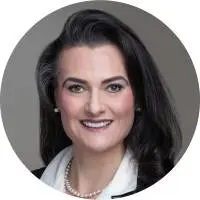
Katarena Arger, LMFT
Clinical Director

Niloufar Nekou, LMFT
Chief Clinical Officer
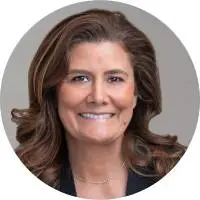
Stacy Darwish, PMHNP
Psychiatric-Mental Health Nurse Practitioner

Suzan Alhakeem
Primary Therapist
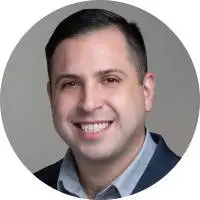
Jack Brennan
Admissions Director
Accreditations

The Joint Commission, formerly known as JCAHO, is a nonprofit organization that accredits rehab organizations and programs. Founded in 1951, the Joint Commision's mission is to improve the quality of patient care and demonstrating the quality of patient care.
Joint Commission Accreditation: Yes
Rehab.com regularly reviews this listing for accuracy but changes may occur between updates. For the most up-to-date information, please contact Alter Behavioral Health – Irvine.
Contact Information


19402 Sierra Bello Road
Irvine, CA 92603
Sponsored Helpline



