






























































































My mom was admitted via the ER , she is elderly and has many issues. Everyone is excellent. professionalism, compassion and intelligent and common sense decisions. My mom is other way to be healed, they are smart in dealing with the us the family too.
About Chilton Medical Center
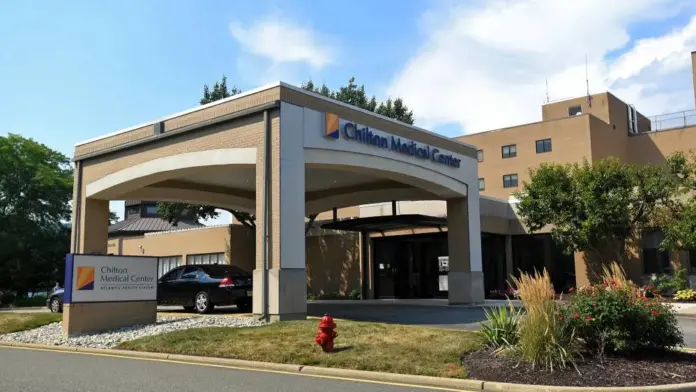
The Chilton Medical Center is part of Atlantic Behavioral Health in Pompton Plains, New Jersey. They provide crisis intervention services in the case of mental health or substance use disorder emergencies. Their team can also venture into the community on occasion to address crises where you are. They accept many insurance plans at this location, including Medicare.
A Safe Place for Healing
The primary service offered by this location is stabilization. It’s a place where you can stay until the crisis passes and receive care in the moment. They’ll also help you through assessments and next-stage planning.
It should be noted that you don’t need to be in the clinic to get help. In some cases, stabilization may be available over the phone. This location hosts crisis hotlines that connect you with someone who will listen and suggest the next steps you can take to get help.
Guiding You to a Treatment Plan
As a crisis stabilization center, this clinic isn’t equipped for long term care. However, staff will help you find a program that meets your needs following your visit. They’ll perform an assessment to get a better idea of your situation and act accordingly. Atlantic Behavioral Health does offer substance use disorder treatment in some of its other clinics in the state.
Facility Overview
 260
260 Number of Available Beds
Latest Reviews
I recently had a short stay at Chilton for a surgical procedure, and the experience was outstanding from start to finish. The surgical team was highly professional and put my mind at ease before the operation. During my recovery, the nurses and staff in 5 West were incredibly responsive, checking on my pain levels and ensuring I had everything I needed. The hospital rooms were very clean and comfortable, and even the food was surprisingly good, a musician even came and played for me. I felt completely safe and in excellent hands here."
Can’t say enough good things about the ER nurse Victoria was a godsend she was sweet caring understanding and truly didn’t bat an eye she was a true angel
Response from the owner1 week ago
Hi Jenn, Thank you so much for taking the time to leave us feedback. We’ll share this message with our team!
Great staff in emergency room. Efficient, kind, professional from reception to the nurses and doctors. When I was admitted, I got a room upstairs next day, but my emergency room was also comfortable enough. Everything was done in timely matter, with attention and kindness. Great team work. Only one problem: mixing up my medications by hospital pharmacy. You can't use your own prescriptions from home but they can not provide some of the same there. There is a delay with obtaining your regular meds. All the rest was perfect. And hospital food was pretty good too. Better then Newton hospital in many ways.
Response from the owner1 week ago
Hi Valentina, Thank you so much for taking the time to leave us feedback. We’ll share this message with our team! 
Rehab Score
 Our Methodology
Scoring is assigned by a proprietary system which helps surface key metrics that determine quality. The 10-point scale factors in categories such as operations, customer satisfaction, and trust metrics. Read Full Methodology

7.6 / 10
Gallery

Other Forms of Payment
Private insurance refers to any kind of healthcare coverage that isn't from the state or federal government. This includes individual and family plans offered by an employer or purchased from the Insurance Marketplace. Every plan will have different requirements and out of pocket costs so be sure to get the full details before you start treatment.
Self-pay involves paying for treatment out of your own pocket. You can use savings or credit, get a personal loan, or receive help from family and friends to fund your treatment. If you don't have insurance or your insurance plan doesn't cover a specific program, self-pay can help ensure you still get the care you need.
Financial aid can take many forms. Centers may have grants or scholarships available to clients who meet eligibility requirements. Programs that receive SAMHSA grants may have financial aid available for those who need treatment as well. Grants and scholarships can help you pai for treatment without having to repay.
Sliding scale payments are based on a client's income and family size. The goal is to make treatment affordable to everyone. By taking these factors into account, addiction recovery care providers help ensure that your treatment does not become a financial burden to you or your family, eliminating one barrier to care.
Medicare is a federal program that provides health insurance for those 65 and older. It also serves people under 65 with chronic and disabling health challenges. To use Medicare for addiction treatment you need to find a program that accepts Medicare and is in network with your plan. Out of pocket costs and preauthorization requirements vary, so always check with your provider.
Military members, veterans, and eligible dependents have access to specific insurance programs that help them get the care they need. TRICARE and VA insurance can help you access low cost or no cost addiction and mental health treatment. Programs that accept military insurance often have targeted treatment focused on the unique challenges military members, veterans, and their families face.
Medicaid is a state based program that helps lower-income individuals and families pay for healthcare. Medicaid covers addiction treatment so those enrolled can use their coverage to pay for rehab. When a program accepts Medicaid the client often pays very little or nothing out of their own pocket.
Addiction Treatments
Levels of Care
Outpatient Programs (OP) are for those seeking mental rehab or drug rehab, but who also stay at home every night. The main difference between outpatient treatment (OP) and intensive outpatient treatment (IOP) lies in the amount of hours the patient spends at the facility. Most of the time an outpatient program is designed for someone who has completed an inpatient stay and is looking to continue their growth in recovery. Outpatient is not meant to be the starting point, it is commonly referred to as aftercare.
Clients often enter inpatient rehab following detox, but they may also enroll during early recovery or at an increased risk of relapse. Inpatient rehabs provide housing, meals, and intensive clinical supervision, allowing clients to focus exclusively on their recovery in a highly structured and supportive environment. Clients typically receive multiple individual, group, and/or family therapy sessions weekly. Many programs also offer extensive addiction education and recovery-focused life skills training. Integrative inpatient rehabs provide holistic therapies as well.
Group-based psycho-education and therapy is provided during a three-hour period, three to five days a week. Because patients in our program return home after treatment sessions, they can more quickly begin the transition to everyday living situations and challenges.
Clients in a rehab aftercare program have typically completed detox and intensive inpatient and are medically stable. These programs are designed to address addiction recovery as a life-long process. Outpatient counseling and recovery education are typically categorized as drug rehab aftercare, but many clients continue to receive support after being discharged from formal outpatient treatment. Case managers and recovery teams facilitate clients' access to peer coaching, career counseling, 12 step program induction, and related services.
Accommodations include two supervised group homes and several semi-supervised apartments. Priority is given to patients recently discharged from state psychiatric facilities that need a supervised living arrangement. A reasonable rent is required for participation.
In the event of a psychiatric emergency, Atlantic Behavioral Health offers crisis intervention services, including a 24-hour hotline, risk assessments and screenings, and community trauma assistance. Newton Medical Center is a state-designated Psychiatric Emergency Services and Screening Center, providing 24-hour emergency mental health care to patients of any age, both over the phone and in person.
24-hour clinical care in New Jersey provides a setting where you can withdraw from alcohol or drugs under close monitoring of experienced medical staff. These trained professionals can intervene at any time if needed. They can prescribe medications to reduce cravings and physical discomfort. Mental health professionals are also available to address any emotional and psychological challenges you experience as you begin your recovery journey.
A medical detox is the safest way to wean your body off addictive substances. When you become physically dependent on alcohol or drugs, quitting abruptly can cause a host of challenging and uncomfortable withdrawal symptoms. In medically assisted detox, a team of medical professionals will be on hand to monitor any symptoms, to provide medication if possible, and to help keep you as safe and as comfortable as possible throughout this process.
Treatments
Many of those suffering from addiction also suffer from mental or emotional illnesses like schizophrenia, bipolar disorder, depression, or anxiety disorders. Rehab and other substance abuse facilities treating those with a dual diagnosis or co-occurring disorder administer psychiatric treatment to address the person's mental health issue in addition to drug and alcohol rehabilitation.
Mental health rehabs focus on helping individuals recover from mental illnesses like bipolar disorder, clinical depression, anxiety disorders, schizophrenia, and more. Mental health professionals at these facilities are trained to understand and treat mental health issues, both in individual and group settings.
Programs
Adult rehab programs include therapies tailored to each client's specific needs, goals, and recovery progress. They are tailored to the specific challenges adult clients may face, including family and work pressures and commitments. From inpatient and residential treatment to various levels of outpatient services, there are many options available. Some facilities also help adults work through co-occurring conditions, like anxiety, that can accompany addiction.
Young adulthood can be an exciting, yet difficult, time of transition. Individuals in their late teens to mid-20s face unique stressors related to school, jobs, families, and social circles, which can lead to a rise in substance use. Rehab centers with dedicated young adult programs will include activities and amenities that cater to this age group, with an emphasis on specialized counseling, peer socialization, and ongoing aftercare.
Recovery is most successful when clients feel accepted and validated by their peers and treatment providers. Facilities that offer LGBTQ-inclusive programming are committed to creating a safe space where everyone can grow and recover without fear of judgment or discrimination. They will have dedicated policies in place to create a safe and supportive environment that fosters free expression.
Serving in the military is both mentally and physically challenging, and can result in trauma that persists even after combat ends. Military programs are tailored to the specific and often complex needs of active duty personnel, veterans, and military families. Clients often access these programs through the U.S. Department of Veterans Affairs (VA).
Clinical Services
Group therapy settings offer you a diverse perspective on addiction and recovery. People from a variety of backgrounds gather together to discuss their challenges and speak openly and in a nonjudgmental atmosphere. This enriches your experience and your understanding of addiction and recovery.
In individual therapy, a patient meets one-on-one with a trained psychologist or counselor. Therapy is a pivotal part of effective substance abuse treatment, as it often covers root causes of addiction, including challenges faced by the patient in their social, family, and work/school life.
Trauma therapy addresses traumatic incidents from a client's past that are likely affecting their present-day experience. When a traumatic or catastrophic event occurs – whether at school, work, the neighborhood or larger community – Atlantic Behavioral Health is there to help survivors, witnesses and their families begin the healing process.
Most experts in couples therapy are trained in several modes of treatment. This allows your therapist to draw from various techniques to personalize your therapy for your needs. This may include cognitive, emotional, and behavioral methods, which are all designed to help you strengthen your relationship.
Counseling that includes parental and family involvement is central to their program and highly encouraged. Research clearly demonstrates that recovery is far more successful and sustainable when loved ones like family members participate in rehab and substance abuse treatment. Genetic factors may be at play when it comes to drug and alcohol addiction, as well as mental health issues.
Life skills trainings involve all the skills a person must have in order to function successfully in the world. These include time management, career guidance, money management, and effective communication. Truly successful addiction recovery is based on the ability to not only live substance-free, but to thrive. Life skills teaches the practical necessities of functioning in society, which sets clients up for success in life, and therefore sobriety.
Diet can directly affect a person’s physical health, mental well-being and overall quality of life. Eating healthfully – ensuring that you get the nutrients you need to stay well and manage any health problems – can significantly decrease the amount of medication needed to treat a disease. Overlook Medical Center’s outpatient dietitians are experts in medical nutrition therapy, preventative medicine, current research findings, behavioral change strategies and mindfulness training.
Recreational therapy is a dynamic approach to addiction treatment in New Jersey. It integrates activities like music therapy, team sports, and gardening so you have a therapeutic outlet for your emotions and stress. This improves your physical and mental health and helps you develop new skills to support a sober lifestyle.
Amenities
-
 Residential Setting
 -
 Private Rooms
Staff & Accreditations
Staff

Brian Gragnolati
President & CEO

Scott Leighty
Executive VP of Chief Health System Officer

Kevin Lenahan
Executive VP of Chief Business & Strategy Officer

Suja Mathew, MD, FACP
Executive VP & Chief Clinical Officer

Sheilah O'Halloran
Executive VP & General Counsel
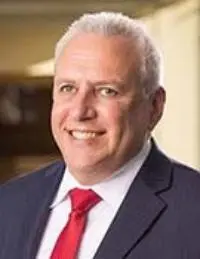
Steven Sheris, MD, FACC, FACP
Executive VP & Chief Physician
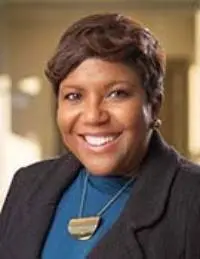
Nikki Sumpter
Executive VP & Chief Administrative Officer

Sunil Dadlani
Executive VP & Chief Information & Digital Transformation Officer
Accreditations

The Substance Abuse and Mental Health Services Administration (SAMHSA) is a branch of the U.S. Department of Health and Human Services. Established in 1992 by congress, SAMHSA's mission is to reduce the impact of substance abuse and mental illness on American's communities.
SAMHSA Listed: Yes

The Joint Commission, formerly known as JCAHO, is a nonprofit organization that accredits rehab organizations and programs. Founded in 1951, the Joint Commision's mission is to improve the quality of patient care and demonstrating the quality of patient care.
Joint Commission Accreditation: Yes
Accreditation Number: 5984
Rehab.com regularly reviews this listing for accuracy but changes may occur between updates. For the most up-to-date information, please contact Chilton Medical Center.
Contact Information

97 West Parkway
Pompton Plains, NJ 07444
Get Help Now - 973-969-2144
Sponsored Helpline
Sponsored Helpline


