





























































































 Claimed
About Banyan Chicago
Banyan Chicago provides comprehensive outpatient addiction and mental health treatment designed to support individuals while they continue living at home and maintaining daily responsibilities. Our programs offer structured, evidence-based care without the need for inpatient or residential admission.
Levels of care at Banyan Chicago include Partial Hospitalization Program (PHP) and Intensive Outpatient Program (IOP), with flexible scheduling to accommodate work, school, and family commitments. Treatment focuses on both substance use disorders and co-occurring mental health conditions, helping individuals build coping skills, emotional stability, and long-term recovery tools in a supportive clinical setting.
Banyan Chicago is accredited by The Joint Commission and licensed by the state of Illinois, reflecting our commitment to high standards of care and clinical excellence.
Latest Reviews



Rehab Score
 Our Methodology


Gallery
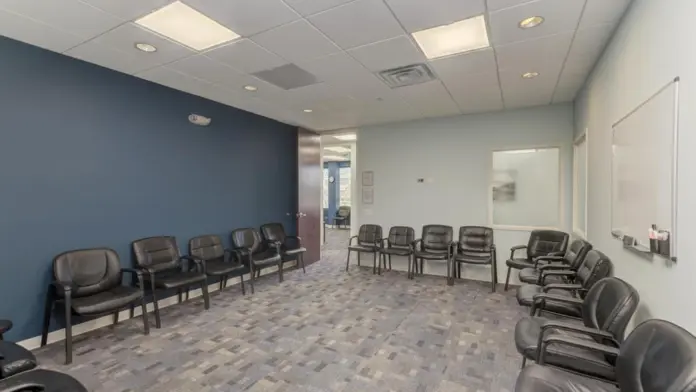
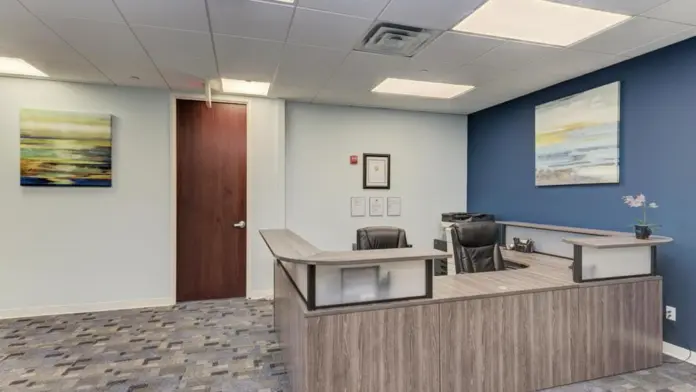
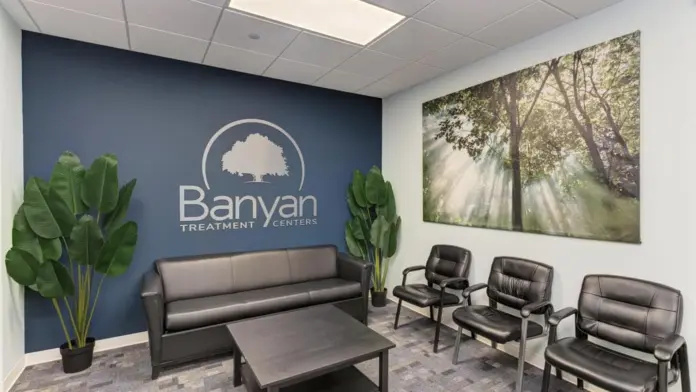
Accepted Insurance
Other Forms of Payment
Private insurance refers to any kind of healthcare coverage that isn't from the state or federal government. This includes individual and family plans offered by an employer or purchased from the Insurance Marketplace. Every plan will have different requirements and out of pocket costs so be sure to get the full details before you start treatment.
Self-pay involves paying for treatment out of your own pocket. You can use savings or credit, get a personal loan, or receive help from family and friends to fund your treatment. If you don't have insurance or your insurance plan doesn't cover a specific program, self-pay can help ensure you still get the care you need.
Military members, veterans, and eligible dependents have access to specific insurance programs that help them get the care they need. TRICARE and VA insurance can help you access low cost or no cost addiction and mental health treatment. Programs that accept military insurance often have targeted treatment focused on the unique challenges military members, veterans, and their families face.
Addiction Treatments
Levels of Care
Clients in outpatient rehab receive a variety of services based on their unique and evolving needs. Typical outpatient treatment modalities include individual, group, and family counseling, recovery-focused life skills training, and community reintegration support. Many programs also provide medication assisted treatment (MAT) for clients recovering from alcohol and/or opioid dependency. Clients exiting inpatient treatment or those who are at an elevated risk of relapse may engage in more robust treatment, such as intensive outpatient (IOP) programming.
Rehab aftercare programs provide a full continuum of care for clients who are exiting inpatient treatment. Though outpatient care is often considered an element of drug rehab aftercare, services typically continue for the remainder of the clients' life and long after formal treatment is completed. Clients work with their case managers and care team to formulate a customized portfolio of medical, mental health, and social service resources designed to evolve as the client's needs change.
Participants in 12 step programs focus on emotional, psychological, and spiritual growth as the foundation for long-term sobriety. They engage in regular 12 step meetings, which are anonymous, free, and accessible day and night, year-round, in most communities. Participants also receive one-on-one mentoring from a self-selected sponsor. Though the 12 steps of recovery are based on spiritual principles, religious affiliation isn't required. Specialized formats are available, including programs for seniors, teens, and families.
Loved ones can utilize a drug intervention in Illinois to help with addressing a family member's problematic substance use. The goal of the intervention is to educate the individual about the negative effects of their substance use and encourage them to accept professional treatment. Intervention services can help families initiate this conversation and plan appropriate follow-up care, such as inpatient or outpatient rehab.
As a flexible option, a partial hospitalization program (PHP) is tailored for those who don't require 24-hour care. PHP treatment can include daily therapeutic sessions and services such as relapse prevention and medication management. Based on your needs, PHP treatment duration can average 90 days and require a minimum of 20 hours of commitment weekly. While a partial hospitalization program typically requires a commute, telehealth may be available. PHP treatment costs can vary but are often covered by most insurance.
Through advances in communications and medical technology, telehealth in Illinois has become a common option for receiving healthcare treatment. This practice involves the use of communication technologies to offer healthcare remotely rather than in person.
Intensive outpatient programs (IOP) enable clients to receive high-level care while living at home. Clients may choose to enter IOP instead of enrolling in inpatient care post-detox or they may transition from an inpatient rehab into IOP. Intensive outpatient treatment involves multiple therapeutic sessions per week and includes a combination of psychotherapy and addiction and recovery education. Many programs also offer medication assisted treatment (MAT) and/or holistic therapies, such as acupuncture and massage.
Programs
Adult rehab programs include therapies tailored to each client's specific needs, goals, and recovery progress. They are tailored to the specific challenges adult clients may face, including family and work pressures and commitments. From inpatient and residential treatment to various levels of outpatient services, there are many options available. Some facilities also help adults work through co-occurring conditions, like anxiety, that can accompany addiction.
Young adulthood can be an exciting, yet difficult, time of transition. Individuals in their late teens to mid-20s face unique stressors related to school, jobs, families, and social circles, which can lead to a rise in substance use. Rehab centers with dedicated young adult programs will include activities and amenities that cater to this age group, with an emphasis on specialized counseling, peer socialization, and ongoing aftercare.
Recovery is most successful when clients feel accepted and validated by their peers and treatment providers. Facilities that offer LGBTQ-inclusive programming are committed to creating a safe space where everyone can grow and recover without fear of judgment or discrimination. They will have dedicated policies in place to create a safe and supportive environment that fosters free expression.
Clinical Services
If you engage in cognitive behavioral therapy in Illinois, your therapist will work with you to change your thinking patterns. You'll learn how to recognize faulty thinking and develop skills to deal with stress without using substances.
Dialectical behavior therapy in Illinois typically involves keeping a diary to track actions and emotions. Your therapist will use this diary to determine what to focus on during each session. In addition to individual sessions, you'll also attend group meetings where you are trained in coping skills.
 Equine Therapy
Men and women in Illinois learn to recognize their strengths and capabilities within a group therapy setting. This helps to boost their self image and self confidence as they work toward overcoming addiction and building a healthier life. Group therapy is a perfect environment for you to see successful recovery behaviors and become inspired to manage your addiction.
During one on one therapy sessions for drug and alcohol addiction, you and your therapist work collaboratively to develop effective relapse prevention plans and improve your self awareness. This helps address your specific needs, including the effectiveness of several evidence based treatment modalities that may work best for you.
Motivational interviewing in Illinois is person centered and collaborative. This method allows the therapist to come alongside the client to address the issue of ambivalence toward change. By listening and reflecting, the therapist helps the client see the need for change and commit to making changes.
Trauma therapy provides you with a safe and supportive environment so you can address a traumatic experience. Your therapist helps guide you to understand your emotional, mental, and physical responses while developing healthier coping skills. This helps to improve your emotional resilience and ability to function in the community.
During couples therapy in Illinois, you may work on a variety of relationship challenges. Couples therapy can address topics such as finances, children, health, addiction, intimacy, external stressors, and family relationships. You'll develop tools to address these types of challenges in healthy ways.
 Eye Movement Desensitization And Reprocessing
Family therapy helps to rebuild trust and strengthen relationships that have been affected by addiction. Therapists use guided interventions to help families improve their interactions and address underlying issues that impact their relationships. This helps create a supportive atmosphere for the recovery process.
Life skills training in Illinois gives you the tools you need to meet daily demands. These fall into three main categories: personal skills, interpersonal skills, and cognitive skills. While in rehab, you'll work on each of these areas as part of your recovery treatment.
A therapist who specializes in creative arts therapy in Illinois helps you communicate your feelings through expressive activities such as painting, music, or acting. Skill in the art form is not required to benefit from this type of therapy.
Amenities
-
 Private Transportation
Staff & Accreditations
Staff

John Sory
CEO

Michael Evanoff
CFO

Bryan Gregory
COO

Dr. Darrin Mangiacarne
CMO

Sherilyn Toro
VP of Compliance

Jeff Houchin
VP of Information Technology

Sara Thompson
VP of Legal
Accreditations

State Licenses are permits issued by government agencies that allow rehab organizations to conduct business legally within a certain geographical area. Typically, the kind of program a rehab facility offers, along with its physical location, determines which licenses are required to operate legally.
State License: Illinois

The Joint Commission, formerly known as JCAHO, is a nonprofit organization that accredits rehab organizations and programs. Founded in 1951, the Joint Commision's mission is to improve the quality of patient care and demonstrating the quality of patient care.
Joint Commission Accreditation: Yes
Rehab.com regularly reviews this listing for accuracy but changes may occur between updates. For the most up-to-date information, please contact Banyan Chicago.
Contact Information


50 S Main St
#290
Naperville, IL 60540
Sponsored Helpline


