






























































































I was assigned to WilCox / Power During my time there l have witnessed a lot boys needed to be treated elsewhere but not BRC. Some occasions I have witnessed that they extend a resident longer just to get paid so they would extend him for any reason. The dorms are infested ...
About Barry Robinson Center
The Barry Robinson Center is a youth mental and behavioral health treatment provider in Norfolk, Virginia.
The center also addresses dual-diagnosis substance use concerns as part of its integrated clinical care. They specialize in helping youth who are in military families.
Barry Robinson Center emphasizes a multidisciplinary, family-involved approach that supports stabilization, education and long-term wellness.
24 Hour Structured Care
Care often begins with a clinical assessment to determine the most appropriate level of support, which may include the Psychiatric Residential Treatment Facility (PRTF) for 24-hour structured care. This residential program is for ages 11 to 17.
The center also provides Therapeutic Day Treatment and community-based outpatient services as part of its full continuum.
Within these programs, youth receive individual, group, and family therapy, psychiatric services and medication management.
Dual-diagnosis support is available for adolescents facing co-occurring substance use and mental health conditions.
Quick Facts
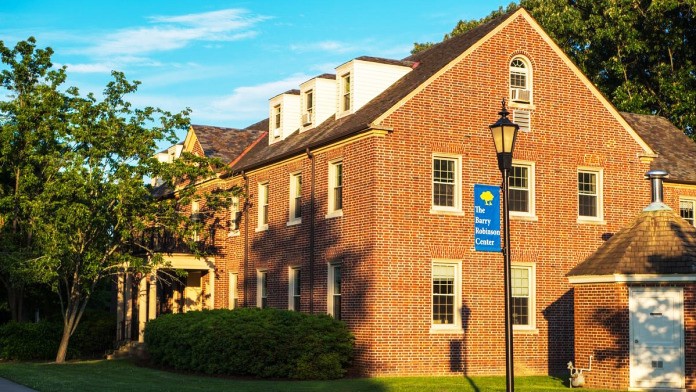
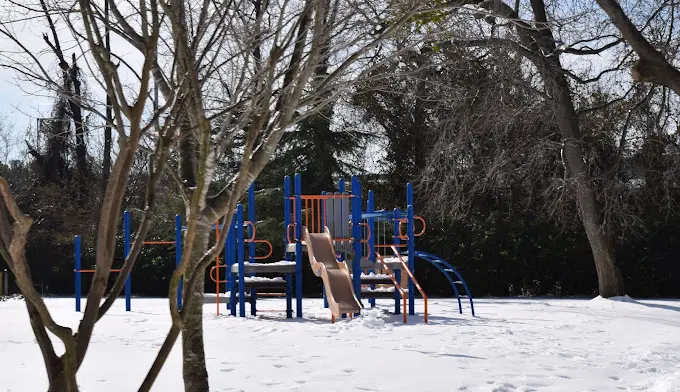
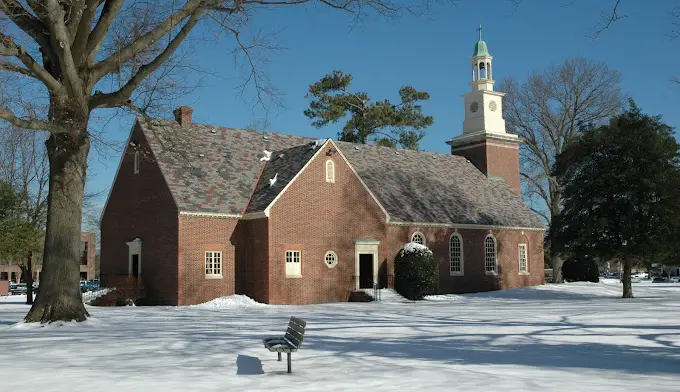
- Location: Campus-based setting in Norfolk, Virginia, with outdoor and recreational spaces
- Levels of care: Psychiatric residential treatment, crisis stabilization, therapeutic day treatment and outpatient services
- Who they treat: Children and adolescents with serious emotional, behavioral and substance use challenges
- Approach: Multidisciplinary care with psychiatric, psychological and educational services
- Family involvement: Family therapy is a core part of treatment planning
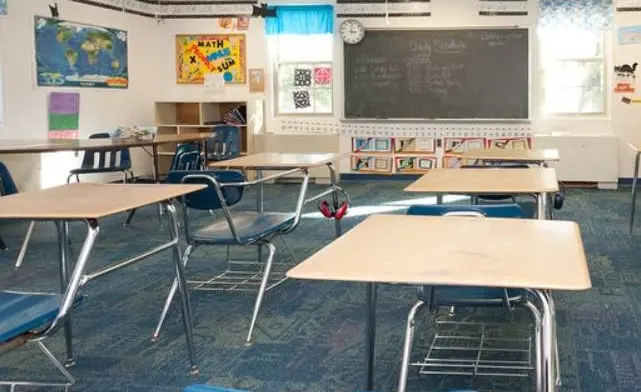
- On-campus education: Academic services integrated with clinical care
Facility Overview
 72
72 Number of Available Beds
Latest Reviews
We sent one of our kids here for 6 months. The entire process was smooth and very beneficial. The staff was great and the treatment was exactly what our kid needed.
Have worked with many professionals from The Barry Robinson Center and could not be more pleased with their level of professionalism and compassion for the families they work with.
DORM AND THERAPY
Where to begin, first off I would like to say that my time at BRC was well needed and if I wouldn’t have gone I don’t think I would be half as better as I am now. I had the most AMAZING therapist who worked with me when I felt down, who never doubted my ability to put in the work and effort to get better, and over all brought me and my family back into a healthy relationship and gave us ways to communicate effectively! Miss Courtney (who previously worked in the dorms but later transitioned into a therapist) was an inspiration to me, she was the first worker that I met at BRC, she made my transition a lot smoother than I would’ve expected, she cared for me and supported me. The staff were a great help and that’s one thing I’m going to miss! Miss Kay is a great leader who helped me stand up for my self respectfully but assertively she was very kind and was always there to talk to me when I needed it. Miss Tessa who is the treatment coordinator for the girls dorm was Also a huge help in my treatment. She gave me many ways to think of a situation more positively, and taught me to keep a positive attitude instead of giving up. She was like a “dorm mom” to me and I appreciated that. The school system there is very effective. In about 3 months I had my falling grades that where my previous school turned in tho all passing A’s! There are also teacher assistants who can help with work if a teacher isn’t available, I had the pleasure of meeting a few, but one really stood out to me m.s Kayla was so cool, you could recognize her a mile away from all the keychains she had. She is so sweet and encouraging!
MY EXPERIENCE AT BRC
I will say when I first got there I expected more of a psych ward, that was not the case at all. The Barry Robeson center is laid out like a collage campus, this reassured me that I wasn’t going to have the experience I thought I would. I was at BRC for 5 1/2 months I arrived in December of 2025 and left in June 2026. My time went by slow but also fast. The days felt long but next thing you knew it was time for bed. I feel like the hardest part about my day/stay was if I ever got a bad phone call. Phone calls can only last 15 minutes but some staff may let a minute slip by if it’s a rough one. Whenever I had bad phone calls I know I would shut down, I know this isn’t the case for everyone. My advice for this is to process with staff (talk).
PACKING
now I know that there’s a packing list when you get accepted but some of it might be a little unclear
You’re allowed to have make up once you reach a thing called phase one, it must be unopened and no Metal, you may have a plastic eyelash curler. You can have hot tools like hair dryer, curling iron, straightener, etc
You can have tweezers and nail polish
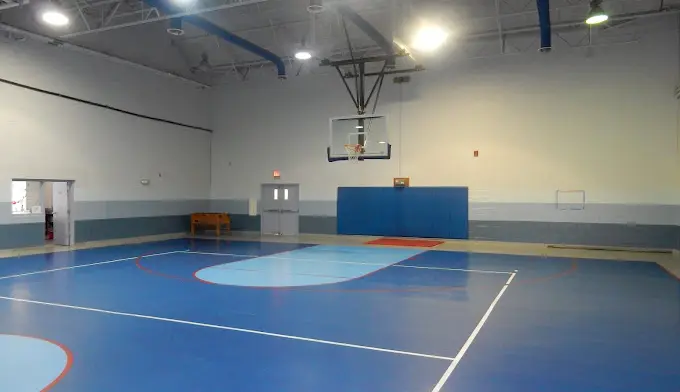
For clothes it can not be too tight and with shorts it must be fingertip length, no off the shoulder, and no low cut shirts. For shoes you can basically have all types, but one thing to be aware of is open toe shoes and crocs can not be worn in the gym.
I’m sure there’s a lot I haven’t covered, so if there’s any questions I can answer about my experience I would be more than happy too!
BRC is a great place to go too! And I hope everything goes smoothly!!

Rehab Score
 Our Methodology
Scoring is assigned by a proprietary system which helps surface key metrics that determine quality. The 10-point scale factors in categories such as operations, customer satisfaction, and trust metrics. Read Full Methodology

7.7 / 10
Gallery
Accepted Insurance
Other Forms of Payment
Medicaid is a state based program that helps lower-income individuals and families pay for healthcare. Medicaid covers addiction treatment so those enrolled can use their coverage to pay for rehab. When a program accepts Medicaid the client often pays very little or nothing out of their own pocket.
Private insurance refers to any kind of healthcare coverage that isn't from the state or federal government. This includes individual and family plans offered by an employer or purchased from the Insurance Marketplace. Every plan will have different requirements and out of pocket costs so be sure to get the full details before you start treatment.
Self-pay involves paying for treatment out of your own pocket. You can use savings or credit, get a personal loan, or receive help from family and friends to fund your treatment. If you don't have insurance or your insurance plan doesn't cover a specific program, self-pay can help ensure you still get the care you need.
Financial aid can take many forms. Centers may have grants or scholarships available to clients who meet eligibility requirements. Programs that receive SAMHSA grants may have financial aid available for those who need treatment as well. Grants and scholarships can help you pai for treatment without having to repay.
Military members, veterans, and eligible dependents have access to specific insurance programs that help them get the care they need. TRICARE and VA insurance can help you access low cost or no cost addiction and mental health treatment. Programs that accept military insurance often have targeted treatment focused on the unique challenges military members, veterans, and their families face.
Addiction Treatments
Levels of Care
Outpatient Programs (OP) are for those seeking mental rehab or drug rehab, but who also stay at home every night. The main difference between outpatient treatment (OP) and intensive outpatient treatment (IOP) lies in the amount of hours the patient spends at the facility. Most of the time an outpatient program is designed for someone who has completed an inpatient stay and is looking to continue their growth in recovery. Outpatient is not meant to be the starting point, it is commonly referred to as aftercare.
Residential treatment programs are those that offer housing and meals in addition to substance abuse treatment. Rehab facilities that offer residential treatment allow patients to focus solely on recovery, in an environment totally separate from their lives. Some rehab centers specialize in short-term residential treatment (a few days to a week or two), while others solely provide treatment on a long-term basis (several weeks to months). Some offer both, and tailor treatment to the patient's individual requirements.
Treatments
Many of those suffering from addiction also suffer from mental or emotional illnesses like schizophrenia, bipolar disorder, depression, or anxiety disorders. Rehab and other substance abuse facilities treating those with a dual diagnosis or co-occurring disorder administer psychiatric treatment to address the person's mental health issue in addition to drug and alcohol rehabilitation.
Mental health rehabs focus on helping individuals recover from mental illnesses like bipolar disorder, clinical depression, anxiety disorders, schizophrenia, and more. Mental health professionals at these facilities are trained to understand and treat mental health issues, both in individual and group settings.
Programs
Serving in the military is both mentally and physically challenging, and can result in trauma that persists even after combat ends. Military programs are tailored to the specific and often complex needs of active duty personnel, veterans, and military families. Clients often access these programs through the U.S. Department of Veterans Affairs (VA).
Clinical Services
Cognitive Behavioral Therapy (CBT) is a therapy modality that focuses on the relationship between one's thoughts, feelings, and behaviors. It is used to establish and allow for healthy responses to thoughts and feelings (instead of unhealthy responses, like using drugs or alcohol). CBT has been proven effective for recovering addicts of all kinds, and is used to strengthen a patient's own self-awareness and ability to self-regulate. CBT allows individuals to monitor their own emotional state, become more adept at communicating with others, and manage stress without needing to engage in substance abuse.
Whether a marriage or other committed relationship, an intimate partnership is one of the most important aspects of a person's life. Drug and alcohol addiction affects both members of a couple in deep and meaningful ways, as does rehab and recovery. Couples therapy and other couples-focused treatment programs are significant parts of exploring triggers of addiction, as well as learning how to build healthy patterns to support ongoing sobriety.
Dialectical Behavior Therapy (DBT) is a modified form of Cognitive Behavioral Therapy (CBT), a treatment designed to help people understand and ultimately affect the relationship between their thoughts, feelings, and behaviors. DBT is often used for individuals who struggle with self-harm behaviors, such as self-mutilation (cutting) and suicidal thoughts, urges, or attempts. It has been proven clinically effective for those who struggle with out-of-control emotions and mental health illnesses like Borderline Personality Disorder.
Experiential therapy is a form of therapy in which clients are encouraged to surface and work through subconscious issues by engaging in real-time experiences. Experiential therapy departs from traditional talk therapy by involving the body, and having clients engage in activities, movements, and physical and emotional expression. This can involve role-play or using props (which can include other people). Experiential therapy can help people process trauma, memories, and emotion quickly, deeply, and in a lasting fashion, leading to substantial and impactful healing.
Research clearly demonstrates that recovery is far more successful and sustainable when loved ones like family members participate in rehab and substance abuse treatment. Genetic factors may be at play when it comes to drug and alcohol addiction, as well as mental health issues. Family dynamics often play a critical role in addiction triggers, and if properly educated, family members can be a strong source of support when it comes to rehabilitation.
Group therapy is any therapeutic work that happens in a group (not one-on-one). There are a number of different group therapy modalities, including support groups, experiential therapy, psycho-education, and more. Group therapy involves treatment as well as processing interaction between group members.
In individual therapy, a patient meets one-on-one with a trained psychologist or counselor. Therapy is a pivotal part of effective substance abuse treatment, as it often covers root causes of addiction, including challenges faced by the patient in their social, family, and work/school life.
Trauma therapy addresses traumatic incidents from a client's past that are likely affecting their present-day experience. Trauma is often one of the primary triggers and potential causes of addiction, and can stem from child sexual abuse, domestic violence, having a parent with a mental illness, losing one or both parents at a young age, teenage or adult sexual assault, or any number of other factors. The purpose of trauma therapy is to allow a patient to process trauma and move through and past it, with the help of trained and compassionate mental health professionals.
Recreational therapy is often a part of a holistic treatment center program for drug and alcohol addiction in Virginia. It offers structured activities that replace substance use with positive experiences like swimming, painting, and hiking. These encourage social interactions, promote physical and mental health, and help reduce stress, all of which are factors that are important to help you rebuild your life.
Amenities
-
 Residential Setting
Staff & Accreditations
Staff
Rob McCartney
CEO
Dr.Adbull Mateen
Medical Director
Charlene Hoobler
COO
Nancy Holcomb
Chief Compliance Officer
Accreditations

The Commission on Accreditation of Rehabilitation Facilities (CARF) is a non-profit organization that specifically accredits rehab organizations. Founded in 1966, CARF's, mission is to help service providers like rehab facilities maintain high standards of care.
CARF Accreditation: Yes
Rehab.com regularly reviews this listing for accuracy but changes may occur between updates. For the most up-to-date information, please contact Barry Robinson Center.
Contact Information

443 Kempsville Road
Norfolk, VA 23502
Get Help Now - 757-743-3154
Sponsored Helpline
Sponsored Helpline


