















































































































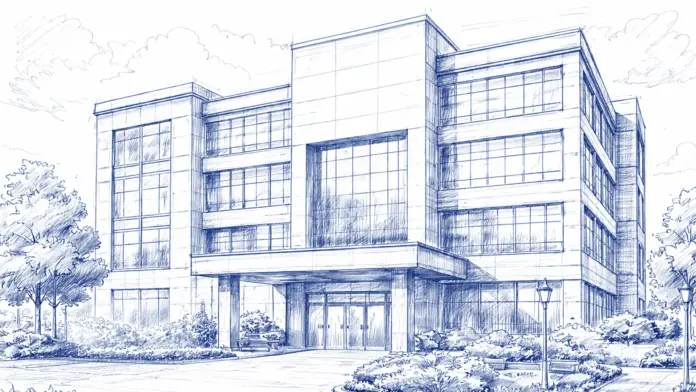
About Belmont Northeast Behavioral Hospital
Belmont Northeast Behavioral Hospital is a Joint Commission accredited psychiatric facility located in Philadelphia, Pennsylvania, providing comprehensive addiction treatment and behavioral health services for children, adolescents, adults and older adults.
The hospital offers multiple levels of care, including detoxification, inpatient, partial hospitalization (PHP) and intensive outpatient programs (IOP), utilizing evidence based therapies to address both substance use and mental health needs.
With 24/7 admissions support and no cost assessments, Belmont Northeast aims to make accessing care as straightforward as possible for individuals and families in crisis.
Dual Diagnosis and Addiction Treatment in Philadelphia
Belmont Northeast specializes in treating substance use disorders involving alcohol, opioids and other drugs alongside cooccurring mental health conditions such as depression, anxiety, bipolar disorder and PTSD.
The facility’s dual diagnosis approach ensures that addiction and psychiatric concerns are addressed simultaneously within a structured, supportive environment.
Medication assisted treatment (MAT) is available when clinically appropriate to help reduce cravings and support long term recovery.
Treatment incorporates individual therapy, group therapy, and family involvement, with evidence based modalities including cognitive behavioral therapy (CBT) and dialectical behavior therapy (DBT) guiding care.
Group sessions focus on building coping skills, processing experiences and developing relapse prevention strategies, while personalized treatment plans ensure each patient’s unique needs are addressed from admission through discharge planning.
Specialized Care for Children and Adolescents
The hospital’s Northeast campus includes dedicated inpatient psychiatric programming for children and adolescents, with specialty units for eating disorders, autism spectrum disorders, mood disorders and crisis stabilization.
Treatment teams include psychiatrists, therapists, nurses and other specialists who deliver comprehensive evaluation, medication management, expressive therapies and family therapy.
Facility Overview
 252
252 Latest Reviews



Rehab Score
 Our Methodology


Location
Other Forms of Payment
Medicaid is a state based program that helps lower-income individuals and families pay for healthcare. Medicaid covers addiction treatment so those enrolled can use their coverage to pay for rehab. When a program accepts Medicaid the client often pays very little or nothing out of their own pocket.
Private insurance refers to any kind of healthcare coverage that isn't from the state or federal government. This includes individual and family plans offered by an employer or purchased from the Insurance Marketplace. Every plan will have different requirements and out of pocket costs so be sure to get the full details before you start treatment.
Self-pay involves paying for treatment out of your own pocket. You can use savings or credit, get a personal loan, or receive help from family and friends to fund your treatment. If you don't have insurance or your insurance plan doesn't cover a specific program, self-pay can help ensure you still get the care you need.
Medicare is a federal program that provides health insurance for those 65 and older. It also serves people under 65 with chronic and disabling health challenges. To use Medicare for addiction treatment you need to find a program that accepts Medicare and is in network with your plan. Out of pocket costs and preauthorization requirements vary, so always check with your provider.
Military members, veterans, and eligible dependents have access to specific insurance programs that help them get the care they need. TRICARE and VA insurance can help you access low cost or no cost addiction and mental health treatment. Programs that accept military insurance often have targeted treatment focused on the unique challenges military members, veterans, and their families face.
Addiction Treatments
Levels of Care
Outpatient programs are for those seeking mental rehab or drug rehab, but who also stay at home every night. The main difference between outpatient treatment (OP) and intensive outpatient treatment (IOP) lies in the amount of hours the patient spends at the facility. Most of the time an outpatient program is designed for someone who has completed an inpatient stay and is looking to continue their growth in recovery. Outpatient is not meant to be the starting point, it is commonly referred to as aftercare.
Intensive outpatient care at Belmont Northeast is designed for individuals who do not need the support of an inpatient stay or a partial hospitalization program (PHP) but who would benefit from more care than traditional outpatient treatment can provide. IOP care includes groups three days per week and is designed to be a final step before patients return to traditional outpatient care.
Treatments
Mental health rehabs focus on helping individuals recover from mental illnesses like bipolar disorder, clinical depression, anxiety disorders, schizophrenia, and more. Mental health professionals at these facilities are trained to understand and treat mental health issues, both in individual and group settings.
Programs
Adult rehab programs include therapies tailored to each client's specific needs, goals, and recovery progress. They are tailored to the specific challenges adult clients may face, including family and work pressures and commitments. From inpatient and residential treatment to various levels of outpatient services, there are many options available. Some facilities also help adults work through co-occurring conditions, like anxiety, that can accompany addiction.
Young adulthood can be an exciting, yet difficult, time of transition. Individuals in their late teens to mid-20s face unique stressors related to school, jobs, families, and social circles, which can lead to a rise in substance use. Rehab centers with dedicated young adult programs will include activities and amenities that cater to this age group, with an emphasis on specialized counseling, peer socialization, and ongoing aftercare.
Clinical Services
Experiential activities allow patients to involve their whole bodies, minds, and spirits in the recovery effort. Designed to supplement traditional talk therapy, Belmont Northeast offers a range of experiential therapies. Recreation therapy helps patients learn how leisure and “for fun” activities can actually benefit their recovery. Music therapy helps patients tap into the power of music for emotional healing. Horticultural therapy allows patients to experience the joy and peace of nurturing life and watching it grow through gardening and outdoor exercises, and in the process, they watch themselves grow as well.
Groups therapy are the centerpiece of treatment at Belmont Northeast. They allow patients to come together and share in their recovery journeys. Led by experienced clinicians, groups are a safe place for patients to support and be supported by each other as they practice recovery skills and develop their ability to manage their mental illnesses.
Individual Therapy allows patients to have a chance to receive one-on-one support with an experienced therapist. These sessions, typically lasting one hour each, occur on a regular basis and give patients more intensive support than can be provided in group sessions. Furthermore, individual therapy allows patients to discuss issues that may be too sensitive for a group setting.
Nutrition therapy, aka medical nutrition therapy (MNT), is a way of treating physical, emotional, and medical conditions through diet. Specific dietary plans are designed by professional nutritionists or registered dietitians, and patients follow them in order to positively affect their physical and mental health.
Trauma therapy addresses traumatic incidents from a client's past that are likely affecting their present-day experience. Trauma is often one of the primary triggers and potential causes of addiction, and can stem from child sexual abuse, domestic violence, having a parent with a mental illness, losing one or both parents at a young age, teenage or adult sexual assault, or any number of other factors. The purpose of trauma therapy is to allow a patient to process trauma and move through and past it, with the help of trained and compassionate mental health professionals.
Amenities
-
 Private Setting
Staff & Accreditations
Staff

Laura Longstreet
CEO

Jacqueline Basile
COO

Dr. Fayez El-Gabalawi
Chief Medical Officer

Dr. Adria Filmore
Chief Clinical Officer
Dr. Chioma Iheagwara
Division Chief of Child & Adolescent Psychiatry

Dawn Bausman
Chief Nursing Officer

Eve Barnett
Chief Compliance Officer
Jennifer Fitzgerald, MBA
CFO
Accreditations

The Joint Commission, formerly known as JCAHO, is a nonprofit organization that accredits rehab organizations and programs. Founded in 1951, the Joint Commision's mission is to improve the quality of patient care and demonstrating the quality of patient care.
Joint Commission Accreditation: Yes
Contact Information


10360 Drummond Road
Philadelphia, PA 19154
Sponsored Helpline
