






























































































The worst hospital in Allentown PA. I wish there were negative ratings because this would definitely be a clear example. They did a test on me and I almost died, I ended up in the emergency room three times because of it. One of them a police officer had to call 911 because ...
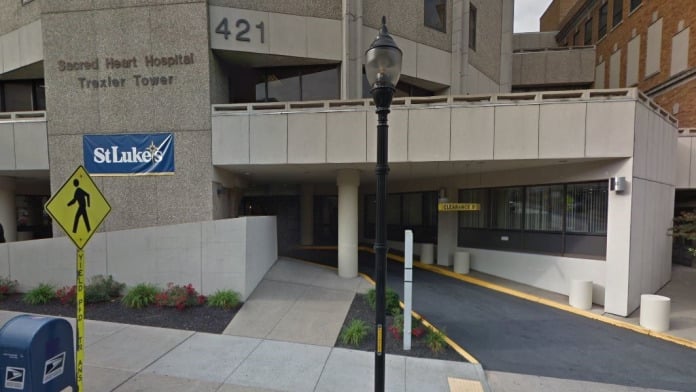
About St. Luke’s Hospital – Sacred Heart Campus
Sacred Heart Hospital- Behavioral Health offers inpatient substance abuse treatment and psychiatric counseling and treatment to men and women.
Sacred Heart Hospital- Behavioral Health’s inpatient program is for those with substance use disorder or who have mental health conditions. It provides a high level of care with 24/7 monitoring to ensure the process of mental, emotional, and physical stability takes place. Those best suited for inpatient programming are unable to find stability and recover on their own. This program includes individual therapy, couples and family counseling, group therapy, trauma informed therapy, activity therapy, behavior modification, and evidence based treatments such as cognitive behavioral therapy. This program also provides walk-in availability for crisis services.
At Sacred Heart Hospital- Behavioral Health, psychiatric services are provided to ensure the proper diagnosis and care plan. Mental health treatment focuses on helping individuals recover from mental illnesses like bipolar disorder, clinical depression, anxiety disorders, schizophrenia, and other challenging psychiatric conditions. Individual therapy, group therapy, and family therapy all serve as ways to deliver mental health support. These services can be administered in an inpatient setting, within an outpatient setting, or at a clinical office.
Dual Diagnosis, often referred to as having co-occurring disorders, is when two or more mental health concerns present themselves simultaneously. It is very common for those who struggle with addiction to also have an underlying mental health concern such as anxiety, depression, or a diagnosable psychiatric disorder. Without proper treatment of the mental health issue at hand, getting and staying sober can be difficult. By treating both the substance use disorder and the mental health needs concurrently, a greater chance for long term sobriety is achieved.
Facility Overview
 22
22 Number of Available Beds
Latest Reviews
El Hospital en sí es bueno, antes posiblemente le faltaban recursos y buen personal , pero mi experiencia personal ha sido excelente. Han mejorado mucho durante los últimos 5 años y pienso que superarán a los demás si mejoran aún más. Las enfermeras y enfermeros no son perfectos, algunos no están preparados para cuidar bien, pero la mayoría de ellos sí son muy buenas personas. Los doctores son muy profesionales y todas las áreas del hospital siguen mejorando a medida que el tiempo pasa. Es un edificio remodelado y hay mucho por hacer pero están haciéndolo muy bien. La seguridad y el estacionamiento en muy cómodo. Sus departamentos de psiquiatría y otros pisos para pacientes lesionados de gravedad son buenos. No tengo nada negativo que decir al menos de esta localidad de sagrado corazón. Me encanta que tengan un programa de ayuda financiera para personas de escasos recursos como yo. Les deseo lo mejor.
Gracias, St. Luke's University Health Network
Response from the owner1 week ago
Yorell, gracias por compartir comentarios tan reflexivos sobre el Hospital St. Luke's - Campus Sacred Heart. Nos alegra saber que tus experiencias recientes con nuestro equipo, instalaciones y programa de asistencia financiera han sido positivas, y realmente agradecemos tu apoyo y ánimo mientras seguimos mejorando.Gracias, St. Luke's University Health Network
I took my son to the emergency room this morning... The staff were kind and took care of my son until they were sure he was doing well.
I appreciate that!
Response from the owner1 week ago
Neble, thank you for sharing your feedback about your recent visit to our emergency department. We are glad to know our team was kind and supportive, and we truly appreciate your recognition of their care for your son.
Best detox unit I've ever been in like to apologize to my second favorite nurse I'd also like to apologize for my behavior that's why I was in to get better the doctors and nurses were fantastic I have to say they saved my life fantastic unit
Response from the owner1 week ago
Thank you for sharing your kind words about our detox unit and team; we are glad to know your experience was positive and meaningful. We appreciate you taking the time to share this feedback and wish you all the best moving forward. 
Rehab Score
 Our Methodology
Scoring is assigned by a proprietary system which helps surface key metrics that determine quality. The 10-point scale factors in categories such as operations, customer satisfaction, and trust metrics. Read Full Methodology

7.2 / 10
Gallery
Accepted Insurance
Other Forms of Payment
Private insurance refers to any kind of healthcare coverage that isn't from the state or federal government. This includes individual and family plans offered by an employer or purchased from the Insurance Marketplace. Every plan will have different requirements and out of pocket costs so be sure to get the full details before you start treatment.
Self-pay involves paying for treatment out of your own pocket. You can use savings or credit, get a personal loan, or receive help from family and friends to fund your treatment. If you don't have insurance or your insurance plan doesn't cover a specific program, self-pay can help ensure you still get the care you need.
Financial aid can take many forms. Centers may have grants or scholarships available to clients who meet eligibility requirements. Programs that receive SAMHSA grants may have financial aid available for those who need treatment as well. Grants and scholarships can help you pai for treatment without having to repay.
Medicare is a federal program that provides health insurance for those 65 and older. It also serves people under 65 with chronic and disabling health challenges. To use Medicare for addiction treatment you need to find a program that accepts Medicare and is in network with your plan. Out of pocket costs and preauthorization requirements vary, so always check with your provider.
Military members, veterans, and eligible dependents have access to specific insurance programs that help them get the care they need. TRICARE and VA insurance can help you access low cost or no cost addiction and mental health treatment. Programs that accept military insurance often have targeted treatment focused on the unique challenges military members, veterans, and their families face.
Medicaid is a state based program that helps lower-income individuals and families pay for healthcare. Medicaid covers addiction treatment so those enrolled can use their coverage to pay for rehab. When a program accepts Medicaid the client often pays very little or nothing out of their own pocket.
Addiction Treatments
Levels of Care
Outpatient rehabs specialize in providing comprehensive care for clients who choose to remain in their homes and communities during treatment. Their services may include transitional support for clients stepping down from intensive inpatient programming. Ambulatory medical detox may be provided for clients at low risk for withdrawal complications. Many programs include evening, night, and weekend services to accommodate clients who are working professionals or caregivers. Addiction counseling and life skills training are common treatment modalities.
Residential treatment programs are those that offer housing and meals in addition to substance abuse treatment. Rehab facilities that offer residential treatment allow patients to focus solely on recovery, in an environment totally separate from their lives. Some rehab centers specialize in short-term residential treatment (a few days to a week or two), while others solely provide treatment on a long-term basis (several weeks to months). Some offer both, and tailor treatment to the patient's individual requirements.
Clients receiving services from a rehab aftercare program are usually stable and in the maintenance phase of recovery, having completed detox and/or intensive inpatient treatment. Rehab aftercare services can vary widely based on clients' individual and evolving needs, but often include peer coaching, relapse prevention support, 12 step program induction, and medical, mental health, and social service referrals. Individual care plans are typically developed by the client in partnership with their case manager and care team.
Residents of a sober living home in Pennsylvania pay rent and contribute to household maintenance. For their contributions, individuals get the opportunity to live in a substance-free environment and receive support from others in recovery while all residents practice sober-living skills. Sober living expenses are not covered by insurance since they are not treatment services. However, grants and scholarships are often available to help individuals afford rent for men's or women's sober living.
Intervention services bring extensive experience to the planning and conducting of drug interventions in Pennsylvania. These experts can facilitate interventions in a sensitive manner that encourages positive outcomes. The goal of the intervention is to educate the individual about addiction and the consequences of their substance use and encourage them to get the treatment they need. Interventions can be effective with all types of drugs and alcohol addiction.
Because the severity of withdrawal symptoms can fluctuate, constant monitoring under 24-hour clinical care in Pennsylvania is recommended for early recovery. As you undergo detox, medical staff will supervise your health and ensure severe symptoms do not develop or threaten your life. Professional counselors will also be available to treat mental and emotional health needs.
A medical detox is the safest way to wean your body off drugs and/or alcohol in an inpatient setting. When detoxing from addictive substances, the physical and psychological side effects of withdrawal can cause mood swings, anxiety, nausea, or flu-like symptoms. In medically assisted detox, a team of medical professionals are on hand 24/7 to help alleviate potential withdrawal symptoms, administer medications to alleviate withdrawal symptoms, and ultimately keep you safe and comfortable throughout this process.
Treatments
Many of those suffering from addiction also suffer from mental or emotional illnesses like schizophrenia, bipolar disorder, depression, or anxiety disorders. Rehab and other substance abuse facilities treating those with a dual diagnosis or co-occurring disorder administer psychiatric treatment to address the person's mental health issue in addition to drug and alcohol rehabilitation.
Mental health rehabs focus on helping individuals recover from mental illnesses like bipolar disorder, clinical depression, anxiety disorders, schizophrenia, and more. Mental health professionals at these facilities are trained to understand and treat mental health issues, both in individual and group settings.
Programs
Adult rehab programs include therapies tailored to each client's specific needs, goals, and recovery progress. They are tailored to the specific challenges adult clients may face, including family and work pressures and commitments. From inpatient and residential treatment to various levels of outpatient services, there are many options available. Some facilities also help adults work through co-occurring conditions, like anxiety, that can accompany addiction.
Young adulthood can be an exciting, yet difficult, time of transition. Individuals in their late teens to mid-20s face unique stressors related to school, jobs, families, and social circles, which can lead to a rise in substance use. Rehab centers with dedicated young adult programs will include activities and amenities that cater to this age group, with an emphasis on specialized counseling, peer socialization, and ongoing aftercare.
Recovery is most successful when clients feel accepted and validated by their peers and treatment providers. Facilities that offer LGBTQ-inclusive programming are committed to creating a safe space where everyone can grow and recover without fear of judgment or discrimination. They will have dedicated policies in place to create a safe and supportive environment that fosters free expression.
Serving in the military is both mentally and physically challenging, and can result in trauma that persists even after combat ends. Military programs are tailored to the specific and often complex needs of active duty personnel, veterans, and military families. Clients often access these programs through the U.S. Department of Veterans Affairs (VA).
Clinical Services
Cognitive Behavioral Therapy (CBT) is a therapy modality that focuses on the relationship between one's thoughts, feelings, and behaviors. It is used to establish and allow for healthy responses to thoughts and feelings (instead of unhealthy responses, like using drugs or alcohol). CBT has been proven effective for recovering addicts of all kinds, and is used to strengthen a patient's own self-awareness and ability to self-regulate. CBT allows individuals to monitor their own emotional state, become more adept at communicating with others, and manage stress without needing to engage in substance abuse.
Group therapy is any therapeutic work that happens in a group (not one-on-one). There are a number of different group therapy modalities, including support groups, experiential therapy, psycho-education, and more. Group therapy involves treatment as well as processing interaction between group members.
In individual therapy, a patient meets one-on-one with a trained psychologist or counselor. Therapy is a pivotal part of effective substance abuse treatment, as it often covers root causes of addiction, including challenges faced by the patient in their social, family, and work/school life.
Trauma therapy addresses traumatic incidents from a client's past that are likely affecting their present-day experience. Trauma is often one of the primary triggers and potential causes of addiction, and can stem from child sexual abuse, domestic violence, having a parent with a mental illness, losing one or both parents at a young age, teenage or adult sexual assault, or any number of other factors. The purpose of trauma therapy is to allow a patient to process trauma and move through and past it, with the help of trained and compassionate mental health professionals.
Couples therapy in Pennsylvania is typically short term treatment that focuses on building skills that lead to positive long term relationship changes. Sessions with the therapist may occur both jointly and individually.
Research clearly demonstrates that recovery is far more successful and sustainable when loved ones like family members participate in rehab and substance abuse treatment. Genetic factors may be at play when it comes to drug and alcohol addiction, as well as mental health issues. Family dynamics often play a critical role in addiction triggers, and if properly educated, family members can be a strong source of support when it comes to rehabilitation.
Life skills trainings involve all the skills a person must have in order to function successfully in the world. These include time management, career guidance, money management, and effective communication. Truly successful addiction recovery is based on the ability to not only live substance-free, but to thrive. Life skills teaches the practical necessities of functioning in society, which sets clients up for success in life, and therefore sobriety.
Creativity is inherently healing, and can help those in recovery express thoughts or feelings they might not otherwise be able to. Creative arts therapy can include music, poetry/writing, painting, sculpting, dance, theater, sandplay, and more. Unlike traditional art, the final product matters far less than the experience of creation and expression itself.
Experiential therapy is a form of therapy in which clients are encouraged to surface and work through subconscious issues by engaging in real-time experiences. Experiential therapy departs from traditional talk therapy by involving the body, and having clients engage in activities, movements, and physical and emotional expression. This can involve role-play or using props (which can include other people). Experiential therapy can help people process trauma, memories, and emotion quickly, deeply, and in a lasting fashion, leading to substantial and impactful healing.
Amenities
-
 Residential Setting
 -
 Private Rooms
Staff & Accreditations
Staff
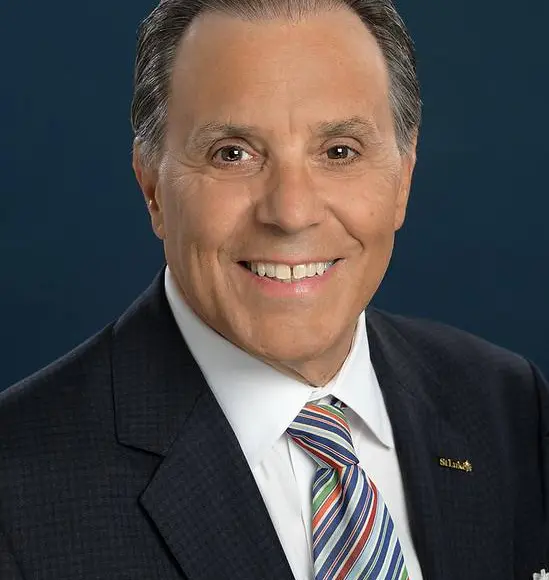
Richard Anderson
President & CEO
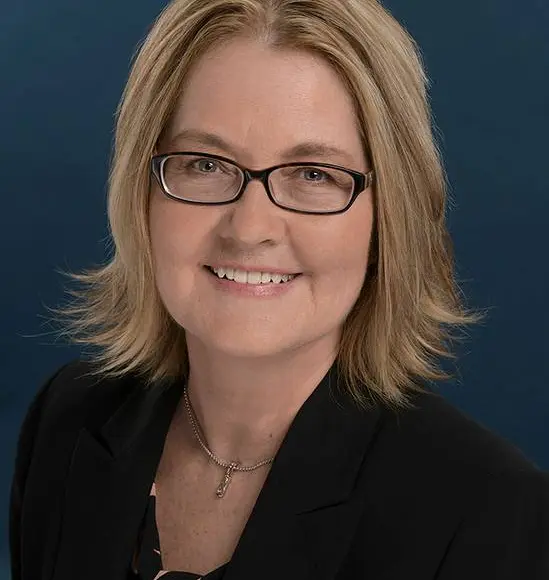
Francine Botek
Senior Vice President Finance

Patrick Bower
Vice President Development
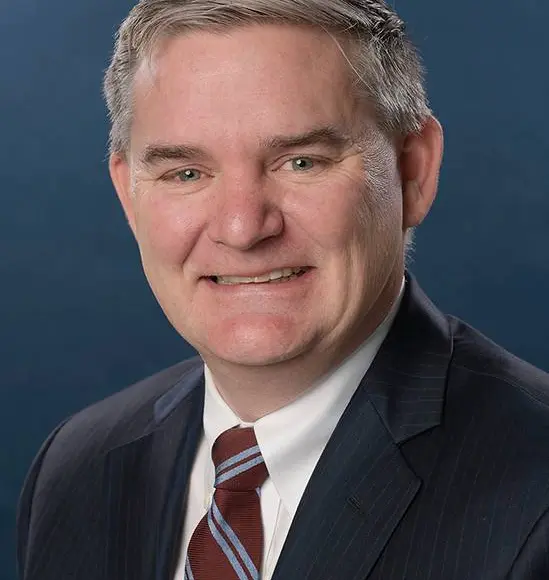
Chad Brisendine
Vice President Chief Information Officer

Joel Fagerstrom
Executive Vice President Chief Operating Officer
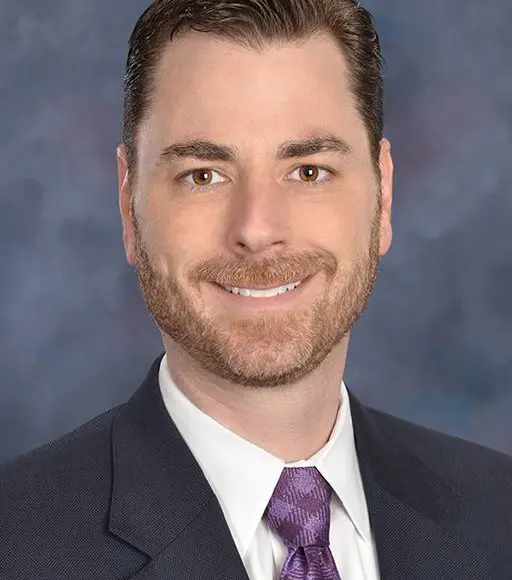
Ray Midlam
Vice President Chief Strategy Officer

Evan Ochs
Senior Vice President Human Resources
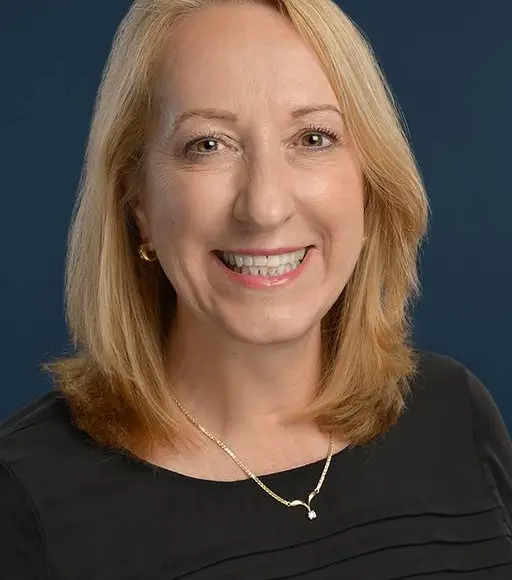
Donna Sabol
Senior Vice President and Chief Quality Officer
Accreditations

The Substance Abuse and Mental Health Services Administration (SAMHSA) is a branch of the U.S. Department of Health and Human Services. Established in 1992 by congress, SAMHSA's mission is to reduce the impact of substance abuse and mental illness on American's communities.
SAMHSA Listed: Yes

State Licenses are permits issued by government agencies that allow rehab organizations to conduct business legally within a certain geographical area. Typically, the kind of program a rehab facility offers, along with its physical location, determines which licenses are required to operate legally.
State License: Pennsylvania
License Number: 920370
Rehab.com regularly reviews this listing for accuracy but changes may occur between updates. For the most up-to-date information, please contact St. Luke’s Hospital – Sacred Heart Campus.
Contact Information

421 West Chew Street
Allentown, PA 18102
Get Help Now - 267-450-9996
Sponsored Helpline
Sponsored Helpline



