





























































































About Canyon Ridge Christian Church – Lone Mountain Campus
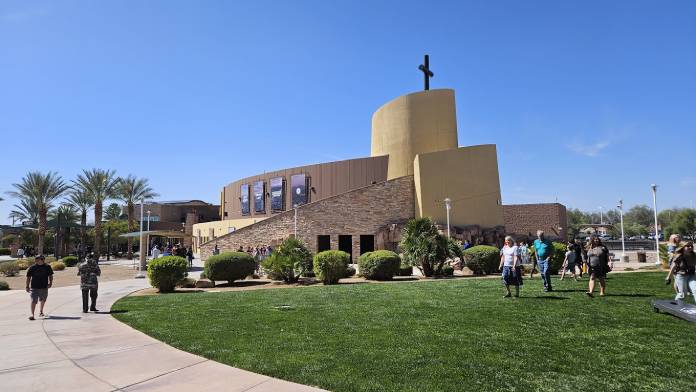
Canyon Ridge Christian Church – Lone Mountain Campus in Las Vegas, Nevada, is a non-denominational church that offers Celebrate Recovery as a core part of their program to help individuals reclaim their lives from unhealthy substance use. This Christ centered recovery program offers a safe and confidential Christian environment where you can overcome addiction, trauma and other emotional baggage that contribute to your substance dependence. The program is completely free and open to both believers and non believers and even people from a different faith. All that is required is a genuine commitment to let go of your old habits and build a new life through Christ.
Christ-Focused 12 Step Recovery
The program is rooted in biblical principles and follows the social model of 12 Step recovery emphasizing peer support, community and personal accountability. You’ll be able to build relationships via peer interaction, share experiences and grow spiritually in a structured yet supportive environment. Meetings include worship, lessons and small group sharing. Meetings are held late evening Fridays and typically begin with a free meal and fellowship before moving into a large group session. After the main lesson, you’ll join a smaller Share Group where you can safely talk about your struggles. These may encompass substance use, codependency or other life challenges.
You can attend with your family. Kids have their own classes and students can join an open share group to grow in faith. These groups offer support, encouragement and a path to healing through Jesus Christ.
Community and Peer Support
You’ll find a welcoming community ready to walk with you no matter what you’re facing. This community will support your journey toward healing, growth and self-sufficiency through a strong personal relationship with God. It’s an avenue to seek help, embrace changes and build healthy coping mechanisms that set you on a path to lasting healing.
You can also join addiction-specific self-help meetings including AA/NA, Al-Anon and Gambling Anonymous. This helps you build a strong support system, connect with others who understand your struggles and stay accountable in your recovery journey. Several Christian-focused groups are available from which you’ll gain spiritual tools to deepen your faith and find hope and healing through Christ.
There are special events that can benefit your recovery as well. The financial foundation classes, for instance, provide clear biblical perspectives on financial management. You’ll learn budgeting, managing cash flow and savings for rainy days. They also offer local outreach and volunteer opportunities, which is a great way to grow as you embrace the joy of serving others. It’s all about building a community of people who will help you discover your next steps toward Jesus.
Latest Reviews



Rehab Score
 Our Methodology


Gallery
Other Forms of Payment
Self-pay involves paying for treatment out of your own pocket. You can use savings or credit, get a personal loan, or receive help from family and friends to fund your treatment. If you don't have insurance or your insurance plan doesn't cover a specific program, self-pay can help ensure you still get the care you need.
Medicaid is a state based program that helps lower-income individuals and families pay for healthcare. Medicaid covers addiction treatment so those enrolled can use their coverage to pay for rehab. When a program accepts Medicaid the client often pays very little or nothing out of their own pocket.
Medicare is a federal program that provides health insurance for those 65 and older. It also serves people under 65 with chronic and disabling health challenges. To use Medicare for addiction treatment you need to find a program that accepts Medicare and is in network with your plan. Out of pocket costs and preauthorization requirements vary, so always check with your provider.
Addiction Treatments
Levels of Care
12-step programs are addiction recovery models based on Alcoholics Anonymous (AA). A number of substance abuse programs (including some drug and alcohol rehab centers) use the 12 steps as a basis for treatment. Beginning steps involve admitting powerlessness over the addiction and creating a spiritual basis for recovery. Middle steps including making direct amends to those who've been hurt by the addiction, and the final step is to assist others in addiction recovery in the same way. 12-Step offshoots including Narcotics Anonymous (NA), Cocaine Anonymous (CA), Dual Recovery Anonymous (DRA), Sex and Love Addicts Anonymous (SLAA) and Gamblers Anonymous (GA).
Completing a drug or alcohol rehab program shouldn't spell the end of substance abuse treatment. Aftercare involves making a sustainable plan for recovery, including ongoing support. This can include sober living arrangements like halfway houses, career counseling, and setting a patient up with community programs like Alcoholics Anonymous (AA) or Narcotics Anonymous (NA).
Treatments
The goal of treatment for alcoholism is abstinence. Those with poor social support, poor motivation, or psychiatric disorders tend to relapse within a few years of treatment. For these people, success is measured by longer periods of abstinence, reduced use of alcohol, better health, and improved social functioning. Recovery and Maintenance are usually based on 12 step programs and AA meetings.
When you enter drug rehab in Nevada, you receive professional assistance to remove drugs from your body and cease your body's need for the substance. You learn coping strategies and receive support to prevent relapse and enjoy long-term sobriety.
A combined mental health and substance abuse rehab has the staff and resources available to handle individuals with both mental health and substance abuse issues. It can be challenging to determine where a specific symptom stems from (a mental health issue or an issue related to substance abuse), so mental health and substance abuse professionals are helpful in detangling symptoms and keeping treatment on track.
Opioid rehabs specialize in supporting those recovering from opioid addiction. They treat those suffering from addiction to illegal opioids like heroin, as well as prescription drugs like oxycodone. These centers typically combine both physical as well as mental and emotional support to help stop addiction. Physical support often includes medical detox and subsequent medical support (including medication), and mental support includes in-depth therapy to address the underlying causes of addiction.
Programs
Adult rehab programs include therapies tailored to each client's specific needs, goals, and recovery progress. They are tailored to the specific challenges adult clients may face, including family and work pressures and commitments. From inpatient and residential treatment to various levels of outpatient services, there are many options available. Some facilities also help adults work through co-occurring conditions, like anxiety, that can accompany addiction.
Young adulthood can be an exciting, yet difficult, time of transition. Individuals in their late teens to mid-20s face unique stressors related to school, jobs, families, and social circles, which can lead to a rise in substance use. Rehab centers with dedicated young adult programs will include activities and amenities that cater to this age group, with an emphasis on specialized counseling, peer socialization, and ongoing aftercare.
Clinical Services
Research clearly demonstrates that recovery is far more successful and sustainable when loved ones like family members participate in rehab and substance abuse treatment. Genetic factors may be at play when it comes to drug and alcohol addiction, as well as mental health issues. Family dynamics often play a critical role in addiction triggers, and if properly educated, family members can be a strong source of support when it comes to rehabilitation.
Group therapy is any therapeutic work that happens in a group (not one-on-one). There are a number of different group therapy modalities, including support groups, experiential therapy, psycho-education, and more. Group therapy involves treatment as well as processing interaction between group members.
In individual therapy, a patient meets one-on-one with a trained psychologist or counselor. Therapy is a pivotal part of effective substance abuse treatment, as it often covers root causes of addiction, including challenges faced by the patient in their social, family, and work/school life.
Amenities
-
 Residential Setting
 -
 Private Setting
Staff
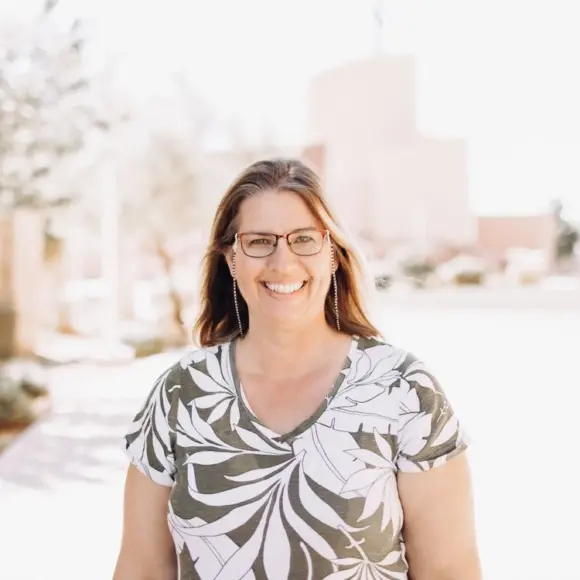
Teresa Etienne
Finance Manager

Steven Leeds
IT Director
Collene Prorok
Human Resoures Director
Rehab.com regularly reviews this listing for accuracy but changes may occur between updates. For the most up-to-date information, please contact Canyon Ridge Christian Church – Lone Mountain Campus.
Contact Information


6200 West Lone Mountain Road
Las Vegas, NV 89130
Sponsored Helpline



