










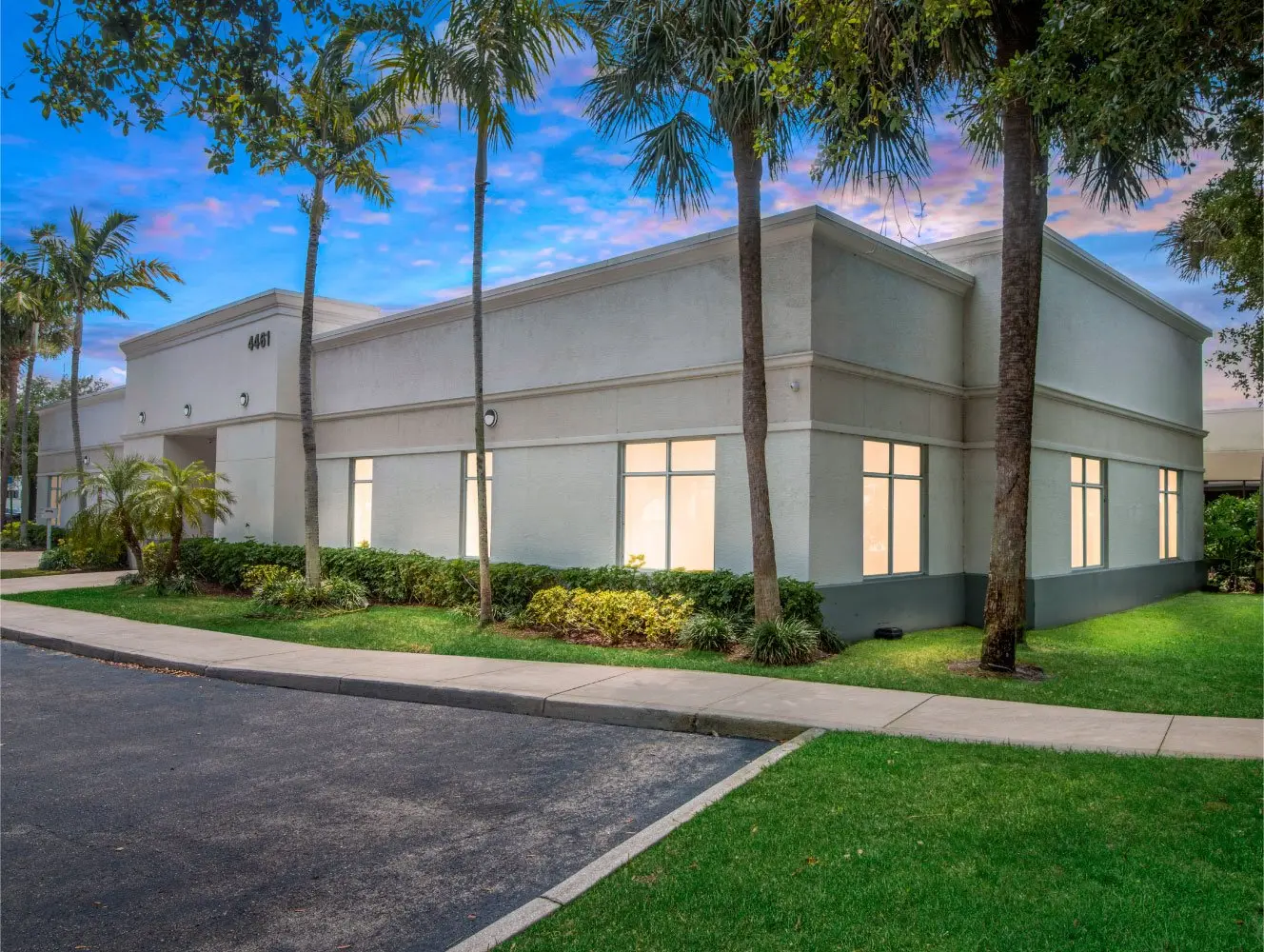
All In Solutions Wellness Center
1
Top 10 Rehab Centers In West Palm Beach



















































































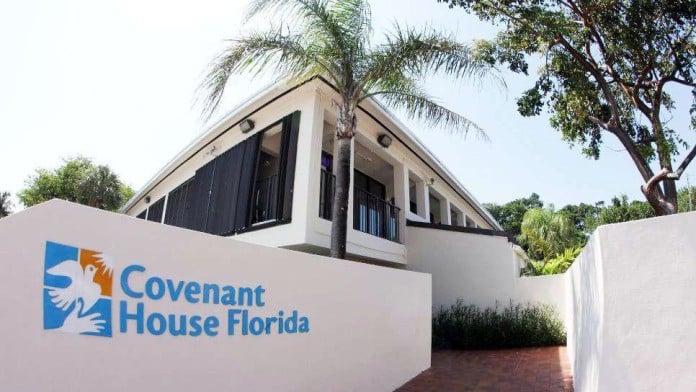
They offer shelter services and provide immediate medical care for youth. You’ll have a nutritious meal, a hot shower and receive clean clothes to help you create a foundation for recovery. The staff will evaluate you within 72 hours to determine your needs. The thorough assessment includes lab tests, a physical, and any necessary referrals for specialized treatment.
Covenant House helps you become job-ready with workforce development training. Their Youth Enrichment Services (Y.E.S.) provides classes that educate you on resumes, interviewing, teamwork, career planning, conflict management and work ethic. Another unique aspect of their program is the professional clothing closet, where you can access the appropriate attire for employment. They also have transportation assistance available.
The educational opportunities don’t stop with career development. They have on-site GED services for those wanting to complete their diplomas. You can receive mentoring, tutoring, testing fee assistance, and computer access. This service gives youth something positive to focus on while working on sobriety.
The life skills services help you become more independent and prepare for a substance-free lifestyle. You’ll learn about budgeting, household management, and other essentials.
Covenant House Florida has a transitional housing program, Rights of Passage Apartment Living (ROPAL), where youth can live up to two years in a furnished, secure space. Case management is included in this program to help you learn how to save for bills like rent, utilities, and other essentials.
The goal at Covenant House is to help youth overcome addiction and mental health challenges to be productive, sober community members.

 Our Methodology


Financial aid can take many forms. Centers may have grants or scholarships available to clients who meet eligibility requirements. Programs that receive SAMHSA grants may have financial aid available for those who need treatment as well. Grants and scholarships can help you pai for treatment without having to repay.
 Free
FreeClients typically choose inpatient rehab when they are in early recovery or are experiencing a crisis that puts them at an increased risk of relapse. They reside at the treatment center for the length of their program, which may range from two weeks to more than 18 months, depending on the program design. Intensive psychotherapy is often the primary treatment modality, but clients in inpatient care may also receive holistic treatment and recovery-focused life skills training.
Rehab aftercare programs are a collection of highly individualized services designed to promote long-term recovery. These services evolve as your needs change. Case managers and recovery teams typically begin formulating the rehab aftercare service plan early in the recovery process to facilitate your reintegration back into the home, workplace, and community.
12-step programs are addiction recovery models based on Alcoholics Anonymous (AA). A number of substance abuse programs (including some drug and alcohol rehab centers) use the 12 steps as a basis for treatment. Beginning steps involve admitting powerlessness over the addiction and creating a spiritual basis for recovery. Middle steps including making direct amends to those who've been hurt by the addiction, and the final step is to assist others in addiction recovery in the same way. 12-Step offshoots including Narcotics Anonymous (NA), Cocaine Anonymous (CA), Dual Recovery Anonymous (DRA), Sex and Love Addicts Anonymous (SLAA) and Gamblers Anonymous (GA).
A sober living home in Florida often serves as a transitional residence for individuals coming out of inpatient rehab. This helps those in recovery avoid isolation that can sometimes happen after they return home from treatment. It offers a supportive environment where they can practice skills learned in rehab. Offering a combination of structure and freedom, men's or women's sober living is a good stepping stone to independent life in recovery.
If a person with a substance use disorder continually denies their problem or refuses to get treatment, a drug intervention in Florida may be necessary. Intervention services can help mediate the intervention by providing an addiction expert. This professional can de-escalate situations and facilitate a healthier discussion between the individual and their loved ones. Specialists can also help families handle issues they don't know how to navigate on their own.
24-hour clinical care in Florida is an essential part of treatment, particularly with medical detox. Withdrawal symptoms can be severe, and supervised detox provides around the clock access to medical professionals who can adminsiter proper medications and treatment to address these symptoms and step in should an emergency occur. This intensive clinical care will help curb the withdrawal effects, minimize substance dependence, and prepare you for the next step of treatment.
The goal of treatment for alcoholism is abstinence. Those with poor social support, poor motivation, or psychiatric disorders tend to relapse within a few years of treatment. For these people, success is measured by longer periods of abstinence, reduced use of alcohol, better health, and improved social functioning. Recovery and Maintenance are usually based on 12 step programs and AA meetings.
Drug rehab in Florida provides quality treatment to help individuals overcome dependency related to a wide range of addictive substances. Programs address both the physical and mental aspects of addiction in order to help you make a full recovery.
Opioid rehabs specialize in supporting those recovering from opioid addiction. They treat those suffering from addiction to illegal opioids like heroin, as well as prescription drugs like oxycodone. These centers typically combine both physical as well as mental and emotional support to help stop addiction. Physical support often includes medical detox and subsequent medical support (including medication), and mental support includes in-depth therapy to address the underlying causes of addiction.
Substance rehabs focus on helping individuals recover from substance abuse, including alcohol and drug addiction (both illegal and prescription drugs). They often include the opportunity to engage in both individual as well as group therapy.
Adult rehab programs include therapies tailored to each client's specific needs, goals, and recovery progress. They are tailored to the specific challenges adult clients may face, including family and work pressures and commitments. From inpatient and residential treatment to various levels of outpatient services, there are many options available. Some facilities also help adults work through co-occurring conditions, like anxiety, that can accompany addiction.
Young adulthood can be an exciting, yet difficult, time of transition. Individuals in their late teens to mid-20s face unique stressors related to school, jobs, families, and social circles, which can lead to a rise in substance use. Rehab centers with dedicated young adult programs will include activities and amenities that cater to this age group, with an emphasis on specialized counseling, peer socialization, and ongoing aftercare.
Cognitive Behavioral Therapy (CBT) is a therapy modality that focuses on the relationship between one's thoughts, feelings, and behaviors. It is used to establish and allow for healthy responses to thoughts and feelings (instead of unhealthy responses, like using drugs or alcohol). CBT has been proven effective for recovering addicts of all kinds, and is used to strengthen a patient's own self-awareness and ability to self-regulate. CBT allows individuals to monitor their own emotional state, become more adept at communicating with others, and manage stress without needing to engage in substance abuse.
Group therapy is any therapeutic work that happens in a group (not one-on-one). There are a number of different group therapy modalities, including support groups, experiential therapy, psycho-education, and more. Group therapy involves treatment as well as processing interaction between group members.
In individual therapy, a patient meets one-on-one with a trained psychologist or counselor. Therapy is a pivotal part of effective substance abuse treatment, as it often covers root causes of addiction, including challenges faced by the patient in their social, family, and work/school life.
As a short term therapeutic method, motivational interviewing in Florida requires only a couple of sessions. During these sessions, you'll have the opportunity to talk about your circumstances and any discrepancies between your current situation and future goals. You'll then decide for yourself what changes you want to make.
Trauma therapy helps you work through the psychological impact that traumatic events have had on your life. Your therapist helps you identify the physical, emotional, and mental triggers and develop coping mechanisms. This helps rebuild a sense of safety and trust in yourself and others.
Research clearly demonstrates that recovery is far more successful and sustainable when loved ones like family members participate in rehab and substance abuse treatment. Genetic factors may be at play when it comes to drug and alcohol addiction, as well as mental health issues. Family dynamics often play a critical role in addiction triggers, and if properly educated, family members can be a strong source of support when it comes to rehabilitation. Family therapy is given when appropriate.
Life skills trainings involve all the skills a person must have in order to function successfully in the world. These include time management, career guidance, money management, and effective communication. Truly successful addiction recovery is based on the ability to not only live substance-free, but to thrive. Life skills teaches the practical necessities of functioning in society, which sets clients up for success in life, and therefore sobriety.
 Private Transportation
  Residential Setting
CEO

Chief Program Officer
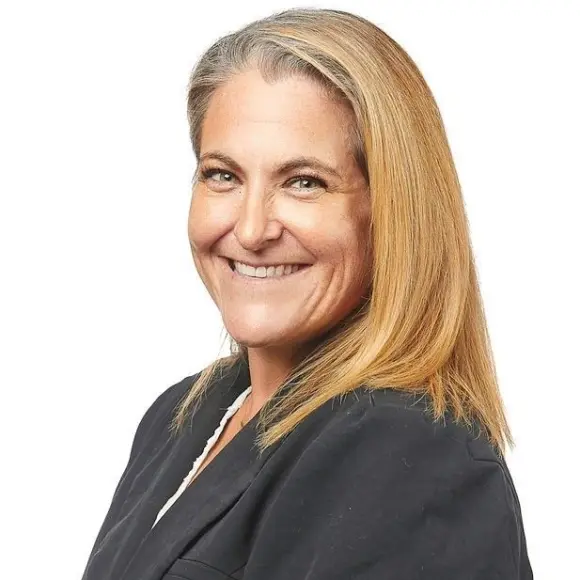
Chief Development Officer
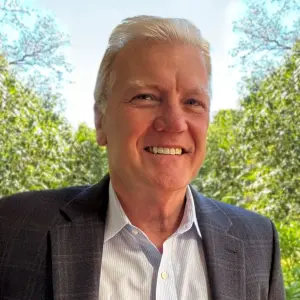
Chief Financial & Operations Officer
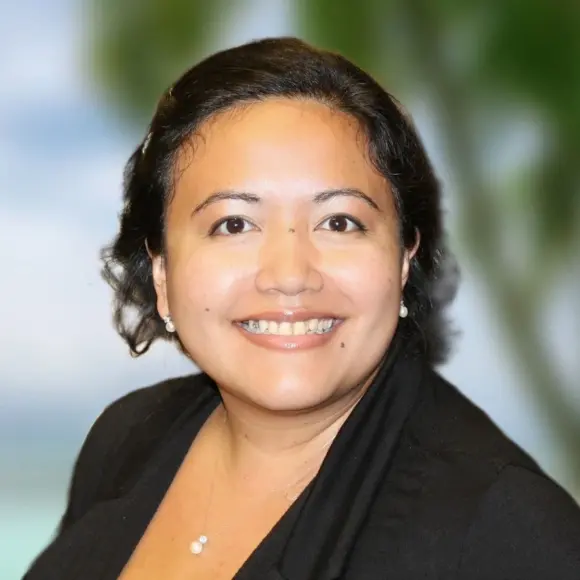
Director of Human Resources
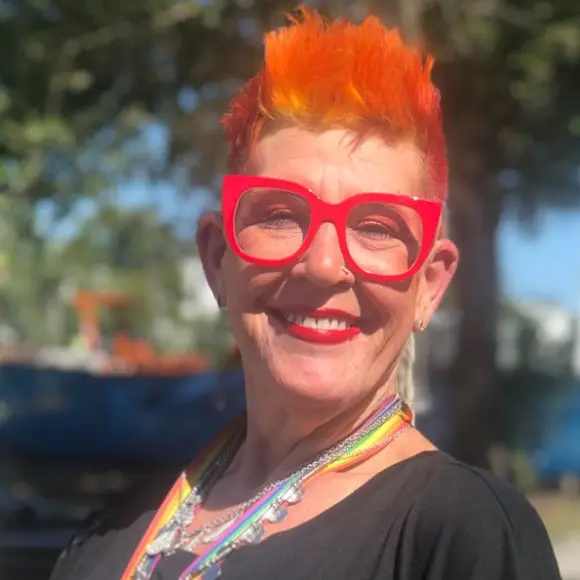
Director of Program Services

State Licenses are permits issued by government agencies that allow rehab organizations to conduct business legally within a certain geographical area. Typically, the kind of program a rehab facility offers, along with its physical location, determines which licenses are required to operate legally.
State License: Florida
Rehab.com regularly reviews this listing for accuracy but changes may occur between updates. For the most up-to-date information, please contact Covenant House Florida – Ft. Lauderdale.

733 Breakers Ave
#4100
Fort Lauderdale, FL 33304
Sponsored Helpline

I wouldn’t have given it a 1 star review if it weren’t for one singular staff named Kandy, she’s just as low vibrational as her name and extremely disrespectful and her attitude is disgusting she gave me a quote “loss of bed” because I didn’t hear her asking me to do something after I repeatedly said “pardon” x amount of times, she continuously disrespects youth and it’s a joke that she’s even a staff at a “safe haven”


i was there around 2001. 2002. i thank covenant house for the help they extended to me at 19 years old. it was a great experience for me. they helped with housing. jobs and structure. i remember the field trips. the training and the breakfasts. the poem nights. lol. the beach. thanks again covenant for helping us the youth at risk. i have my own business now, i wont forget the help.

If you are looking for a place to stabilize and rebuild your life, avoid the Covenant House. The environment here is not one of support; it is one of control and psychological attrition. The staff operates on a 'power-trip' protocol, specifically targeting residents with petty administrative hurdles just to maintain a sense of authority. I’ve personally experienced staff members flicking overhead lights at all hours of the day, intentionally disrupting sleep to ensure residents remain exhausted, gaslit, and compliant. They don't want you to succeed. They want you to stay in the system. The 'culture' among the residents is equally toxic,a bucket of crabs where anyone attempting to actually improve their situation is met with hostility and harassment. This isn't a facility for growth. It’s a facility for stagnation. If you have any self-respect left, stay away. Your time is worth more than the constant, petty degradation they provide.
 Back
Back
Sharing your insights and experiences can help others learn more about this rehab center.
 Written By: Patti Croft
MBA
Written By: Patti Croft
MBA


