





























































































 Claimed


Discovery Place was just what I needed after bouncing around other treatments. So grateful that I landed there. The community aspect of the program really helped me out, seeing guys coming back to help out the next guy. Love this place.
About Discovery Place
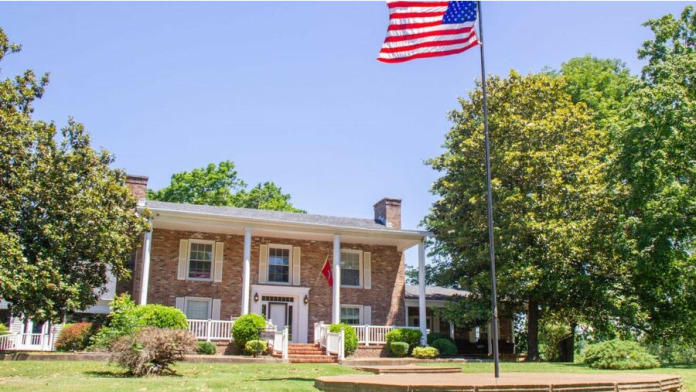
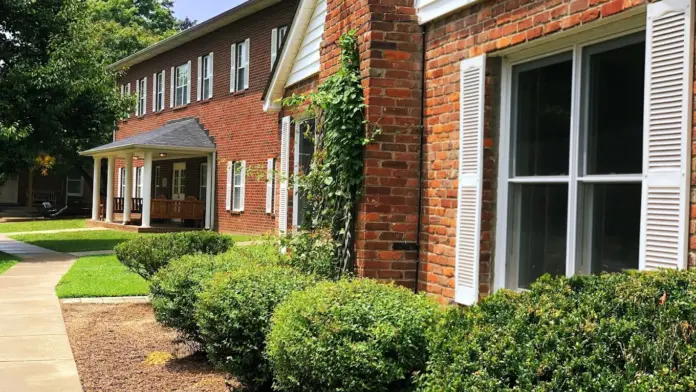
Discovery Place in Burns, Tennessee can be found on a sprawling 17 acres of land, about 30 minutes away from Nashville. A self-described ‘12-step spiritual retreat’ offering unconventional, yet highly successful addiction treatment to men aged 18 and older, adults, regardless of race, sexuality, or background. Scholarships are available to eligible applicants.
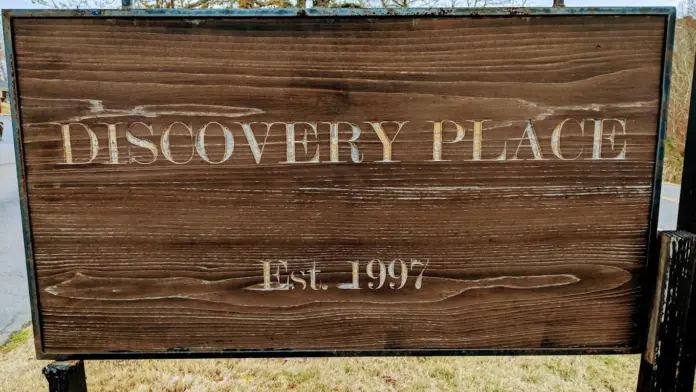
This facility has been around since 1997 and their 12-step program is made up of 3 phases. Phase 1 is a 30-day drug rehab. This initial program, also known as ‘main campus’ is their residential countryside retreat. Here, men can enjoy the peace and quiet of an idyllic rural setting as they begin their recovery journey. Many who begin their journey here start with detox before starting on phase 1.
This initial step is all about 12-step immersion, and participants will work their way through the steps, guided by the spiritual principles behind the philosophy. Individuals will work with program guides, and one another as they learn how to maintain sobriety, pick up healthy habits, find their purpose, get to the root cause of their addiction, and make responsible choices.
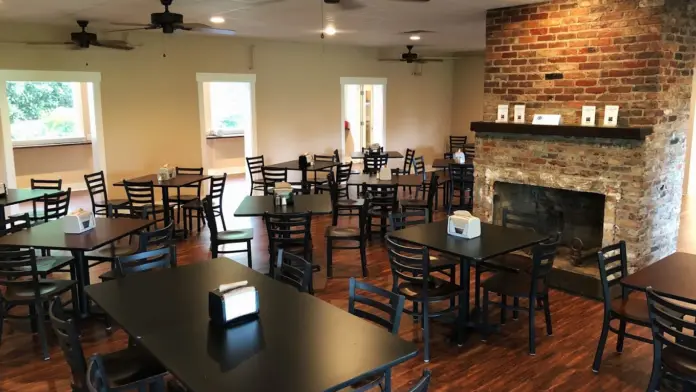
During this time, participants can benefit from a personalized recovery plan, daily studies presented by staff and guest speakers, morning meditations and spiritual discussions, 3 nutritious meals per day (plus snacks!), on and off-site 12-step meetings, tailored guidance, and Friday night chip celebrations and alumni speaker meetings. No recovery retreat would be without some fun, either. This is why Discovery Place offers a range of activities like fishing, cornhole, volleyball, board games, frisbee golf, basketball, trivia, and much more.
Phase 2 is all about maintaining a long-term recovery. For this, guests transition to their Dickson facility, just 15 minutes away from the main campus. Here, they’ll apply their learnings from Phase 1 within a supervised, safe environment. They can also expect more accountability, with house chores like cleaning, cooking, and other responsibilities to get stuck into as part of their community.
Lastly, Phase 3 is known as ‘Step Down’. This transitional program is designed to see participants integrate their learnings from the previous two phases into their everyday lives with the help of a guide and sponsor. Necessary life skill education like budgeting, and time management will be addressed at this stage. Individuals are still expected to attend meetings, take continuing care calls, and weekly Discovery Place Alumni Nights on the main campus. Individualized schedules and goals are issued, and campus work opportunities are also available.
Facility Overview
 24
24 Number of Available Beds
 31 - 60
 Avg Length of Stay in Days
 $250
$250 Avg Cost per Day
Latest Reviews
I owe so much of the life I have today to this place. I’m coming up on 20 months sober, and not a day goes by that I don’t think about what this place has given me.
There is a spirit of strength, hope, and goodness that you feel the moment you walk through the doors. If you’re reading this and wondering whether this place is right for you, as I once did, I can tell you now, it may be the best decision you ever make.
I’m beyond grateful for all the men who work tirelessly to make this place possible. Hope to see you soon.
Response from the owner1 day ago
Thank you for the kind words, Ezekiel! We appreciate you!!
Great experience , thankful for everybody at DP!
Response from the owner1 day ago
Thank you!!
Discovery Place will always hold a special place in my heart. Very comforting place. Top notch Chefs Craig and Zach make downtown style food 3 times a day. Daily spiritual classes, speaker meeting and the guidance is the best in the country. DP for life!!
We’re grateful for your kind words about our community, our spiritual classes and speaker meetings, and of course our amazing kitchen team. It means so much to know that the comfort, guidance, and care you experienced made a lasting impact. We’re proud of you and your journey, and we’ll always be cheering you on. DP for life!
Response from the owner1 day ago
Thank you so much for this incredible review! We’re truly honored that Discovery Place holds such a special place in your heart.We’re grateful for your kind words about our community, our spiritual classes and speaker meetings, and of course our amazing kitchen team. It means so much to know that the comfort, guidance, and care you experienced made a lasting impact. We’re proud of you and your journey, and we’ll always be cheering you on. DP for life!

Rehab Score
 Our Methodology
Scoring is assigned by a proprietary system which helps surface key metrics that determine quality. The 10-point scale factors in categories such as operations, customer satisfaction, and trust metrics. Read Full Methodology

8.1 / 10
Gallery
Other Forms of Payment
Self-pay involves paying for treatment out of your own pocket. You can use savings or credit, get a personal loan, or receive help from family and friends to fund your treatment. If you don't have insurance or your insurance plan doesn't cover a specific program, self-pay can help ensure you still get the care you need.
Financial aid can take many forms. Centers may have grants or scholarships available to clients who meet eligibility requirements. Programs that receive SAMHSA grants may have financial aid available for those who need treatment as well. Grants and scholarships can help you pai for treatment without having to repay.
Financing your treatment can make treatment more accessible. You'll work with your care provider to set up payment plans, including interest rates and repayment timelines. Financing options vary widely and not all programs offer them, so be sure to get the full details before enrolling in treatment. If you have insurance or other benefits, financing may help you cover your remaining out of pocket expenses.
Addiction Treatments
Levels of Care
Residential treatment programs are those that offer housing and meals in addition to substance abuse treatment. Rehab facilities that offer residential treatment allow patients to focus solely on recovery, in an environment totally separate from their lives. Some rehab centers specialize in short-term residential treatment (a few days to a week or two), while others solely provide treatment on a long-term basis (several weeks to months). Some offer both, and tailor treatment to the patient's individual requirements. This program allows men to experience an in-depth introduction to the principles of recovery in a healthy, welcoming atmosphere. Men will be guided through the 12 steps as directed in the big book of Alcoholics Anonymous. Guests reguarly attend outside and in-house recovery meetings, experience engaging recovery guest speakers and learn to rebuild skills necessary for transition into a life of sustained sobriety.
Clients receiving support in a rehab aftercare program typically have abstained from drugs or alcohol for a period of weeks or months and have completed high-level (often inpatient) treatment. Drug rehab aftercare is designed to support clients in maintaining their sobriety as they re-engage with their ordinary lives at home, in the workplace, and in the community. Services are highly individualized and evolve with clients' changing needs, but generally include peer coaching and relapse prevention.
12-step programs are addiction recovery models based on Alcoholics Anonymous (AA). A number of substance abuse programs (including some drug and alcohol rehab centers) use the 12 steps as a basis for treatment. Beginning steps involve admitting powerlessness over the addiction and creating a spiritual basis for recovery. Middle steps including making direct amends to those who've been hurt by the addiction, and the final step is to assist others in addiction recovery in the same way. 12-Step offshoots including Narcotics Anonymous (NA), Cocaine Anonymous (CA), Dual Recovery Anonymous (DRA), Sex and Love Addicts Anonymous (SLAA) and Gamblers Anonymous (GA).
The goal of a drug intervention in Tennessee is to encourage a person with a substance use disorder to enter treatment. The process also educates family members about addiction, enabling behaviors, and treatment options. The involvement of intervention services can help with this education and provide guidance for the intervention itself and follow-up care. The professional interventionist will work with the entire family to encourage the best outcomes possible from the intervention.
A sober living home in Tennessee, also known as a halfway house, refers to a group residence for men or women who are recovering from addiction. These are usually privately owned homes or houses owned by a nonprofit or business. Most are located in quiet residential areas. Residents have their own rooms or share a room with one roommate, and they share common areas. Each resident pays rent and helps with household maintenance.
Treatments
The goal of treatment for alcoholism is abstinence. Those with poor social support, poor motivation, or psychiatric disorders tend to relapse within a few years of treatment. For these people, success is measured by longer periods of abstinence, reduced use of alcohol, better health, and improved social functioning. Recovery and Maintenance are usually based on 12 step programs and AA meetings.
When your day-to-day life is taken over by drug use, this is known as substance use disorder. If you abruptly stop using your drug of choice, you experience withdrawal symptoms. To overcome this cycle, professional drug rehab in Tennessee is usually needed.
Substance rehabs focus on helping individuals recover from substance abuse, including alcohol and drug addiction (both illegal and prescription drugs). They often include the opportunity to engage in both individual as well as group therapy.
 Opioid Addiction
Programs
Adult rehab programs include therapies tailored to each client's specific needs, goals, and recovery progress. They are tailored to the specific challenges adult clients may face, including family and work pressures and commitments. From inpatient and residential treatment to various levels of outpatient services, there are many options available. Some facilities also help adults work through co-occurring conditions, like anxiety, that can accompany addiction.
Nearly one million adults age 65 and older live with a substance use disorder. Treatment providers who specialize in senior care understand the social, psychological, and physical effects of aging and how they relate to recovery. They can help clients address particular challenges and risks they may face as they get older such as overdosing and medication interactions and dependencies.
Men face specific challenges and concerns when seeking addiction treatment. Gender-specific recovery programs help them tackle these issues head-on in an environment that's focused, targeted, and distraction-free. It also gives them the opportunity to connect with and learn from other men who have been through a similar journey and can offer support for the next step.
Clinical Services
Group therapy is any therapeutic work that happens in a group (not one-on-one). There are a number of different group therapy modalities, including support groups, experiential therapy, psycho-education, and more. Group therapy involves treatment as well as processing interaction between group members.
In individual therapy, a patient meets one-on-one with a trained psychologist or counselor. Therapy is a pivotal part of effective substance abuse treatment, as it often covers root causes of addiction, including challenges faced by the patient in their social, family, and work/school life.
Research clearly demonstrates that recovery is far more successful and sustainable when loved ones like family members participate in rehab and substance abuse treatment. Genetic factors may be at play when it comes to drug and alcohol addiction, as well as mental health issues. Family dynamics often play a critical role in addiction triggers, and if properly educated, family members can be a strong source of support when it comes to rehabilitation.
Life skills trainings involve all the skills a person must have in order to function successfully in the world. These include time management, career guidance, money management, and effective communication. Truly successful addiction recovery is based on the ability to not only live substance-free, but to thrive. Life skills teaches the practical necessities of functioning in society, which sets clients up for success in life, and therefore sobriety.
To quit smoking, you can use nicotine replacement therapy and gradually reduce the amount of nicotine you consume. This allows your brain and body to adjust so you can reach your goal of breaking free from cigarettes in just a few weeks.
Recreational therapy supports addiction recovery by giving you structured activities that promote physical and mental health. These help build a supportive network of your peers that promotes sobriety. Activities can include sports, creative arts, and outdoor adventures that help you reduce cravings, manage stress, and give you an emotional outlet.
Amenities
-
 Basketball court
 -
 Gym
Gym -
 Hiking
 -
 Lakeside
 -
 Meditation room
 -
 Private setting
 -
 Residential setting
 -
 Private transportation
 -
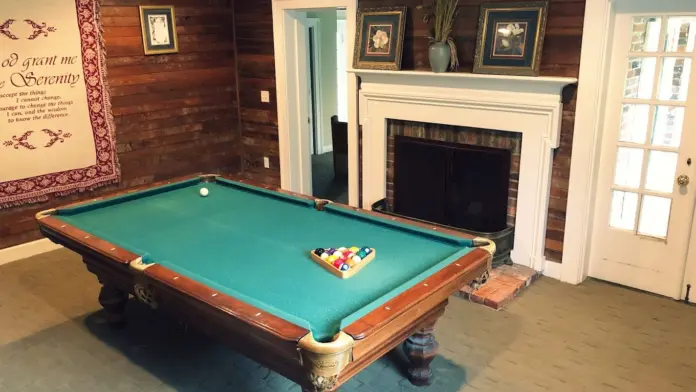
 Recreation room
 -
 Volleyball court
 -
 Wilderness setting
Staff & Accreditations
Staff

Adam Landry
Program Director

Matt Tidwell
Lead Admissions Coordinator

Bob Overton
Spiritual Advisor
Accreditations

LegitScript has reviewed Discovery Place as part of their certification program, and has determined that it meets the LegitScript standards for legality, safety and transparency.
LegitScript verified in
Rehab.com regularly reviews this listing for accuracy but changes may occur between updates. For the most up-to-date information, please contact Discovery Place.
Contact Information

1635 Spencer Mill Road
Burns, TN 37029
Get Help Now - 615-437-0407
Sponsored Helpline
Sponsored Helpline


