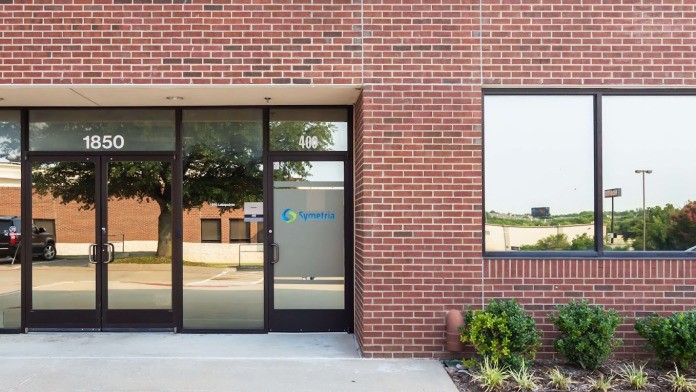
Symetria — Hurst Outpatient Rehab & Suboxone Clinic
1
Top 10 Rehab Centers In Hurst






































































































The program uses customized treatment plans tailored to your individual needs. They also use Hazelden’s Living in Balance program. The program is flexible and uses experiential and cognitive behavioral therapies which are evidence based.
With Living in Balance, there are 12 core sessions and 25 more sessions for recovery. There are also 10 sessions for dual diagnosis disorders. You’ll get treatment from licensed staff in group and individual therapy. You’ll also learn the 12 Step approach to recovery to help with sobriety for the rest of your life.
The center also offers treatments for obsessive compulsive disorder, personality disorders and post traumatic stress disorder (PTSD). Because it’s an intensive outpatient program, there’s a higher level of outpatient care than a regular outpatient clinic.
You can also do an online video conferencing treatment program. Some former clients indicated that it was hard to get involved with this program. However, others have praised the program, and one reported that it helped her sister get sober after many years of addiction.



 Our Methodology


Medicare is a federal program that provides health insurance for those 65 and older. It also serves people under 65 with chronic and disabling health challenges. To use Medicare for addiction treatment you need to find a program that accepts Medicare and is in network with your plan. Out of pocket costs and preauthorization requirements vary, so always check with your provider.
Medicaid is a state based program that helps lower-income individuals and families pay for healthcare. Medicaid covers addiction treatment so those enrolled can use their coverage to pay for rehab. When a program accepts Medicaid the client often pays very little or nothing out of their own pocket.
Private insurance refers to any kind of healthcare coverage that isn't from the state or federal government. This includes individual and family plans offered by an employer or purchased from the Insurance Marketplace. Every plan will have different requirements and out of pocket costs so be sure to get the full details before you start treatment.
Self-pay involves paying for treatment out of your own pocket. You can use savings or credit, get a personal loan, or receive help from family and friends to fund your treatment. If you don't have insurance or your insurance plan doesn't cover a specific program, self-pay can help ensure you still get the care you need.
Outpatient Programs (OP) are for those seeking mental rehab or drug rehab, but who also stay at home every night. The main difference between outpatient treatment (OP) and intensive outpatient treatment (IOP) lies in the amount of hours the patient spends at the facility. Most of the time an outpatient program is designed for someone who has completed an inpatient stay and is looking to continue their growth in recovery. Outpatient is not meant to be the starting point, it is commonly referred to as aftercare.
Substance rehabs focus on helping individuals recover from substance abuse, including alcohol and drug addiction (both illegal and prescription drugs). They often include the opportunity to engage in both individual as well as group therapy.
Group therapy is any therapeutic work that happens in a group (not one-on-one). There are a number of different group therapy modalities, including support groups, experiential therapy, psycho-education, and more. Group therapy involves treatment as well as processing interaction between group members.
In individual therapy, a patient meets one-on-one with a trained psychologist or counselor. Therapy is a pivotal part of effective substance abuse treatment, as it often covers root causes of addiction, including challenges faced by the patient in their social, family, and work/school life.

Clinical Director

Detox Administrative Assistant
Community Specialist
Behavioral Health Technician
Recovery Technician

7676 hillmont st suite 201
houston
Houston, TX 77040
Sponsored Helpline

For starters I will open up this review with saying recovery and sobriety is solely based on the individual trying to become sober. You have to make that choice on your own and then act. I started classes in September and finished in Jan. I was only supposed to do 24 classes. In this review I will be honest and explain why it took me so long. Intake: Reached out to Rod , he was very responsive. Done an intake with Ken he was nice and thorough. Ken is a true survivor and has an intense background with personally using and going to rehab which is why he is creditable to be an instructor. Also explains the way he may present himself - at times you may think he is exhibiting behavior of someone who uses , but technically that is just what happens after a long time of using. (Seen a review comment on how he sniffles and re asks questions so wanted to address that here. Ken never acted like he uses - always present and has an awesome memory. I commend Ken for his background and ability to be so strong and present in classes for us.) Actual class: The class is virtual , I truly do not believe any pure recovery can be done in a virtual setting. Although, Ken made sure all cameras were on and made sure everyone was active. I have never been to a recovery class before so I stopped going once the first 2-3 classes felt like in intervention on everyone else's life. I just kept thinking "If people want to come here to really get off drugs , it is impossible". So , knowing I had to finish . After a while I made the best of it. I told Ken my concerns and from then he had content for us to read and go through. On top of that the classes are 3 times a week from 6-9. Very inconvenient. Concerns or issues: - Ken is older so sometimes there were technical issues where a lot of class time is wasted. - Jake also is an older fella and at times seemed his personal life did not allow him to be present on his Thursday calls. - Classes are very invasive and personal. To me we would be asked very personal questions and at times the responses from Ken and Jake were very passive. - At one point of time I felt Ken was showing favoritism to a particular client - would let him just talk and ramble on and on. To me his actions were signs of someone who just relapsed but Ken was always so amazed in what he had to say. Weeks after that - the dude admitted to relapsing. I really felt like Ken should have caught on to that since he asks a lot of people other personal devils advocate styled questions. - At the end when I finished class. Rod's records were off , he could not find my first payment so I had to send him emails of the receipts he made me. - 3 classes a week from 6-9 was another issue on why it took me so long to finish. Too many days and too long. The content needs to be a lot stronger with that being said. Pro's and good - You will develop a family in the classes - Being in classes you will hear other peoples stories and that will encourage you to be better and stay sober. - You were able to talk and vent when needed - A lot of information on drug and alcohol abuse All and all the program was good for ME. Although it contributed to my sobriety - it was not close to being the main thing on why I stayed sober. I made that option on my own. I feel if you are struggling with drugs seriously, this class and the content is not strong enough to break those habits. Go check into rehab.

My twin sister had faced the harrowing battle of addiction for years, and we had tried treatment with several recovery programs before, but unfortunately, none could help her achieve sobriety. It was a heartbreaking and frustrating roller coaster journey, but Ken Pacetti at First Step to Recovery changed everything. From the very first moment I met Ken, I could sense his genuine compassion and dedication to helping individuals on their journey to recovery. Ken's warmth and amazing empathy made it easy for me to open up and share my concerns and fears about my twin sister's struggles with addiction. His gentle and supportive demeanor provided a safe and non-judgmental space for my sister to confide in him. We continued to touch base making sure we were "ready to go" when my twin would agree to it. FINALLY the moment arrived, and my twin sister finally AGREED to seek treatment Ken led the way for both of us! First he opened the door for my twin to start her recovery and then he opened a second door for my family—a door of understanding and active involvement in my sister's recovery. Ken took the time to educate us about addiction, the recovery process, and our roles in supporting my sister's journey. He explained, guided, and patiently answered our questions, helping us navigate the challenging terrain of addiction with knowledge and compassion. I cannot thank Ken enough for the incredible role he played in my twin sister's journey to sobriety. His unique approach, characterized by kindness, empathy, and unwavering support, truly made all the difference. It is amazing to have my twin sister back! Thank you, Ken, for your exceptional dedication to helping individuals, even in the face of the most challenging cases, find their way to a brighter, sober future.

KEN PACETTI is very unprofessional. A friend of mine was accepted here and needed to call for an assessment. The day of the call, Pacetti was at DISCOUNT TIRE during my friend’s assessment, promised a call back in 30 minutes and never called back. He was constantly sniffling, very repetitive with questions that were previously answered, the whole call was unprofessional. Ultimately 24 hours later Pacetti notified my friend via text he does not meet the criteria because xyz. Seems to me this man picks and chooses who to let into the IOP program offered. DO NOT WASTE YOUR TIME HERE.

The director of this program KEN PACETTI is RACIST! I was first approved to start the program but because I didn’t know I had to call them for my assessment “I originally thought, I would be getting a call” but didn’t and then I was told I was not a good fit for the program because of the way I talk which is weird taking I talk the same way to everyone and always have I definitely assume it’s because I’m black and assertive with my communication!!!
 Back
Back
Sharing your insights and experiences can help others learn more about this rehab center.