





























































































About Foundation for Recovery
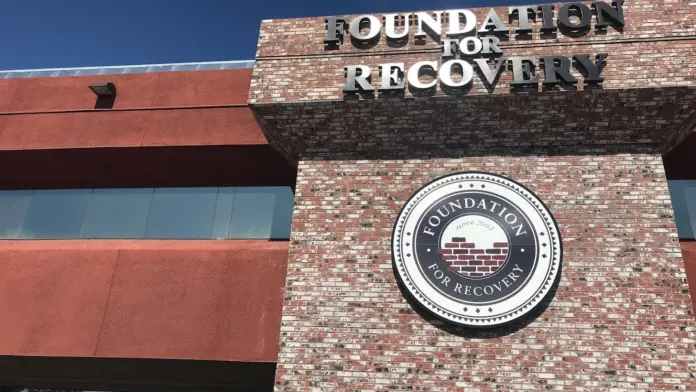
Foundation for Recovery is a nonprofit substance use treatment program in Las Vegas, Nevada that offers outpatient care, peer recovery support and recovery housing for adults.
Located at 4800 Alpine Place in Suite 12, the foundation supports people who have substance use disorders and co occurring mental health conditions.
The mission here focuses on evidence based treatment, peer support and community resources that help build a lasting foundation for recovery.
From Outpatient Rehab to Sober Living
Foundation for Recovery provides an array of care that includes a Partial Hospitalization Program, Intensive Outpatient Program and standard Outpatient Program. They also have recovery housing for those who need a safe, structured living environment in early recovery.
During your program, you’ll have individual and group counseling as well as case management and life skills training. They also offer specialized services like trauma therapy, anger management, family therapy and relapse prevention.
They offer medication assisted treatment or MAT here too, in combination with counseling and ongoing recovery support.
Quick Facts About Foundation for Recovery
- Location: Alpine Place in Las Vegas, Nevada
- Levels of care: PHP, IOP, outpatient, recovery housing and peer support
- Who they treat: Adult men and women, veterans, first responders and professionals with substance use and cooccurring disorders
- Approach: Evidence based and holistic, including yoga, meditation and gender specific groups
- Family services: Family therapy and dedicated family support offerings
- Continuing care: Continuing care and community based recovery resources.
A Simple Assessment to Get Started
Beginning treatment at Foundation for Recovery in Las Vegas starts with reaching out to discuss your needs and complete an assessment.
The admissions team can explain available programs, levels of care and payment options to help you find the right fit.
Latest Reviews



Rehab Score
 Our Methodology


Gallery
Other Forms of Payment
Self-pay involves paying for treatment out of your own pocket. You can use savings or credit, get a personal loan, or receive help from family and friends to fund your treatment. If you don't have insurance or your insurance plan doesn't cover a specific program, self-pay can help ensure you still get the care you need.
Financial aid can take many forms. Centers may have grants or scholarships available to clients who meet eligibility requirements. Programs that receive SAMHSA grants may have financial aid available for those who need treatment as well. Grants and scholarships can help you pai for treatment without having to repay.
Medicare is a federal program that provides health insurance for those 65 and older. It also serves people under 65 with chronic and disabling health challenges. To use Medicare for addiction treatment you need to find a program that accepts Medicare and is in network with your plan. Out of pocket costs and preauthorization requirements vary, so always check with your provider.
Medicaid is a state based program that helps lower-income individuals and families pay for healthcare. Medicaid covers addiction treatment so those enrolled can use their coverage to pay for rehab. When a program accepts Medicaid the client often pays very little or nothing out of their own pocket.
Addiction Treatments
Levels of Care
Outpatient Programs (OP) are for those seeking mental rehab or drug rehab, but who also stay at home every night. The main difference between outpatient treatment (OP) and intensive outpatient treatment (IOP) lies in the amount of hours the patient spends at the facility. Most of the time an outpatient program is designed for someone who has completed an inpatient stay and is looking to continue their growth in recovery. Outpatient is not meant to be the starting point, it is commonly referred to as aftercare.
Clients receiving services in a rehab aftercare program are typically in the maintenance phase of their recovery, having already completed intensive inpatient treatment. These clients are generally strongly engaged in addiction counseling and recovery-focused life skills training. Case managers and care teams work with clients to identify and access the medical, mental health, and social service programs they need to promote long-term sobriety. Rehab aftercare services often include peer coaching, relapse prevention, and 12 step program induction.
12-step programs are addiction recovery models based on Alcoholics Anonymous (AA). A number of substance abuse programs (including some drug and alcohol rehab centers) use the 12 steps as a basis for treatment. Beginning steps involve admitting powerlessness over the addiction and creating a spiritual basis for recovery. Middle steps including making direct amends to those who've been hurt by the addiction, and the final step is to assist others in addiction recovery in the same way. 12-Step offshoots including Narcotics Anonymous (NA), Cocaine Anonymous (CA), Dual Recovery Anonymous (DRA), Sex and Love Addicts Anonymous (SLAA) and Gamblers Anonymous (GA).
Ridding your body of alcohol and drugs in a medically supervised environment is known as medically supervised detox. During this period of inpatient care, you are monitored by a team of medical professionals whose job it is to help keep you as safe and comfortable as possible while addressing any withdrawal symptoms. Medically supervised detox is typically the first step in the recovery process, and usually takes an average of 5-7 days.
Treatments
The goal of treatment for alcoholism is abstinence. Those with poor social support, poor motivation, or psychiatric disorders tend to relapse within a few years of treatment. For these people, success is measured by longer periods of abstinence, reduced use of alcohol, better health, and improved social functioning. Recovery and Maintenance are usually based on 12 step programs and AA meetings.
When you enter drug rehab in Nevada, you receive professional assistance to remove drugs from your body and cease your body's need for the substance. You learn coping strategies and receive support to prevent relapse and enjoy long-term sobriety.
Many of those suffering from addiction also suffer from mental or emotional illnesses like schizophrenia, bipolar disorder, depression, or anxiety disorders. Rehab and other substance abuse facilities treating those with a dual diagnosis or co-occurring disorder administer psychiatric treatment to address the person's mental health issue in addition to drug and alcohol rehabilitation.
Opioid rehabs specialize in supporting those recovering from opioid addiction. They treat those suffering from addiction to illegal opioids like heroin, as well as prescription drugs like oxycodone. These centers typically combine both physical as well as mental and emotional support to help stop addiction. Physical support often includes medical detox and subsequent medical support (including medication), and mental support includes in-depth therapy to address the underlying causes of addiction.
Substance rehabs focus on helping individuals recover from substance abuse, including alcohol and drug addiction (both illegal and prescription drugs). They often include the opportunity to engage in both individual as well as group therapy.
Programs
Adult rehab programs include therapies tailored to each client's specific needs, goals, and recovery progress. They are tailored to the specific challenges adult clients may face, including family and work pressures and commitments. From inpatient and residential treatment to various levels of outpatient services, there are many options available. Some facilities also help adults work through co-occurring conditions, like anxiety, that can accompany addiction.
Clinical Services
Group therapy is any therapeutic work that happens in a group (not one-on-one). There are a number of different group therapy modalities, including support groups, experiential therapy, psycho-education, and more. Group therapy involves treatment as well as processing interaction between group members.
Individual therapy provides you with a confidential setting to explore the complex factors that contribute to drug and alcohol addiction. Your therapist can provide tailored support and help you develop healthy coping strategies, improve self control, and build a foundation for sustainable sobriety.
Research clearly demonstrates that recovery is far more successful and sustainable when loved ones like family members participate in rehab and substance abuse treatment. Genetic factors may be at play when it comes to drug and alcohol addiction, as well as mental health issues. Family dynamics often play a critical role in addiction triggers, and if properly educated, family members can be a strong source of support when it comes to rehabilitation.
Life skills trainings involve all the skills a person must have in order to function successfully in the world. These include time management, career guidance, money management, and effective communication. Truly successful addiction recovery is based on the ability to not only live substance-free, but to thrive. Life skills teaches the practical necessities of functioning in society, which sets clients up for success in life, and therefore sobriety.
Recreational therapy (aka therapeutic recreation) uses creative and fun activities to help with addiction recovery. Recreational therapists lead patients in entertaining and engaging activities like sports or games; art (drawing, painting, sculpture); drama, music, and dance; and/or community outings (field trips) to improve patients' physical, social, and emotional well-being.
Staff & Accreditations
Staff

Sean O'Donnell, CPRS, PRSS-S, M.S.
Executive Director
Hortensia DeJesus, CADC, PRSS-S
Director of Programs
Sara Ayoub, CPRS, PRSS-S
Director of Education & Training

Greg Williams
Chairman, BOD
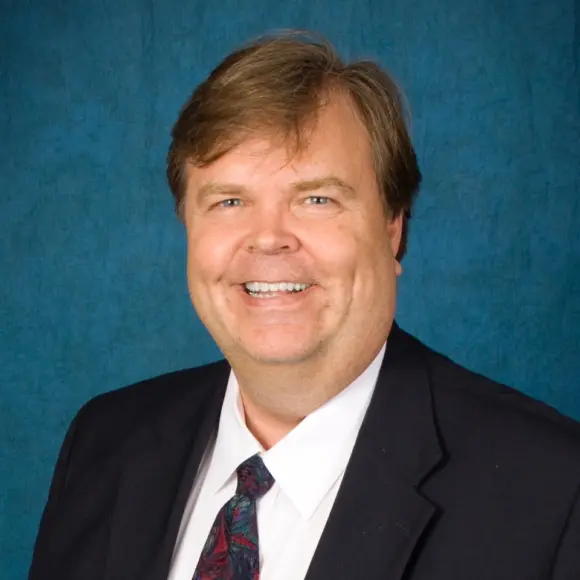
Jack Hovenier
Treasurer, BOD
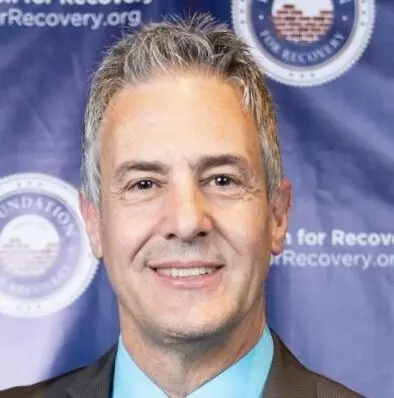
Dave Caloiaro
Secretary, BOD
Accreditations

State Licenses are permits issued by government agencies that allow rehab organizations to conduct business legally within a certain geographical area. Typically, the kind of program a rehab facility offers, along with its physical location, determines which licenses are required to operate legally.
State License: Nevada
Rehab.com regularly reviews this listing for accuracy but changes may occur between updates. For the most up-to-date information, please contact Foundation for Recovery.
Contact Information


4800 Alpine Place
Suite 12
Las Vegas, NV 89108
Sponsored Helpline


