About Green Country Behavioral Health Services, Inc.
Green Country Behavioral Health Services is a nonprofit Certified Community Behavioral Health Clinic providing comprehensive outpatient addiction treatment and mental health services in Muskogee, Oklahoma.
Established in 1979, the organization offers evidence based therapies including CBT, DBT, EMDR and medication assisted treatment for individuals, families and children of all ages. Its integrated model addresses mental health, substance use and physical wellness together while ensuring that no one is denied care because of financial hardship.
Medication Assisted Treatment for Opioid And Alcohol Recovery
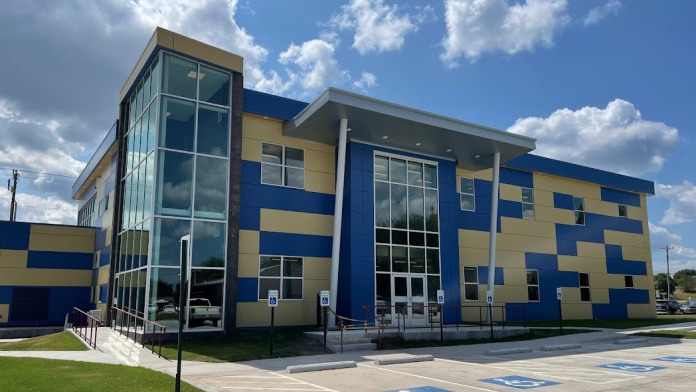
Green Country specializes in MAT for opioid and alcohol use disorders. Services include methadone, buprenorphine Suboxone and naltrexone Vivitrol. The Medical Arts Building includes a fully staffed medication clinic with an onsite pharmacy that helps simplify and coordinate access to care.
Treatment combines FDA cleared medications with individual counseling, group therapy and peer recovery support from staff members who have personal experience with recovery. Many clients highlight the Suboxone program and describe staff as compassionate and dedicated, noting a strong focus on whole health wellness and long term stability.
Family Centered Care and Trauma Services
The Family Wellness Center provides crisis stabilization services for children and families. The restoration trauma team delivers specialized trauma focused therapy through referrals from child advocacy organizations and first responders. Programs such as Celebrating Families address substance use as a family wide concern by offering coordinated and wraparound support services.
Getting Started With Treatment
Green Country serves Muskogee and McIntosh Counties through multiple locations and telehealth services and offers twenty four hour mobile crisis response. The organization holds ODMHSAS Certification with Special Distinction and has been recognized as Nonprofit of the Year by the Greater Muskogee Chamber of Commerce.
The center accepts SoonerCare, Medicare and private insurance and offers sliding scale fees based on income.
I can’t recommend this place enough!! I went to them in a very paniced state and they managed to help me back.They are all amazing and understanding.. Life Saving
Response from the owner3 weeks ago
We are so happy to hear this, Elisa! Thank you for taking the time to write and continued success in your mental health journey. We will continue to provide support as needed.
Great inpatient care great people all around just a really bad experience with a really bad provider
Response from the owner3 weeks ago
Thank you for taking the time to write this review, Dalton. We appreciate your time. We would like to invite you to reach out to a client advocate so we can address your concerns as soon as possible. Call us at 918-682-8407.
Scoring is assigned by a proprietary system which helps surface key metrics that determine quality. The 10-point scale factors in categories such as operations, customer satisfaction, and trust metrics. Read Full Methodology
6.6 / 10
Gallery
Other Forms of Payment
Private insurance refers to any kind of healthcare coverage that isn't from the state or federal government. This includes individual and family plans offered by an employer or purchased from the Insurance Marketplace. Every plan will have different requirements and out of pocket costs so be sure to get the full details before you start treatment.
Self-pay involves paying for treatment out of your own pocket. You can use savings or credit, get a personal loan, or receive help from family and friends to fund your treatment. If you don't have insurance or your insurance plan doesn't cover a specific program, self-pay can help ensure you still get the care you need.
Financial aid can take many forms. Centers may have grants or scholarships available to clients who meet eligibility requirements. Programs that receive SAMHSA grants may have financial aid available for those who need treatment as well. Grants and scholarships can help you pai for treatment without having to repay.
Medicaid is a state based program that helps lower-income individuals and families pay for healthcare. Medicaid covers addiction treatment so those enrolled can use their coverage to pay for rehab. When a program accepts Medicaid the client often pays very little or nothing out of their own pocket.
Military members, veterans, and eligible dependents have access to specific insurance programs that help them get the care they need. TRICARE and VA insurance can help you access low cost or no cost addiction and mental health treatment. Programs that accept military insurance often have targeted treatment focused on the unique challenges military members, veterans, and their families face.
Addiction Treatments
Levels of Care
Outpatient Programs (OP) are for those seeking mental rehab or drug rehab, but who also stay at home every night. The main difference between outpatient treatment (OP) and intensive outpatient treatment (IOP) lies in the amount of hours the patient spends at the facility. Most of the time an outpatient program is designed for someone who has completed an inpatient stay and is looking to continue their growth in recovery. Outpatient is not meant to be the starting point, it is commonly referred to as aftercare.
Inpatient rehabs provide extra support for clients in early recovery and those at a high risk of relapse. They allow clients to focus on their sobriety safe from outside distractions, stressors, and addiction triggers. Clients reside at the treatment center for the length of their program, where they receive extensive addiction counseling, including individual, group, and family therapy. Many programs also offer robust life skills training and holistic therapies, such as meditation.
Treatments
Many of those suffering from addiction also suffer from mental or emotional illnesses like schizophrenia, bipolar disorder, depression, or anxiety disorders. Rehab and other substance abuse facilities treating those with a dual diagnosis or co-occurring disorder administer psychiatric treatment to address the person's mental health issue in addition to drug and alcohol rehabilitation.
Mental health rehabs focus on helping individuals recover from mental illnesses like bipolar disorder, clinical depression, anxiety disorders, schizophrenia, and more. Mental health professionals at these facilities are trained to understand and treat mental health issues, both in individual and group settings.
Programs
Adult rehab programs include therapies tailored to each client's specific needs, goals, and recovery progress. They are tailored to the specific challenges adult clients may face, including family and work pressures and commitments. From inpatient and residential treatment to various levels of outpatient services, there are many options available. Some facilities also help adults work through co-occurring conditions, like anxiety, that can accompany addiction.
Young adulthood can be an exciting, yet difficult, time of transition. Individuals in their late teens to mid-20s face unique stressors related to school, jobs, families, and social circles, which can lead to a rise in substance use. Rehab centers with dedicated young adult programs will include activities and amenities that cater to this age group, with an emphasis on specialized counseling, peer socialization, and ongoing aftercare.
Clinical Services
Cognitive Behavioral Therapy (CBT) is a therapy modality that focuses on the relationship between one's thoughts, feelings, and behaviors. It is used to establish and allow for healthy responses to thoughts and feelings (instead of unhealthy responses, like using drugs or alcohol). CBT has been proven effective for recovering addicts of all kinds, and is used to strengthen a patient's own self-awareness and ability to self-regulate. CBT allows individuals to monitor their own emotional state, become more adept at communicating with others, and manage stress without needing to engage in substance abuse.
Whether a marriage or other committed relationship, an intimate partnership is one of the most important aspects of a person's life. Drug and alcohol addiction affects both members of a couple in deep and meaningful ways, as does rehab and recovery. Couples therapy and other couples-focused treatment programs are significant parts of exploring triggers of addiction, as well as learning how to build healthy patterns to support ongoing sobriety.
Dialectical Behavior Therapy (DBT) is a modified form of Cognitive Behavioral Therapy (CBT), a treatment designed to help people understand and ultimately affect the relationship between their thoughts, feelings, and behaviors. DBT is often used for individuals who struggle with self-harm behaviors, such as self-mutilation (cutting) and suicidal thoughts, urges, or attempts. It has been proven clinically effective for those who struggle with out-of-control emotions and mental health illnesses like Borderline Personality Disorder.
Eating disorders include anorexia, bulimia, binge eating, and dysfunctional eating patterns. Many psychologists and other mental health professionals consider eating disorders to be food addictions, meaning food is being used in an addictive way (similar to drug or alcohol addiction). Certain substance abuse treatment programs will have treatment for eating disorders as one of the services offered. An eating disorder may also present as a co-occuring disorder or dual diagnosis alongside drug and alcohol addiction.
Experiential therapy is a form of therapy in which clients are encouraged to surface and work through subconscious issues by engaging in real-time experiences. Experiential therapy departs from traditional talk therapy by involving the body, and having clients engage in activities, movements, and physical and emotional expression. This can involve role-play or using props (which can include other people). Experiential therapy can help people process trauma, memories, and emotion quickly, deeply, and in a lasting fashion, leading to substantial and impactful healing.
Research clearly demonstrates that recovery is far more successful and sustainable when loved ones like family members participate in rehab and substance abuse treatment. Genetic factors may be at play when it comes to drug and alcohol addiction, as well as mental health issues. Family dynamics often play a critical role in addiction triggers, and if properly educated, family members can be a strong source of support when it comes to rehabilitation.
Group therapy is any therapeutic work that happens in a group (not one-on-one). There are a number of different group therapy modalities, including support groups, experiential therapy, psycho-education, and more. Group therapy involves treatment as well as processing interaction between group members.
In individual therapy, a patient meets one-on-one with a trained psychologist or counselor. Therapy is a pivotal part of effective substance abuse treatment, as it often covers root causes of addiction, including challenges faced by the patient in their social, family, and work/school life.
Nutrition therapy, aka medical nutrition therapy (MNT), is a way of treating physical, emotional, and medical conditions through diet. Specific dietary plans are designed by professional nutritionists or registered dietitians, and patients follow them in order to positively affect their physical and mental health.
Trauma therapy addresses traumatic incidents from a client's past that are likely affecting their present-day experience. Trauma is often one of the primary triggers and potential causes of addiction, and can stem from child sexual abuse, domestic violence, having a parent with a mental illness, losing one or both parents at a young age, teenage or adult sexual assault, or any number of other factors. The purpose of trauma therapy is to allow a patient to process trauma and move through and past it, with the help of trained and compassionate mental health professionals.
Amenities
Private Setting
Staff
Joy Sloan
CEO
Melissa Shofner
Clinical Director
Carla Lovelady
CFO
Mark Johnson
CIO
Keith Harlin
Crisis Services Director
Leigh Lackey, RN
Director of Nursing
Jenny Bell
Head Start Director
Rehab.com regularly reviews this listing for accuracy but changes may occur between updates. For the most up-to-date information, please contact Green Country Behavioral Health Services, Inc..
DONT WASTE YOUR TIME HERE
Had the misfortune of meeting some supervisor named Heather today who gaslit me after failing to assist me in 106degree heat while I'm homeless. I've been a client there for at least 3 years. This place is such a mix of terrible and great. Other than her and the lack of funding for ACTUAL ASSISTANCE, this place is awesome. Cheryl and Alexis are angels. Muskogee is a shithole city though. Good riddance.
After trying to file a formal, written complaint about Heather I was gaslit a second time by Tray who is apparently a patient advocate. Why would an advocate tell a 4-year-long client that to be able to file a complaint they would have to come up to their abusers place of work and speak with them in person? Why is there no official channel to make a written complaint? Raises suspicion. Do you actually help people or are you just taking in funding and doing nothing to actually assist people? You purchased a second facility recently while telling people you didnt have funding for gas cards or help with tuition and now there's some AI data center being built next door. This place is practically dead to me now. Was good while it lasted. I'll survive this homeless summer in spite of people like Heather.
My old highschool in Tulsa did more for me and my stability in 1 day than GCBHS did for me in 6 months during a crisis. Shelley Gower has gaslit me twice now. I assume she got that behavior from the incompetent and dangerous supervisor she works under, Heather.
Do not come here. I received services for FREE and still feel scammed.
Elisa Lewis
1 month ago
5
I can’t recommend this place enough!! I went to them in a very paniced state and they managed to help me back.They are all amazing and understanding.. Life Saving
Response from the owner
We are so happy to hear this, Elisa! Thank you for taking the time to write and continued success in your mental health journey. We will continue to provide support as needed.
Tara Stone
2 months ago
1
I trusted therapist Lena Northcutt at Green Country Behavioral Health, and she severely violated that trust. What happened left me feeling hurt, dismissed, and completely let down. When you seek help, you’re putting your vulnerability in someone else’s hands, and the way she handled my situation showed a lack of professionalism, boundaries, and care.
During a treatment-plan conversation, Lena’s supervisor was present and overseeing the discussion. Even with a supervisor in the room, the way Lena handled my situation broke the trust I had placed in her. Instead of feeling supported, I felt exposed and unheard. That moment changed the entire course of my experience there.
My experience with Lena was not just disappointing — it was damaging. Instead of feeling supported, I felt exposed and unheard. The choices she made during my time under her care created emotional fallout that I’m still working through. No one should walk into therapy and come out feeling worse than when they started.
I’m sharing this because trust is crucial in mental‑health settings, and people deserve to know what they may be walking into. I don’t want anyone else to go through what I did. If you’re considering therapy here, please be cautious, ask questions, and make sure you feel safe, respected, and truly supported. Your mental health deserves better than what I experienced with Lena Northcutt.
Response from the owner
Thank you for your feedback, Tara. If you have an unresolved issue we can assist with, please call and ask for our client advocate at 918-682-8407.
Michael Capps
2 months ago
5
Crisis Unit Saved my life. I can't say enough good things about Everyone
Response from the owner
That is such great news, Michael! Thank you for taking the time to leave this review and we are hopeful this will continue for you for years to come!
By calling the helpline you agree to the terms of use. We do not receive any commission or fee that is dependent upon which treatment provider a caller chooses. There is no obligation to enter treatment.
Calls to numbers on a specific treatment center listing will be routed to that treatment center. Calls to any general helpline could be forwarded to SAMHSA or a verified treatment provider.
If you wish to connect with non-sponsor centers, you can browse top-rated listings, visit our homepage and browse by state, or visit SAMHSA.

 Sponsored Helpline































































 Private Setting