






























































































Brought my fiancé to this place after I bailed him out of jail. He was eager to get help and I thought this place would do just that. Help. Well I was wrong, horribly wrong. The first night he was there everyone was welcoming. But that was the first and only time. While m ...
About Home With a Heart
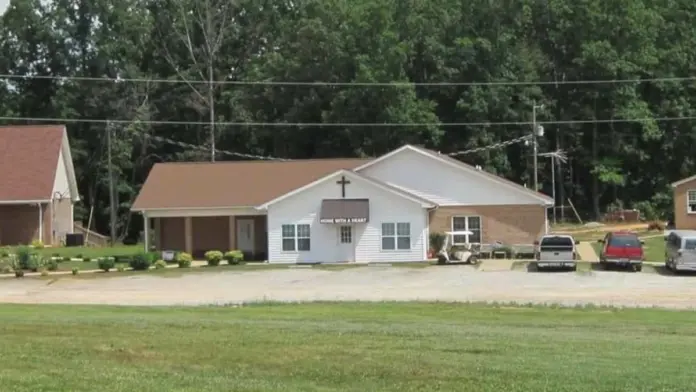
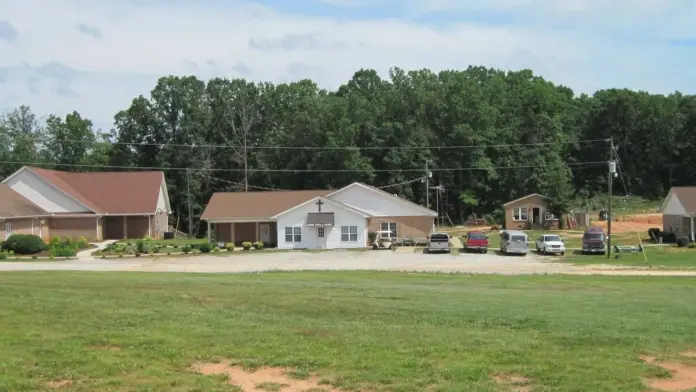
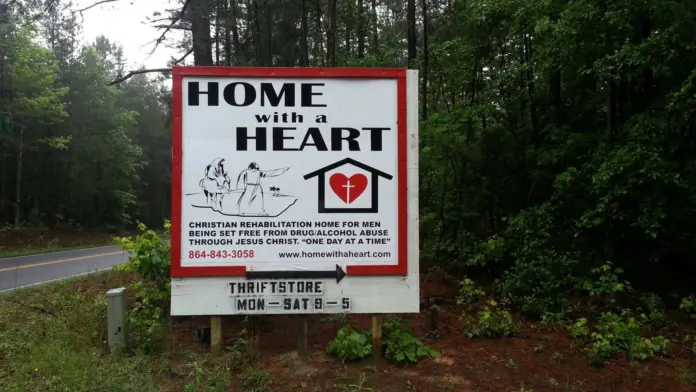
Home with a Heart is an eight-week Christian rehab program for men in the early stage of recovery from substance use disorder. The program is housed on 29 acres of land along James Mattison Road in the small town of Liberty within Picken County, South Carolina. It fosters improved personal relationships with Christ and hopes for a brighter future free from the bondage of drugs/alcohol. It is suitable for men who’ve completed detox or high-intensity inpatient treatment and seek to build independent living skills before rejoining the community. The facility boasts a structured and homely environment where men are supported as they navigate healing.
The facility encompasses 20-bed dormitories for men in recovery, a beautiful chapel and a fully equipped commercial kitchen. There’s also a sanctuary to have services and classes and a home for the program director and their families.
Free Faith-Based Support for Lasting Recovery
Home with a Heart helps men who knock on their doors achieve complete recovery through the teaching of Christ. You’ll graduate as a transformed individual, ready to reconnect with your family and contribute positively to your community. The best thing about this program is that it is free. They’re funded through donations from area churches & organizations and individual contributions. The recovery curriculum integrates the teachings of the Holy Bible with 12-step principles of Alcoholics Anonymous, Narcotics Anonymous and Celebrate Recovery.
You’ll attend daily devotion and weekly bible studies classes while on site to help strengthen your personal relationships with Christ and find purpose in your recovery journey. This Christian-oriented group session also provides an opportunity to interact, connect and develop relationships with peers. Active participation in the 12 step meetings is compulsory to help you build a strong support network. This makes sense since 12-step practices like AA are rooted in spirituality. Celebrate Recovery particularly integrates biblical principles into the recovery process.
Residents also connect to God and seek guidance through him via spiritual counseling. They also fellowship with others and build connections during Sunday worship services. A particularly important component of this program is the work therapy. This helps you build responsibility, self-discipline and job skills that will prepare you to reenter the workforce immediately upon graduation.
Facility Overview
 20
20 Number of Available Beds
 8 - 14
 Avg Length of Stay in Days
Latest Reviews
Really great place, life changing experience and it will help you get a personal relationship with Jesus. I'm really thankful for Alex allowing me to come.
This Christ centered rehab truly changed my life. The staff genuinely cared about me and helped me grow not only in my recovery but also in my faith in Christ. Graduating from this program gave me hope, purpose, and a fresh start. I’m incredibly grateful for everything they poured into me, and I highly recommend this program to anyone looking for real healing and lasting change!!
I can’t explain how great this place is I just graduated this program 6/27/26 not only did it help me with sobriety but also taught me that liveing this thing called life is not about me it’s all about Jesus Christ and walking threw life on his path I could go on for hours but bottom line is this place is awesome if you have or know some one that needs help by all means reach out to the guys please you will thank them I promise

Rehab Score
 Our Methodology
Scoring is assigned by a proprietary system which helps surface key metrics that determine quality. The 10-point scale factors in categories such as operations, customer satisfaction, and trust metrics. Read Full Methodology

6.7 / 10
Gallery
Other Forms of Payment
 Free
FreeSliding scale payments are based on a client's income and family size. The goal is to make treatment affordable to everyone. By taking these factors into account, addiction recovery care providers help ensure that your treatment does not become a financial burden to you or your family, eliminating one barrier to care.
Addiction Treatments
Levels of Care
Residential treatment programs are those that offer housing and meals in addition to substance abuse treatment. Rehab facilities that offer residential treatment allow patients to focus solely on recovery, in an environment totally separate from their lives. Some rehab centers specialize in short-term residential treatment (a few days to a week or two), while others solely provide treatment on a long-term basis (several weeks to months). Some offer both, and tailor treatment to the patient's individual requirements.
Sober Living Houses (SLHs), aka sober homes or halfway houses, are safe, substance-free, supportive living facilities for those recovering from substance abuse. Ideal for those who've just been through inpatient or outpatient treatment, SLHs are supervised environments with rules that support sobriety, such as curfews, shared chores, and therapeutic meetings. Residents are also often trained on life skills and coping skills to make it easier to transition into society. SLHs also provide a strong sense of community that can lead to the kind of deep and lasting connections with other sober individuals that supports a new, healthy lifestyle.
12-step programs are addiction recovery models based on Alcoholics Anonymous (AA). A number of substance abuse programs (including some drug and alcohol rehab centers) use the 12 steps as a basis for treatment. Beginning steps involve admitting powerlessness over the addiction and creating a spiritual basis for recovery. Middle steps including making direct amends to those who've been hurt by the addiction, and the final step is to assist others in addiction recovery in the same way. 12-Step offshoots including Narcotics Anonymous (NA), Cocaine Anonymous (CA), Dual Recovery Anonymous (DRA), Sex and Love Addicts Anonymous (SLAA) and Gamblers Anonymous (GA).
Completing a drug or alcohol rehab program shouldn't spell the end of substance abuse treatment. Aftercare involves making a sustainable plan for recovery, including ongoing support. This can include sober living arrangements like halfway houses, career counseling, and setting a patient up with community programs like Alcoholics Anonymous (AA) or Narcotics Anonymous (NA).
Treatments
The goal of treatment for alcoholism is abstinence. Those with poor social support, poor motivation, or psychiatric disorders tend to relapse within a few years of treatment. For these people, success is measured by longer periods of abstinence, reduced use of alcohol, better health, and improved social functioning. Recovery and Maintenance are usually based on 12 step programs and AA meetings.
Choosing a drug rehab in South Carolina helps you overcome drug dependency, learn how to manage cravings, and obtain the tools needed to prevent relapse. This is accomplished through individualized treatment that addresses a full spectrum of physical, social, and emotional needs.
A combined mental health and substance abuse rehab has the staff and resources available to handle individuals with both mental health and substance abuse issues. It can be challenging to determine where a specific symptom stems from (a mental health issue or an issue related to substance abuse), so mental health and substance abuse professionals are helpful in detangling symptoms and keeping treatment on track.
Opioid rehabs specialize in supporting those recovering from opioid addiction. They treat those suffering from addiction to illegal opioids like heroin, as well as prescription drugs like oxycodone. These centers typically combine both physical as well as mental and emotional support to help stop addiction. Physical support often includes medical detox and subsequent medical support (including medication), and mental support includes in-depth therapy to address the underlying causes of addiction.
Programs
Adult rehab programs include therapies tailored to each client's specific needs, goals, and recovery progress. They are tailored to the specific challenges adult clients may face, including family and work pressures and commitments. From inpatient and residential treatment to various levels of outpatient services, there are many options available. Some facilities also help adults work through co-occurring conditions, like anxiety, that can accompany addiction.
Young adulthood can be an exciting, yet difficult, time of transition. Individuals in their late teens to mid-20s face unique stressors related to school, jobs, families, and social circles, which can lead to a rise in substance use. Rehab centers with dedicated young adult programs will include activities and amenities that cater to this age group, with an emphasis on specialized counseling, peer socialization, and ongoing aftercare.
Clinical Services
Whether a marriage or other committed relationship, an intimate partnership is one of the most important aspects of a person's life. Drug and alcohol addiction affects both members of a couple in deep and meaningful ways, as does rehab and recovery. Couples therapy and other couples-focused treatment programs are significant parts of exploring triggers of addiction, as well as learning how to build healthy patterns to support ongoing sobriety.
Research clearly demonstrates that recovery is far more successful and sustainable when loved ones like family members participate in rehab and substance abuse treatment. Genetic factors may be at play when it comes to drug and alcohol addiction, as well as mental health issues. Family dynamics often play a critical role in addiction triggers, and if properly educated, family members can be a strong source of support when it comes to rehabilitation.
Group therapy is any therapeutic work that happens in a group (not one-on-one). There are a number of different group therapy modalities, including support groups, experiential therapy, psycho-education, and more. Group therapy involves treatment as well as processing interaction between group members.
In individual therapy, a patient meets one-on-one with a trained psychologist or counselor. Therapy is a pivotal part of effective substance abuse treatment, as it often covers root causes of addiction, including challenges faced by the patient in their social, family, and work/school life.
Trauma therapy addresses traumatic incidents from a client's past that are likely affecting their present-day experience. Trauma is often one of the primary triggers and potential causes of addiction, and can stem from child sexual abuse, domestic violence, having a parent with a mental illness, losing one or both parents at a young age, teenage or adult sexual assault, or any number of other factors. The purpose of trauma therapy is to allow a patient to process trauma and move through and past it, with the help of trained and compassionate mental health professionals.
Amenities
-
 Residential Setting
Accreditations

The Substance Abuse and Mental Health Services Administration (SAMHSA) is a branch of the U.S. Department of Health and Human Services. Established in 1992 by congress, SAMHSA's mission is to reduce the impact of substance abuse and mental illness on American's communities.
SAMHSA Listed: Yes
Rehab.com regularly reviews this listing for accuracy but changes may occur between updates. For the most up-to-date information, please contact Home With a Heart.
Contact Information

220 James Mattison Rd
#4900
Liberty, SC 29657
Get Help Now - 864-742-7022
Sponsored Helpline
Sponsored Helpline



