











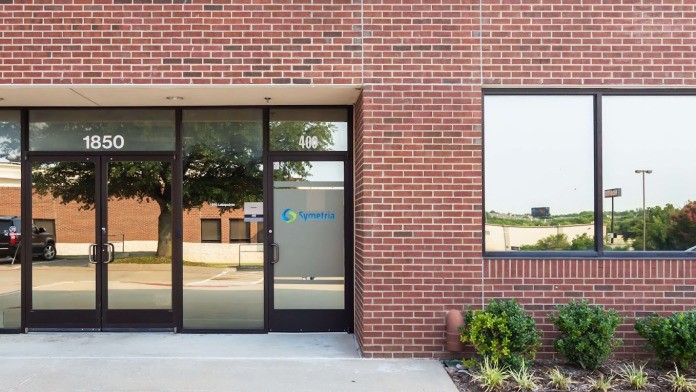
Symetria — Hurst Outpatient Rehab & Suboxone Clinic
1
Top 10 Rehab Centers In Hurst



















































































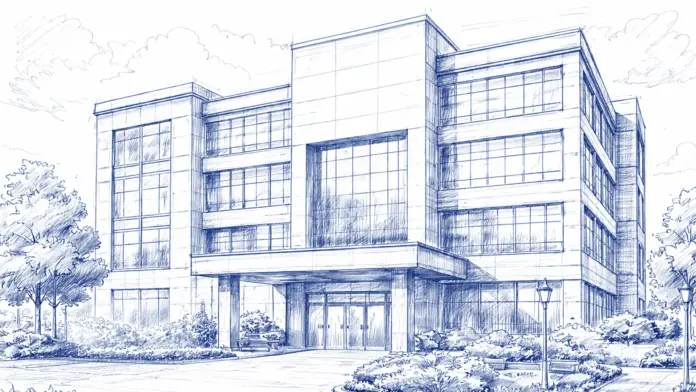
Homeward Bound Trinity Recovery Center provides detox, residential treatment, outpatient treatment, and medication assisted treatment.
The detoxification program at Homeward Bound- Trinity Recovery Center operates on a first come, first served basis. The lobby for walk ins is open from 8 am to 4 pm Monday through Friday. In order to participate in their detox program, proof of residence and a government issued state ID must be in hand.
Residential treatment at Homeward Bound- Trinity Recovery Center is gender specific. This program is suitable for men and women who need a high level of monitoring, structure, and accountability during the beginning stages of treatment. Through trauma informed care and evidence based approaches to addiction treatment, this program helps create a foundation for long term recovery. Individual therapy and group therapy, along with classes, will be required. Connections to outside services can be obtained to provide specialized medical care.
The outpatient program at Homeward Bound- Trinity Recovery Center offers counseling, education, and peer support to those who want to continue treatment upon graduating from more intensive treatment programming. Life skills, recovery skills, and 12 Step meetings will be introduced. The duration of this program depends on individual needs and goals.
Trauma is often a root cause of addiction, changing the brain and biochemistry. Trauma therapy addresses traumatic incidents through scientifically proven and evidence based treatment methods that help target the nervous system’s processing centers, which help to create balance mentally, emotionally, and physically.
Medication assisted treatment provides medications along with comprehensive medical, psychiatric, and behavioral counseling. FDA approved medications are used to support withdrawal from opioid drugs and to help maintain long term abstinence. By combining medication with mental health treatment, a greater chance of success is achieved for long term abstinence.
 130
130 
 Our Methodology


Private insurance refers to any kind of healthcare coverage that isn't from the state or federal government. This includes individual and family plans offered by an employer or purchased from the Insurance Marketplace. Every plan will have different requirements and out of pocket costs so be sure to get the full details before you start treatment.
Self-pay involves paying for treatment out of your own pocket. You can use savings or credit, get a personal loan, or receive help from family and friends to fund your treatment. If you don't have insurance or your insurance plan doesn't cover a specific program, self-pay can help ensure you still get the care you need.
Financial aid can take many forms. Centers may have grants or scholarships available to clients who meet eligibility requirements. Programs that receive SAMHSA grants may have financial aid available for those who need treatment as well. Grants and scholarships can help you pai for treatment without having to repay.
Sliding scale payments are based on a client's income and family size. The goal is to make treatment affordable to everyone. By taking these factors into account, addiction recovery care providers help ensure that your treatment does not become a financial burden to you or your family, eliminating one barrier to care.
Medicare is a federal program that provides health insurance for those 65 and older. It also serves people under 65 with chronic and disabling health challenges. To use Medicare for addiction treatment you need to find a program that accepts Medicare and is in network with your plan. Out of pocket costs and preauthorization requirements vary, so always check with your provider.
Military members, veterans, and eligible dependents have access to specific insurance programs that help them get the care they need. TRICARE and VA insurance can help you access low cost or no cost addiction and mental health treatment. Programs that accept military insurance often have targeted treatment focused on the unique challenges military members, veterans, and their families face.
Medicaid is a state based program that helps lower-income individuals and families pay for healthcare. Medicaid covers addiction treatment so those enrolled can use their coverage to pay for rehab. When a program accepts Medicaid the client often pays very little or nothing out of their own pocket.
After completing some form of inpatient care, many clients transition or step down to an outpatient rehab, while some choose to transition from detox directly into outpatient care. High-intensity outpatient programming, including partial hospitalization (PHP) and intensive outpatient (IOP) is widely available for clients in early recovery, those leaving detox, and those at an elevated relapse risk. Clients in outpatient care generally engage in robust addiction counseling and recovery education, and some also receive medication assisted treatment (MAT).
Inpatient rehab programs are geared toward clients in early recovery. They also provide intensive support for clients in crisis and those at an increased relapse risk. Clients receive housing and meals while in inpatient care, allowing them to focus solely on their recovery. Most programs prioritize addiction counseling but may draw on various psychotherapeutic modalities, including CBT, DBT, RBT, trauma therapy, and motivational interviewing. Life skills training and holistic therapies are also common in inpatient care.
Intensive outpatient programs offer high-level care for clients as an increased risk of relapse, including those in early recovery, those with a strong history of relapse, and those experiencing a crisis. Intensive outpatient treatment typically requires clients to engage in nine to 20 hours of care weekly, with treatment modalities that combine psychotherapy and recovery education, and holistic therapies, such as acupuncture and animal therapy. Medication assisted treatment (MAT) is also common in alcohol and/or opioid recovery.
Rehab aftercare programs are based on a model of continuing care and the premise that recovery is a life-long process requiring ongoing client support. Many rehab aftercare services include outpatient care, but clients often continue to receive support after being discharged from formal treatment. Case managers and care teams typically collaborate with clients to design their long-term care plan, which may include peer coaching, career counseling, and 12 step program induction, among other services.
12 step programs promote participants' sustained sobriety through rigorous and ongoing peer coaching and personal spiritual growth. Participants routinely attend 12 step meetings, which are available multiple times per day, 365 days per year in most communities. This ensures that those in recovery have prompt access to the structure and support they need when they need it. These programs use spiritual precepts to address the root causes of addiction and encourage compassion, self-awareness, forgiveness, accountability, and acceptance.
Commonly known as "day treatment," a partial hospitalization program (PHP) offers intensive addiction treatment while allowing you to return home each day. It can serve as an alternative to inpatient hospitalization or as a step-down option. Depending on your needs, PHP treatment typically averages 90 days with a weekly requirement of 6-8 hours a day. PHP treatment offers a variety of therapeutic interventions such as individual counseling, group therapy, and psychoeducation. Oftentimes PHP treatment can be fully covered by insurance.
24-hour clinical care in Texas provides a safe environment for medical detox. This setting is crucial to provide medical care during withdrawal. Certain withdrawal symptoms can cause life-threatening conditions, but patients in a supervised clinical setting have treatment readily available to address any symptoms before they become severe. Treatment can also be provided for co-occurring physical and mental health issues.
Drug and alcohol addiction often takes a heavy toll on one's body. Over time, a physical dependence can develop, meaning the body physiologically needs the substance to function. Detox is the process of removing drugs and/or alcohol from the body, a process that can be lethal if mismanaged. Medical detox is done by licensed medical professionals who monitor vital signs and keep you safe, healthy, and as comfortable as possible as you go through detox and withdrawal.
The goal of treatment for alcoholism is abstinence. Those with poor social support, poor motivation, or psychiatric disorders tend to relapse within a few years of treatment. For these people, success is measured by longer periods of abstinence, reduced use of alcohol, better health, and improved social functioning. Recovery and Maintenance are usually based on 12 step programs and AA meetings.
During rehab in Texas, you'll deal with underlying issues that contribute to addiction. By addressing these challenges and learning healthy ways to cope with them, you'll develop strategies that help you live a drug-free lifestyle.
Many of those suffering from addiction also suffer from mental or emotional illnesses like schizophrenia, bipolar disorder, depression, or anxiety disorders. Rehab and other substance abuse facilities treating those with a dual diagnosis or co-occurring disorder administer psychiatric treatment to address the person's mental health issue in addition to drug and alcohol rehabilitation.
Opioid rehabs specialize in supporting those recovering from opioid addiction. They treat those suffering from addiction to illegal opioids like heroin, as well as prescription drugs like oxycodone. These centers typically combine both physical as well as mental and emotional support to help stop addiction. Physical support often includes medical detox and subsequent medical support (including medication), and mental support includes in-depth therapy to address the underlying causes of addiction.
Substance rehabs focus on helping individuals recover from substance abuse, including alcohol and drug addiction (both illegal and prescription drugs). They often include the opportunity to engage in both individual as well as group therapy.
Adult rehab programs include therapies tailored to each client's specific needs, goals, and recovery progress. They are tailored to the specific challenges adult clients may face, including family and work pressures and commitments. From inpatient and residential treatment to various levels of outpatient services, there are many options available. Some facilities also help adults work through co-occurring conditions, like anxiety, that can accompany addiction.
Young adulthood can be an exciting, yet difficult, time of transition. Individuals in their late teens to mid-20s face unique stressors related to school, jobs, families, and social circles, which can lead to a rise in substance use. Rehab centers with dedicated young adult programs will include activities and amenities that cater to this age group, with an emphasis on specialized counseling, peer socialization, and ongoing aftercare.
Recovery is most successful when clients feel accepted and validated by their peers and treatment providers. Facilities that offer LGBTQ-inclusive programming are committed to creating a safe space where everyone can grow and recover without fear of judgment or discrimination. They will have dedicated policies in place to create a safe and supportive environment that fosters free expression.
Serving in the military is both mentally and physically challenging, and can result in trauma that persists even after combat ends. Military programs are tailored to the specific and often complex needs of active duty personnel, veterans, and military families. Clients often access these programs through the U.S. Department of Veterans Affairs (VA).
Rehabs for women provide a safe, nurturing space for female clients to heal. These treatment programs consider the specific obstacles that women can face during recovery and place a special emphasis on mental, social, physical, and reproductive health. They explore how each woman's experience has shaped the trajectory of their substance use, addressing issues such as sexual abuse and past trauma.
The goal of cognitive behavioral therapy (CBT) in Texas is to change thought patterns, which leads to changes in behavior. Specific techniques during CBT can include self talk, SMART goals, journaling, and positive activities.
Peer support is an important aspect of group therapy sessions for drug and alcohol addiction. As you and your peers share stories and encourage each other, it fosters a sense of community and belonging that helps you process your feelings and reduces the sense of isolation that is associated with addiction.
Individual therapy offers you a confidential space to address the complexities of your drug or alcohol addiction. Your therapist guides these personalized sessions to help develop self awareness and manage stress. This promotes sustained sobriety and overall well being.
Therapy sessions that incorporate motivational interviewing focus on OARS: open questions, affirmation, reflections, and summarizing. This facilitates an exchange of information and an empowering of the client to decide for themselves what changes might need to be made in their lives.
When used as recommended, nicotine replacement therapy in Texas provides enough nicotine to help you avoid severe cravings and withdrawal symptoms after quitting smoking. This increases comfort so you're less likely to relapse into your smoking habit.
Together with an experienced trauma therapist, you work on healing emotional wounds from traumatic experiences within a trauma therapy environment. Your therapist will help you process the experience of the trauma, which promotes emotional healing and improves your overall mental health.
The purpose of family therapy is to create a supportive and understanding family dynamic within the family unit. Therapists help individual members to identify and change harmful behavior patterns and improve communication. This provides a stable foundation for the family and their loved one's recovery.
 Residential Setting
  Private Rooms
Executive Director

Assistant Director, Director of Outpatient

Clinical Director of Mental Health Services

Clinical Director of Substance Use Disorder Services

The Substance Abuse and Mental Health Services Administration (SAMHSA) is a branch of the U.S. Department of Health and Human Services. Established in 1992 by congress, SAMHSA's mission is to reduce the impact of substance abuse and mental illness on American's communities.
SAMHSA Listed: Yes
Rehab.com regularly reviews this listing for accuracy but changes may occur between updates. For the most up-to-date information, please contact Homeward Bound, Inc..

5300 University Hills Boulevard
Dallas, TX 75241
Sponsored Helpline

Staff was rude when they answered the phone and refused to tell me anything about my brother who I already knew was there.

They suck I tryd to tell them to tell my husband to call me in they don't give him the message it's been 3 weeks they won't tell me anything wants going on


Horrible place to be we got food poising 2x a week holly is a horrible cook
 Back
Back
Sharing your insights and experiences can help others learn more about this rehab center.

 Written By: Terri Beth Miller
PhD Author, Award-Winning Post-Secondary Teacher
Written By: Terri Beth Miller
PhD Author, Award-Winning Post-Secondary Teacher


