Get Help Now
Question iconSponsored Helpline
Phone icon 800-641-8351

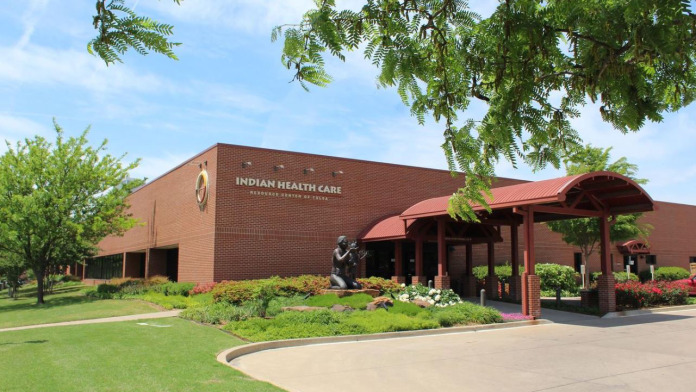
Indian Healthcare Resource Center

550 South Peoria Avenue
Tulsa, OK 74120
Claim Profile
Indian Healthcare Resource Center OK 74120

About Indian Healthcare Resource Center

The Indian Healthcare Resource Center, located in Tulsa, Oklahoma, is a one stop hub where you can receive supportive care for behavioral health struggles, medical care, dental care, and mental health care, among other services. If you’re working through drug or alcohol dependency, you’ll also find supportive care here as well through their behavioral healthcare department.

They provide culturally competent care tailored to members of the Native American community, and you’ll find yourself on a path to health and wellness when you seek services here. Their programming supports adolescents, adults, and families.

While the services they offer are generally free of charge, referrals may be made if you need specialty care. If this is required, these services will be covered through most major insurance providers along with tribal benefits. They also accept Medicaid, Medicare, and VA Tricare.

If you live in Tulsa County, transportation services are available free of charge to help you get to and from the clinic.

Person Focused Care

The behavioral health department is where you’ll receive support related to your mental health or substance abuse struggles. Within this department, you’ll have access to clinical support offered through licensed addiction counselors.

There are also therapists and counselors who will work with you and your family to address specific struggles impacting your life.

There’s a dedicated substance abuse program as well. To begin receiving care through this program, you’ll need to undergo an assessment with one of the Indian Health Care Resource Center providers. From there, you’ll get connected to the appropriate treatment program that will address your recovery needs. Their substance abuse services are offered in an outpatient setting.

Social Support Services

As a community health center, you can also get connected to different social support services within your community. This can include getting referred to and receiving help applying for benefits like the Women, Infants, and Children (WIC) program.

There are also programs in place for pregnant women seeking parenting education classes and programs for postpartum women.

Similar Rehab Centers

Fact checked and written by:
Nadia El-Yaouti, M. Ed.
Edited by:
Courtney Myers, MS

Latest Reviews

Brittany Ballard
2 weeks ago on Google
5
I lost my insurance and had to fall back on my Indian Healthcare. I'd never been to this location before. I was pleasantly surprised at how friendly every staff member was. The ladies at the front desk, the nurses, the lab technicians, everyone I talked to was kind and willing to answer all of my questions.
M. Elwood
4 weeks ago on Google
1
I’m trying to change my pcp to here. Dr. Davis is terrible. Does not listen to patients. Argues with spouses and an absolute terrible beside manner. On top of all of that Davis talked down on another dr he’s never met, completely unprofessional. The nurses and receptionists were great
Areanna Hunter
1 month ago on Google
2
Dr. Hall is amazing, but my experience with the referral process was very frustrating. My son was denied an ophthalmology referral due to “missing paperwork,” even though I was never informed that any paperwork was required despite calling multiple times. The lack of communication between clinics is a major issue. I was referred to the Sapulpa clinic, and when I called, the referral coordinator (Sherry) was dismissive and questioned how I obtained her number, even though it was provided to me directly after my son’s appointment. Patients especially those underage and vulnerable should not be denied care due to internal communication failures. This process needs improvement to ensure families are properly informed and treated with respect.
Rehab.com icon

Rehab Score

Question iconOur Methodology
Scoring is assigned by a proprietary system which helps surface key metrics that determine quality. The 10-point scale factors in categories such as operations, customer satisfaction, and trust metrics. Read Full MethodologyCaret icon
Gauge icon
6.7 / 10

Other Forms of Payment

Medicaid is a state based program that helps lower-income individuals and families pay for healthcare. Medicaid covers addiction treatment so those enrolled can use their coverage to pay for rehab. When a program accepts Medicaid the client often pays very little or nothing out of their own pocket.

Private insurance refers to any kind of healthcare coverage that isn't from the state or federal government. This includes individual and family plans offered by an employer or purchased from the Insurance Marketplace. Every plan will have different requirements and out of pocket costs so be sure to get the full details before you start treatment.

Self-pay involves paying for treatment out of your own pocket. You can use savings or credit, get a personal loan, or receive help from family and friends to fund your treatment. If you don't have insurance or your insurance plan doesn't cover a specific program, self-pay can help ensure you still get the care you need.

Financial aid can take many forms. Centers may have grants or scholarships available to clients who meet eligibility requirements. Programs that receive SAMHSA grants may have financial aid available for those who need treatment as well. Grants and scholarships can help you pai for treatment without having to repay.

Medicare is a federal program that provides health insurance for those 65 and older. It also serves people under 65 with chronic and disabling health challenges. To use Medicare for addiction treatment you need to find a program that accepts Medicare and is in network with your plan. Out of pocket costs and preauthorization requirements vary, so always check with your provider.

free iconFree

Addiction Treatments

Levels of Care

Outpatient Programs (OP) are for those seeking mental rehab or drug rehab, but who also stay at home every night. The main difference between outpatient treatment (OP) and intensive outpatient treatment (IOP) lies in the amount of hours the patient spends at the facility. Most of the time an outpatient program is designed for someone who has completed an inpatient stay and is looking to continue their growth in recovery. Outpatient is not meant to be the starting point, it is commonly referred to as aftercare.

Completing a drug or alcohol rehab program shouldn't spell the end of substance abuse treatment. Aftercare involves making a sustainable plan for recovery, including ongoing support. This can include sober living arrangements like halfway houses, career counseling, and setting a patient up with community programs like Alcoholics Anonymous (AA) or Narcotics Anonymous (NA).

Treatments

The goal of treatment for alcoholism is abstinence. Those with poor social support, poor motivation, or psychiatric disorders tend to relapse within a few years of treatment. For these people, success is measured by longer periods of abstinence, reduced use of alcohol, better health, and improved social functioning. Recovery and Maintenance are usually based on 12 step programs and AA meetings.

To address the issues of addiction, each drug rehab in Oklahoma is tailored to meet the individual's needs. Treatment may occur in a residential or outpatient setting, and may last from a few days to several months.

A combined mental health and substance abuse rehab has the staff and resources available to handle individuals with both mental health and substance abuse issues. It can be challenging to determine where a specific symptom stems from (a mental health issue or an issue related to substance abuse), so mental health and substance abuse professionals are helpful in detangling symptoms and keeping treatment on track.

Opioid rehabs specialize in supporting those recovering from opioid addiction. They treat those suffering from addiction to illegal opioids like heroin, as well as prescription drugs like oxycodone. These centers typically combine both physical as well as mental and emotional support to help stop addiction. Physical support often includes medical detox and subsequent medical support (including medication), and mental support includes in-depth therapy to address the underlying causes of addiction.

Programs

Adult rehab programs include therapies tailored to each client's specific needs, goals, and recovery progress. They are tailored to the specific challenges adult clients may face, including family and work pressures and commitments. From inpatient and residential treatment to various levels of outpatient services, there are many options available. Some facilities also help adults work through co-occurring conditions, like anxiety, that can accompany addiction.

Young adulthood can be an exciting, yet difficult, time of transition. Individuals in their late teens to mid-20s face unique stressors related to school, jobs, families, and social circles, which can lead to a rise in substance use. Rehab centers with dedicated young adult programs will include activities and amenities that cater to this age group, with an emphasis on specialized counseling, peer socialization, and ongoing aftercare.

Clinical Services

Whether a marriage or other committed relationship, an intimate partnership is one of the most important aspects of a person's life. Drug and alcohol addiction affects both members of a couple in deep and meaningful ways, as does rehab and recovery. Couples therapy and other couples-focused treatment programs are significant parts of exploring triggers of addiction, as well as learning how to build healthy patterns to support ongoing sobriety.

Research clearly demonstrates that recovery is far more successful and sustainable when loved ones like family members participate in rehab and substance abuse treatment. Genetic factors may be at play when it comes to drug and alcohol addiction, as well as mental health issues. Family dynamics often play a critical role in addiction triggers, and if properly educated, family members can be a strong source of support when it comes to rehabilitation.

Fitness therapy blends exercise with psychotherapy for a fun, inspiring, and effective way of treating addiction and other issues. By incorporating movement into counseling sessions, clients become more empowered, motivated, and goal-oriented, all while strengthening their bodies and becoming more flexible. Fitness Therapy is usually used to complement a course of treatment (inpatient or outpatient) to make it even more successful. Increasing the connection between a patient’s mind and body helps both with healing as well as in creating new, healthy habits.

Group therapy is any therapeutic work that happens in a group (not one-on-one). There are a number of different group therapy modalities, including support groups, experiential therapy, psycho-education, and more. Group therapy involves treatment as well as processing interaction between group members.

In individual therapy, a patient meets one-on-one with a trained psychologist or counselor. Therapy is a pivotal part of effective substance abuse treatment, as it often covers root causes of addiction, including challenges faced by the patient in their social, family, and work/school life.

Nutrition therapy, aka medical nutrition therapy (MNT), is a way of treating physical, emotional, and medical conditions through diet. Specific dietary plans are designed by professional nutritionists or registered dietitians, and patients follow them in order to positively affect their physical and mental health.

Amenities

  • private iconPrivate Setting
  • spa2 iconYoga Studio
  • car iconPrivate Transportation

Staff & Accreditations

Staff

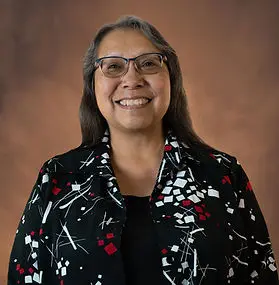
Carmelita Wamego Skeeter

CEO

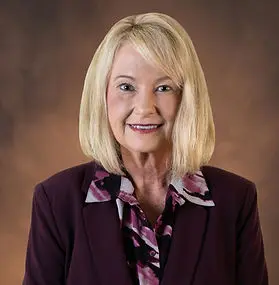
Deanna Holman

CFO

Tanya Cain, RN

COO

Stacie Nutt, B.S., SHRM SCP

Chief Human Resource Officer

Jason Menting, PsyD

Chief Behavioral Health Officer

Accreditations

The Substance Abuse and Mental Health Services Administration (SAMHSA) is a branch of the U.S. Department of Health and Human Services. Established in 1992 by congress, SAMHSA's mission is to reduce the impact of substance abuse and mental illness on American's communities.

SAMHSA Listed: Yes

Contact Information

Building icon

550 South Peoria Avenue
Tulsa, OK 74120

Explore Other Centers Near Tulsa

Reviews of Indian Healthcare Resource Center

3.02/5 (207 reviews)
0
Staff
0
Amenities
0
Meals
0
Value
0
Cleanliness
5
85
4
17
3
12
2
16
1
82

Reviews

1

This is the most pathetic place I have ever seen! There are doctors twice per week; if they only have doctors two days that means that is very difficult to get an appointment to be seen. The receptionist was very rude, she treated me in a very disrespectful way being rude a ... Read More

Reviewed on 3/4/2019
Overall Experience
Date Submitted
Reviewer

Google Reviews

3.03 (206 reviews)
Becky Miller
3 days ago
1

I had been to emergence room

Response from the owner
Becky, we appreciate you taking the time to talk about your experience. For patient confidentiality reasons, we invite you to share your situation directly with Clinic Administration through a Patient Communication Form, at www.ihcrc.org/feedback.
Brittany Ballard
2 weeks ago
5

I lost my insurance and had to fall back on my Indian Healthcare. I'd never been to this location before. I was pleasantly surprised at how friendly every staff member was. The ladies at the front desk, the nurses, the lab technicians, everyone I talked to was kind and willing to answer all of my questions.

M. Elwood
4 weeks ago
1

I’m trying to change my pcp to here. Dr. Davis is terrible. Does not listen to patients. Argues with spouses and an absolute terrible beside manner. On top of all of that Davis talked down on another dr he’s never met, completely unprofessional. The nurses and receptionists were great

Brandy Lester
1 month ago
5

Overall Experience
Date Submitted
No reviews matching the selected filter!
Get Help Now
Question iconSponsored Helpline

Phone icon 800-641-8351

Left arrow iconBack

Write a review for Indian Healthcare Resource Center

Sharing your insights and experiences can help others learn more about this rehab center.

Title of Your Review
This is a required field
Your Review

Reviews comments must comply with our Review Policy Content Standards. Please do not use names (job titles / positions are acceptable) of any individual or identifying features, abusive remarks, or allegations of negligence or criminal activity.

A minimum of 200 characters and max of 2,000 characters required.
This is a required field
How would you rate the facility on the following?*
Overall Experience
Must select a star rating
Accomodations & Amenities
Must select a star rating
Meals & Nutrition
N/A
Must select a star rating
Treatment Effectiveness
Must select a star rating
Admissions Process
Must select a star rating
Staff & Friendliness
Must select a star rating
Cleanliness
Must select a star rating
Value for Cost
Must select a star rating
What is your connection to this facility?
This is a required field
Your Name*
This is a required field
Your Email*
This is a required field
Spinner icon Submitting your review...
Thumbs up icon Your review was successfully submitted.

Nearby Featured Providers

Get Help Today Phone icon 800-847-1418
Question iconSponsored Helpline