






























































































ILC gave me an opportunity to change my life for the better...can't say enough about the program and the people.
About Integrative Life Center
You can get help for alcohol, drug and prescription opioid addictions. Co-occurring mental health issues are often at the root of substance use. You’ll get treatment for any co-occurring disorders and other issues such as intimacy disorders.
Your treatment plan is individualized based on your unique needs. Your plan may include detoxification first. If you’re in the women’s treatment program, you can expect 35 hours of group therapy per week including the weekends. You’ll have two individual therapy sessions per week. These will be with a master’s level clinician.
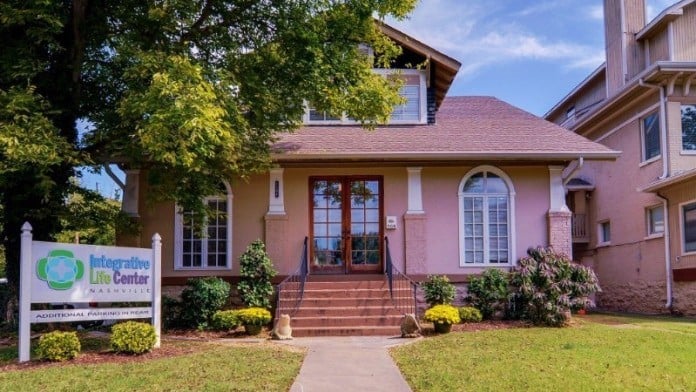
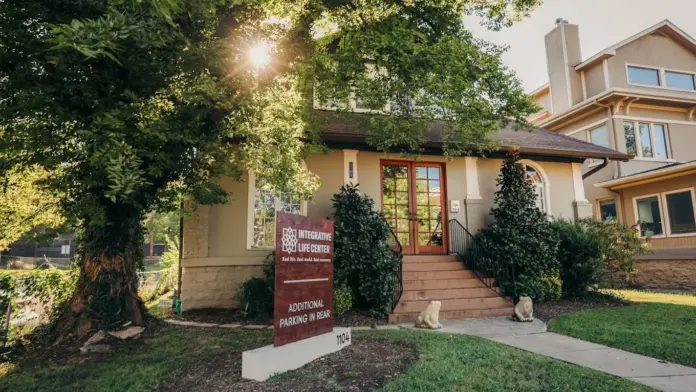
You’ll have nutritional support through catered and house-prepared meals. There’s an all-women campus on a hilltop property in Nashville with round-the-clock staff, nursing supervision and medication management. There’s also spiritual guidance available.
The men’s program has all the same features as the women’s program but you’ll be on a men’s campus on a 25-acre property in West Nashville. The men’s program uses trauma-focused modalities, adventure therapy, and somatic therapies.
There are other therapies as well. The men’s and women’s programs use brain spotting, trauma-informed yoga, mindfulness, groups, breathwork, music therapy, art therapy and many other treatment modalities.
The center has a PHP for substance use and mental health that can be a good program after you’ve finished the residential program. You can also start your recovery journey with the PHP. There’s also an IOP if you need a less intensive level of care.
The PHP includes a customized treatment plan. You’ll be expected to go to five outside meetings per week. The meetings can include 12-step meetings, Dharma Recovery, SMART and others. The PHP includes 25 hours of group therapy weekly and one individual session weekly. The PHP has gender-specific supportive housing close to the clinic on Music Row but you can also live at home during the program.
Facility Overview
 15
15 Number of Available Beds
Latest Reviews
I began the PHP 4 week program (intimacy disorder) this summer. I was a little nervous at the beginning because I'd be living with 7-8 other guys in recovery and if there would be any systems and organization in place. Needless to say, this program helped me out so much. It was the safest, most comfortable, most encouraging world I had the privilege to be a part of for 4 weeks. In the PHP house, EVERYTHING is labeled. Everyone has their own space to store items and food. The lunch food is incredible, even for vegetarians (I'm not one but saw other guys who were content). The RA's are professional, accommodating, and very knowledgeable about recovery and what support looks like, even during the weekends.
The morning and afternoon therapy sessions are intentional and grounding. There's also so many early morning and evening recovery meetings (AA, SAA, SLAA. ACA, Dharma) 5-15 minutes nearby the ILC location, making recovery even more accessible outside of the normal schedule. I can't thank you all enough for providing me the help I needed to continue recover and repair my marriage. THANK YOU ILC! Huge shout out to Gregory, JD, Emily, Luke, Chase, Caroline, Rachel, Anna, Kit, Steven, Jordan, Ron, Ryan, Tyeler, and Sara!
I completed a 28 day residential program and my time with ILC was deeply healing. Their approach to trauma recovery integrates mind body and spirit. The professionals were capable and caring and the fellowship with other men in the program was truly special. We stay in touch even after completing the program and moving on our separate ways. Highly recommended for treating trauma and or addiction.
I truly cannot say enough good things about Integrative Life Center. Walking through the doors was one of the best decisions I’ve ever made, and leaving, I can honestly say my life has changed for the better.
From day one, every single staff member made me feel seen, supported, and genuinely cared for. The therapists are incredibly knowledgeable, compassionate, and dedicated to helping each person heal. They don’t just treat you like another patient—they take the time to understand your story, meet you where you are, and help you build the tools you need to move forward.
The environment is warm, welcoming, and safe, making it possible to be vulnerable and do the hard work that real healing requires. Every group session, individual therapy session, and interaction with the staff contributed to my growth in some way. I learned healthier coping skills, gained a better understanding of myself, and left with so much more hope and confidence than I had when I arrived.
What really sets Integrative Life Center apart is the people. Every therapist, tech, nurse, and staff member truly cares about the clients and goes above and beyond to make sure everyone feels supported. Their kindness, patience, encouragement, and genuine compassion made an enormous difference in my recovery.
This experience has been genuinely life-changing. I came in feeling lost, overwhelmed, and unsure of what my future would look like. I’m leaving with a renewed sense of purpose, healthier ways to navigate life’s challenges, and a support system that I’ll always be grateful for.
Thank you to everyone at Integrative Life Center for believing in me, encouraging me, and helping me become a stronger, healthier version of myself. I will always be grateful for everything you did for me. If you’re considering treatment here, I cannot recommend it enough. It truly has the potential to change your life.
Response from the owner3 days ago
Thank you so much for your heartfelt words, Ivy! We’re deeply honored to have been part of your healing journey and are grateful you trusted us with your care. Your kind recognition of our team means the world, and we’re so encouraged to hear that you’re leaving with hope, confidence, and the tools to move forward. We’re wishing you continued healing and all the best in this next chapter! 
Rehab Score
 Our Methodology
Scoring is assigned by a proprietary system which helps surface key metrics that determine quality. The 10-point scale factors in categories such as operations, customer satisfaction, and trust metrics. Read Full Methodology

7.1 / 10
Gallery


Other Forms of Payment
Private insurance refers to any kind of healthcare coverage that isn't from the state or federal government. This includes individual and family plans offered by an employer or purchased from the Insurance Marketplace. Every plan will have different requirements and out of pocket costs so be sure to get the full details before you start treatment.
Self-pay involves paying for treatment out of your own pocket. You can use savings or credit, get a personal loan, or receive help from family and friends to fund your treatment. If you don't have insurance or your insurance plan doesn't cover a specific program, self-pay can help ensure you still get the care you need.
Addiction Treatments
Levels of Care
Outpatient Programs (OP) are for those seeking mental rehab or drug rehab, but who also stay at home every night. The main difference between outpatient treatment (OP) and intensive outpatient treatment (IOP) lies in the amount of hours the patient spends at the facility. Most of the time an outpatient program is designed for someone who has completed an inpatient stay and is looking to continue their growth in recovery. Outpatient is not meant to be the starting point, it is commonly referred to as aftercare.
Residential treatment programs are those that offer housing and meals in addition to substance abuse treatment. Rehab facilities that offer residential treatment allow patients to focus solely on recovery, in an environment totally separate from their lives. Some rehab centers specialize in short-term residential treatment (a few days to a week or two), while others solely provide treatment on a long-term basis (several weeks to months). Some offer both, and tailor treatment to the patient's individual requirements.
Clients in intensive outpatient programs (IOP) receive robust, personalized care to support their reintegration into their community. Clients stepping down from inpatient treatment frequently enroll in IOP before entering standard outpatient care or community-based recovery programs, such as AA. Intensive outpatient treatment generally involves between nine and 20 therapeutic hours weekly, with the frequency and duration of sessions decreasing as clients stabilize. IOP services commonly include counseling, recovery education, holistic therapies, and medication assisted treatment (MAT).
Clients receiving support in a rehab aftercare program typically have abstained from drugs or alcohol for a period of weeks or months and have completed high-level (often inpatient) treatment. Drug rehab aftercare is designed to support clients in maintaining their sobriety as they re-engage with their ordinary lives at home, in the workplace, and in the community. Services are highly individualized and evolve with clients' changing needs, but generally include peer coaching and relapse prevention.
The goal of a drug intervention in Tennessee is to encourage a person with a substance use disorder to enter treatment. The process also educates family members about addiction, enabling behaviors, and treatment options. The involvement of intervention services can help with this education and provide guidance for the intervention itself and follow-up care. The professional interventionist will work with the entire family to encourage the best outcomes possible from the intervention.
Treatments
Many of those suffering from addiction also suffer from mental or emotional illnesses like schizophrenia, bipolar disorder, depression, or anxiety disorders. Rehab and other substance abuse facilities treating those with a dual diagnosis or co-occurring disorder administer psychiatric treatment to address the person's mental health issue in addition to drug and alcohol rehabilitation.
Mental health rehabs focus on helping individuals recover from mental illnesses like bipolar disorder, clinical depression, anxiety disorders, schizophrenia, and more. Mental health professionals at these facilities are trained to understand and treat mental health issues, both in individual and group settings.
Programs
Adult rehab programs include therapies tailored to each client's specific needs, goals, and recovery progress. They are tailored to the specific challenges adult clients may face, including family and work pressures and commitments. From inpatient and residential treatment to various levels of outpatient services, there are many options available. Some facilities also help adults work through co-occurring conditions, like anxiety, that can accompany addiction.
Young adulthood can be an exciting, yet difficult, time of transition. Individuals in their late teens to mid-20s face unique stressors related to school, jobs, families, and social circles, which can lead to a rise in substance use. Rehab centers with dedicated young adult programs will include activities and amenities that cater to this age group, with an emphasis on specialized counseling, peer socialization, and ongoing aftercare.
Clinical Services
Cognitive Behavioral Therapy (CBT) is a therapy modality that focuses on the relationship between one's thoughts, feelings, and behaviors. It is used to establish and allow for healthy responses to thoughts and feelings (instead of unhealthy responses, like using drugs or alcohol). CBT has been proven effective for recovering addicts of all kinds, and is used to strengthen a patient's own self-awareness and ability to self-regulate. CBT allows individuals to monitor their own emotional state, become more adept at communicating with others, and manage stress without needing to engage in substance abuse.
Dialectical Behavior Therapy (DBT) is a modified form of Cognitive Behavioral Therapy (CBT), a treatment designed to help people understand and ultimately affect the relationship between their thoughts, feelings, and behaviors. DBT is often used for individuals who struggle with self-harm behaviors, such as self-mutilation (cutting) and suicidal thoughts, urges, or attempts. It has been proven clinically effective for those who struggle with out-of-control emotions and mental health illnesses like Borderline Personality Disorder.
 Equine Therapy
Group therapy is any therapeutic work that happens in a group (not one-on-one). There are a number of different group therapy modalities, including support groups, experiential therapy, psycho-education, and more. Group therapy involves treatment as well as processing interaction between group members.
In individual therapy, a patient meets one-on-one with a trained psychologist or counselor. Therapy is a pivotal part of effective substance abuse treatment, as it often covers root causes of addiction, including challenges faced by the patient in their social, family, and work/school life.
If you participate in motivational interviewing in Tennessee, your therapist will focus on four key strategies: open questions, affirmation, reflections, and summarizing. Rather than confront or warn you to change, the clinician will allow you to explore your own motivations and decide what changes you may need to make in your life.
Trauma therapy addresses traumatic incidents from a client's past that are likely affecting their present-day experience. Trauma is often one of the primary triggers and potential causes of addiction, and can stem from child sexual abuse, domestic violence, having a parent with a mental illness, losing one or both parents at a young age, teenage or adult sexual assault, or any number of other factors. The purpose of trauma therapy is to allow a patient to process trauma and move through and past it, with the help of trained and compassionate mental health professionals.
Whether a marriage or other committed relationship, an intimate partnership is one of the most important aspects of a person's life. Drug and alcohol addiction affects both members of a couple in deep and meaningful ways, as does rehab and recovery. Couples therapy and other couples-focused treatment programs are significant parts of exploring triggers of addiction, as well as learning how to build healthy patterns to support ongoing sobriety.
Research clearly demonstrates that recovery is far more successful and sustainable when loved ones like family members participate in rehab and substance abuse treatment. Genetic factors may be at play when it comes to drug and alcohol addiction, as well as mental health issues. Family dynamics often play a critical role in addiction triggers, and if properly educated, family members can be a strong source of support when it comes to rehabilitation.
Life skills training teaches you how to cope with challenging situations in non destructive ways. This crucial piece of drug rehab in Tennessee gives you tools for decision making, relationship building, and self care.
Many individuals who are experiencing addiction are extremely malnourished. This is due to negative patterns that develop during active addiction. Nutrition therapy helps break these negative patterns and teaches you to develop healthy ones that will help you sustain sobriety long term.
Recreational therapy supports addiction recovery by giving you structured activities that promote physical and mental health. These help build a supportive network of your peers that promotes sobriety. Activities can include sports, creative arts, and outdoor adventures that help you reduce cravings, manage stress, and give you an emotional outlet.
Creative arts therapy can be integrated with other therapeutic methods during drug rehab in Tennessee. This treatment can provide unique experiences that allow you to better understand your feelings and experiences. Methods include music, art, dance, and writing therapy.
A wide range of therapeutic methods fall under the category of experiential therapy. Examples include drama therapy, animal assisted therapy, wilderness therapy, music therapy, and martial arts. Each of these offers an experience that allows the individual to express themselves and work through their emotions and experiences.
Staff
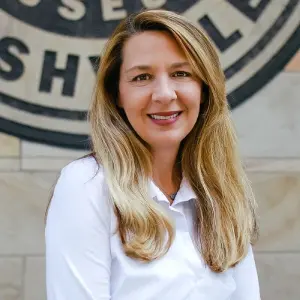
Kathy Reynolds, LCSW
Executive Director
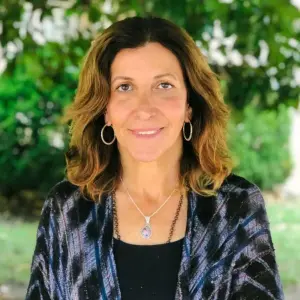
Carmen Dominguez, LMHC
Chief Clinical Advisor
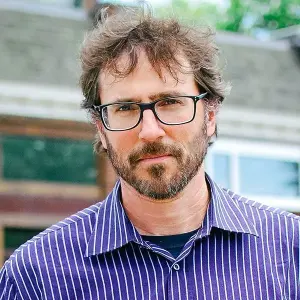
Daniel Barton, MD
Medical Director/Psychiatrist
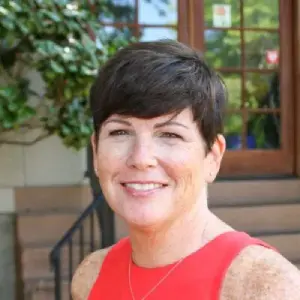
Nita Chester, RN
Director of Nursing

Greg Kfoury
Chief Admissions Officer

Mackenzie Reeser, MPH, RDN, LDN
Director of Nutrition Services

Cheryl Brown
Case Management Supervisor

Travis Steck
Director of Operations
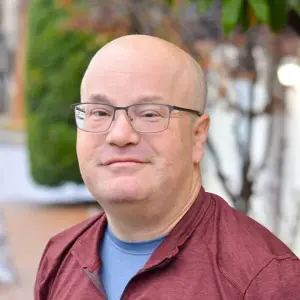
Brock Woodard, LPC-MHSP
Clinical Manager
Rehab.com regularly reviews this listing for accuracy but changes may occur between updates. For the most up-to-date information, please contact Integrative Life Center.
Contact Information

1104 16th Avenue South
Nashville, TN 37212
Get Help Now - 615-437-0407
Sponsored Helpline
Sponsored Helpline



