





























































































I am a huge success story, for the past 12 plus years, due to family/friends, faith & Inter Care. Of these three reasons you can put them in any order that one wants but the reality of my success is they are all equal. I have been a continuous, constant and weekly clie ...
About Inter-Care
The facility boasts a safe and caring outpatient setting where you can receive confidential treatment that respects your dignity. Their recovery approach integrates 12 step philosophy with evidence based models. These include motivational interviewing (MI), cognitive behavioral therapy and dialectical behavioral therapy.
These models provide motivation and support and equip you with tools to face life’s daily challenges including stress and anger. Their interdisciplinary clinical team includes trained experts in these innovative treatment approaches. They even offer medication assisted treatment (MAT) which is the gold standard in evidence based therapy.
Their intensive outpatient care is a six to 10 week rehabilitation program involving group counseling, psychoeducation and periodic individual counseling. Random drug testing is equally an important component of this program. The focus is on lasting recovery and relapse prevention. You’ll attend three group therapy sessions and about three weekly skill building workshops over four days.
You’ll learn a structured curriculum of coping tools derived from dialectical behavioral therapy (DBT) and cognitive behavioral therapy (CBT) as well as Smart Recovery while gaining insight, feedback and support from peers in recovery.
You can also attend an optional 12 step meeting. You’ll like this program if you need considerable support to build your recovery foundation.
The program may also incorporate MAT in coordination with their medical department. This technique uses counseling alongside meds approved by FDA to support alcoholism or opioid addiction recovery. Their MAT program uses naltrexone, Vivitrol and Antabuse to reduce cravings and prevent relapse. Folks with co occurring conditions will receive psychiatric care including mental health evaluation and medication management. This is in addition to addiction therapy.
Their medical department even offers disability related evaluation, gap prescription refills and care coordination with outside psychiatrists. You can continue your recovery journey via Phase 2 of their specialty program upon completing the intensive outpatient treatment.
The Phase 2 specialty group involves twice weekly group therapy for folks who have accumulated two to four months of sobriety. It can enhance the relapse prevention and personal growth strategies you learned from intensive outpatient or early recovery programs.
Other specialty program groups include Phase 3 dual diagnosis and DBT workshop groups. The early recovery program serves folks seeking a more flexible and less intensive treatment approach than intensive outpatient care. It involves two therapy groups weekly, periodic individual sessions and weekly drug testing.
You’ll gain insight into the nature and severity of substance misuse, learn relapse prevention skills and give/receive feedback and support. You may supplement group therapy with a weekly workshop like DBT to enhance your knowledge of specific coping skills. This program lasts twelve weeks after which you advance to other specialty programs that fit your needs.
Their early intervention service is an educational program that serves DWI referrals, employees in safety sensitive positions and folks resistant to treatment. It uses motivational techniques and standard drug and alcohol assessments to raise awareness about the personal impact of substance use in therapeutic workshops.
Latest Reviews
I was very frightened and out of place when I first began my sober journey with Inter Care. But my counselor Krissie helps me to understand how and why my choices fuel my addiction to alcohol. Im happy to say I am heading into year 2 of my sobriety and continue to look forward each week to my time with Inter Care. Thank you!!!!
InterCare saved my life. The entire team, from intake, to their counselors, everyone takes the time to help every individual. I have learned the most valuable lessons that have helped me not only with sobriety but to take new steps in other parts of my life. Krissie, Martine, Joe, everyone at InterCare are stars in my book. I wouldn't be here today without their care and the tools they have provided me.
My Name is Joe B. I AM an alcoholic. Intercare was my introduction into recovery. They have been an incredible part of my continuing journey. Although I was not in a right frame of mind when I came in,Intercare helped me and my family tremendously. Especially Krissie B. She’s dedicated and cares about the client. Not once has she wavered in her support for me and my family. It’s been about 4 years since I decided to surrender to this “disease”, and I’m still going strong. Thank you Intercare. And THANK YOU KRISSIE!!!
Joe B

Rehab Score
 Our Methodology
Scoring is assigned by a proprietary system which helps surface key metrics that determine quality. The 10-point scale factors in categories such as operations, customer satisfaction, and trust metrics. Read Full Methodology

6.9 / 10
Gallery
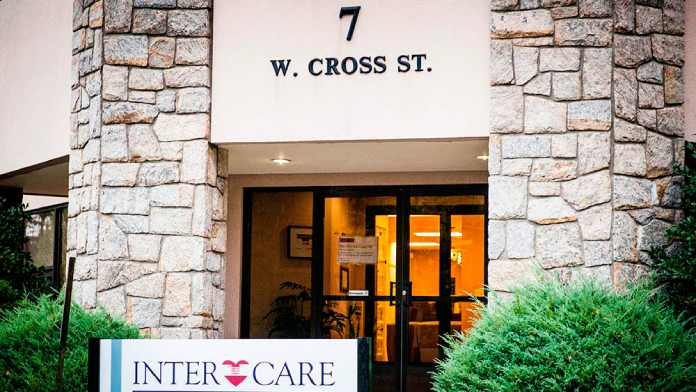
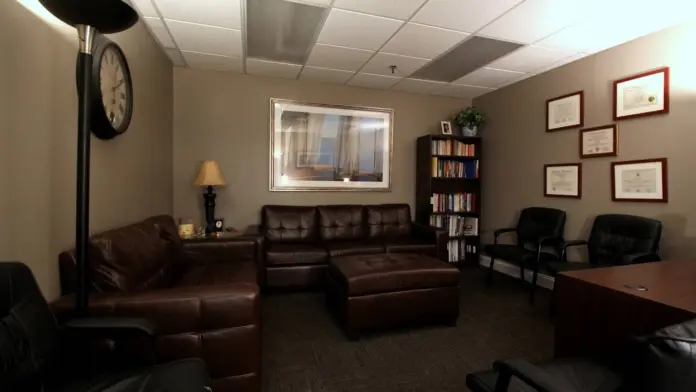
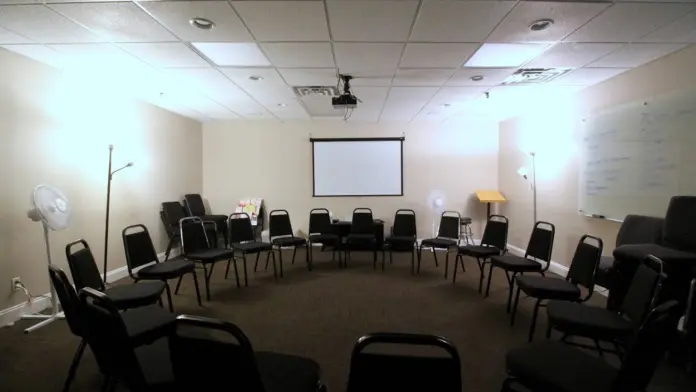
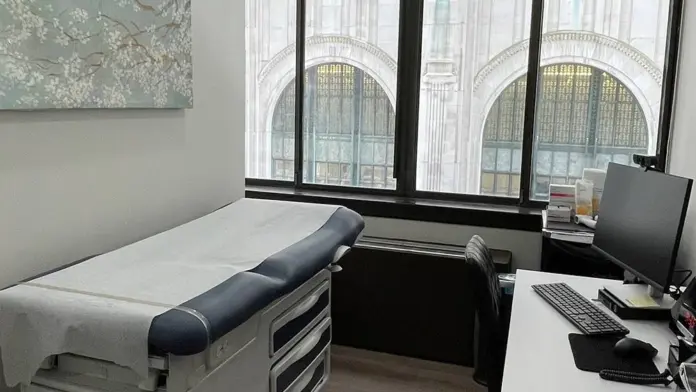
Accepted Insurance

EmblemHealth
ConnectiCare
HIP
Oxford Health Plans
Other Forms of Payment
Medicaid is a state based program that helps lower-income individuals and families pay for healthcare. Medicaid covers addiction treatment so those enrolled can use their coverage to pay for rehab. When a program accepts Medicaid the client often pays very little or nothing out of their own pocket.
Private insurance refers to any kind of healthcare coverage that isn't from the state or federal government. This includes individual and family plans offered by an employer or purchased from the Insurance Marketplace. Every plan will have different requirements and out of pocket costs so be sure to get the full details before you start treatment.
Self-pay involves paying for treatment out of your own pocket. You can use savings or credit, get a personal loan, or receive help from family and friends to fund your treatment. If you don't have insurance or your insurance plan doesn't cover a specific program, self-pay can help ensure you still get the care you need.
Addiction Treatments
Levels of Care
Outpatient Programs (OP) are for those seeking mental rehab or drug rehab, but who also stay at home every night. The main difference between outpatient treatment (OP) and intensive outpatient treatment (IOP) lies in the amount of hours the patient spends at the facility. Most of the time an outpatient program is designed for someone who has completed an inpatient stay and is looking to continue their growth in recovery. Outpatient is not meant to be the starting point, it is commonly referred to as aftercare.
Intensive Outpatient Programs (IOP) are for those who want or need a very structured treatment program but who also wish to live at home and continue with certain responsibilities (such as work or school). IOP substance abuse treatment programs vary in duration and intensity, and certain outpatient rehab centers will offer individualized treatment programs.
Clients in rehab aftercare programs receive a customized portfolio of services designed to promote their sustained sobriety. These clients have completed high-level treatment, are typically exiting detox and/or intensive inpatient care and are reintegrating into their home, workplace, and community. Rehab aftercare services address addiction disease as a chronic condition requiring continuing care. Clients typically work with case managers and recovery teams to access necessary resources, such as peer coaching and 12 step program induction support.
Drug and alcohol addiction often takes a heavy toll on one's body. Over time, a physical dependence can develop, meaning the body physiologically needs the substance to function. Detox is the process of removing drugs and/or alcohol from the body, a process that can be lethal if mismanaged. Medical detox is done by licensed medical professionals who monitor vital signs and keep you safe, healthy, and as comfortable as possible as you go through detox and withdrawal.
Treatments
The goal of treatment for alcoholism is abstinence. Those with poor social support, poor motivation, or psychiatric disorders tend to relapse within a few years of treatment. For these people, success is measured by longer periods of abstinence, reduced use of alcohol, better health, and improved social functioning. Recovery and Maintenance are usually based on 12 step programs and AA meetings.
When you choose drug rehab in New York, you'll participate in a variety of treatments that are designed to help you live a drug-free lifestyle. Common methods of treatment include group, individual, and family counseling, medication management, nutrition, exercise, and management of co-occurring mental health disorders.
Many of those suffering from addiction also suffer from mental or emotional illnesses like schizophrenia, bipolar disorder, depression, or anxiety disorders. Rehab and other substance abuse facilities treating those with a dual diagnosis or co-occurring disorder administer psychiatric treatment to address the person's mental health issue in addition to drug and alcohol rehabilitation.
Opioid rehabs specialize in supporting those recovering from opioid addiction. They treat those suffering from addiction to illegal opioids like heroin, as well as prescription drugs like oxycodone. These centers typically combine both physical as well as mental and emotional support to help stop addiction. Physical support often includes medical detox and subsequent medical support (including medication), and mental support includes in-depth therapy to address the underlying causes of addiction.
Substance rehabs focus on helping individuals recover from substance abuse, including alcohol and drug addiction (both illegal and prescription drugs). They often include the opportunity to engage in both individual as well as group therapy.
Programs
Adult rehab programs include therapies tailored to each client's specific needs, goals, and recovery progress. They are tailored to the specific challenges adult clients may face, including family and work pressures and commitments. From inpatient and residential treatment to various levels of outpatient services, there are many options available. Some facilities also help adults work through co-occurring conditions, like anxiety, that can accompany addiction.
Young adulthood can be an exciting, yet difficult, time of transition. Individuals in their late teens to mid-20s face unique stressors related to school, jobs, families, and social circles, which can lead to a rise in substance use. Rehab centers with dedicated young adult programs will include activities and amenities that cater to this age group, with an emphasis on specialized counseling, peer socialization, and ongoing aftercare.
Recovery is most successful when clients feel accepted and validated by their peers and treatment providers. Facilities that offer LGBTQ-inclusive programming are committed to creating a safe space where everyone can grow and recover without fear of judgment or discrimination. They will have dedicated policies in place to create a safe and supportive environment that fosters free expression.
Clinical Services
Group therapy is any therapeutic work that happens in a group (not one-on-one). There are a number of different group therapy modalities, including support groups, experiential therapy, psycho-education, and more. Group therapy involves treatment as well as processing interaction between group members.
Men and women in New York undergoing one on one individual therapy for drug and alcohol addiction treatment will address the unique psychological and emotional aspects that are often associated with addiction triggers. Your therapist helps you build a relapse prevention plan and set achievable goals to improve your mental health and achieve long term sobriety.
Introduced in 1983, motivational interviewing is a method to help clients commit to change. It's based on the philosophy that change is hard, and clients must explore their own options and come to their own conclusions rather than receive warnings or advice from the therapist.
Trauma therapy involves working through the psychological and emotional impact of a traumatic event. You learn to identify the triggers and develop coping mechanisms that build a sense of safety and trust in yourself.
Amenities
-
 Residential Setting
 -
 Private Rooms
Rehab.com regularly reviews this listing for accuracy but changes may occur between updates. For the most up-to-date information, please contact Inter-Care.
Contact Information

51 East 25th Street
Lower Level
New York, NY 10010
Get Help Now - 646-439-0877
Sponsored Helpline
Sponsored Helpline


