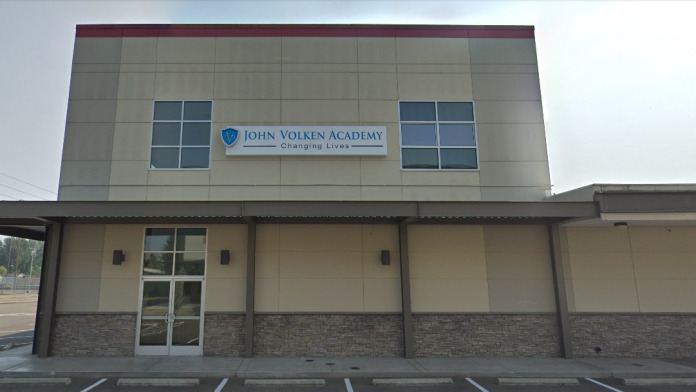
John Volken Academy in Kent, Washington, helps men overcome addiction. The Kent campus provides a real-world approach that empowers residents to take charge of their future. Their program is designed to give each individual the tools they need to live independently, find meaningful employment, and build connections with others.
Sobriety as Well as Life Skills and Growth
The program offers job readiness training, lessons in managing finances, and access to educational paths that help participants get back on their feet. Breaking free from addiction is just the beginning but the real challenge is to create a lasting change. The men here aren’t just going through the motions—they’re learning useful skills and setting habits that will serve them for years to come. Group therapies and life skills workshops also play a key role here.
Healthy Recreation and Amenities During Your Recovery
With a fitness center, a woodshop for hands-on learning, and a peaceful meditation garden, this facility provides a balanced recovery. Everything is set up for participants to get comfortable with life again—whether that’s through physical activity, learning a new craft, or simply finding moments of peace. The environment is about more than just recovery; it’s about discovering the person you can be without addiction and realizing your potential.
Recovery in a Peaceful Environment
Nestled in the heart of the Pacific Northwest, John Volken Academy offers breathtaking views of Mount Rainier and the Pacific Ocean. It’s the ideal location to rediscover who you are meant to be. Medical detox is not offered at the John Volken Academy. Individuals considering the program who feel they may require detox will be encouraged to get their appropriate medical care prior to enrollment.
Need to move ? I highly recommend this company. The process from start to finish was easy. Each of the staff was kind, courteous and respectful. The moving day team (Clark, Scott, Blaine and Spencer) were awesome! They worked well with us listening to us and solving any problems that came up. They treated our things with respect and made moving day as easy as possible.
I just wished I knew about the John Volken Academy before I sent our son to Lakeside Milam twice and once to Schick Shadle. As we thought that they knew what they were doing and they really was only into it for the insurance money. No communication about how our son was doing or what we need to do for him. I just don't understand like they tell you it takes villageput they refuse to communicate with us. I just wish things were different then maybe he would have been alive today. Here you think you are doing the right thing but don't really know until it is to late.
Scoring is assigned by a proprietary system which helps surface key metrics that determine quality. The 10-point scale factors in categories such as operations, customer satisfaction, and trust metrics. Read Full Methodology
7.1 / 10
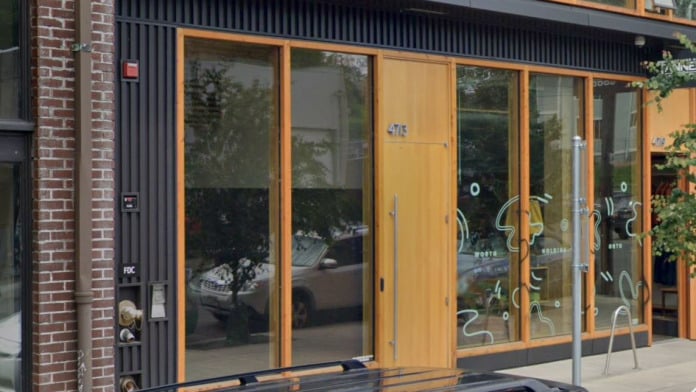
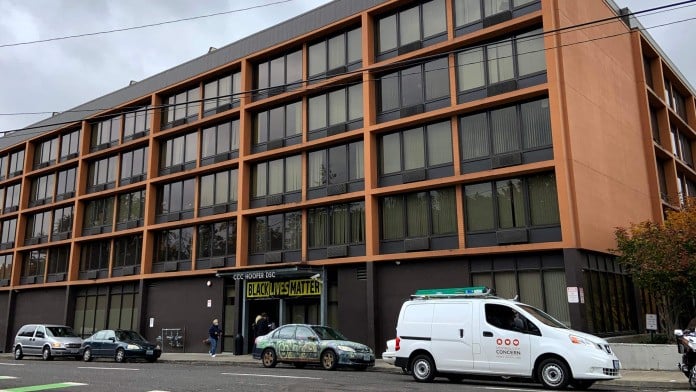
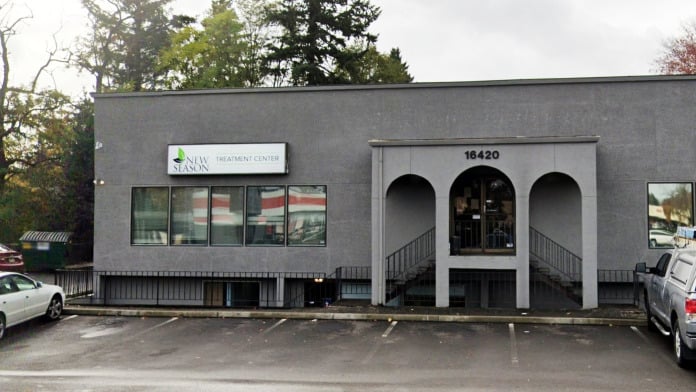
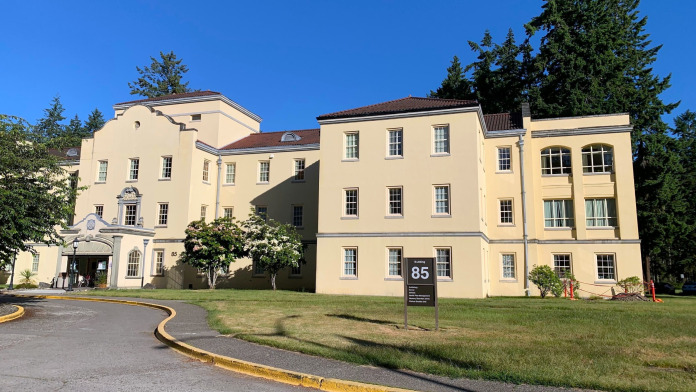
Gallery
Other Forms of Payment
Free
Addiction Treatments
Levels of Care
Residential treatment programs are those that offer housing and meals in addition to substance abuse treatment. Rehab facilities that offer residential treatment allow patients to focus solely on recovery, in an environment totally separate from their lives. Some rehab centers specialize in short-term residential treatment (a few days to a week or two), while others solely provide treatment on a long-term basis (several weeks to months). Some offer both, and tailor treatment to the patient's individual requirements.
Completing a drug or alcohol rehab program shouldn't spell the end of substance abuse treatment. Aftercare involves making a sustainable plan for recovery, including ongoing support. This can include sober living arrangements like halfway houses, career counseling, and setting a patient up with community programs like Alcoholics Anonymous (AA) or Narcotics Anonymous (NA).
Treatments
The goal of treatment for alcoholism is abstinence. Those with poor social support, poor motivation, or psychiatric disorders tend to relapse within a few years of treatment. For these people, success is measured by longer periods of abstinence, reduced use of alcohol, better health, and improved social functioning. Recovery and Maintenance are usually based on 12 step programs and AA meetings.
Effective drug rehab in Washington integrates care for the whole person, offering comprehensive solutions to addiction. Treatment methods address mental, physical, and relational aspects of substance abuse.
Opioid rehabs specialize in supporting those recovering from opioid addiction. They treat those suffering from addiction to illegal opioids like heroin, as well as prescription drugs like oxycodone. These centers typically combine both physical as well as mental and emotional support to help stop addiction. Physical support often includes medical detox and subsequent medical support (including medication), and mental support includes in-depth therapy to address the underlying causes of addiction.
Substance rehabs focus on helping individuals recover from substance abuse, including alcohol and drug addiction (both illegal and prescription drugs). They often include the opportunity to engage in both individual as well as group therapy.
Programs
Adult rehab programs include therapies tailored to each client's specific needs, goals, and recovery progress. They are tailored to the specific challenges adult clients may face, including family and work pressures and commitments. From inpatient and residential treatment to various levels of outpatient services, there are many options available. Some facilities also help adults work through co-occurring conditions, like anxiety, that can accompany addiction.
Young adulthood can be an exciting, yet difficult, time of transition. Individuals in their late teens to mid-20s face unique stressors related to school, jobs, families, and social circles, which can lead to a rise in substance use. Rehab centers with dedicated young adult programs will include activities and amenities that cater to this age group, with an emphasis on specialized counseling, peer socialization, and ongoing aftercare.
Clinical Services
Whether a marriage or other committed relationship, an intimate partnership is one of the most important aspects of a person's life. Drug and alcohol addiction affects both members of a couple in deep and meaningful ways, as does rehab and recovery. Couples therapy and other couples-focused treatment programs are significant parts of exploring triggers of addiction, as well as learning how to build healthy patterns to support ongoing sobriety.
Research clearly demonstrates that recovery is far more successful and sustainable when loved ones like family members participate in rehab and substance abuse treatment. Genetic factors may be at play when it comes to drug and alcohol addiction, as well as mental health issues. Family dynamics often play a critical role in addiction triggers, and if properly educated, family members can be a strong source of support when it comes to rehabilitation.
Group therapy is any therapeutic work that happens in a group (not one-on-one). There are a number of different group therapy modalities, including support groups, experiential therapy, psycho-education, and more. Group therapy involves treatment as well as processing interaction between group members.
In individual therapy, a patient meets one-on-one with a trained psychologist or counselor. Therapy is a pivotal part of effective substance abuse treatment, as it often covers root causes of addiction, including challenges faced by the patient in their social, family, and work/school life.
Life skills trainings involve all the skills a person must have in order to function successfully in the world. These include time management, career guidance, money management, and effective communication. Truly successful addiction recovery is based on the ability to not only live substance-free, but to thrive. Life skills teaches the practical necessities of functioning in society, which sets clients up for success in life, and therefore sobriety.
Staff
Garrett Ballreich
Counselor to Council President
Derek Johnson
Operations & Addiction Recovery
John Academy
Addiction Recovery
Chawna Volken
Director
Rehab.com regularly reviews this listing for accuracy but changes may occur between updates. For the most up-to-date information, please contact John Volken Academy.
The John Volken Academy is a high-control, predatory program masquerading as addiction recovery.
DO NOT send a loved one here. What they promise as a transformative, long-term recovery program is a coercive nightmare designed to exploit vulnerable people and lie to families.
Here is the truth behind their pitch:
Coercion & Cult Tactics: They isolate participants from their families, take away cell phones, confiscate passports, and cut off communication. They use public shaming, group "attack therapy," extreme peer pressure, and psychological abuse to break you down.
Punitive Control: They enforce rigid rules using cruel punishments like "the bench" (forced total isolation for hours or days) and strict speaking bans. Anyone who speaks out or wants to leave is ostracized, shamed, or actively blocked from leaving.
Free Labor disguised as "Life Skills": They do not offer actual therapy or clinical medical treatment. Instead, they force participants to work up to 50–60 hours a week unpaid for their own businesses (moving companies, furniture stores, farms) while pocketing government stipends.
Lies & Scams: They lie to desperate families, claiming to offer professional support. In reality, there are virtually no licensed therapists on site—just brainwashed, brainwashing senior members enforcing the rules.
This isn't medical care; it's a high-control labor camp that trades on desperate families' trust. Stay away.
khuong nguyen
1 year ago
5
Great and quick service with very affordable prices
Danielle
1 year ago
5
Need to move ? I highly recommend this company. The process from start to finish was easy. Each of the staff was kind, courteous and respectful. The moving day team (Clark, Scott, Blaine and Spencer) were awesome! They worked well with us listening to us and solving any problems that came up. They treated our things with respect and made moving day as easy as possible.
Sehar Uddin is a skilled freelance content writer with a passion for creating engaging and impactful content. Combining her expertise in ad campaign management, SEO, and email marketing, Sehar crafts compelling narratives that drive growth and enhance brand visibility. Her data-driven approach ensures content not only captures attention but also delivers measurable results.
Outside of her professional pursuits, Sehar loves to travel and explore new destinations. She enjoys spending quality time with her beautiful family, which includes her son and daughter. Sehar elevates her content and digital marketing strategy with her creativity and expertise.
By calling the helpline you agree to the terms of use. We do not receive any commission or fee that is dependent upon which treatment provider a caller chooses. There is no obligation to enter treatment.
Calls to numbers on a specific treatment center listing will be routed to that treatment center. Calls to any general helpline could be forwarded to SAMHSA or a verified treatment provider.
If you wish to connect with non-sponsor centers, you can browse top-rated listings, visit our homepage and browse by state, or visit SAMHSA.

 Sponsored Helpline






























































































 $180
$180