





























































































About The Advanced Drug Rehab Center
When you sign up, you’ll see that they treat drug and alcohol addictions as well as dual diagnosis cases. They have something for every phase of recovery, including detox services, inpatient care, and outpatient care. If you’re in their inpatient program, you’ll be receiving round-the-clock care while you focus on recovery without any outside distractions or triggers.
They use different methods to treat different people, but one of their main ones is individual cognitive behavioral therapy. As you take part in these therapy offerings, you’ll also prioritize your diet, which can make or break your recovery plan. Dieting is extremely important for mental health and recovery. While all this is going on, you’ll also integrate the 12 Step program into your regimen. They offer case management, anger management, life skills, expressive therapy, art therapy, and cinema therapy. Plenty to keep you busy, and even post rehab support to help you after sobriety is reached.
Latest Reviews



Rehab Score
 Our Methodology


Gallery
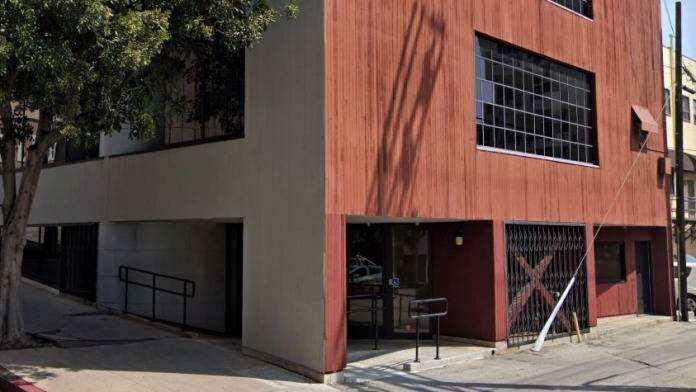
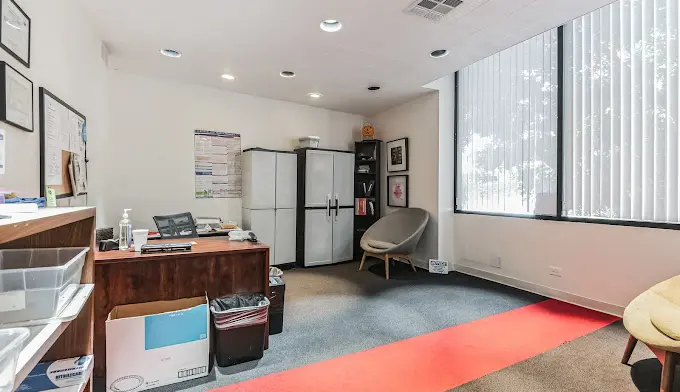
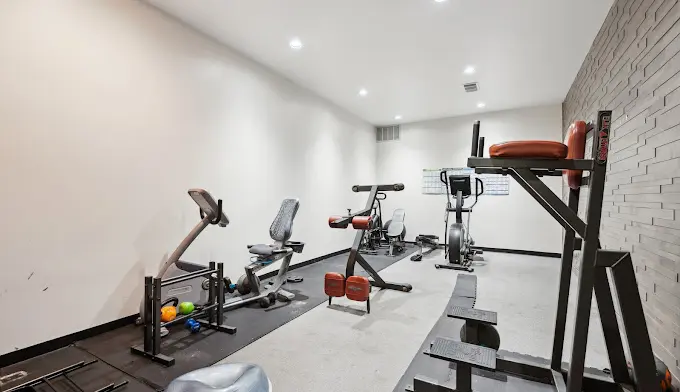
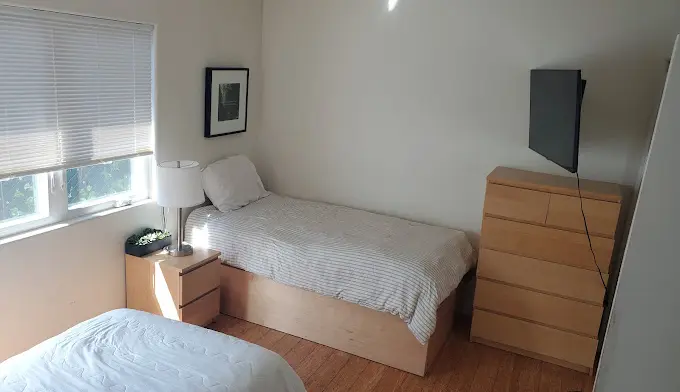
Accepted Insurance
Other Forms of Payment
Private insurance refers to any kind of healthcare coverage that isn't from the state or federal government. This includes individual and family plans offered by an employer or purchased from the Insurance Marketplace. Every plan will have different requirements and out of pocket costs so be sure to get the full details before you start treatment.
Self-pay involves paying for treatment out of your own pocket. You can use savings or credit, get a personal loan, or receive help from family and friends to fund your treatment. If you don't have insurance or your insurance plan doesn't cover a specific program, self-pay can help ensure you still get the care you need.
Addiction Treatments
Levels of Care
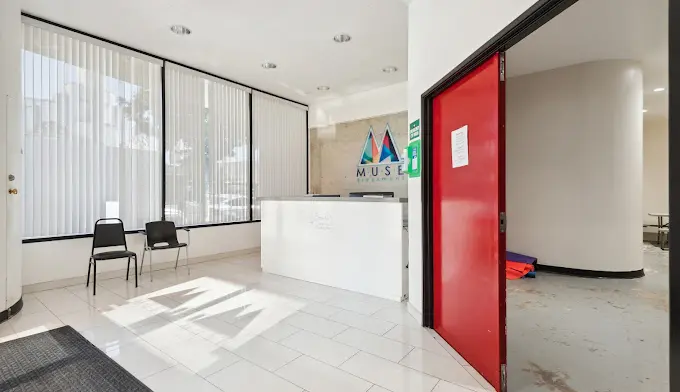
Outpatient programs are for those seeking mental rehab or drug rehab, but who also stay at home every night. The main difference between outpatient treatment (OP) and intensive outpatient treatment (IOP) lies in the amount of hours the patient spends at the facility. Most of the time an outpatient program is designed for someone who has completed an inpatient stay and is looking to continue their growth in recovery. Outpatient is not meant to be the starting point, it is commonly referred to as aftercare. Muse Outpatient Rehab is able to treat substance abuse and mental health disorders and help clients maintain long-term recovery through their three-pronged, interdisciplinary approach. Therapy, twelve-step integration, and neuro-rehabilitation, are the three key components to the Muse philosophy of treatment. This methodology enables clients to succeed in treatment and thrive in the world beyond treatment.
Inpatient rehab provides intensive treatment for clients exiting detox, those in early recovery, and those at an elevated risk of relapse. Unlike outpatient drug rehab, clients receiving inpatient care reside at the facility for the duration of the program. The length of stay may range from two weeks to 18 months or more, depending on the client's needs and the program's design. Inpatient treatment typically involves extensive addiction education and recovery-focused life skills training.
Intensive Outpatient programs are for those who want or need a very structured treatment program but who also wish to live at home and continue with certain responsibilities (such as work or school). IOP substance abuse treatment programs vary in duration and intensity, and certain outpatient rehab centers will offer individualized treatment programs. The Muse philosophy include 3 main components; therapy, 12-step integration and neural rehabilitation.
Rehab aftercare programs offer clients in addiction recovery a robust continuum of care after clients have completed active treatment. These services address recovery as a life-long process and are designed to evolve with clients' changing needs. Clients may partner with their case managers and/or addiction recovery team to identify the rehab aftercare services that are right for them. They may receive career counseling, housing assistance, peer coaching, 12 step program induction, among many other services.
12-step programs are addiction recovery models based on Alcoholics Anonymous (AA). A number of substance abuse programs (including some drug and alcohol rehab centers) use the 12 steps as a basis for treatment. Beginning steps involve admitting powerlessness over the addiction and creating a spiritual basis for recovery. Middle steps including making direct amends to those who've been hurt by the addiction, and the final step is to assist others in addiction recovery in the same way. 12-Step offshoots including Narcotics Anonymous (NA), Cocaine Anonymous (CA), Dual Recovery Anonymous (DRA), Sex and Love Addicts Anonymous (SLAA) and Gamblers Anonymous (GA).
Muse Outpatient Rehab is able to treat substance abuse and mental health disorders and help clients maintain long-term recovery through their three-pronged, interdisciplinary approach. Therapy, twelve-step integration, and neuro-rehabilitation, are the three key components to the Muse philosophy of treatment. This methodology enables clients to succeed in treatment and thrive in the world beyond treatment.
Intervention services helps family or friends of addicts stage an intervention, which is a meeting in which loved ones share their concerns and attempt to get an addict into treatment. Professional intervention specialists can help loved ones organize, gather, and communicate with an addict. They can guide intervention participants in describing the damage the addict's behavior is causing and that outside help is necessary to address the addiction. The ideal outcome of an intervention is for the addict to go to rehab and get the help they need.
Commonly known as "day treatment," a partial hospitalization program (PHP) is an intensive form of outpatient treatment where clients meet during the day and return home in the evening. PHP treatment doesn't require 24-hour care and often serves as an alternative to inpatient hospitalization or a step-down after a residential program. With PHP treatment, you can receive daily support for 6 to 8 hours which includes evidence-based therapies and medication management. The cost of PHP treatment typically varies but averages 90 days.
When addicted, quitting your drug of choice suddenly can be dangerous. That's why experts agree a medically assisted detox is the safest way to remove addictive substances from the body. Usually done in an inpatient setting, your vitals signs and overall well being are consistently monitored and rechecked in order to keep you safe and ensure the detox is successful.
Treatments
The goal of treatment for alcoholism is abstinence. Those with poor social support, poor motivation, or psychiatric disorders tend to relapse within a few years of treatment. For these people, success is measured by longer periods of abstinence, reduced use of alcohol, better health, and improved social functioning. Recovery and Maintenance are usually based on 12 step programs and AA meetings.
Drug rehab in California teaches participants constructive ways to stay clean and sober. Treatment revolves around helping individuals stop using the substance they are addicted to and learn healthy habits to avoid relapse.
Many of those suffering from addiction also suffer from mental or emotional illnesses like schizophrenia, bipolar disorder, depression, or anxiety disorders. Rehab and other substance abuse facilities treating those with a dual diagnosis or co-occurring disorder administer psychiatric treatment to address the person's mental health issue in addition to drug and alcohol rehabilitation.
A combined mental health and substance abuse rehab has the staff and resources available to handle individuals with both mental health and substance abuse issues. It can be challenging to determine where a specific symptom stems from (a mental health issue or an issue related to substance abuse), so mental health and substance abuse professionals are helpful in detangling symptoms and keeping treatment on track.
Opioid rehabs specialize in supporting those recovering from opioid addiction. They treat those suffering from addiction to illegal opioids like heroin, as well as prescription drugs like oxycodone. These centers typically combine both physical as well as mental and emotional support to help stop addiction. Physical support often includes medical detox and subsequent medical support (including medication), and mental support includes in-depth therapy to address the underlying causes of addiction.
The Advanced Drug Rehab Center in Los Angeles provides comprehensive, personalized treatment programs designed to address substance abuse through individualized care plans tailored to each client's unique recovery needs.
Programs
Adult rehab programs include therapies tailored to each client's specific needs, goals, and recovery progress. They are tailored to the specific challenges adult clients may face, including family and work pressures and commitments. From inpatient and residential treatment to various levels of outpatient services, there are many options available. Some facilities also help adults work through co-occurring conditions, like anxiety, that can accompany addiction.
Young adulthood can be an exciting, yet difficult, time of transition. Individuals in their late teens to mid-20s face unique stressors related to school, jobs, families, and social circles, which can lead to a rise in substance use. Rehab centers with dedicated young adult programs will include activities and amenities that cater to this age group, with an emphasis on specialized counseling, peer socialization, and ongoing aftercare.
Recovery is most successful when clients feel accepted and validated by their peers and treatment providers. Facilities that offer LGBTQ-inclusive programming are committed to creating a safe space where everyone can grow and recover without fear of judgment or discrimination. They will have dedicated policies in place to create a safe and supportive environment that fosters free expression.
Clinical Services
Cognitive behavioral therapy in California is a method that therapists often use for the effective treatment of substance use disorders. It is based on the principle that substance abuse stems from unhelpful ways of thinking and patterns of behavior, which can be changed by helping the individual learn better ways of coping.
Group therapy is any therapeutic work that happens in a group (not one-on-one). There are a number of different group therapy modalities, including support groups, experiential therapy, psycho-education, and more. Group therapy involves treatment as well as processing interaction between group members.
In individual therapy, a patient meets one-on-one with a trained psychologist or counselor. Therapy is a pivotal part of effective substance abuse treatment, as it often covers root causes of addiction, including challenges faced by the patient in their social, family, and work/school life.
Trauma therapy is a structured approach used by therapists to help you heal from a past traumatic event. Your therapist works with you to identify the traumatic memory and process the information so you experience emotional healing and a sense of safety and stability.
Research clearly demonstrates that recovery is far more successful and sustainable when loved ones like family members participate in rehab and substance abuse treatment. Genetic factors may be at play when it comes to drug and alcohol addiction, as well as mental health issues. Family dynamics often play a critical role in addiction triggers, and if properly educated, family members can be a strong source of support when it comes to rehabilitation.
Life skills trainings involve all the skills a person must have in order to function successfully in the world. These include time management, career guidance, money management, and effective communication. Truly successful addiction recovery is based on the ability to not only live substance-free, but to thrive. Life skills teaches the practical necessities of functioning in society, which sets clients up for success in life, and therefore sobriety.
Substances can prevent the absorption of nutrients and cause damage to your body's systems. Nutrition therapy in California addresses the deficiencies in vitamins and minerals that are caused by substance abuse.
Recreational therapy is included in alcohol and drug addiction treatment to focus on engaging you in healthy activities that reduce your cravings and improve your overall health and well being. When you participate in group sports, art, or nature walks, you develop new interests and find a meaningful way to spend your time and reduce your cravings.
The goal of creative arts therapy in California is to encourage growth and transformation. It can be used in individual and group settings with both children and adults. Options include movement, music, and painting.
The use of experiential therapy can be helpful for the treatment of behavioral disorders, including drug and alcohol addiction. This method teaches you how to release negative emotions and cope with pain from the past. Activities such as art, music, and animal care are used to facilitate this process.
The goal of nicotine replacement therapy in California is to mitigate the symptoms of nicotine withdrawal. It cuts down on your cravings by supplying a small dose of nicotine without exposing your body to the toxins of cigarette smoke.
Amenities
-
 Yoga Studio
 -
 Residential Setting
Staff & Accreditations
Staff

Josh Chandler
Director of Admissions

Lauren Hurtado
Director
Josh Crossen
VP of Finance
Kasey Kemp
VP of HR

Mia Collica, LMFT
Clinical Supervisor
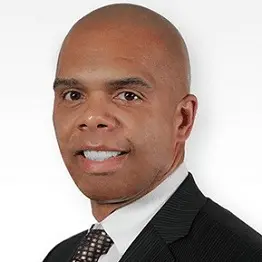
Lawrence Tucker, MD
Medical Director
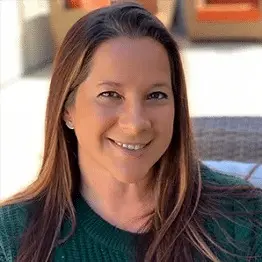
Kristen Garruba
Clinical Director
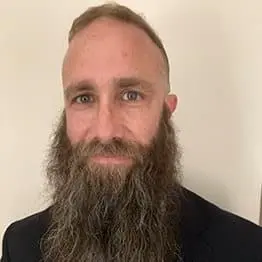
Jared Gaeta
Director
Accreditations

LegitScript has reviewed The Advanced Drug Rehab Center as part of their certification program, and has determined that it meets the LegitScript standards for legality, safety and transparency.
LegitScript verified in

The Joint Commission, formerly known as JCAHO, is a nonprofit organization that accredits rehab organizations and programs. Founded in 1951, the Joint Commision's mission is to improve the quality of patient care and demonstrating the quality of patient care.
Joint Commission Accreditation: Yes
Accreditation Number: 573914
Rehab.com regularly reviews this listing for accuracy but changes may occur between updates. For the most up-to-date information, please contact The Advanced Drug Rehab Center.
Contact Information


1251 Westwood Boulevard, Los Angeles, CA 90024
Sponsored Helpline



