






























































































I have been coming here for a few years now, and I must say it has been particularly difficult when it comes to the psychiatrists and counseling services I have received here. Regarding the counseling services, I had been on waiting lists forever, and when they finally had a ...
About Riverside County Mental Health
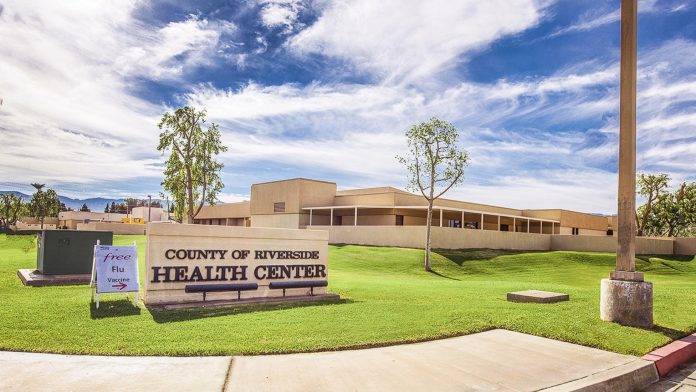
Riverside County Mental Health operates as the Indio Mental Health Clinic within the Riverside University Health System (RUHS) Behavioral Health network and is a county run adult outpatient clinic in Indio, California.
It serves adults living with severe and persistent mental health conditions including those with co-occurring substance use needs through dual diagnosis treatment.
As a public access point for behavioral health the clinic emphasizes culturally sensitive and evidence based care for residents across Riverside County.
Serious Mental Illness and Co-occurring Addiction
The Indio clinic’s core focus is supporting adults managing serious and ongoing mental-health conditions through a coordinated outpatient model.
Services include psychiatric assessments and medication management, crisis intervention, recovery management, and case management all under one county-operated system.
Care is designed to address both immediate stabilization and long-term recovery pairing clinical treatment with peer-to-peer recovery support. One family member shared that their son received “THE BEST care” from his psychiatrist reflecting positive experiences among the clinic’s mixed feedback.
Dual-Diagnosis and Co-Occurring Support
For clients facing both mental health and substance use challenges the clinic provides dual diagnosis treatment that addresses these interconnected concerns together. This integrated approach combines psychiatric care, medication services, and case management to support whole client recovery.
Latest Reviews
My son gets THE BEST care there from his psychiatrist Dr. Burns. He is such an excellent psychiatrist. As for the front desk though answering phones and how the intake process us very strange and terrible
❤️
Awesome services and friendly people.

Rehab Score
 Our Methodology
Scoring is assigned by a proprietary system which helps surface key metrics that determine quality. The 10-point scale factors in categories such as operations, customer satisfaction, and trust metrics. Read Full Methodology

5.8 / 10
Gallery
Other Forms of Payment
Private insurance refers to any kind of healthcare coverage that isn't from the state or federal government. This includes individual and family plans offered by an employer or purchased from the Insurance Marketplace. Every plan will have different requirements and out of pocket costs so be sure to get the full details before you start treatment.
Self-pay involves paying for treatment out of your own pocket. You can use savings or credit, get a personal loan, or receive help from family and friends to fund your treatment. If you don't have insurance or your insurance plan doesn't cover a specific program, self-pay can help ensure you still get the care you need.
Medicare is a federal program that provides health insurance for those 65 and older. It also serves people under 65 with chronic and disabling health challenges. To use Medicare for addiction treatment you need to find a program that accepts Medicare and is in network with your plan. Out of pocket costs and preauthorization requirements vary, so always check with your provider.
Medicaid is a state based program that helps lower-income individuals and families pay for healthcare. Medicaid covers addiction treatment so those enrolled can use their coverage to pay for rehab. When a program accepts Medicaid the client often pays very little or nothing out of their own pocket.
Addiction Treatments
Levels of Care
Inpatient rehab provides intensive treatment for clients exiting detox, those in early recovery, and those at an elevated risk of relapse. Unlike outpatient drug rehab, clients receiving inpatient care reside at the facility for the duration of the program. The length of stay may range from two weeks to 18 months or more, depending on the client's needs and the program's design. Inpatient treatment typically involves extensive addiction education and recovery-focused life skills training.
Treatments
Many of those suffering from addiction also suffer from mental or emotional illnesses like schizophrenia, bipolar disorder, depression, or anxiety disorders. Rehab and other substance abuse facilities treating those with a dual diagnosis or co-occurring disorder administer psychiatric treatment to address the person's mental health issue in addition to drug and alcohol rehabilitation.
Mental health rehabs focus on helping individuals recover from mental illnesses like bipolar disorder, clinical depression, anxiety disorders, schizophrenia, and more. Mental health professionals at these facilities are trained to understand and treat mental health issues, both in individual and group settings.
Programs
Adult rehab programs include therapies tailored to each client's specific needs, goals, and recovery progress. They are tailored to the specific challenges adult clients may face, including family and work pressures and commitments. From inpatient and residential treatment to various levels of outpatient services, there are many options available. Some facilities also help adults work through co-occurring conditions, like anxiety, that can accompany addiction.
Clinical Services
Group therapy is any therapeutic work that happens in a group (not one-on-one). There are a number of different group therapy modalities, including support groups, experiential therapy, psycho-education, and more. Group therapy involves treatment as well as processing interaction between group members.
In individual therapy, a patient meets one-on-one with a trained psychologist or counselor. Therapy is a pivotal part of effective substance abuse treatment, as it often covers root causes of addiction, including challenges faced by the patient in their social, family, and work/school life.
Staff
Jennifer Cruikshank, MBA, RN
CEO
Jonelle Morris, MSN
COO
Joe Zamora
CFO
Alexandra (Aleca) Clark, MD
Chief Medical Officer
Leah Patterson, RN
Chief Nursing Officer & Patient Experience Officer
Daniel Kim, MD
Medical Program Director
Rehab.com regularly reviews this listing for accuracy but changes may occur between updates. For the most up-to-date information, please contact Riverside County Mental Health.
Contact Information

47825 Oasis street
Indio CA, 92201
Get Help Now - 951-446-1583
Sponsored Helpline
Sponsored Helpline


