





























































































About New Creation Addiction Treatment Center
You’ll get about 12 hours of input each week. Some of your time will be spent with a counselor for individual sessions. You’ll also join a group for educational sessions and peer support. They focus on gender specific treatment here as men and women experience addiction and recovery in different ways.
Intensive outpatient treatment is a step down from the residential stage but it is a vital part of your recovery. You’ll learn how to get back to normal situations and pressures and start exercising all the skill and techniques they’ve taught you. It is helpful to have the support and encouragement of others who can relate to what you’re going through.
I appreciate that they provide secure locations that prioritize community. This makes their program a safe place for those recovering from trauma.
The flexibility of part-time recovery gives you opportunities to embrace new hobbies and a healthy lifestyle. Living in the Heartland Province gives you options for exploring. Revisit the Niagara Falls and tour the Maid of the Mist and the Cave of the Winds. Consider taking the tour behind the falls or a trip up Skylon Tower to get a different perspective. If you love history, mystery and intrigue then Casa Loma is waiting with its hidden staircases, historical tunnels and secret passageways. Clean living is an adventure.
Facility Overview
 15
15 Latest Reviews



Rehab Score
 Our Methodology


Gallery
Accepted Insurance

Other Forms of Payment
Self-pay involves paying for treatment out of your own pocket. You can use savings or credit, get a personal loan, or receive help from family and friends to fund your treatment. If you don't have insurance or your insurance plan doesn't cover a specific program, self-pay can help ensure you still get the care you need.
Private insurance refers to any kind of healthcare coverage that isn't from the state or federal government. This includes individual and family plans offered by an employer or purchased from the Insurance Marketplace. Every plan will have different requirements and out of pocket costs so be sure to get the full details before you start treatment.
Sliding scale payments are based on a client's income and family size. The goal is to make treatment affordable to everyone. By taking these factors into account, addiction recovery care providers help ensure that your treatment does not become a financial burden to you or your family, eliminating one barrier to care.
Military members, veterans, and eligible dependents have access to specific insurance programs that help them get the care they need. TRICARE and VA insurance can help you access low cost or no cost addiction and mental health treatment. Programs that accept military insurance often have targeted treatment focused on the unique challenges military members, veterans, and their families face.
Addiction Treatments
Levels of Care
Intensive Outpatient Programs (IOP) are for those who want or need a very structured treatment program but who also wish to live at home and continue with certain responsibilities (such as work or school). IOP substance abuse treatment programs vary in duration and intensity, and certain outpatient rehab centers will offer individualized treatment programs.
Their residential programs provide clients the chance to be involved and work together with other clients who share the same afflictions. As a community, clients can socialize and get inspiration from other recovering clients, while simultaneously receiving all the necessary aid and assistance necessary for successful recovery from addiction.
12-step programs are addiction recovery models based on Alcoholics Anonymous (AA). A number of substance abuse programs (including some drug and alcohol rehab centers) use the 12 steps as a basis for treatment. Beginning steps involve admitting powerlessness over the addiction and creating a spiritual basis for recovery. Middle steps including making direct amends to those who've been hurt by the addiction, and the final step is to assist others in addiction recovery in the same way. 12-Step offshoots including Narcotics Anonymous (NA), Cocaine Anonymous (CA), Dual Recovery Anonymous (DRA), Sex and Love Addicts Anonymous (SLAA) and Gamblers Anonymous (GA).
Intervention services helps family or friends of addicts stage an intervention, which is a meeting in which loved ones share their concerns and attempt to get an addict into treatment. Professional intervention specialists can help loved ones organize, gather, and communicate with an addict. They can guide intervention participants in describing the damage the addict's behavior is causing and that outside help is necessary to address the addiction. The ideal outcome of an intervention is for the addict to go to rehab and get the help they need.
Sober Living Houses (SLHs), aka sober homes or halfway houses, are safe, substance-free, supportive living facilities for those recovering from substance abuse. Ideal for those who've just been through inpatient or outpatient treatment, SLHs are supervised environments with rules that support sobriety, such as curfews, shared chores, and therapeutic meetings. Residents are also often trained on life skills and coping skills to make it easier to transition into society. SLHs also provide a strong sense of community that can lead to the kind of deep and lasting connections with other sober individuals that supports a new, healthy lifestyle.
Completing a drug or alcohol rehab program shouldn't spell the end of substance abuse treatment. Aftercare involves making a sustainable plan for recovery, including ongoing support. This can include sober living arrangements like halfway houses, career counseling, and setting a patient up with community programs like Alcoholics Anonymous (AA) or Narcotics Anonymous (NA).
The team of Detox Specialists will be able to assess and determine the ways in which clients' personal detoxification process should progress. The team will formulate a treatment plan that adheres to patient's unique situation. Some factors that help the facility serve client's detox efficiently are: types or combinations of drugs used and necessary comfort medications to help through the process comfortably.
The round-the-clock treatment programs and highly experienced clinical team provide the necessary support for our clients to ensure a safe and productive recovery. The teams works closely with clients to develop and accomplish an accurate and effective treatment plan based on individual needs and goals.
Treatments
Treatment and rehabilitation of alcoholism and alcohol addiction must be conducted by medical experts. His House Treatment Centers cater to the different needs of every individual. The alcohol focused programs offer safe detoxification, nutrition planning, exercise programs, and various therapeutic methods to ignite a speedy recovery from alcoholism.
Drug rehab in California teaches participants constructive ways to stay clean and sober. Treatment revolves around helping individuals stop using the substance they are addicted to and learn healthy habits to avoid relapse.
New Creation understand that many individuals struggling with substance addiction also suffer from underlying emotional issues such as depression or anxiety. The dual-diagnosis programs provide a two-prong treatment methodology to help clients make a full recovery and supply them with the tools to continue a happy, clean, and sober lifestyle.
These two terms describe a person who is not only addicted to drugs or alcohol, but also experiences an emotional issue, such as depression, anxiety, bipolar disorder, etc. New Creation treats individuals with dual-diagnosis or co-occurring disorders by providing psychiatric treatment in addition to substance rehabilitation services through a multifaceted holistic and therapeutical approach.
Their programs specialize in treating opiate/heroin addicted individuals beginning with a safe and comfortable detoxification of the body and mind through receiving necessary medications and a healthy, tasteful diet. Each individual’s physiology and psychology is unique, and so are his set of personal experiences and background related to the stages of substance use.
Programs
Adult rehab programs include therapies tailored to each client's specific needs, goals, and recovery progress. They are tailored to the specific challenges adult clients may face, including family and work pressures and commitments. From inpatient and residential treatment to various levels of outpatient services, there are many options available. Some facilities also help adults work through co-occurring conditions, like anxiety, that can accompany addiction.
Recovery is most successful when clients feel accepted and validated by their peers and treatment providers. Facilities that offer LGBTQ-inclusive programming are committed to creating a safe space where everyone can grow and recover without fear of judgment or discrimination. They will have dedicated policies in place to create a safe and supportive environment that fosters free expression.
Young adulthood can be an exciting, yet difficult, time of transition. Individuals in their late teens to mid-20s face unique stressors related to school, jobs, families, and social circles, which can lead to a rise in substance use. Rehab centers with dedicated young adult programs will include activities and amenities that cater to this age group, with an emphasis on specialized counseling, peer socialization, and ongoing aftercare.
Clinical Services
CBT is a type of psychotherapy that aims to change negative thinking and behavior. The basic concept of CBT is that a person’s thoughts and feelings influence his behavior. During treatment, clients learn how to acknowledge, distinguish, and change disturbing and destructive behaviors.
DBT emphasizes individual psychotherapy and group skills training-classes to help clients learn and use new skills and strategies to develop a life that they experience as worth living. DBT skills include skills for mindfulness, emotion regulation, distress tolerance, and interpersonal effectiveness.
EMDR is a therapeutic modality originally developed to help process trauma. In an EMDR session, a patient is prompted to undergo eye movements that mimic those of REM sleep. This is accomplished by watching a therapist's finger move back and forth across, or following a bar of light. The goal is repetitive sets of eye movements that help the brain reprocess memory, which can significantly reduce the intensity of remembered traumatic incidents. Associated memories can heal simultaneously, leaving patients significantly calmer, more stable, and more emotionally relaxed.
New Creation is proud to offer family therapy as an integral part out the customized treatment plans for addiction and mental health. The family therapy program aims to help families and couples who are having problems with their relationships. It is designed to encourage positive change and development between family members.
The psychoeducational groups practice a specific type of therapy that centers on educating client's regarding emotional disorders and the many healthy ways of coping. This type of therapy is extremely beneficial when addressing negative emotions such as anxiety and depression.
In individual therapy, a patient meets one-on-one with a trained psychologist or counselor. Therapy is a pivotal part of effective substance abuse treatment, as it often covers root causes of addiction, including challenges faced by the patient in their social, family, and work/school life.
To overcome challenges, clients are taught to employ new mental practices, in-depth self-observation and a focus on building and sharpening life skills. The treatment team guides the individual, helping them determine positive attributes while weeding out negative influences.
Motivational Interviewing (MI) is a clinical approach to helping people with substance abuse issues and other conditions shift behavior in positive ways. It is more goal-oriented than traditional psychotherapy, as MI counselors directly attempt to get clients to consider making behavioral change (rather than wait for them to come to conclusions themselves). Its primary purpose is to resolve ambivalence and help clients become able to make healthy choices freely.
Having access to the team nutritionist during treatment can help clients thrive in many different ways. An important part of the recovery process for each person that goes through it is physical healing. The best way to allow the body to heal is to take it easy and provide the body with all of the vitamins, minerals, and nutrients it needs to begin healing physically, while the therapy helps clients heal mentally and emotionally.
Trauma therapy addresses traumatic incidents from a client's past that are likely affecting their present-day experience. Trauma is often one of the primary triggers and potential causes of addiction, and can stem from child sexual abuse, domestic violence, having a parent with a mental illness, losing one or both parents at a young age, teenage or adult sexual assault, or any number of other factors. The purpose of trauma therapy is to allow a patient to process trauma and move through and past it, with the help of trained and compassionate mental health professionals.
Amenities
-
 Yoga Studio
Staff
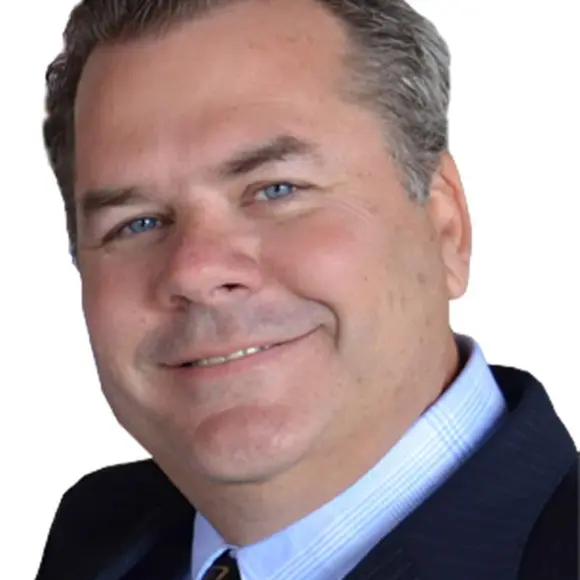
Glenn Swanson, CADC, MBA
CEO
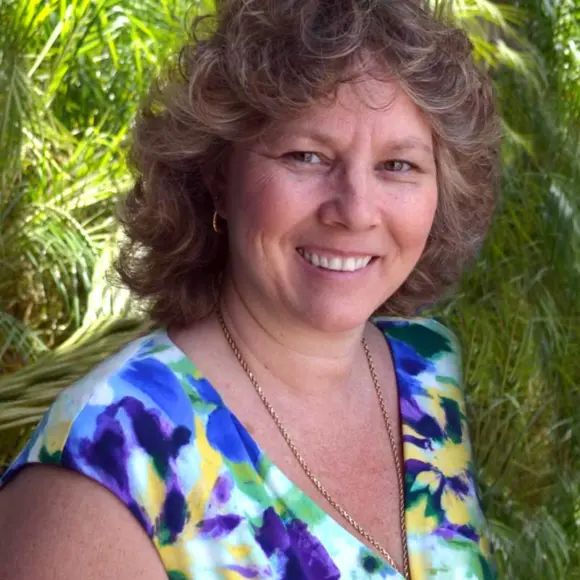
Carol Swanson
Chief Financial Officer
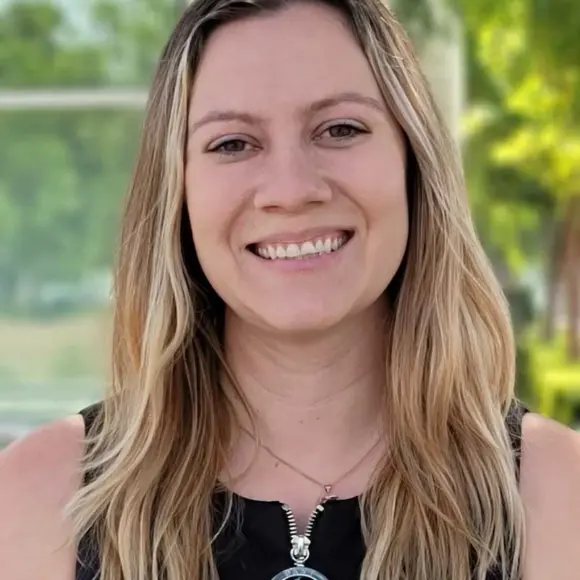
Caitlin Swanson, LMFT
Clinical Director
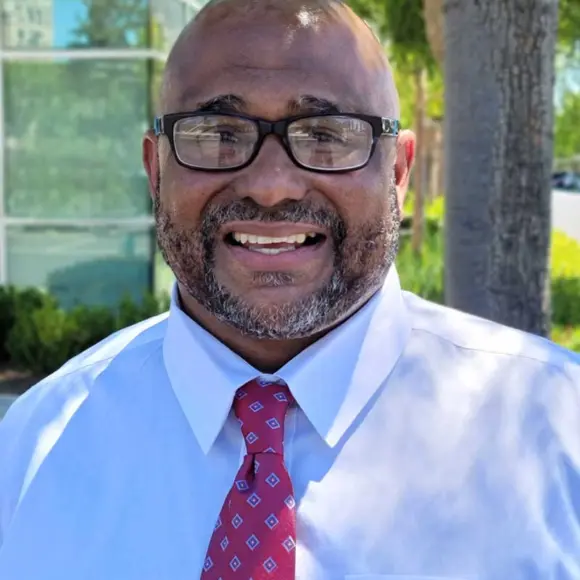
Byron Wattree, CATC III
Intensive Outpatient Program (IOP) Supervisor
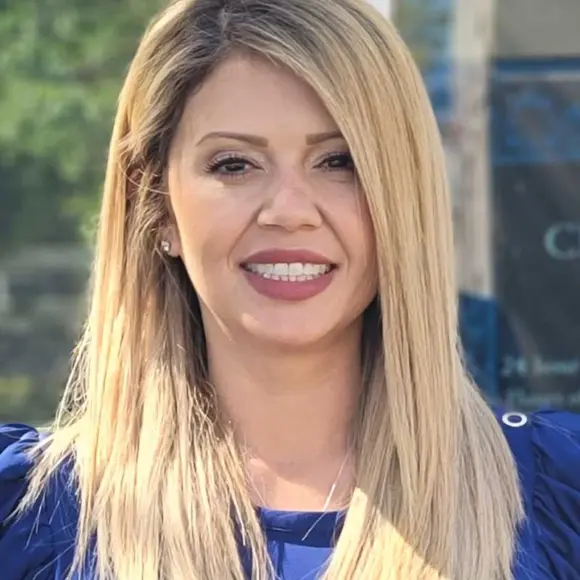
Andrea Kyles
IOP Case Manager
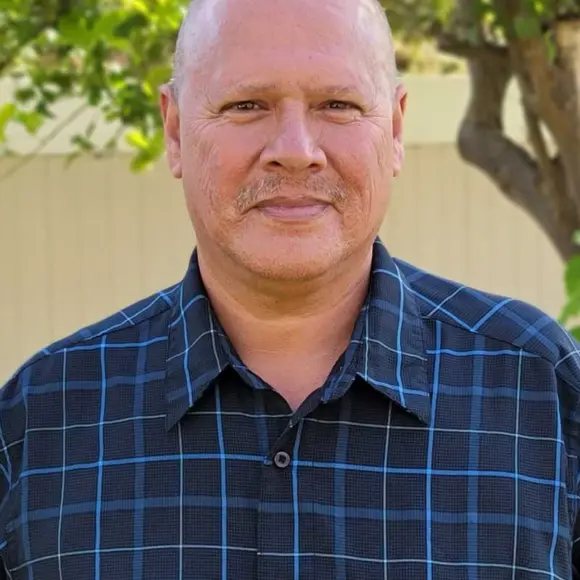
John Esqueda, CADC II
Case Manager
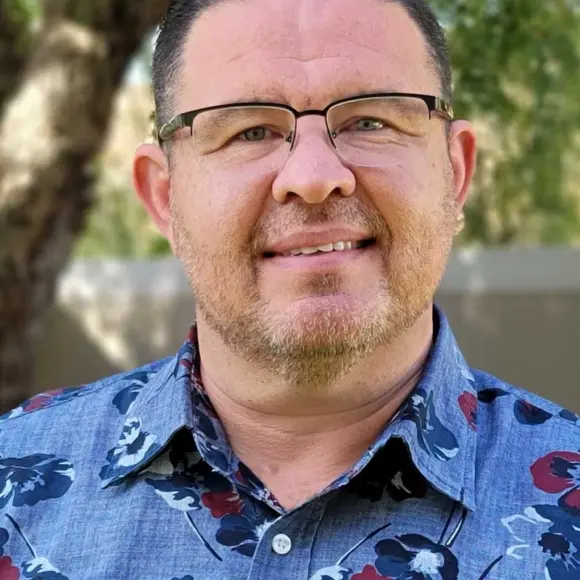
Carlos Alvarado
Case Manager
Sebastian Lang
Case Manager
Chris Pollock
Director of Admissions
Jay Rembold
Admissions Specialist
Alex Engen
Admissions Specialist
Rehab.com regularly reviews this listing for accuracy but changes may occur between updates. For the most up-to-date information, please contact New Creation Addiction Treatment Center.
Contact Information


3286 E Guasti Rd
Ste. 100
Ontario, CA 91761
Sponsored Helpline


