




























































































About North Jersey Recovery Center
In an IOP program, clients live at home and visit the center for treatment three times a week, three hours per session. IOP is the highest level of outpatient care because it requires the most meetings. Clients can transition into IOP from an inpatient program or enter it directly following an assessment.
Clients in IOP meet with a team of clinicians to guide their care. Clients learn more about addiction while developing coping skills supporting sober living. Therapies at New Jersey Recovery Center occur in family, individual, and group settings and include cognitive behavioral therapy (CBT), dialectical behavioral therapy (DBT), and behavior modification therapy.
New Jersey Recovery Center’s outpatient program is a less intensive version of IOP services. The critical difference between the two programs is that the outpatient program meets less frequently and has a more flexible schedule. Both IOP and outpatient programs include case management services.
MAT is used to curb or eliminate cravings and other symptoms in treatment so they can better focus on recovery. MAT uses FDA approved drugs and is closely monitored to ensure client safety while they receive new medication.
A dual diagnosis is any mental health disorder alongside an addiction diagnosis. Clients may come to treatment with a known dual diagnosis, which may be uncovered during an assessment. Dual diagnosis treatment addresses the symptoms of both problems to reduce the risk of relapse significantly.
New Jersey Recovery Center operates sober living homes to benefit clients who are or have recently completed a treatment program. Each residence is a clean, substance free community based home where clients lead mostly independent lives while participating in groups, undergoing drug screenings, and following other rules as mandated by staff. Sober Living Homes act as a transitional step for clients who want additional support before returning to fully independent lives.
Latest Reviews


We'll make sure Jeremy and Rachel see this. The open-door approach you described is deliberate: our therapists, group facilitators, case managers, and supervisors are meant to be reachable between sessions, not just on a schedule, because the moment someone needs to talk rarely lines up with an appointment slot. Hearing that it feels safe and comfortable tells us it's working.
North Jersey Recovery Center in Fair Lawn provides outpatient addiction and mental health treatment — partial care, IOP, and outpatient, with case management and relapse prevention built in — for people across Bergen County and North Jersey, including many who have tried treatment elsewhere. If that's where you are right now, we're at (877) 632-5541.

Rehab Score
 Our Methodology


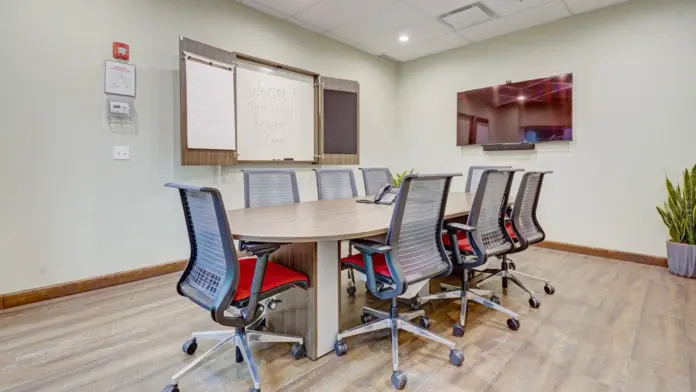
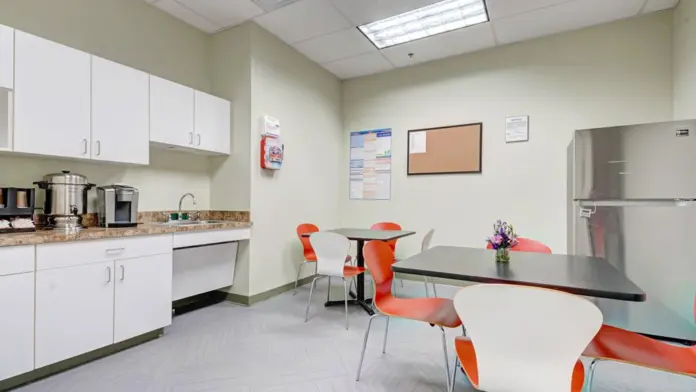
Gallery
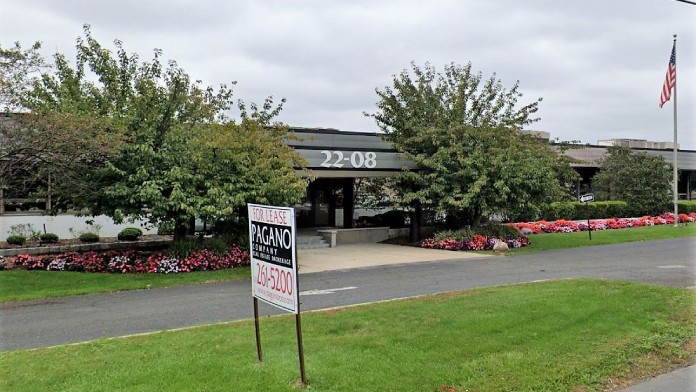
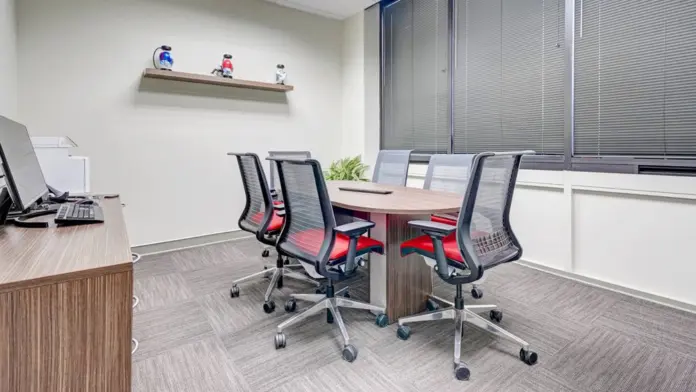
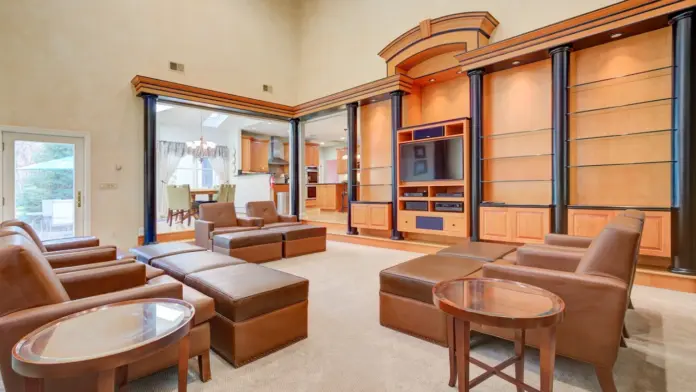
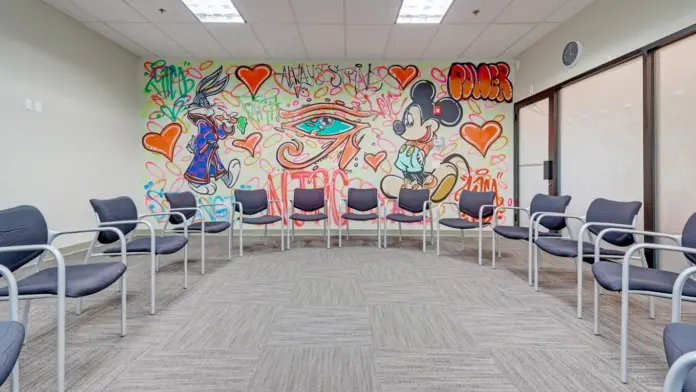
Accepted Insurance

Other Forms of Payment
Private insurance refers to any kind of healthcare coverage that isn't from the state or federal government. This includes individual and family plans offered by an employer or purchased from the Insurance Marketplace. Every plan will have different requirements and out of pocket costs so be sure to get the full details before you start treatment.
Self-pay involves paying for treatment out of your own pocket. You can use savings or credit, get a personal loan, or receive help from family and friends to fund your treatment. If you don't have insurance or your insurance plan doesn't cover a specific program, self-pay can help ensure you still get the care you need.
Addiction Treatments
Levels of Care
Outpatient Programs (OP) are for those seeking mental rehab or drug rehab, but who also stay at home every night. The main difference between outpatient treatment (OP) and intensive outpatient treatment (IOP) lies in the amount of hours the patient spends at the facility. Most of the time an outpatient program is designed for someone who has completed an inpatient stay and is looking to continue their growth in recovery. Outpatient is not meant to be the starting point, it is commonly referred to as aftercare.
Intensive Outpatient programs are for those who want or need a very structured treatment program but who also wish to live at home and continue with certain responsibilities (such as work or school). IOP substance abuse treatment programs vary in duration and intensity, and certain outpatient rehab centers will offer individualized treatment programs. The Intensive Outpatient Program gives patients the chance to participate in a structured treatment plan part-time while they transition back to home and work or other responsibilities. This program provides half-day treatment (Monday, Wednesday and Friday, 9:15 am to 12:30 pm).
A sober living home in New Jersey is for individuals who are recovering from alcohol and drug addiction issues. This type of halfway house residence is focused on helping individuals learn and apply the tools of recovery. The setting provides fellowship, support, and structure to prevent relapse. The homes are typically designed for either men or women, but some may offer space for women with their children.
A drug intervention in New Jersey is more than a confrontational conversation. This organized effort is specific and goal-oriented. During the intervention, family members share specific examples of how the person's addiction has impacted their lives and spell out what they will do if the individual does not get treatment. The intervention also presents a clear treatment plan, which typically involves input from intervention services.
A partial hospitalization program (PHP) is a short-term, intensive outpatient option designed for those with moderate to severe addictions who don't require 24-hour care. PHP treatment is often fully covered by insurance and provides structured programming (i.e. individual and group therapy). A typical partial hospitalization program can meet 3-5 days a week for a minimum of 20 hours, offering intensive treatment during the day while allowing you to return home after. PHP treatment duration can vary based on your progress but averages 90 days.
Programs
Adult rehab programs include therapies tailored to each client's specific needs, goals, and recovery progress. They are tailored to the specific challenges adult clients may face, including family and work pressures and commitments. From inpatient and residential treatment to various levels of outpatient services, there are many options available. Some facilities also help adults work through co-occurring conditions, like anxiety, that can accompany addiction.
Young adulthood can be an exciting, yet difficult, time of transition. Individuals in their late teens to mid-20s face unique stressors related to school, jobs, families, and social circles, which can lead to a rise in substance use. Rehab centers with dedicated young adult programs will include activities and amenities that cater to this age group, with an emphasis on specialized counseling, peer socialization, and ongoing aftercare.
Clinical Services
Cognitive behavioral therapy (CBT) in New Jersey typically follows a set structure of treatment. The therapist helps clients identify their life challenges and their thoughts surrounding those challenges. The client then learns to identify unhealthy thought patterns and reshape those into healthy patterns of thinking and behavior.
Dialectical means opposing. The premise of dialectical behavior therapy is to learn how two things that seem to be opposite can actually be true. You learn how to accept yourself while also making changes. The focus is on accepting your emotions and changing how you manage them.
Group therapy settings offer you a diverse perspective on addiction and recovery. People from a variety of backgrounds gather together to discuss their challenges and speak openly and in a nonjudgmental atmosphere. This enriches your experience and your understanding of addiction and recovery.
During individual therapy for drug addiction, patients receive a customized and tailored approach to understanding their unique circumstances and providing them with targeted interventions. These include coping skills, relapse prevention plans, and developing resilience, all of which are essential for long term recovery.
Family therapy sessions address addiction related conflicts and other issues between members of the family unit. By strengthening communication and coping skills, as well as creating a nurturing environment, the family can help support their loved one's recovery.
Staff & Accreditations
Staff
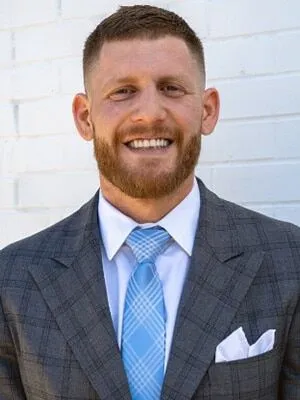
Bill Ennis
Co-Founder, CEO, CFO
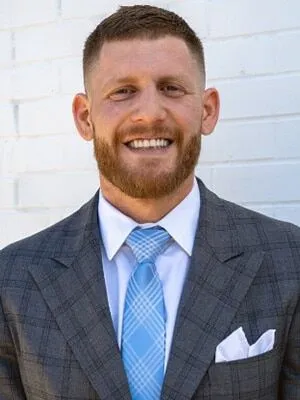
Jay Jonas
Co-Founder, COO
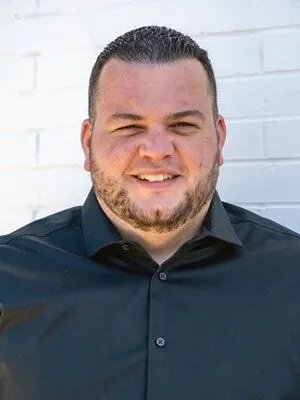
Rich Bryant
Director of Operations
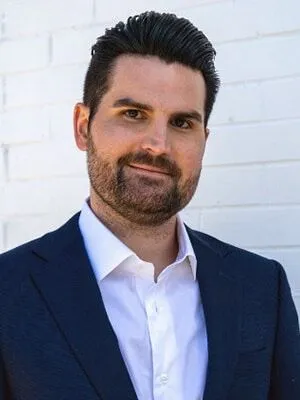
John A. Ennis
VP of Finance
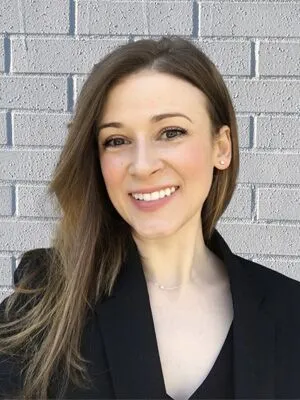
Rachel Sugerman, PhD, LPC, ACS, CCS
Clinical Director
Accreditations

The Joint Commission, formerly known as JCAHO, is a nonprofit organization that accredits rehab organizations and programs. Founded in 1951, the Joint Commision's mission is to improve the quality of patient care and demonstrating the quality of patient care.
Joint Commission Accreditation: Yes

The National Association of Addiction Treatment Providers (NAATP) is a professional association that represents organizations in the field of addiction services. Founded in 1978, NAATP's mission is to advance addiction services and ensure that high-quality addiction treatment is available and accessible.
NAATP Member: Yes
Rehab.com regularly reviews this listing for accuracy but changes may occur between updates. For the most up-to-date information, please contact North Jersey Recovery Center.
Contact Information


22-08 NJ-208
Suite 2
Fair Lawn, NJ 07410
Sponsored Helpline


