















































































































About NuView Treatment Center – Outpatient
At NuView Treatment Center, the partial hospitalization program requires a minimum of 20 hours a week of treatment. Most clients will participate in the program five days a week for four hours at a time. On average, the duration of the program is 30-45 days, depending on the needs of the client. Medication management, psychoeducation, mental health therapy, mindfulness classes, and evidence-based interventions are provided.
The intensive outpatient program meets three days a week for three hours at a time. Individual therapy, group therapy, continued medication management, educational classes, and mindfulness techniques are provided.
NuView Treatment Center Outpatient accepts most insurance plans including Amerigroup, Humana, Beacon, Magellan, and more. Out-of-network benefits may vary, so it’s important to verify coverage with the provider before starting treatment.
Latest Reviews



Rehab Score
 Our Methodology


Gallery
Addiction Treatments
Levels of Care
Outpatient Programs (OP) are for those seeking mental rehab or drug rehab, but who also stay at home every night. The main difference between outpatient treatment (OP) and intensive outpatient treatment (IOP) lies in the amount of hours the patient spends at the facility. Most of the time an outpatient program is designed for someone who has completed an inpatient stay and is looking to continue their growth in recovery. Outpatient is not meant to be the starting point, it is commonly referred to as aftercare.
Treatments
Substance rehabs focus on helping individuals recover from substance abuse, including alcohol and drug addiction (both illegal and prescription drugs). They often include the opportunity to engage in both individual as well as group therapy.
Clinical Services
Group therapy is any therapeutic work that happens in a group (not one-on-one). There are a number of different group therapy modalities, including support groups, experiential therapy, psycho-education, and more. Group therapy involves treatment as well as processing interaction between group members.
In individual therapy, a patient meets one-on-one with a trained psychologist or counselor. Therapy is a pivotal part of effective substance abuse treatment, as it often covers root causes of addiction, including challenges faced by the patient in their social, family, and work/school life.
Contact Information

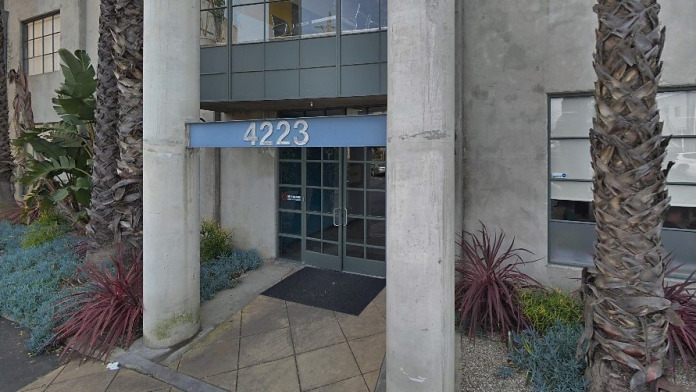
4223 Glencoe Ave
B130
Marina Del Rey, CA 90292
Sponsored Helpline

