





























































































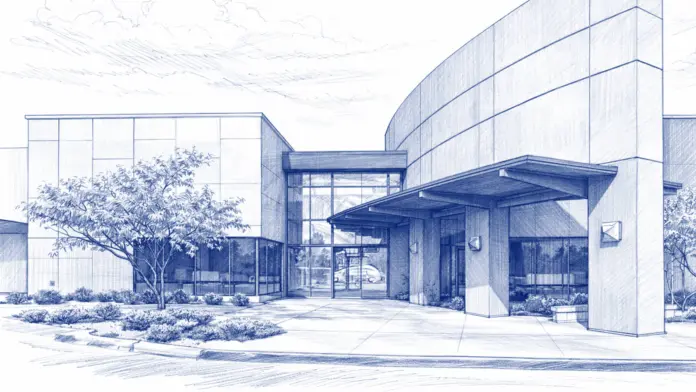


I would wholeheartedly recommend Ocean State Recover Center to help you in your recovery journey. The staff is friendly, knowledgeable and really care about their clients. Each therapist has their own "style". They provide group sessions that cover a variety of topics and st ...
About Ocean State Recovery Center – Drug Rehab Rhode Island
The therapeutic approaches primarily used at this facility are support groups and cognitive behavioral therapy. They combine evidence based practices with medication assisted treatment and 12 Step fellowship support with the goal of helping clients live a healthy lifestyle.
The day treatment program, also known as a partial hospitalization program (PHP) is the most intensive level of care offered at Ocean State Recovery Center. Patients will receive 25 to 30 hours of medical and clinical services each week. The program will typically last about four to six weeks, based on the progress of the client. Partial hospitalization is ideal for clients who’ve completed residential treatment programs or detox. Each day of treatment will consist of individual therapy, case management services and three or four clinical group sessions. Patients will get a chance to practice their coping skills and learn what their triggers are. Patients will follow an individualized and holistic treatment plan that is tailored to their needs.
Family therapy is also provided. This therapy will help family members understand addiction and the treatment process to be better able to support their loved one going through recovery. The facility offers biweekly family support group sessions and individual family sessions.
When clients transition to the intensive outpatient program, they’ll attend treatment three to five days a week for three hours a day. Patients have the flexibility of participating in this program during the day or evening hours.
Latest Reviews
I’m sure just like a lot of people I was scared when I first went there, but the way they made me feel and the way they help me come out of my shell. I’ll never forget them. They’re the best. I can’t thank them enough for all the support and the encouragement and the belief.
Absolutely love this place. It is a great place to be in recovery. Counselors are very understanding, supportive and kind. I don’t know where I would be without them. Highly recommend for anyone suffering with addiction. 5/5 stars 🩷
As someone in recovery, I highly recommend Ocean State Recovery Center. The staff and clients genuinely care, listen without judgment, and treat you like a person…not a diagnosis. Recovery isn’t always easy, but having the right people in your corner makes a huge difference. I’ve made incredible connections over the weeks and know I have friends (something I didn’t have in active addiction). Ocean State gave me support, accountability, and encouragement, all things which have kept me wanting to stay clean. I was afraid to ask for help but once I picked up the phone, I am grateful they answered.

Rehab Score
 Our Methodology
Scoring is assigned by a proprietary system which helps surface key metrics that determine quality. The 10-point scale factors in categories such as operations, customer satisfaction, and trust metrics. Read Full Methodology

7.1 / 10
Location
Accepted Insurance
Other Forms of Payment
Private insurance refers to any kind of healthcare coverage that isn't from the state or federal government. This includes individual and family plans offered by an employer or purchased from the Insurance Marketplace. Every plan will have different requirements and out of pocket costs so be sure to get the full details before you start treatment.
Self-pay involves paying for treatment out of your own pocket. You can use savings or credit, get a personal loan, or receive help from family and friends to fund your treatment. If you don't have insurance or your insurance plan doesn't cover a specific program, self-pay can help ensure you still get the care you need.
Military members, veterans, and eligible dependents have access to specific insurance programs that help them get the care they need. TRICARE and VA insurance can help you access low cost or no cost addiction and mental health treatment. Programs that accept military insurance often have targeted treatment focused on the unique challenges military members, veterans, and their families face.
Medicaid is a state based program that helps lower-income individuals and families pay for healthcare. Medicaid covers addiction treatment so those enrolled can use their coverage to pay for rehab. When a program accepts Medicaid the client often pays very little or nothing out of their own pocket.
Addiction Treatments
Levels of Care
Outpatient Programs (OP) are for those seeking mental rehab or drug rehab, but who also stay at home every night. The main difference between outpatient treatment (OP) and intensive outpatient treatment (IOP) lies in the amount of hours the patient spends at the facility. Most of the time an outpatient program is designed for someone who has completed an inpatient stay and is looking to continue their growth in recovery. Outpatient is not meant to be the starting point, it is commonly referred to as aftercare.
Intensive Outpatient programs are for those who want or need a very structured treatment program but who also wish to live at home and continue with certain responsibilities (such as work or school). IOP substance abuse treatment programs vary in duration and intensity, and certain outpatient rehab centers will offer individualized treatment programs. The Intensive Outpatient Program gives patients the chance to participate in a structured treatment plan part-time while they transition back to home and work or other responsibilities. This program provides half-day treatment (Monday, Wednesday and Friday, 9:15 am to 12:30 pm).
A partial hospitalization program (PHP) offers intensive rehab without the need for 24-hour care. Whether it's an alternative to inpatient hospitalization or a step-down option post-hospital or residential care, PHP treatment often includes relapse prevention strategies, medication management, and other behavioral therapy interventions. PHP treatment typically requires daily sessions for 4-8 hours, 5 days a week. Depending on your progress, the length of PHP treatment can vary, averaging 90 days. The cost of PHP treatment varies but is often fully or partially covered by providers.
Programs
Adult rehab programs include therapies tailored to each client's specific needs, goals, and recovery progress. They are tailored to the specific challenges adult clients may face, including family and work pressures and commitments. From inpatient and residential treatment to various levels of outpatient services, there are many options available. Some facilities also help adults work through co-occurring conditions, like anxiety, that can accompany addiction.
Clinical Services
Participants in group therapy sessions in Rhode Island can see sobriety behaviors modeled by their peers. This provides you with inspiration and practical examples you may not have considered of how to manage addiction within the community and maintain your sobriety after rehabilitation.
Individual therapy for drug addiction is a collaborative process between yourself and your therapist. During your sessions, you address personnel experiences and emotional struggles head on. This helps your therapist gain insight into your addiction triggers and develop coping skills and a road map for sustained recovery.
Staff & Accreditations
Staff
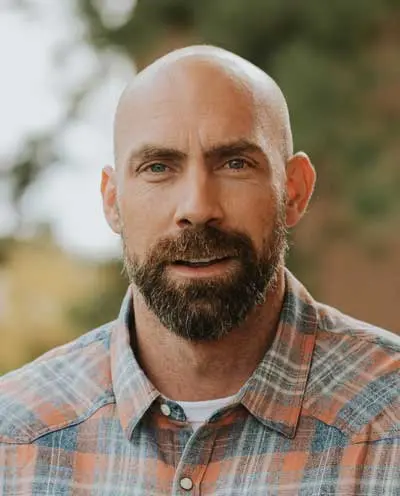
Chris Dorval, LICSW LCDP, LCDCS, DLD
Executive Director
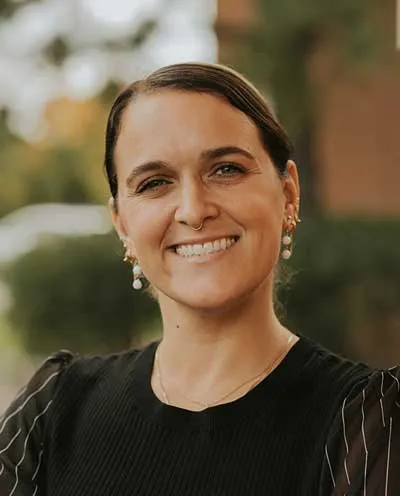
Maria Dorval, BA
Program Director
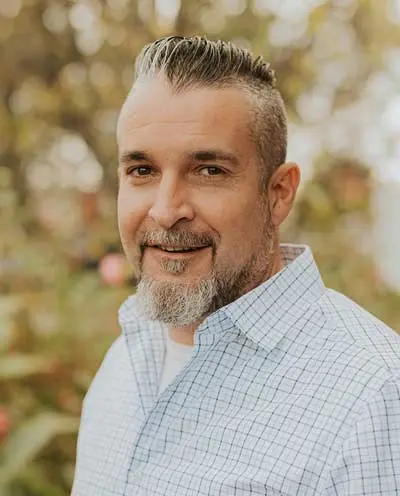
Tim Laprade, CPS, BSW
Clinical Director
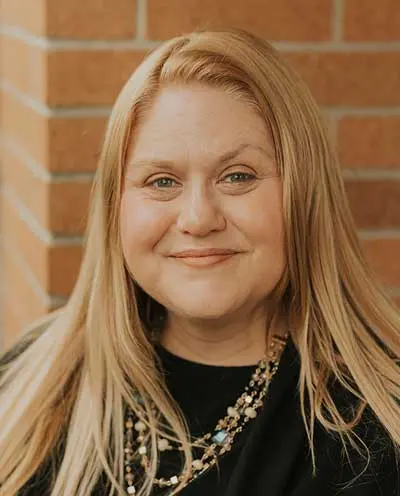
Stephanie Broccoli
Case Manager
Accreditations

State Licenses are permits issued by government agencies that allow rehab organizations to conduct business legally within a certain geographical area. Typically, the kind of program a rehab facility offers, along with its physical location, determines which licenses are required to operate legally.
State License: Rhode Island
Rehab.com regularly reviews this listing for accuracy but changes may occur between updates. For the most up-to-date information, please contact Ocean State Recovery Center – Drug Rehab Rhode Island.
Contact Information

1524 Atwood Ave
STE 244
Johnston, RI 02919
Get Help Now - 401-315-8539
Sponsored Helpline
Sponsored Helpline



