






























































































This was not a good place for my 89 year old mother. They treated her like she was in jail. She had trouble transferring herself and the staff would never offer to help her unless she asked them then was told to wait until they could get to her then rarely came to help her ...
About Oceans Behavioral Hospital of Baton Rouge
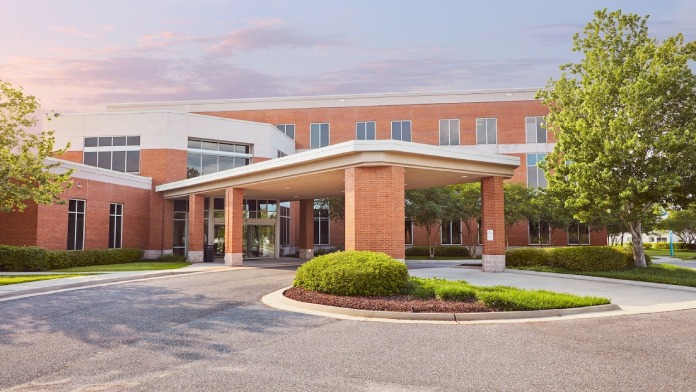
The Oceans Baton Rouge South clinic on Florida Boulevard is one of three locations that Oceans Behavioral Hospital has in Baton Rouge, Louisiana. This location provides inpatient care for adults 30 and older who have mental health disorders, as well as those with co occurring mental health and substance use diagnoses. They have specialized care for clients ages 50 and older.
They also have an intensive outpatient program. The clinic accepts Medicare, Medicaid, TRICARE and private insurance plans for payment.
Comprehensive Inpatient Services for Addiction Treatment
The services available at the Baton Rouge South clinic include medical detox services, a structured environment for inpatient treatment, and evidence based individual and group therapy.
They also offer holistic treatment options to help you manage stress and develop healthy coping mechanisms, such as mindfulness and recreational therapy.
Additional Services at Other Baton Rouge Clinics
There are also other Oceans clinics in Baton Rouge that can offer additional support and services. For example there is an outpatient program for youth ages 13 to 17 and specific programs for seniors aged 50 and older.
These are partial hospitalization or intensive outpatient programs, which can be step down options once you finish inpatient treatment.
Latest Reviews
I just got out today and I will say that it was the scariest thing walking into but the people were absolutely amazing! They don’t get enough credit
This is a true review about Ocean behavioral health on Howell Boulevard in Baton Rouge.
My significant other Went to Umc New Orleans, at least four times this year, each time being discharged without being better.
This last time, Umc did not accept the Behavior health section at Umc center two hours away to Ocean Baton Rouge. At the time this was troubling to me, but, turned out to be a good thing because Umc was very difficult to deal with as a caregiver. Ocean Baton Rouge is like night and day compared to Umc, Ocean was cleaner and better maintained then Umc, and the staff could not be any nicer or more professional. the staff at Oceans always answer the phone
always answers your questions, and they are always nice and polite and professional .I would recommend to anyone in need of help with behavioral health to consider Ocean Baton Rouge, Two hours one way is a long trip to make, but I would gladly make it instead of the 20 minute one way to Umc. I would absolutely bring my loved one to Ocean and the future. Should she ever need Behavior health help again.
Response from the owner1 week ago
Hi Mike - Thank you for your kind words! We are proud of our team and grateful for the opportunity to provide care in our community.
It was the best decision I made for myself. The staff is professional and friendly, and always there. I would like to say going in always remember patience is a virtue in the beginning, but the outcome that you get leaving is amazing. I have learned so much about myself and others. I will always be the best person I can be. thanks for all the nurses all the MHT for their amazing support they gave me through my journey.
Response from the owner1 week ago
Thank you for your kind words. We are proud of our team and grateful for the opportunity to provide care in our community. 
Rehab Score
 Our Methodology
Scoring is assigned by a proprietary system which helps surface key metrics that determine quality. The 10-point scale factors in categories such as operations, customer satisfaction, and trust metrics. Read Full Methodology

5.1 / 10
Gallery
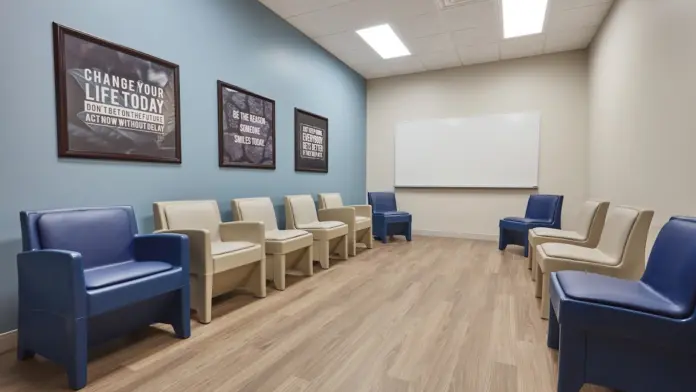
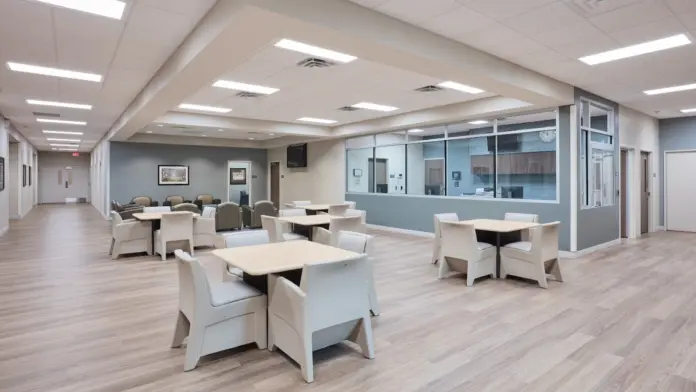
Other Forms of Payment
Private insurance refers to any kind of healthcare coverage that isn't from the state or federal government. This includes individual and family plans offered by an employer or purchased from the Insurance Marketplace. Every plan will have different requirements and out of pocket costs so be sure to get the full details before you start treatment.
Self-pay involves paying for treatment out of your own pocket. You can use savings or credit, get a personal loan, or receive help from family and friends to fund your treatment. If you don't have insurance or your insurance plan doesn't cover a specific program, self-pay can help ensure you still get the care you need.
Medicare is a federal program that provides health insurance for those 65 and older. It also serves people under 65 with chronic and disabling health challenges. To use Medicare for addiction treatment you need to find a program that accepts Medicare and is in network with your plan. Out of pocket costs and preauthorization requirements vary, so always check with your provider.
Military members, veterans, and eligible dependents have access to specific insurance programs that help them get the care they need. TRICARE and VA insurance can help you access low cost or no cost addiction and mental health treatment. Programs that accept military insurance often have targeted treatment focused on the unique challenges military members, veterans, and their families face.
Medicaid is a state based program that helps lower-income individuals and families pay for healthcare. Medicaid covers addiction treatment so those enrolled can use their coverage to pay for rehab. When a program accepts Medicaid the client often pays very little or nothing out of their own pocket.
Addiction Treatments
Levels of Care
Clients enrolled in outpatient rehab typically need less intensive supervision and support than those in inpatient care. Clients may continue to work and attend school while participating in addiction counseling and recovery education during the evening, night, or weekend. Clients also often enter intensive outpatient (IOP) treatment immediately upon exiting residential care, which provides them with high-level step-down support as they reintegrate into their homes and communities.
Residential treatment programs are those that offer housing and meals in addition to substance abuse treatment. Rehab facilities that offer residential treatment allow patients to focus solely on recovery, in an environment totally separate from their lives. Some rehab centers specialize in short-term residential treatment (a few days to a week or two), while others solely provide treatment on a long-term basis (several weeks to months). Some offer both, and tailor treatment to the patient's individual requirements.
Clients engaged in an intensive outpatient program (IOP) participate in multiple treatment sessions weekly. Typical treatment modalities include individual, group, and family counseling, addiction and recovery education, medication assisted treatment (MAT), and evidence-based holistic therapies. Most intensive outpatient rehabs require clients to engage in a minimum of nine and a maximum of 20 treatment hours per week. Many clients enter IOP after stepping down from intensive inpatient care, but some may enroll immediately after completing detox.
Clients enrolled in rehab aftercare programs have completed high-level treatment and are typically in the maintenance phase of their recovery, receiving customized services designed to support their sustained sobriety. Case managers and care teams typically begin to plan for the client's rehab aftercare services early in the treatment process to ensure the client's fluid reentry into their home, workplace, and community. These programs evolve as clients' needs change, and frequently include peer coaching, relapse prevention, and career counseling.
12 step programs enable participants to focus on their long-term sobriety through rigorous peer support and ongoing personal growth. They engage in regular, peer-directed 12 step meetings and receive one-on-one mentoring by a self-selected sponsor. Meetings are free, anonymous, and available multiple times a day, 365 days per year in most communities. Though 12 steps of recovery are rooted in spiritual principles, religious affiliation isn't mandatory. Specialized programs are widely available, including youth and family meetings.
A partial hospitalization program (PHP) offers an intensive, short-term rehab option for individuals who don't require 24-hour support. PHP treatment can be an alternative to inpatient hospitalization or a "step-down" option from hospitalization or a residential program. Typically, it requires you to meet a minimum of 6-8 hours a day for an average of 90 days. Services provided in PHP treatment often include relapse prevention strategies, medication management, individual and group therapy, and other behavioral therapy interventions.
Initial phases of rehab treatment often require 24-hour clinical care in Louisiana. This supervised treatment offers three main benefits. Medical staff can provide medications to treat withdrawal. Clients can also benefit from having 24-hour nursing staff available to treat any other physical symptoms. Lastly, this setting ensures that professionals are constantly available to address any emotional or mental health issues related to the addiction or co-occurring disorders.
Treatments
Many of those suffering from addiction also suffer from mental or emotional illnesses like schizophrenia, bipolar disorder, depression, or anxiety disorders. Rehab and other substance abuse facilities treating those with a dual diagnosis or co-occurring disorder administer psychiatric treatment to address the person's mental health issue in addition to drug and alcohol rehabilitation.
Mental health rehabs focus on helping individuals recover from mental illnesses like bipolar disorder, clinical depression, anxiety disorders, schizophrenia, and more. Mental health professionals at these facilities are trained to understand and treat mental health issues, both in individual and group settings.
Programs
Adult rehab programs include therapies tailored to each client's specific needs, goals, and recovery progress. They are tailored to the specific challenges adult clients may face, including family and work pressures and commitments. From inpatient and residential treatment to various levels of outpatient services, there are many options available. Some facilities also help adults work through co-occurring conditions, like anxiety, that can accompany addiction.
Young adulthood can be an exciting, yet difficult, time of transition. Individuals in their late teens to mid-20s face unique stressors related to school, jobs, families, and social circles, which can lead to a rise in substance use. Rehab centers with dedicated young adult programs will include activities and amenities that cater to this age group, with an emphasis on specialized counseling, peer socialization, and ongoing aftercare.
Serving in the military is both mentally and physically challenging, and can result in trauma that persists even after combat ends. Military programs are tailored to the specific and often complex needs of active duty personnel, veterans, and military families. Clients often access these programs through the U.S. Department of Veterans Affairs (VA).
Clinical Services
Cognitive Behavioral Therapy (CBT) is a therapy modality that focuses on the relationship between one's thoughts, feelings, and behaviors. It is used to establish and allow for healthy responses to thoughts and feelings (instead of unhealthy responses, like using drugs or alcohol). CBT has been proven effective for recovering addicts of all kinds, and is used to strengthen a patient's own self-awareness and ability to self-regulate. CBT allows individuals to monitor their own emotional state, become more adept at communicating with others, and manage stress without needing to engage in substance abuse.
Dialectical Behavior Therapy (DBT) is a modified form of Cognitive Behavioral Therapy (CBT), a treatment designed to help people understand and ultimately affect the relationship between their thoughts, feelings, and behaviors. DBT is often used for individuals who struggle with self-harm behaviors, such as self-mutilation (cutting) and suicidal thoughts, urges, or attempts. It has been proven clinically effective for those who struggle with out-of-control emotions and mental health illnesses like Borderline Personality Disorder.
Group therapy is any therapeutic work that happens in a group (not one-on-one). There are a number of different group therapy modalities, including support groups, experiential therapy, psycho-education, and more. Group therapy involves treatment as well as processing interaction between group members.
In individual therapy, a patient meets one-on-one with a trained psychologist or counselor. Therapy is a pivotal part of effective substance abuse treatment, as it often covers root causes of addiction, including challenges faced by the patient in their social, family, and work/school life.
In Louisiana, trauma therapy helps you explore the impact that a traumatic event has had on your life. You can experience emotional and physical responses if you witness or experience a traumatic event. Your therapist guides you in processing the trauma and then developing coping strategies that improve your quality of life.
Couples therapy focuses on helping the couple develop skills that will improve the relationship. These include communication, conflict resolution, and anger management. Couples also identify dysfunctional behaviors and work to eliminate them.
The purpose of family therapy is to create a supportive and understanding dynamic between family members. Therapists assist families in identifying and changing negative, harmful patterns while improving open and honest communication. This provides a stable foundation for the recovery journey.
Experiential therapy is a form of therapy in which clients are encouraged to surface and work through subconscious issues by engaging in real-time experiences. Experiential therapy departs from traditional talk therapy by involving the body, and having clients engage in activities, movements, and physical and emotional expression. This can involve role-play or using props (which can include other people). Experiential therapy can help people process trauma, memories, and emotion quickly, deeply, and in a lasting fashion, leading to substantial and impactful healing.
Staff & Accreditations
Staff
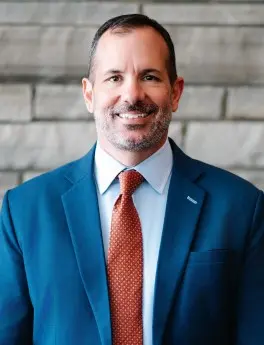
Stuart Archer, FACHE
CEO
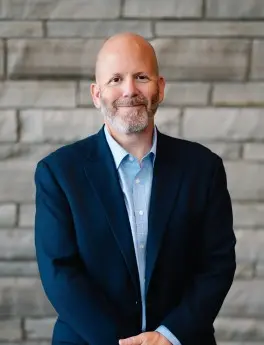
Jeff Pritchard
COO
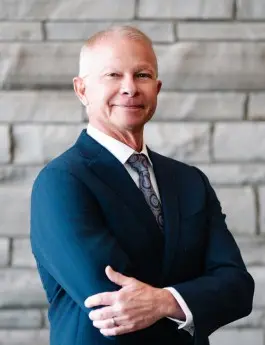
Daryl Doise, FACHE
Chief Development Officer
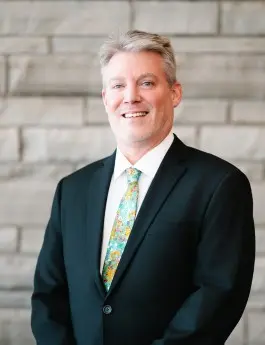
Eric Elliott
CFO

Dr. James Butler
Chief Medical Officer
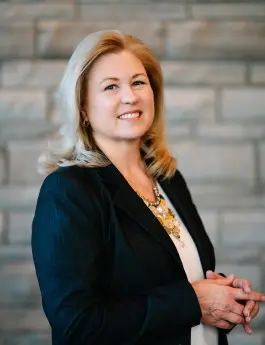
Tammy Steele
Executive VP of Human Resources
Accreditations

The Joint Commission, formerly known as JCAHO, is a nonprofit organization that accredits rehab organizations and programs. Founded in 1951, the Joint Commision's mission is to improve the quality of patient care and demonstrating the quality of patient care.
Joint Commission Accreditation: Yes
Rehab.com regularly reviews this listing for accuracy but changes may occur between updates. For the most up-to-date information, please contact Oceans Behavioral Hospital of Baton Rouge.
Contact Information

11135 Florida Boulevard
Baton Rouge, LA 70815
Get Help Now - 225-244-8092
Sponsored Helpline
Sponsored Helpline



