About BrightView Centerville Addiction Treatment Center
In Dayton, Ohio, BrightView Centerville Addiction Treatment Center provides outpatient addiction treatment for adults 18 and older.
The center holds Joint Commission accreditation and belongs to a network founded in 2015 that has grown to over 70 locations in Ohio, Kentucky, Virginia, North Carolina and Maryland.
Client’s can se their appointments for the same day or the next day, and weekday walk-ins are welcomed.
Medication for Opioid Use Disorder
For opioid use disorder, the care team can prescribe FDA approved buprenorphine products, including Suboxone, Sublocade, Brixadi and Subutex or methadone.
Patients attend individual and group sessions, and the approaches BrightView uses include cognitive behavioral therapy, motivational enhancement therapy, contingency management and psychoeducation.
Group sessions give patients a place to learn from others in recovery, and the center also treats co occurring mental health conditions as needed.
BrightView accepts Medicaid, Medicare and most commercial insurance plans, and patients without insurance have a monthly self pay option.
When a program ends, the Dayton center completes an assessment and helps each patient build an aftercare plan, with connections to community resources such as 12 step programs.

Rehab Score
 Our Methodology


Gallery
Accepted Insurance
Other Forms of Payment
Self-pay involves paying for treatment out of your own pocket. You can use savings or credit, get a personal loan, or receive help from family and friends to fund your treatment. If you don't have insurance or your insurance plan doesn't cover a specific program, self-pay can help ensure you still get the care you need.
Medicaid is a state based program that helps lower-income individuals and families pay for healthcare. Medicaid covers addiction treatment so those enrolled can use their coverage to pay for rehab. When a program accepts Medicaid the client often pays very little or nothing out of their own pocket.
Medicare is a federal program that provides health insurance for those 65 and older. It also serves people under 65 with chronic and disabling health challenges. To use Medicare for addiction treatment you need to find a program that accepts Medicare and is in network with your plan. Out of pocket costs and preauthorization requirements vary, so always check with your provider.
Military members, veterans, and eligible dependents have access to specific insurance programs that help them get the care they need. TRICARE and VA insurance can help you access low cost or no cost addiction and mental health treatment. Programs that accept military insurance often have targeted treatment focused on the unique challenges military members, veterans, and their families face.
Addiction Treatments
Levels of Care
Outpatient Programs (OP) are for those seeking mental rehab or drug rehab, but who also stay at home every night. The main difference between outpatient treatment (OP) and intensive outpatient treatment (IOP) lies in the amount of hours the patient spends at the facility. Most of the time an outpatient program is designed for someone who has completed an inpatient stay and is looking to continue their growth in recovery. Outpatient is not meant to be the starting point, it is commonly referred to as aftercare.
12 step programs enable participants to focus on their long-term sobriety through rigorous peer support and ongoing personal growth. They engage in regular, peer-directed 12 step meetings and receive one-on-one mentoring by a self-selected sponsor. Meetings are free, anonymous, and available multiple times a day, 365 days per year in most communities. Though 12 steps of recovery are rooted in spiritual principles, religious affiliation isn't mandatory. Specialized programs are widely available, including youth and family meetings.
Clients enrolled in rehab aftercare programs have completed high-level treatment and are typically in the maintenance phase of their recovery, receiving customized services designed to support their sustained sobriety. Case managers and care teams typically begin to plan for the client's rehab aftercare services early in the treatment process to ensure the client's fluid reentry into their home, workplace, and community. These programs evolve as clients' needs change, and frequently include peer coaching, relapse prevention, and career counseling.
Treatments
Co-occurring conditions get treated here. Behavioral therapies and mental health support are available alongside the substance use care.
Programs
Adult rehab programs include therapies tailored to each client's specific needs, goals, and recovery progress. They are tailored to the specific challenges adult clients may face, including family and work pressures and commitments. From inpatient and residential treatment to various levels of outpatient services, there are many options available. Some facilities also help adults work through co-occurring conditions, like anxiety, that can accompany addiction.
Clinical Services
Group therapy gives you a space with other patients in recovery. You learn from their experience and they learn from yours.
Individual counseling is one-on-one, with a licensed professional trained in addiction care. Sessions work on behaviors, emotional challenges and staying focused on recovery.
Couples therapy focuses on helping the couple develop skills that will improve the relationship. These include communication, conflict resolution, and anger management. Couples also identify dysfunctional behaviors and work to eliminate them.
Research clearly demonstrates that recovery is far more successful and sustainable when loved ones like family members participate in rehab and substance abuse treatment. Genetic factors may be at play when it comes to drug and alcohol addiction, as well as mental health issues. Family dynamics often play a critical role in addiction triggers, and if properly educated, family members can be a strong source of support when it comes to rehabilitation.
Amenities
-
 Residential Setting
-
 Private Rooms
Staff

E.J. Kuiper
President & CEO
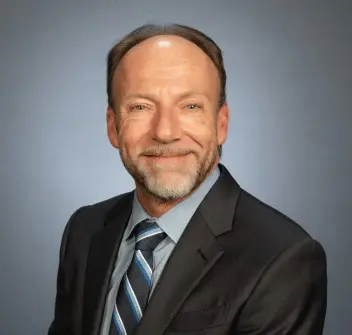
Mike Gleason
CFO
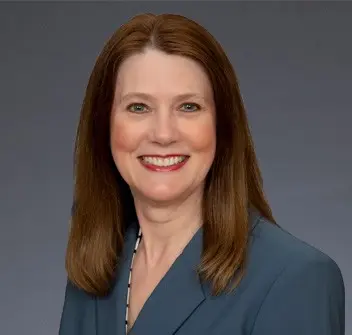
Kristin Wolkart
Chief Nursing Officer
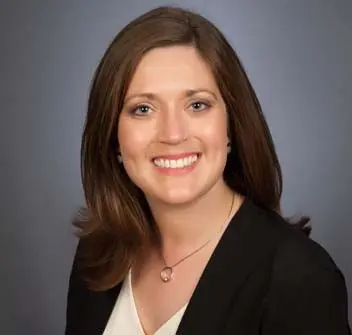
Tara Haney
Chief Strategy Officer
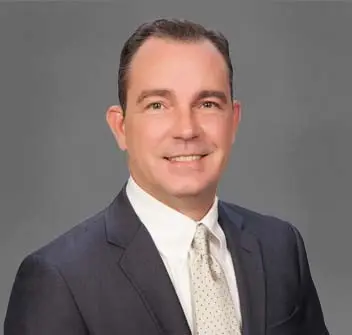
Hunter Richardson
Chief Administrative Officer
Rehab.com regularly reviews this listing for accuracy but changes may occur between updates. For the most up-to-date information, please contact BrightView Centerville Addiction Treatment Center.
Contact Information


8120 Garnet Drive
Dayton, OH 45458
Sponsored Helpline