





























































































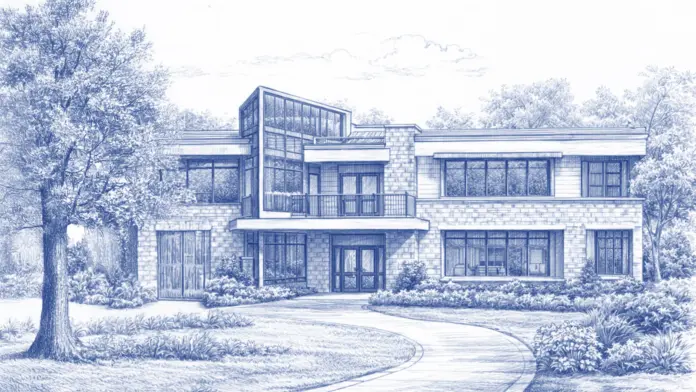


Switched my doctors EIGHT times over two years. Each new doc wanted to change my meds and the last two Drs refused to refill meds i'd been on for 15 years(Ambien, Adderall) because they were controlled substances and they were afraid they would lose their license. Then Pawne ...
About Pawnee Mental Health Services
At Pawnee Mental Health Services, dedicated programming is available for young adults, seniors, justice-involved persons, and persons with hearing impairment. Dual diagnosis care is also provided for persons with co-occurring addiction and mental illness.
Inpatient Program
The inpatient program allows clients to focus on their recovery in a highly structured and supportive environment. Clients receive medical and mental health assessments, personalized care planning, and comprehensive case management. They also engage in intensive, trauma-informed, individual, group, and family counseling that draws on proven modalities, including CBT. The program promotes clients’ sustained sobriety and successful community reintegration through robust, recovery-focused life-skills training. Topics include coping, self-care, emotional regulation, anger and stress management, and relapse prevention. DUI/DWI education and other court-mandated programs are available.
Outpatient and Aftercare Services
Their outpatient and aftercare services ensure a complete continuum of care aligned with clients’ evolving needs. These services may include step-down support, employment and housing assistance, peer coaching, 12-Step program facilitation, supportive housing transitions, and referrals for additional medical, mental health, and social service programs.
Payment Options
Pawnee Mental Health Services accepts private insurance, military insurance, Medicare, Medicaid, sliding-scale payment schedules, and self-pay. Financial aid is available.
Facility Overview
 11
11 Number of Available Beds
Latest Reviews
Excellent Staff
Response from the owner1 week ago
Hi, Deanna. Thanks for taking the time to share your positive experience. We truly appreciate it!
I am a retired critical care nurse. I am extremely pleased with the knowledgeable intheir Behavioral Health departments.
They have helped all the members of our family. If there are any issues with the care givers, management addresses the issues.
Their personel are compassionate and put their clients first, going out of their way to meet their needs, to see their clients get the care that they need. They have personel who work with the police. In times of extreme distress, the police can call them into the home night or day to assess a person in crises to get them the assistance they need immediately, with immediate follow-up the next day if at night.
Help is right then, often preventing unnecessary ER trips or hospitalization preventing additional unnecessary stress and cost to the person and their loved ones in distress.
I cannot recommend them enough.
Response from the owner1 week ago
Hi, Crystal. We are thrilled to learn that you had a positive experience with us!
Professional and courteous.
Response from the owner1 week ago
Hi, David. Thank you so much for leaving us a stellar review! 
Rehab Score
 Our Methodology
Scoring is assigned by a proprietary system which helps surface key metrics that determine quality. The 10-point scale factors in categories such as operations, customer satisfaction, and trust metrics. Read Full Methodology

6.1 / 10
Location
Accepted Insurance
Other Forms of Payment
Private insurance refers to any kind of healthcare coverage that isn't from the state or federal government. This includes individual and family plans offered by an employer or purchased from the Insurance Marketplace. Every plan will have different requirements and out of pocket costs so be sure to get the full details before you start treatment.
Self-pay involves paying for treatment out of your own pocket. You can use savings or credit, get a personal loan, or receive help from family and friends to fund your treatment. If you don't have insurance or your insurance plan doesn't cover a specific program, self-pay can help ensure you still get the care you need.
Financial aid can take many forms. Centers may have grants or scholarships available to clients who meet eligibility requirements. Programs that receive SAMHSA grants may have financial aid available for those who need treatment as well. Grants and scholarships can help you pai for treatment without having to repay.
Sliding scale payments are based on a client's income and family size. The goal is to make treatment affordable to everyone. By taking these factors into account, addiction recovery care providers help ensure that your treatment does not become a financial burden to you or your family, eliminating one barrier to care.
Medicare is a federal program that provides health insurance for those 65 and older. It also serves people under 65 with chronic and disabling health challenges. To use Medicare for addiction treatment you need to find a program that accepts Medicare and is in network with your plan. Out of pocket costs and preauthorization requirements vary, so always check with your provider.
Medicaid is a state based program that helps lower-income individuals and families pay for healthcare. Medicaid covers addiction treatment so those enrolled can use their coverage to pay for rehab. When a program accepts Medicaid the client often pays very little or nothing out of their own pocket.
Military members, veterans, and eligible dependents have access to specific insurance programs that help them get the care they need. TRICARE and VA insurance can help you access low cost or no cost addiction and mental health treatment. Programs that accept military insurance often have targeted treatment focused on the unique challenges military members, veterans, and their families face.
Addiction Treatments
Levels of Care
Outpatient Programs (OP) are for those seeking mental rehab or drug rehab, but who also stay at home every night. The main difference between outpatient treatment (OP) and intensive outpatient treatment (IOP) lies in the amount of hours the patient spends at the facility. Most of the time an outpatient program is designed for someone who has completed an inpatient stay and is looking to continue their growth in recovery. Outpatient is not meant to be the starting point, it is commonly referred to as aftercare.
Clients exiting detox, stepping down from inpatient rehab, or at an increased risk of relapse often enroll in intensive outpatient programs (IOP). These programs offer high-level support, including multiple therapeutic sessions per week. Clients typically receive between nine and 20 hours of treatment weekly. Intensive outpatient rehabs generally offer an array of services, including individual, group, and family counseling and recovery education. Medication assisted treatment (MAT) is widely available for those in alcohol and/or opioid recovery.
Clients in a rehab aftercare program typically have completed intensive inpatient treatment but may be receiving outpatient care. Many have concluded outpatient treatment as well and are in the maintenance phase of their recovery. Rehab aftercare services are designed to provide a full continuum of care as clients apply their recovery skills at home, in the workplace, and in the community. Clients typically receive peer coaching, career counseling, and 12 step recovery program induction, among other services.
12 step programs feature peer coaching and spiritual development to support participants' sustained sobriety. Most programs are non-denominational and religious affiliation isn't required. Participants engage in regular 12 step meetings, which are open to the public, anonymous, and free. Meetings can be accessed night and day in most communities. Self-selected sponsors provide one-on-one mentoring as participants work through the 12 steps, which foster healing, understanding, accountability, and acceptance.
Sober living homes in Kansas offers a balance of freedom, structure, and accountability to provide a safe environment where individuals in recovery can practice maintaining a sober lifestyle. Recovery homes, also called halfway houses, typically include daily chores, set meal times, curfews, and required 12-step meeting attendance. This setting can be beneficial for those who need additional support after treatment before returning home.
Multiple intervention services are available to families who are facing addiction. Intervention specialists can help families plan and carry out a drug intervention in Kansas. They can also help families identify behaviors and family dynamics that are contributing to the problem. The expert can guide families in healthier communication patterns. This professional can also help each family member with their own recovery, regardless of how the addicted individual responds to the family's intervention efforts.
Physical withdrawal can be uncomfortable, and in severe cases, it can even be dangerous. In an inpatient environment, a medically assisted detox is performed by a team of licensed medical professionals who monitor your vitals, provide medications when necessary, and ensure your safety, health, and comfort during this process. Medical detox is usually the very first step in the recovery process.
Treatments
Mental health rehabs focus on helping individuals recover from mental illnesses like bipolar disorder, clinical depression, anxiety disorders, schizophrenia, and more. Mental health professionals at these facilities are trained to understand and treat mental health issues, both in individual and group settings.
Programs
Adult rehab programs include therapies tailored to each client's specific needs, goals, and recovery progress. They are tailored to the specific challenges adult clients may face, including family and work pressures and commitments. From inpatient and residential treatment to various levels of outpatient services, there are many options available. Some facilities also help adults work through co-occurring conditions, like anxiety, that can accompany addiction.
Young adulthood can be an exciting, yet difficult, time of transition. Individuals in their late teens to mid-20s face unique stressors related to school, jobs, families, and social circles, which can lead to a rise in substance use. Rehab centers with dedicated young adult programs will include activities and amenities that cater to this age group, with an emphasis on specialized counseling, peer socialization, and ongoing aftercare.
Recovery is most successful when clients feel accepted and validated by their peers and treatment providers. Facilities that offer LGBTQ-inclusive programming are committed to creating a safe space where everyone can grow and recover without fear of judgment or discrimination. They will have dedicated policies in place to create a safe and supportive environment that fosters free expression.
Serving in the military is both mentally and physically challenging, and can result in trauma that persists even after combat ends. Military programs are tailored to the specific and often complex needs of active duty personnel, veterans, and military families. Clients often access these programs through the U.S. Department of Veterans Affairs (VA).
Clinical Services
Cognitive Behavioral Therapy (CBT) is a therapy modality that focuses on the relationship between one's thoughts, feelings, and behaviors. It is used to establish and allow for healthy responses to thoughts and feelings (instead of unhealthy responses, like using drugs or alcohol). CBT has been proven effective for recovering addicts of all kinds, and is used to strengthen a patient's own self-awareness and ability to self-regulate. CBT allows individuals to monitor their own emotional state, become more adept at communicating with others, and manage stress without needing to engage in substance abuse.
During dialectical behavior therapy, you'll work with your therapist to learn new skills that allow you to better regulate your emotions. This treatment involves a pre assessment, individual therapy, skills training in groups, and telephone crisis coaching.
Group therapy is any therapeutic work that happens in a group (not one-on-one). There are a number of different group therapy modalities, including support groups, experiential therapy, psycho-education, and more. Group therapy involves treatment as well as processing interaction between group members.
In individual therapy, a patient meets one-on-one with a trained psychologist or counselor. Therapy is a pivotal part of effective substance abuse treatment, as it often covers root causes of addiction, including challenges faced by the patient in their social, family, and work/school life.
When applying motivational interviewing, your therapist will ask open ended questions that encourage you to think differently about your challenges. They will also affirm your strengths and abilities. They will then offer empathy and reflect your thoughts back to you so you can identify any discrepancies in your current behaviors and your future goals.
Trauma therapy addresses traumatic incidents from a client's past that are likely affecting their present-day experience. Trauma is often one of the primary triggers and potential causes of addiction, and can stem from child sexual abuse, domestic violence, having a parent with a mental illness, losing one or both parents at a young age, teenage or adult sexual assault, or any number of other factors. The purpose of trauma therapy is to allow a patient to process trauma and move through and past it, with the help of trained and compassionate mental health professionals.
Whether a marriage or other committed relationship, an intimate partnership is one of the most important aspects of a person's life. Drug and alcohol addiction affects both members of a couple in deep and meaningful ways, as does rehab and recovery. Couples therapy and other couples-focused treatment programs are significant parts of exploring triggers of addiction, as well as learning how to build healthy patterns to support ongoing sobriety.
 Eye Movement Desensitization And Reprocessing
Research clearly demonstrates that recovery is far more successful and sustainable when loved ones like family members participate in rehab and substance abuse treatment. Genetic factors may be at play when it comes to drug and alcohol addiction, as well as mental health issues. Family dynamics often play a critical role in addiction triggers, and if properly educated, family members can be a strong source of support when it comes to rehabilitation.
By learning life skills during rehab in Kansas, you can learn how to manage daily life in recovery. These skills will help you establish a new and independent life. They'll help you develop a healthy daily routine, practice self care, and cultivate healthy relationships.
Long term substance use causes chemical imbalances in the body that cause cravings, depression, and other conditions that perpetuate the cycle of addiction. Nutrition therapy addresses these imbalances by providing the foods your body needs for optimal function.
Fitness classes, art projects, and group outings are part of recreational therapy in Kansas. This is a holistic approach to addiction recovery that promotes your physical and mental health. These activities help you develop new skills and interests and improve your overall well being.
Amenities
-
 Private Transportation
Staff & Accreditations
Staff

Mike Rezkalla, MA, MPA
CEO
George Macko, BS, SPHR
COO
Lindsay Miller, BS, CPM
CFO
Becky Woodward, LSCSW, LCAC
Chief Clinical Officer

Jena Dunham, DNP, APRN, FNP-C, PMHNP-BC
Director of Medical Services
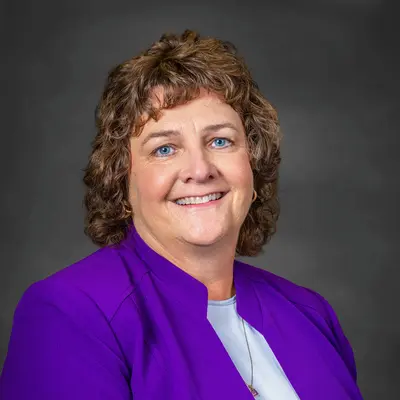
Di Hinrichs-Toburen, PhD
Marketing and Development Director
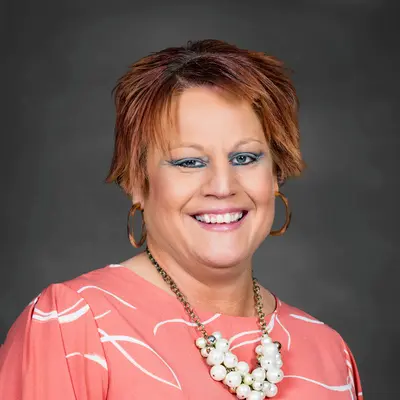
Rita Hoelscher, BS
Quality Director
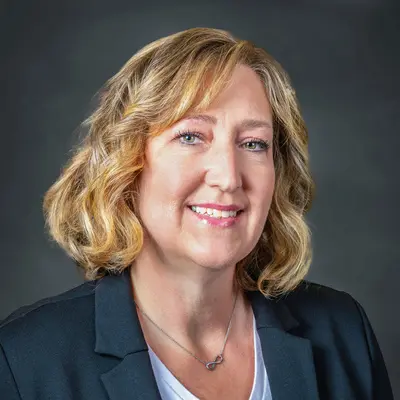
Shelli Schottler, LMSW
Community Services Director
Accreditations

State Licenses are permits issued by government agencies that allow rehab organizations to conduct business legally within a certain geographical area. Typically, the kind of program a rehab facility offers, along with its physical location, determines which licenses are required to operate legally.
State License: Kansas
Rehab.com regularly reviews this listing for accuracy but changes may occur between updates. For the most up-to-date information, please contact Pawnee Mental Health Services.
Contact Information

2001 Claflin Road
Manhattan, KS 66502
Get Help Now - 785-268-4888
Sponsored Helpline
Sponsored Helpline



