












Footprints to Recovery Addiction Treatment Centers
1
Top 10 Rehab Centers In Centennial



















































































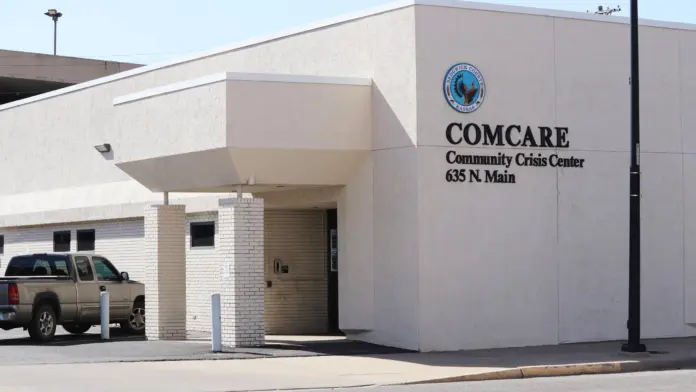
COMCARE’s Community Crisis Center is part of Sedgwick County services in Witchita, Kansas. When you come here in crisis staff can help you with intervention, treatment planning and referrals to a variety of resources. They can also connect you to a medical provider if needed.
The Center also provides suicide prevention services for the county. This includes a 24/7 telephone line and walk in assistance at the Community Crisis Center.
There is also a mobile crisis unit that has two staff members qualified to provide emergency assessments. You can access this help by calling the crisis line.
The Stress/Trauma Assistance Team (STAT) can help county residents of all ages after a traumatic event or disaster. They can provide support and help people recovery more quickly from a difficult experience. You can request the team by calling the crisis hotline.
The Integrated Care Team is a multidisciplinary program that provides resources to people in the community as a collaborative effort between county and city mental health professionals, law enforcement officers, and paramedics. The team responds to emergent mental health crises that have been identified through the 911 system.
 12
12 
 Our Methodology


Financial aid can take many forms. Centers may have grants or scholarships available to clients who meet eligibility requirements. Programs that receive SAMHSA grants may have financial aid available for those who need treatment as well. Grants and scholarships can help you pai for treatment without having to repay.
Medicaid is a state based program that helps lower-income individuals and families pay for healthcare. Medicaid covers addiction treatment so those enrolled can use their coverage to pay for rehab. When a program accepts Medicaid the client often pays very little or nothing out of their own pocket.
Medicare is a federal program that provides health insurance for those 65 and older. It also serves people under 65 with chronic and disabling health challenges. To use Medicare for addiction treatment you need to find a program that accepts Medicare and is in network with your plan. Out of pocket costs and preauthorization requirements vary, so always check with your provider.
Outpatient Programs (OP) are for those seeking mental rehab or drug rehab, but who also stay at home every night. The main difference between outpatient treatment (OP) and intensive outpatient treatment (IOP) lies in the amount of hours the patient spends at the facility. Most of the time an outpatient program is designed for someone who has completed an inpatient stay and is looking to continue their growth in recovery. Outpatient is not meant to be the starting point, it is commonly referred to as aftercare.
Inpatient rehab offers intensive treatment and typically include round-the-clock clinical care. Inpatient treatment is designed primarily for clients exiting detox, those in early recovery, and those at an increased risk of relapse. Inpatient programs generally involve multiple addiction counseling sessions per week, which may include individual, group, and family counseling. Many inpatient rehabs also offer recovery-focused life skills training and evidence-based holistic therapies, such as meditation, massage, yoga, equine therapy, and experiential therapy.
Physical withdrawal can be uncomfortable, and in severe cases, it can even be dangerous. In an inpatient environment, a medically assisted detox is performed by a team of licensed medical professionals who monitor your vitals, provide medications when necessary, and ensure your safety, health, and comfort during this process. Medical detox is usually the very first step in the recovery process.
Adult rehab programs include therapies tailored to each client's specific needs, goals, and recovery progress. They are tailored to the specific challenges adult clients may face, including family and work pressures and commitments. From inpatient and residential treatment to various levels of outpatient services, there are many options available. Some facilities also help adults work through co-occurring conditions, like anxiety, that can accompany addiction.
Young adulthood can be an exciting, yet difficult, time of transition. Individuals in their late teens to mid-20s face unique stressors related to school, jobs, families, and social circles, which can lead to a rise in substance use. Rehab centers with dedicated young adult programs will include activities and amenities that cater to this age group, with an emphasis on specialized counseling, peer socialization, and ongoing aftercare.
Substance abuse treatment typically includes group therapy where you can learn essential coping skills that help you navigate challenges within the community and relapse prevention strategies that support sustainable recovery. Group therapy offers you a platform to share your stories with your peers who understand the journey you are on.
Individual therapy for drug and alcohol addiction treatment provides you with targeted support. Your therapist is able to address the unique aspects and triggers of your addiction so you can develop healthy coping strategies and set achievable goals. These are essential components of a successful journey to recovery.
In family therapy, experienced therapists help family members navigate the challenges of addiction by fostering open lines of communication and mutual support. This approach strengthens the family unit and improves the effectiveness of the recovery process.
 Residential Setting
Executive Director
Rehab.com regularly reviews this listing for accuracy but changes may occur between updates. For the most up-to-date information, please contact COMCARE – Community Crisis Center.

635 N Main
Wichita, KS 67203
Sponsored Helpline

It’s the worse place to ask for help in general you come here in a crisis or about to have one. And there nobody here that’s helpful to talk to. They made my situation 20X worse then it needed to be. I have to admit COMCARE doesn’t care about the patients they just want the paycheck. And they say they don’t get any money but in reality they get a lot more then you think they are government after all. And they fail people over and over. And also the crisis case management team if you get a case manager through crisis say NO it’s not worth your time they truly don’t care about or what you need help with. And if you get therapy from a supervisor of the teams just trust me don’t do it they just repeat the same thing and they truly don’t care about you the want you to talk about your trauma I don’t need to think about it tbh. And if you get meds management it isn’t worth it reality is medication doesn’t help anyone it’s a bandaid for everyone. And by the way the crisis mobile team isn’t worth your time they just take everyone to the hospital they don’t want to work with any patient. And if they work on the phones they don’t truly care they just say it for part of there jobs. And also if you see a therapist there don’t go. They waste your time talking when they end up taken everyone to the hospital anyway. I would say just go to the hospital instead of wasting your time here. And also this is why no one really wants help besides the homeless and some of them don’t want help because COMCARE makes it worse then helping and many people are dying daily in Wichita because of COMCARE.

Them is awesome people who like to help others people


You are the worst people I have ever met; you destroyed my home and caused problems with my family by coming to my house without permission.
 Back
Back
Sharing your insights and experiences can help others learn more about this rehab center.